Upon assessing the property’s exterior, it became evident that the existing landscape lacked the necessary structure to be inviting. The transition from an overwhelming yard to a curated environment began with the recognition of this spatial imbalance. It wasn’t messy exactly, but it lacked intention—random plants here, patchy grass there, and no real sense of calm. I had always admired those effortlessly clean, minimalist yards that looked like they belonged in a magazine, yet felt warm and lived-in at the same time. That morning, I realized I didn’t need a full renovation or a huge budget—I just needed a simpler approach. And honestly, that shift in mindset changed everything.
What surprised me most was how quickly small changes made a big impact. I started removing more than I added, which felt a little scary at first, but also kind of freeing. The more I simplified, the more the space began to breathe, and suddenly, the front yard didn’t feel like a chore anymore—it felt like an extension of my home. Have you ever noticed how a clean, intentional space just puts your mind at ease? That’s the quiet magic of minimalist landscaping, and it’s way more achievable than it looks.
Over time, I learned that minimalist design isn’t about having less just for the sake of it—it’s about choosing better, smarter, and more meaningful elements. It’s about creating a space that feels calm when you come home and effortlessly polished when guests arrive. If your front yard has been giving you that “something’s off” feeling, you’re definitely not alone. The good news? You can totally transform it with a few thoughtful ideas that don’t overcomplicate things. Let’s get into it.
1. Define Clean Edges with Simple Borders
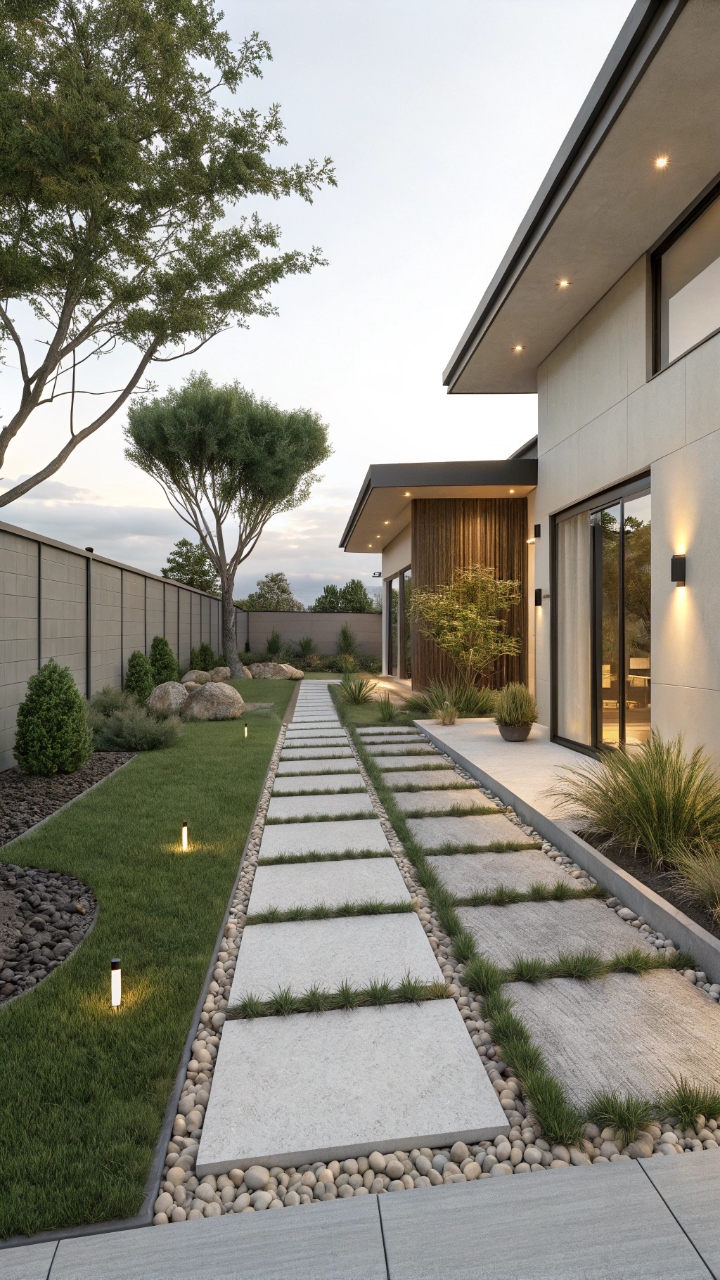
The first thing I tackled was the edges of my lawn, and wow, what a difference that made—it instantly gave the whole yard a more intentional, finished look without adding anything flashy. I used clean, straight borders to separate grass from gravel and planting areas, and suddenly everything looked sharper, more put-together, like it actually belonged there. There’s something incredibly satisfying about defined lines—they guide the eye and create a sense of order that feels almost calming. I kept the materials simple, sticking to stone and metal edging for that understated vibe. Isn’t it wild how something so subtle can elevate the entire space?
Pro Tip: Choose one consistent edging material throughout your yard to keep the design cohesive and uncluttered.
2. Stick to a Limited Plant Palette
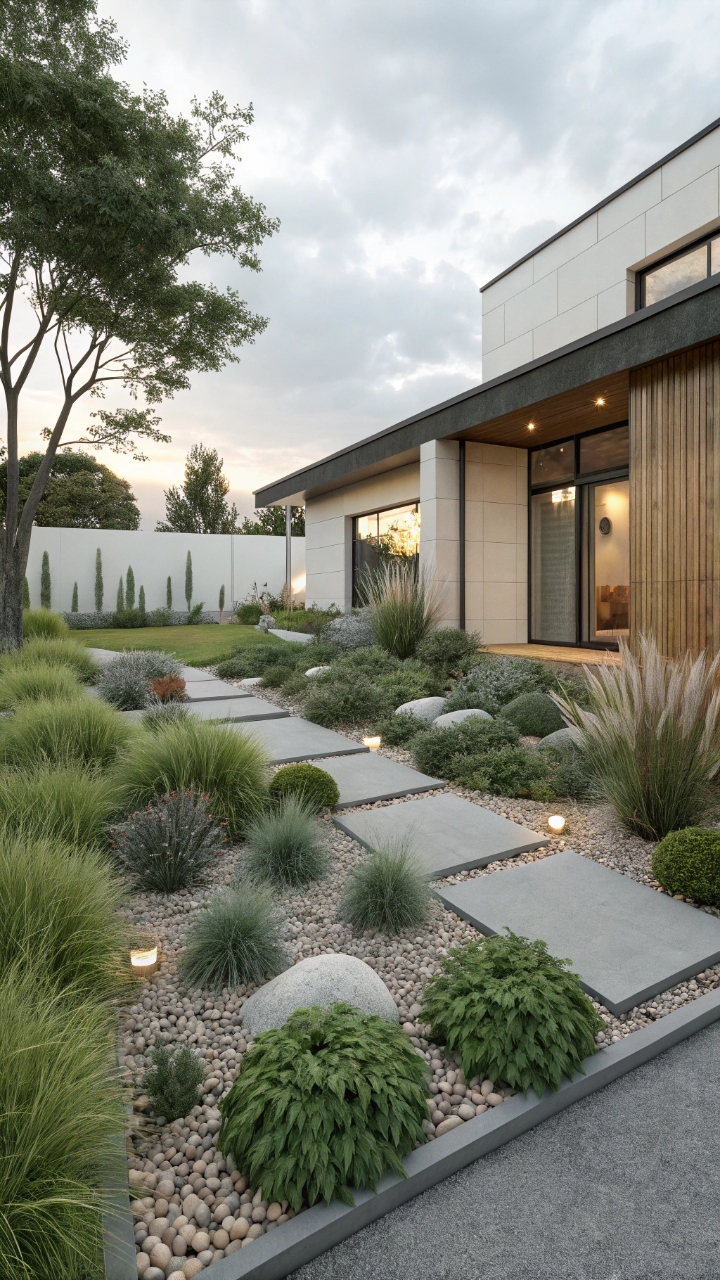
I used to think more plants meant a better garden, but minimalist landscaping taught me the opposite—fewer, well-chosen plants actually create more impact. I narrowed my selection down to just a handful of species, focusing on texture and shades of green rather than a rainbow of colors. The result felt so much calmer and easier on the eyes, like everything finally made sense. Plus, maintaining fewer plant varieties? Way less hassle, which is a win-win. Have you ever noticed how too many choices can feel chaotic instead of beautiful? Pro Tip: Choose 3–5 plant types and repeat them throughout your yard for a clean, harmonious look.
3. Incorporate Gravel for a Modern Touch
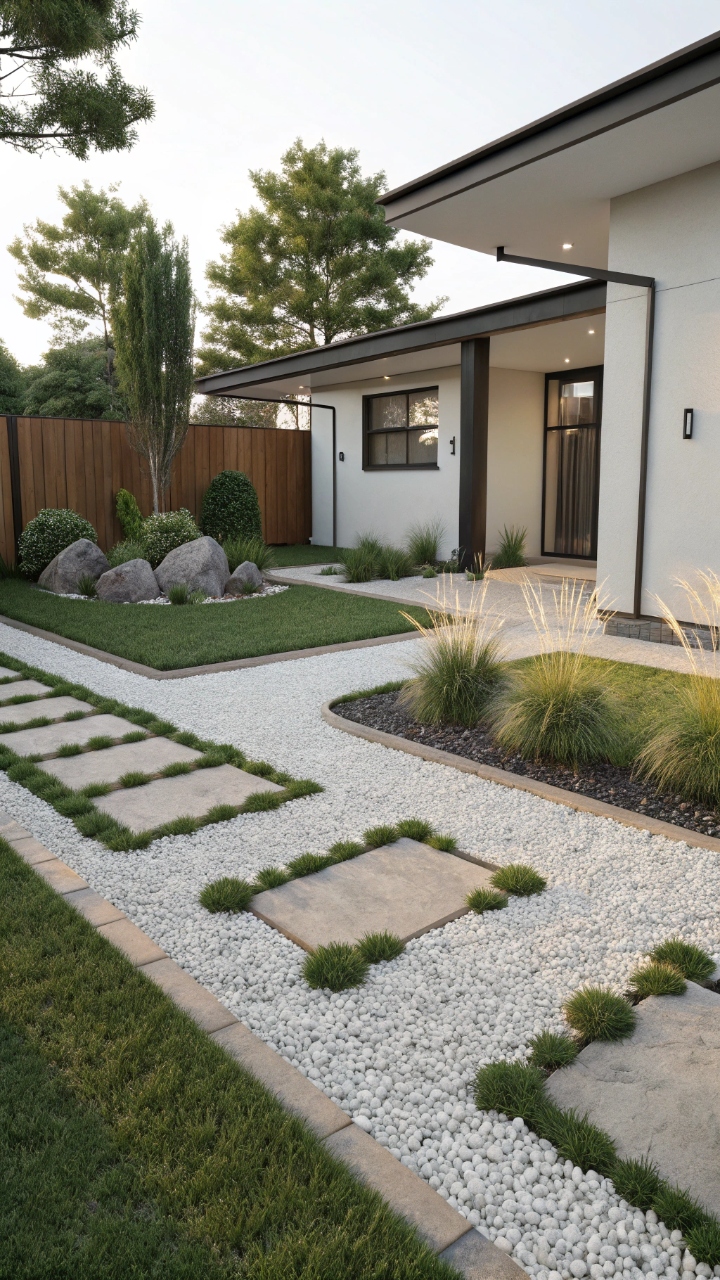
Adding gravel was one of those “why didn’t I do this sooner?” moments because it instantly gave my yard that sleek, modern feel without trying too hard. I replaced sections of grass with light-colored gravel, and the contrast made everything pop in the best way. It also reduced maintenance, which, let’s be real, is always a bonus. The soft crunch underfoot even adds a sensory element that feels oddly satisfying. Doesn’t it just make you want to walk through it barefoot for a second?
Pro Tip: Use landscape fabric underneath gravel to prevent weeds and keep it looking fresh longer.
4. Add a Statement Plant or Tree
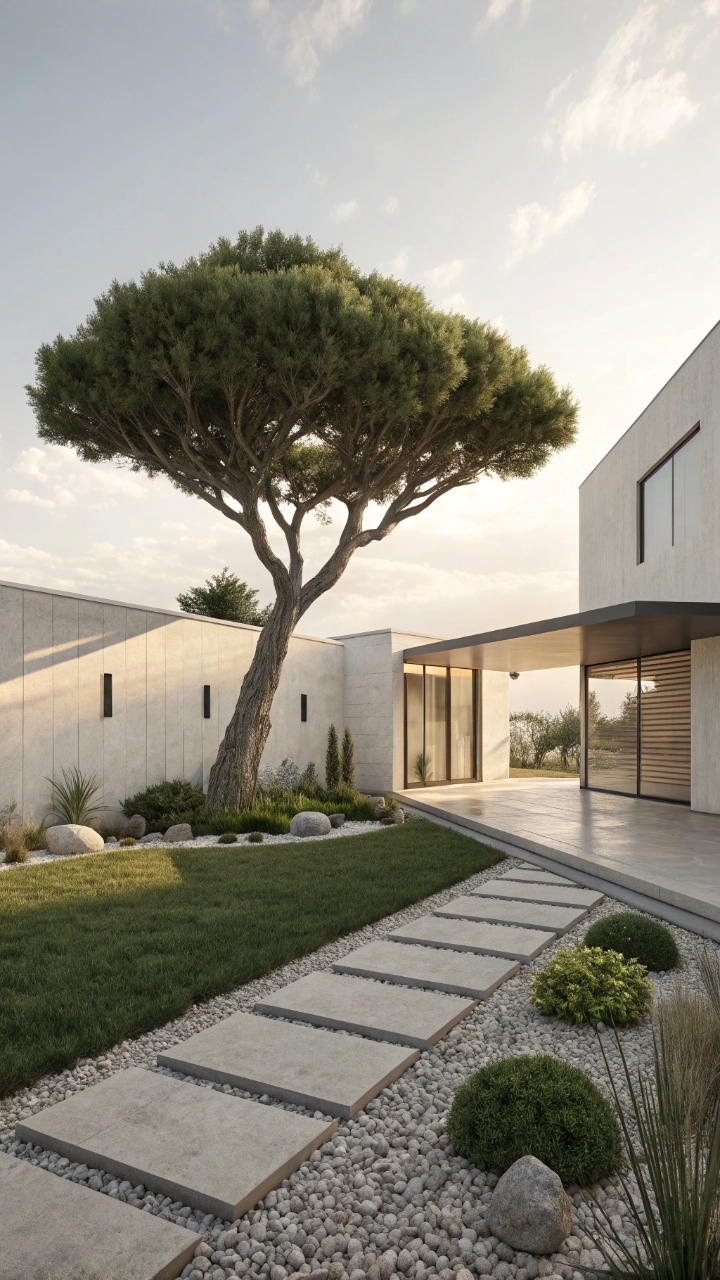
Instead of filling the yard with lots of small plants, I decided to anchor the space with one statement tree, and honestly, it changed the entire vibe. That single focal point draws your attention immediately and gives the yard a sense of purpose. I chose something with a sculptural shape, so it looks beautiful even when it’s not in bloom. It feels intentional, not overcrowded, and kind of elegant without being over the top. Isn’t it amazing how one strong feature can do all the talking?
Pro Tip: Pick a low-maintenance tree that suits your climate and won’t outgrow your space.
5. Use Neutral Tones for Hardscaping
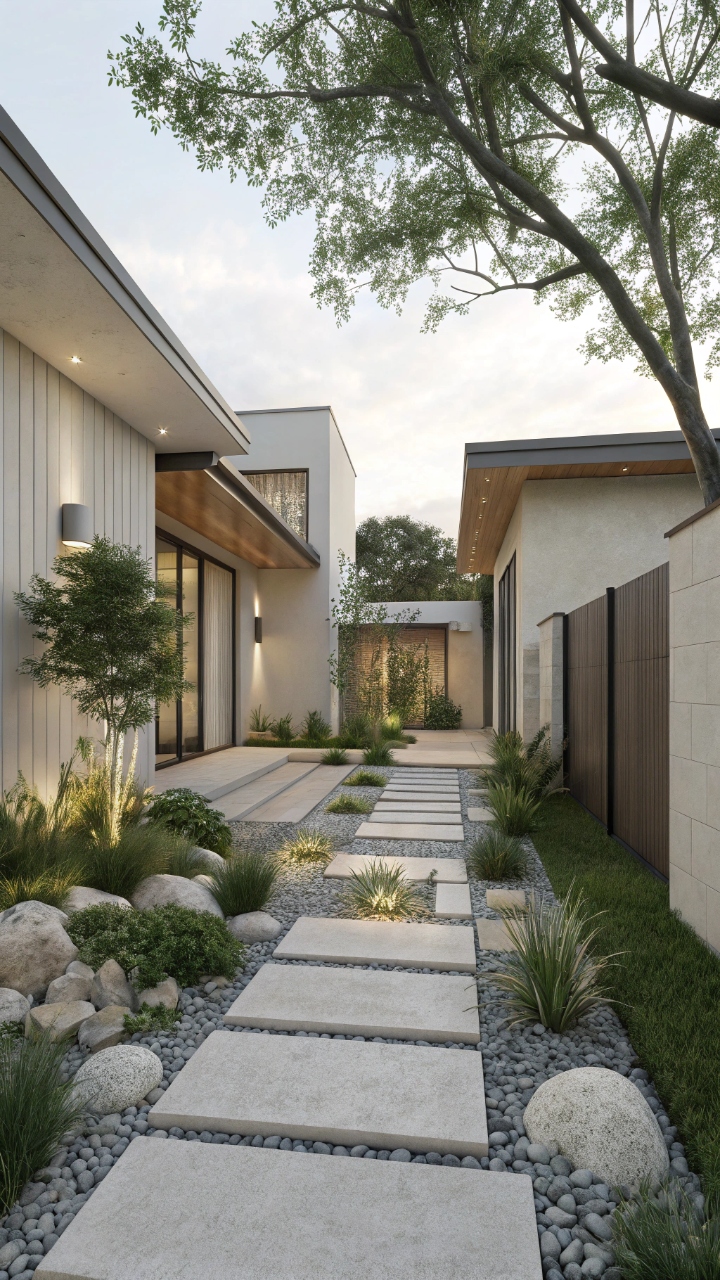
I leaned heavily into neutral tones for pathways and stones, and it created this soft, cohesive backdrop that lets the greenery shine. Think shades of gray, beige, and off-white—nothing too loud, just quietly stylish. It made everything feel more grounded and less busy, which is exactly what minimalist design is all about. The yard suddenly felt like a peaceful retreat instead of a mix of random elements. Don’t you love when everything just flows without trying too hard?
Pro Tip: Stick to one or two neutral tones to avoid visual clutter.
6. Create a Simple Pathway
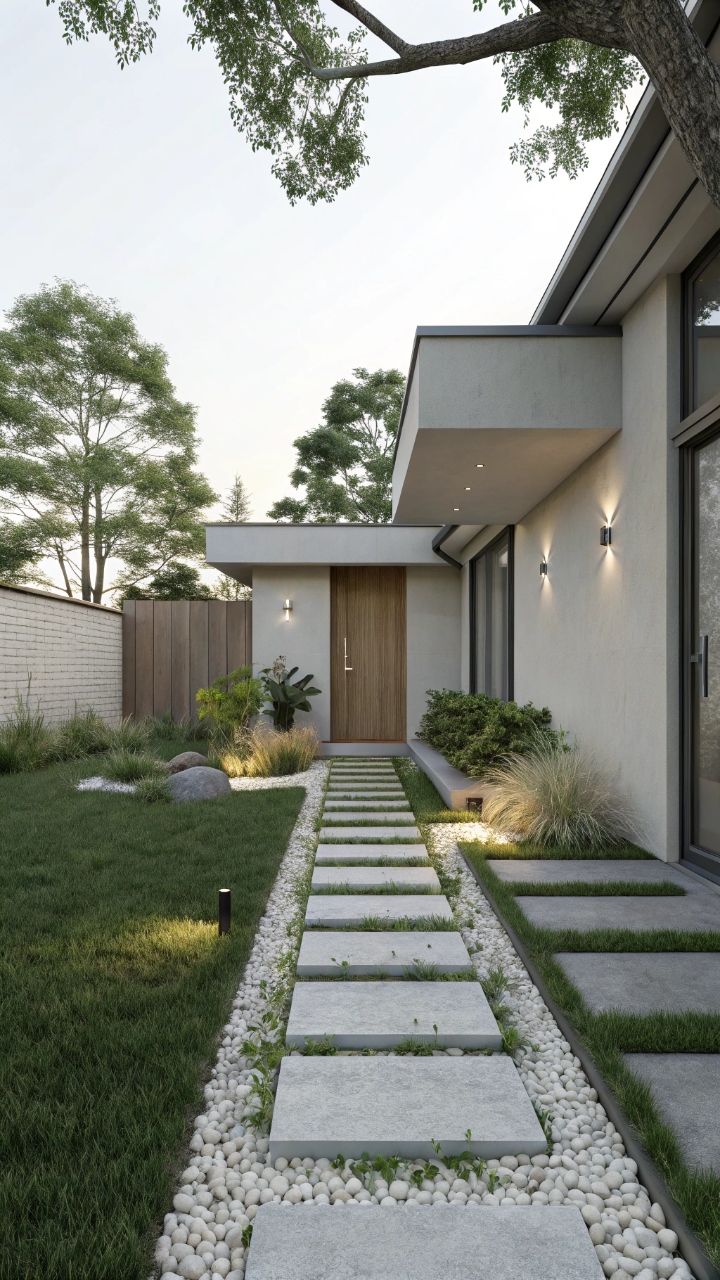
There’s something incredibly inviting about a clear, simple path leading to your front door—it subtly guides guests while adding structure to your yard. I kept mine straightforward with evenly spaced stepping stones, and it feels both functional and beautiful. No twists or complicated designs, just clean lines that do their job. It’s one of those details that quietly upgrades the entire look. Ever notice how a good pathway just makes everything feel more intentional?
Pro Tip: Space stepping stones evenly for a balanced, polished appearance.
7. Embrace Negative Space
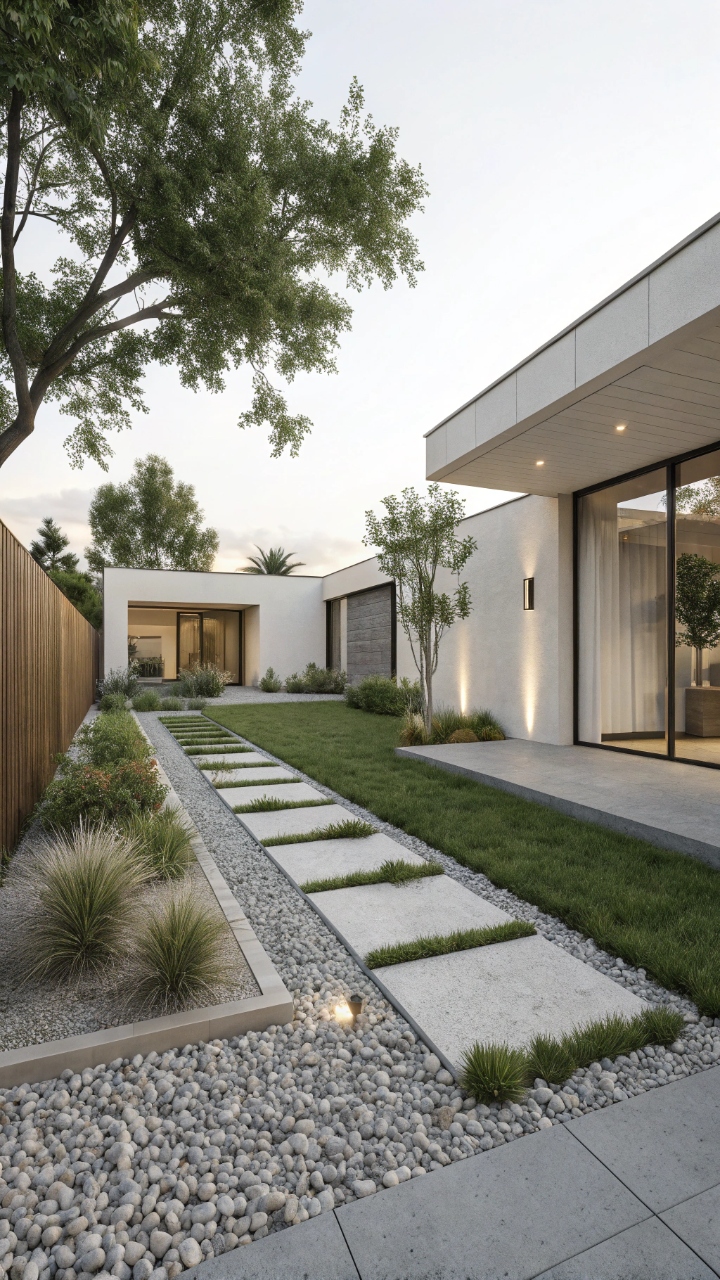
This was the hardest lesson for me, but also the most important—sometimes, you need to leave space empty on purpose. Negative space gives your eyes a place to rest and allows key features to stand out more. At first, it felt like I was missing something, but then I realized that simplicity is the whole point. The yard started to feel lighter, calmer, and honestly, a bit more sophisticated. Isn’t it funny how doing less can actually feel like more?
Pro Tip: Don’t feel the need to fill every corner—let open space be part of your design.
8. Install Low-Maintenance Plants
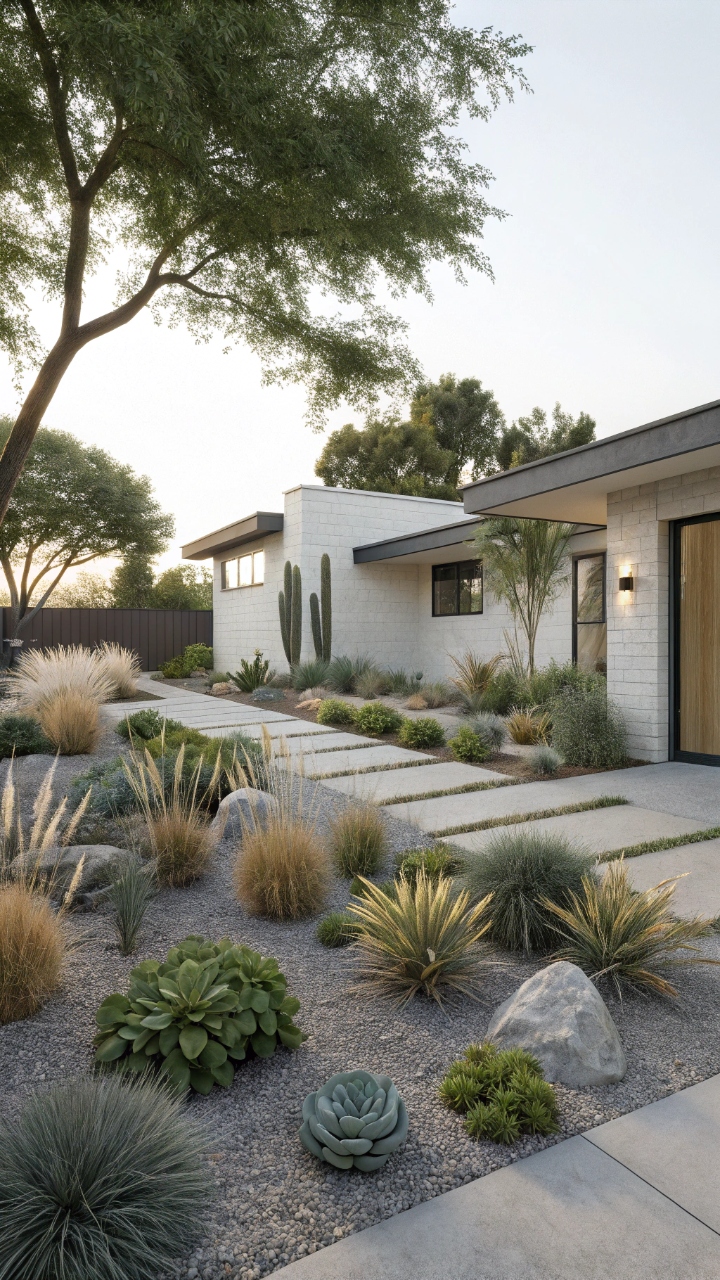
I swapped out high-maintenance plants for ones that practically take care of themselves, and it was such a game-changer. Think hardy shrubs, succulents, and grasses that thrive without constant attention. It made my life easier and kept the yard looking fresh with minimal effort. No more stressing over watering schedules or pruning every weekend—yes, please. Who doesn’t want a yard that looks good without all the extra work?
Pro Tip: Choose native plants whenever possible for easier upkeep and better sustainability.
9. Add Subtle Lighting
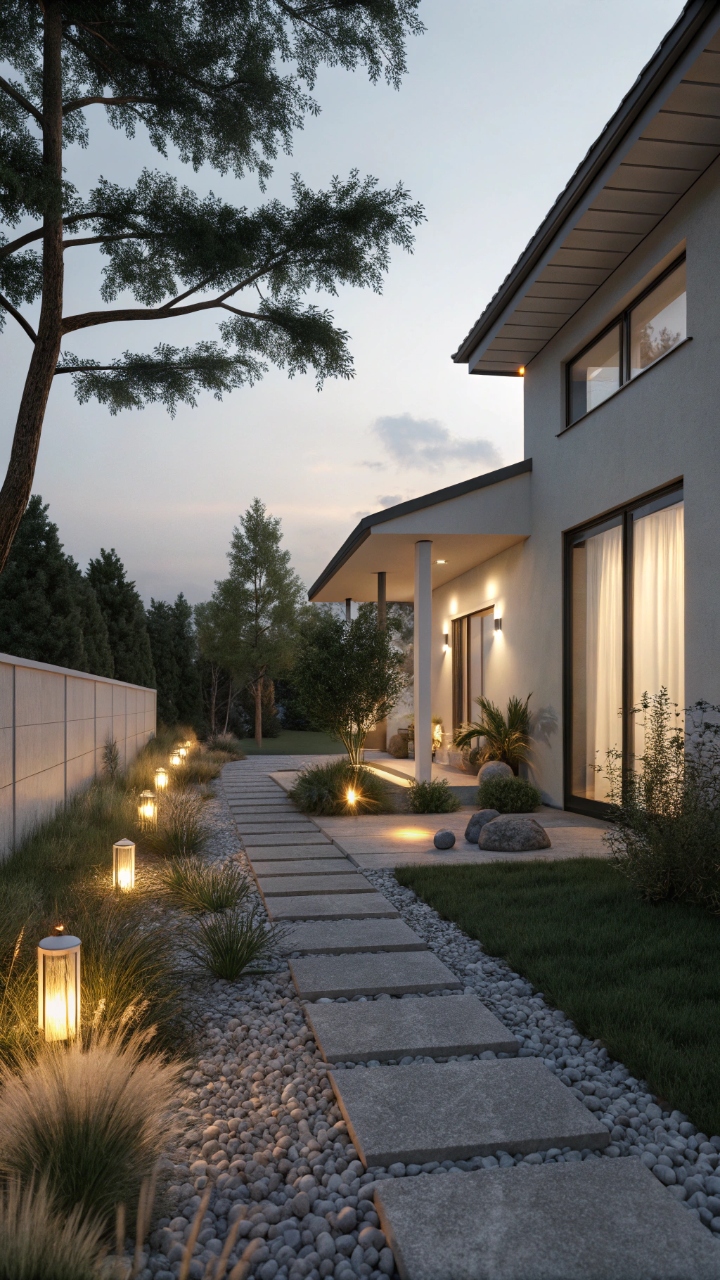
Soft outdoor lighting added this cozy, welcoming glow that makes the yard feel just as beautiful at night as it does during the day. I kept it minimal with a few well-placed lights along the pathway and near the main plant features. It’s not about brightness—it’s about ambiance. The effect is subtle but totally transforms the space after sunset. Doesn’t that warm glow just make everything feel a little more magical?
Pro Tip: Use warm white lights to maintain a soft, inviting atmosphere.
10. Keep the Lawn Simple and Tidy
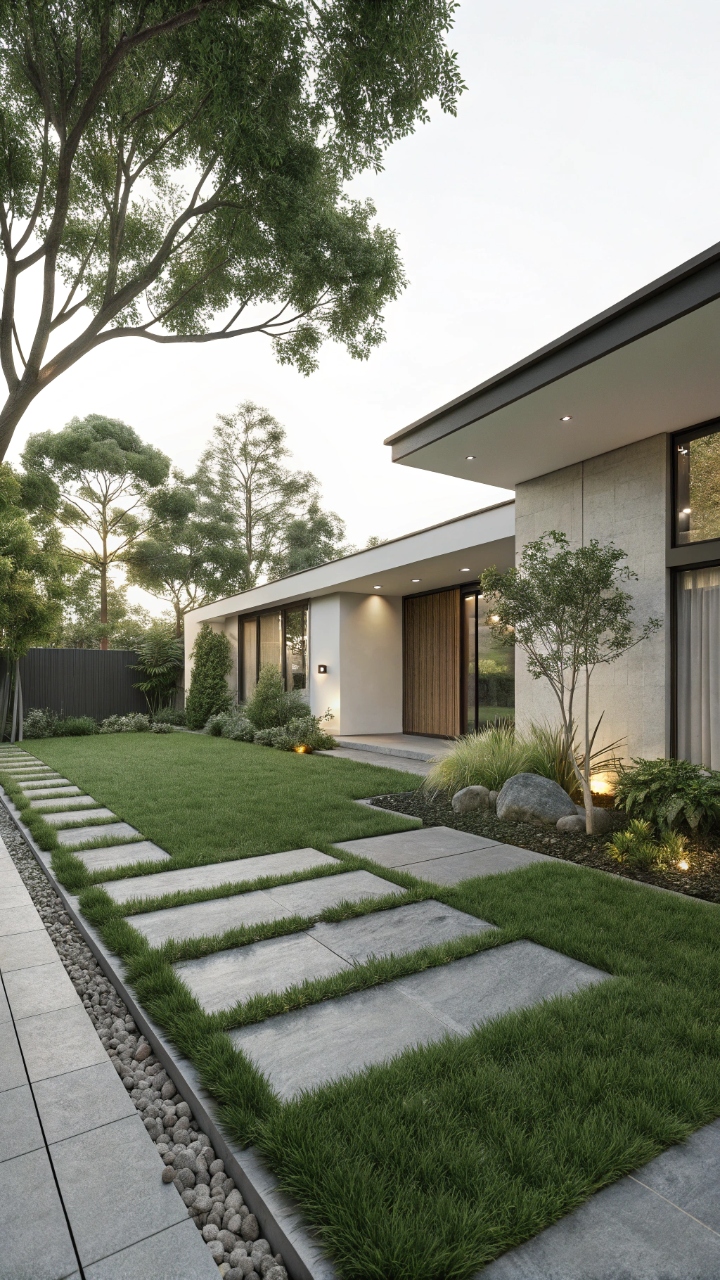
Instead of trying to achieve a perfect, lush lawn, I focused on keeping it neat and well-maintained, and that alone made a huge difference. Regular trimming and clean edges gave it a polished look without overthinking it. It’s simple, but it works—and sometimes that’s all you need. The yard feels fresh and put together without being high-maintenance. Isn’t it nice when simple just works? Pro Tip: Mow regularly and keep edges sharp for a consistently clean appearance.
11. Use Symmetry for Balance
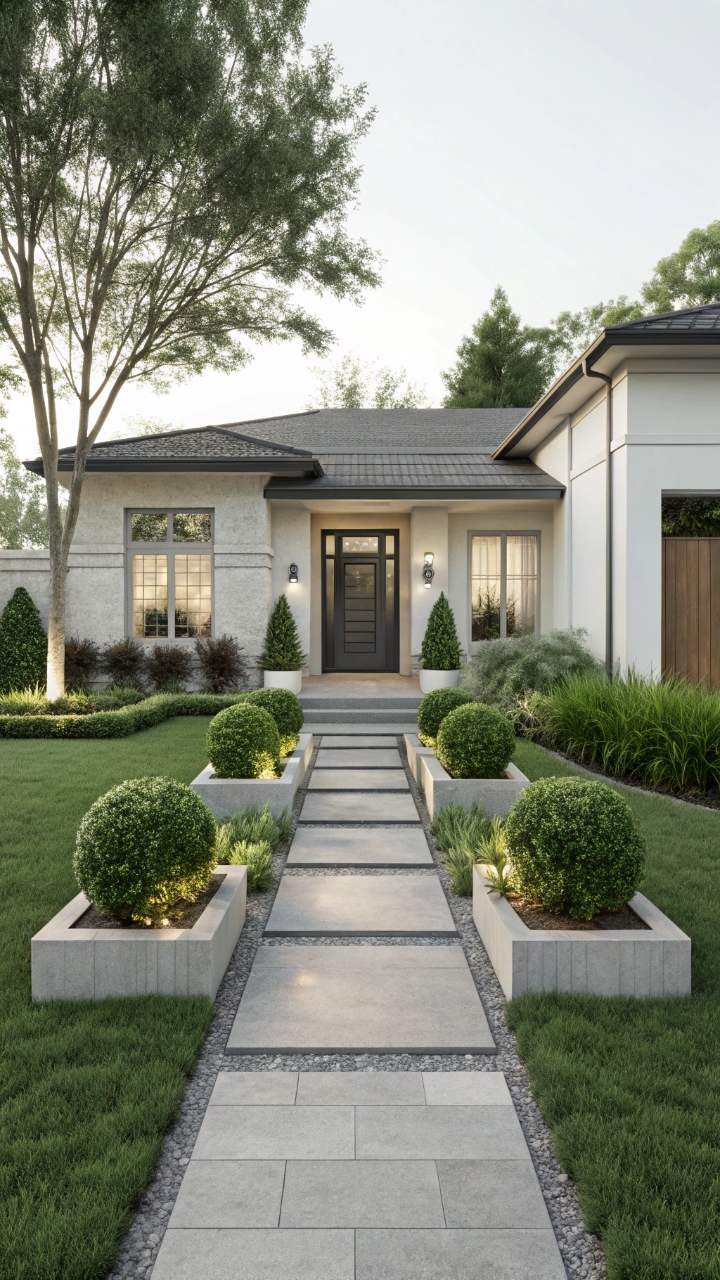
Symmetry brought a sense of calm and order that I didn’t even realize my yard needed. Matching plants or features on either side of the entrance created this balanced, harmonious feel. It’s subtle but powerful, like everything just falls into place visually. The space feels more intentional and welcoming, which is exactly the goal. Don’t you love when things just feel right without overthinking it?
Pro Tip: Use pairs of plants or decor elements to create easy symmetry.
12. Incorporate Wooden Elements
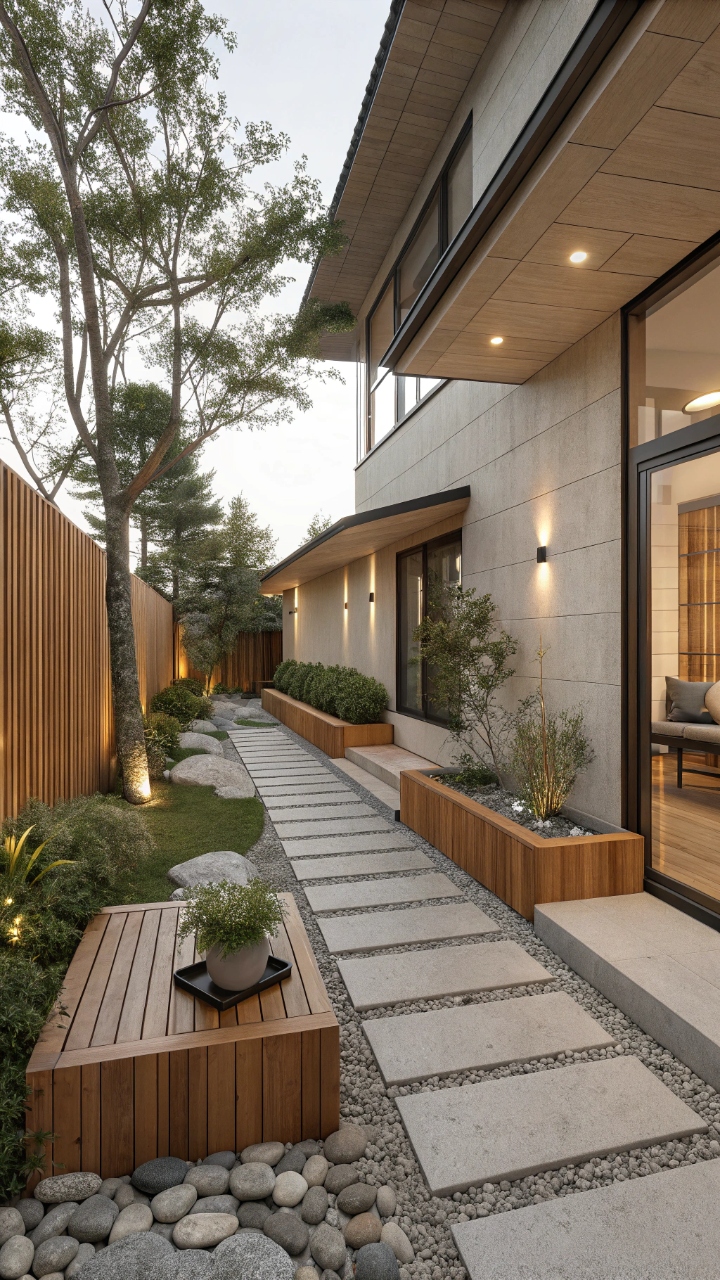
Adding touches of wood brought warmth and texture that softened the minimalist look in the best way. Whether it’s a small bench, planter boxes, or even a fence detail, wood adds that natural, cozy vibe. It keeps the yard from feeling too cold or stark. The contrast between wood and stone is just chef’s kiss—it works every time. Doesn’t it make the space feel more inviting instantly?
Pro Tip: Choose weather-resistant wood to ensure durability.
13. Add a Minimalist Seating Area
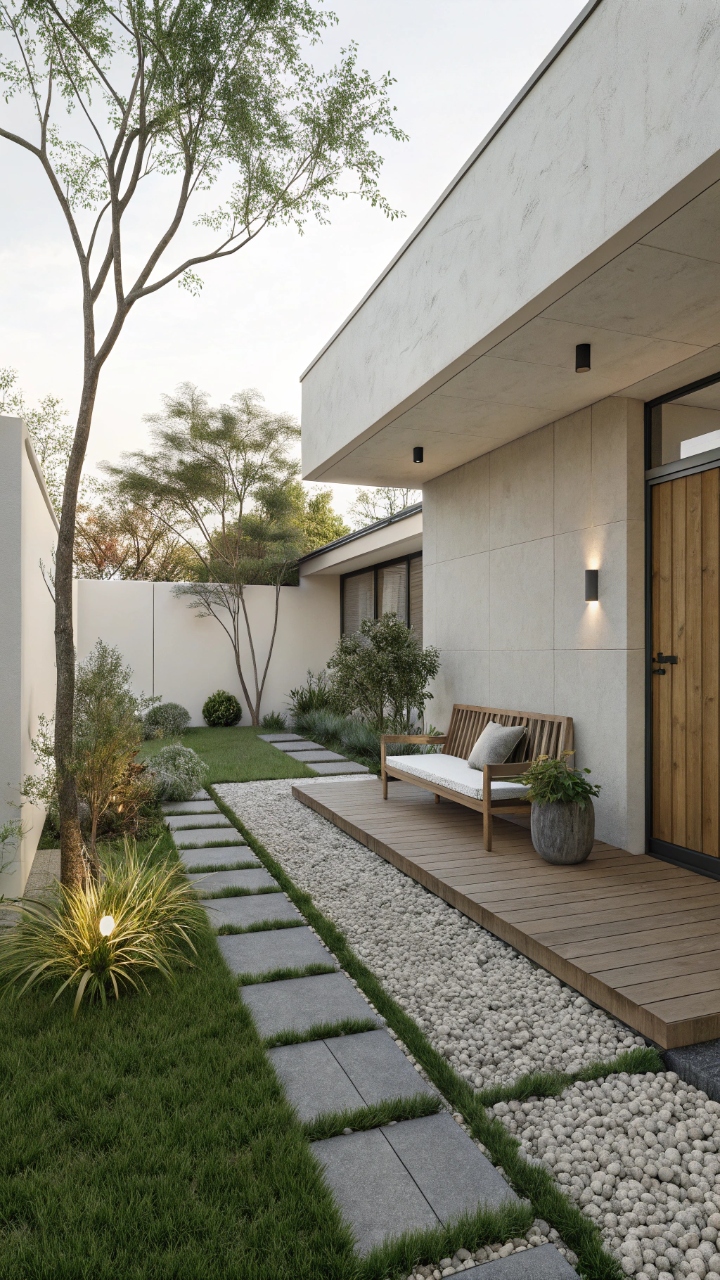
Creating a small seating area turned my front yard into a place I actually wanted to spend time in, not just pass through. I kept it simple with one bench and a clean backdrop, and it feels surprisingly luxurious. It’s the perfect spot for morning coffee or a quiet moment in the evening. Sometimes, the simplest setups feel the most special. Have you ever just sat outside and thought, yeah, this is nice?
Pro Tip: Keep seating minimal and functional to maintain a clutter-free look.
14. Keep Decor Intentional and Minimal
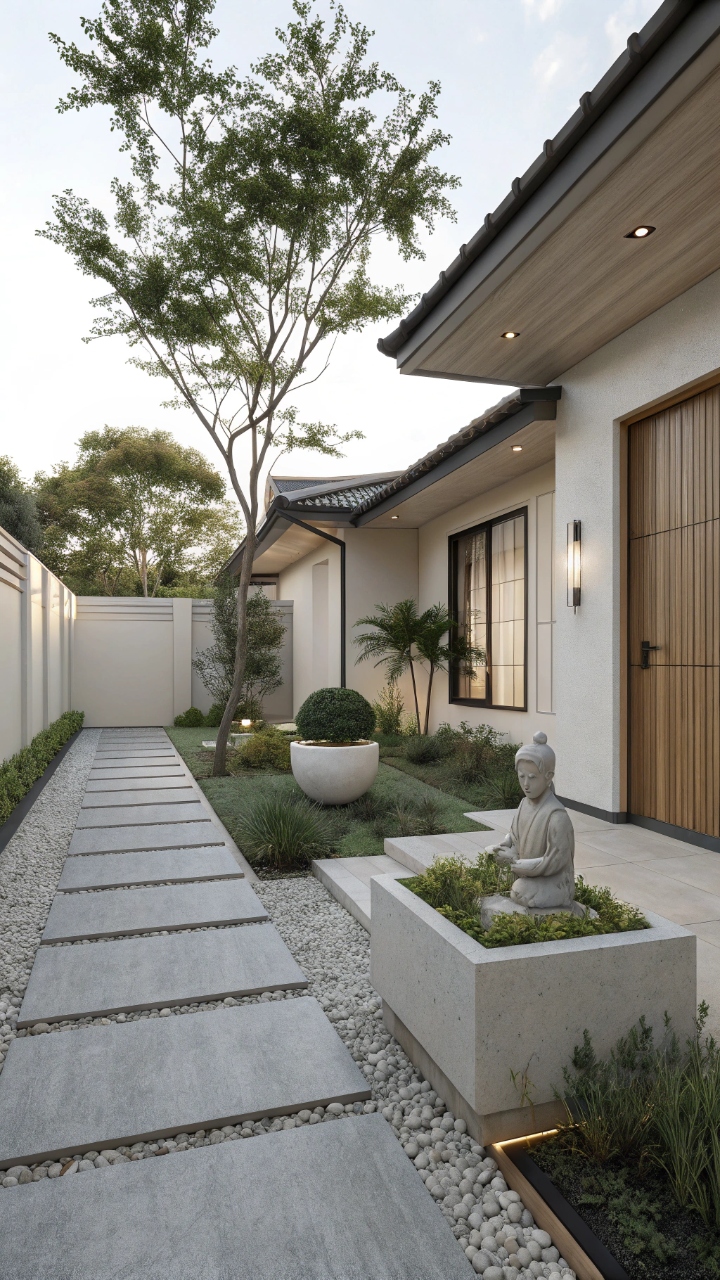
I used to be tempted to add little decorative pieces everywhere, but pulling back made everything feel more refined and thoughtful. Now, every item has a purpose and a place, which makes the yard feel curated instead of cluttered. A single planter or sculpture can say more than a dozen small items ever could. It’s all about quality over quantity—no extras needed. Isn’t it refreshing when less actually feels like enough?
Pro Tip: Choose one or two standout decor pieces and let them shine.
Conclusion
In the end, minimalist landscaping isn’t about stripping your yard down until it feels empty—it’s about creating a space that feels calm, intentional, and genuinely enjoyable. It’s about walking up to your home and feeling that quiet sense of satisfaction, like everything is exactly where it should be. I didn’t realize how much my front yard affected my mood until I transformed it into something simpler and more peaceful. Now, it feels like a soft welcome home every single day, and honestly, that’s priceless.
If you’re feeling overwhelmed by your front yard, start small and trust the process. You don’t need to do everything at once, and you definitely don’t need to overcomplicate it. Focus on what feels right, keep things simple, and let your space evolve naturally. Before you know it, you’ll have a front yard that feels not just beautiful, but truly yours—and that’s the whole point, right?
Leave a Reply