I used to think a garden needed full, golden sunshine to feel alive, like those magazine-perfect backyards that seem to glow all day long. But my own space told a different story, tucked behind tall walls and shaded by a stubborn old tree that refused to let light in. At first, I fought it, trying sun-loving plants that wilted faster than my patience on a hot afternoon. Eventually, I realized I wasn’t working with my space—I was working against it. And honestly, once I leaned into the shade, everything changed in the most beautiful way.
There’s something unexpectedly magical about a shady garden, like stepping into a quiet retreat where the air feels cooler and the colors feel deeper. Instead of harsh sunlight, you get soft, filtered light that dances across leaves and makes textures pop in ways you don’t expect. I remember the first time I planted a few shade perennials and watched them actually thrive—it felt like I had finally cracked the code. No more struggling plants, no more constant disappointment, just lush greenery that seemed perfectly at home. And let me tell you, it was such a vibe.
If your outdoor space leans more shadowy than sunny, you’re not stuck—you’re actually sitting on a hidden opportunity. Shade gardens have their own kind of drama, full of rich foliage, delicate blooms, and layers that feel almost cinematic. The trick is choosing plants that don’t just tolerate shade but absolutely love it. Once you do, your garden transforms into something calm, cozy, and honestly kind of enchanting. So if you’ve been side-eyeing that dark corner of your yard, this list might just change your whole perspective.
Hosta
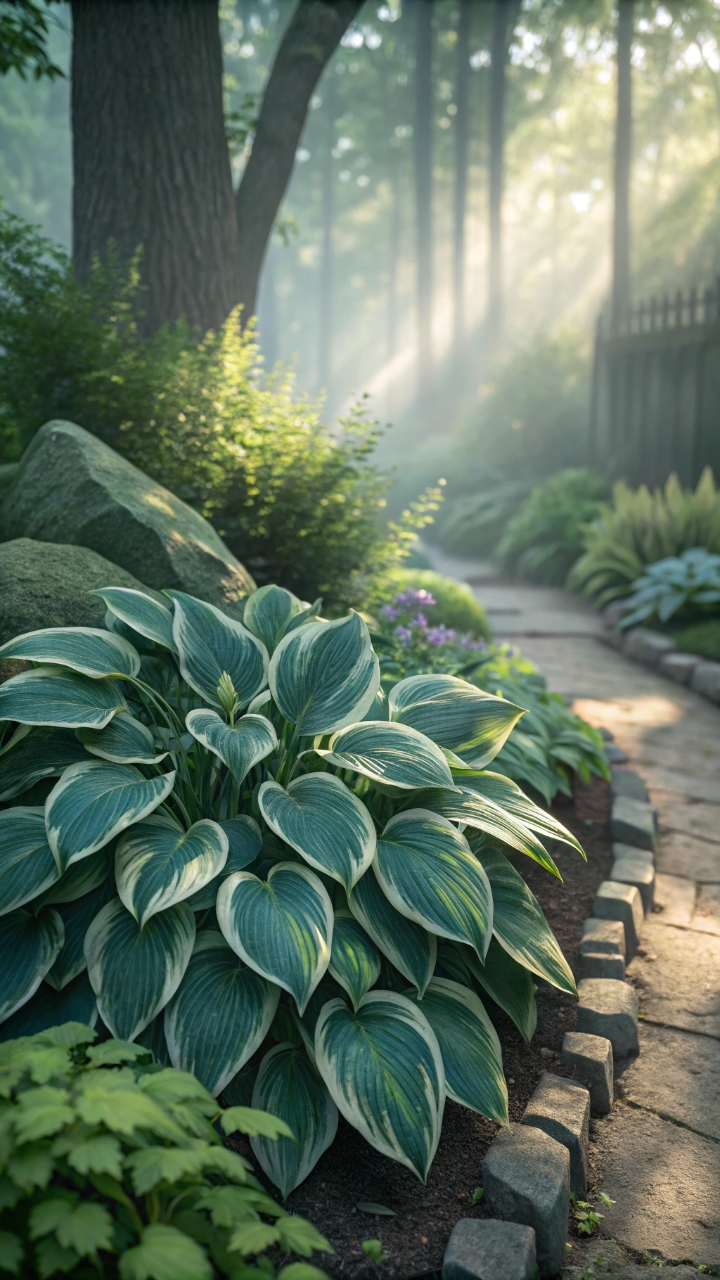
Hostas are basically the queens of shade, and once you plant one, you’ll wonder why you waited so long to join the club. Their broad, lush leaves come in shades of green, blue, and even variegated patterns that catch soft light like artwork. I love how they instantly make a space feel full and grounded, like the backbone of a cozy garden corner. They’re low-maintenance too, which is a total win if you don’t want to babysit your plants every day. And when those delicate flower stalks pop up, it feels like a quiet little celebration. Isn’t it amazing how something so simple can feel so luxurious?
Pro Tip: Plant hostas in groups for a fuller, layered look that feels intentional and lush.
Astilbe
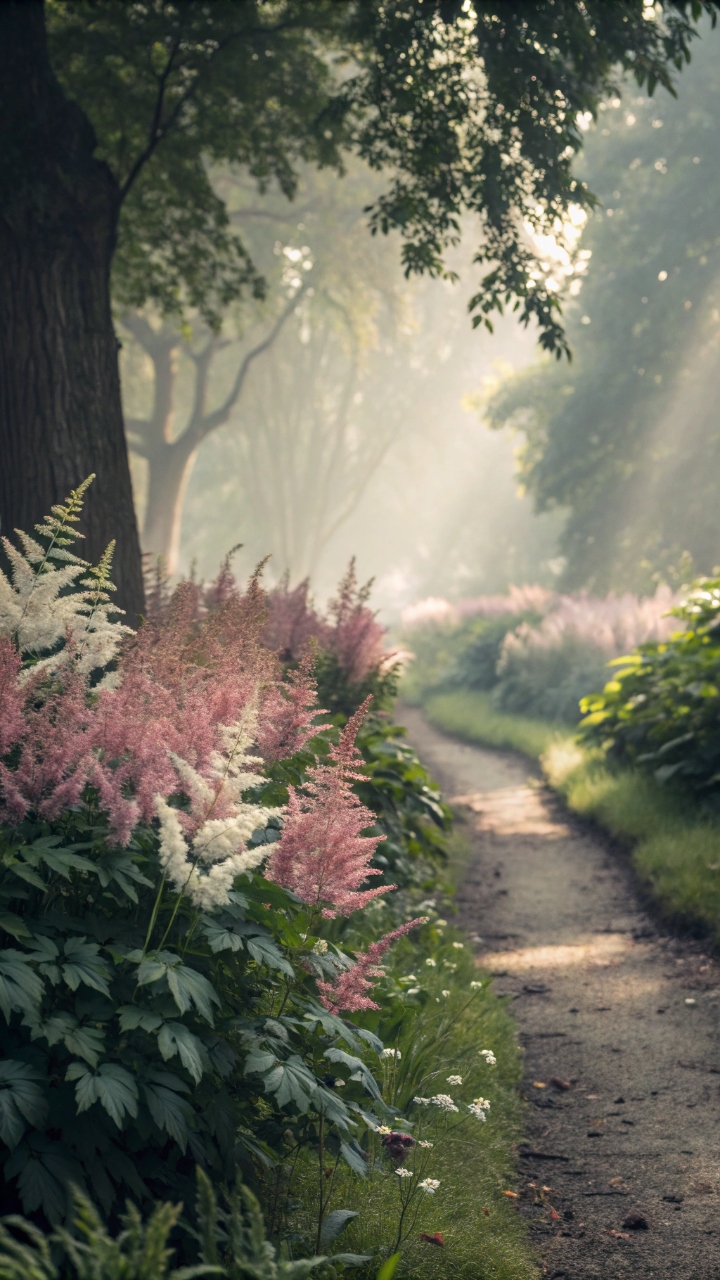
Astilbe brings that soft, feathery elegance that makes a shady garden feel almost dreamy. The plume-like flowers in pinks, whites, and reds rise above fern-like foliage, creating movement even on still days. I remember planting these along a shaded path, and suddenly the whole area felt lighter, almost like it had been styled on purpose. They thrive in moist soil, which is perfect if your shady spot tends to stay a little damp. And honestly, who doesn’t love a plant that looks fancy without being high-maintenance? It’s giving effortless beauty in the best way.
Pro Tip: Keep the soil consistently moist to maintain those vibrant, fluffy blooms.
Ferns
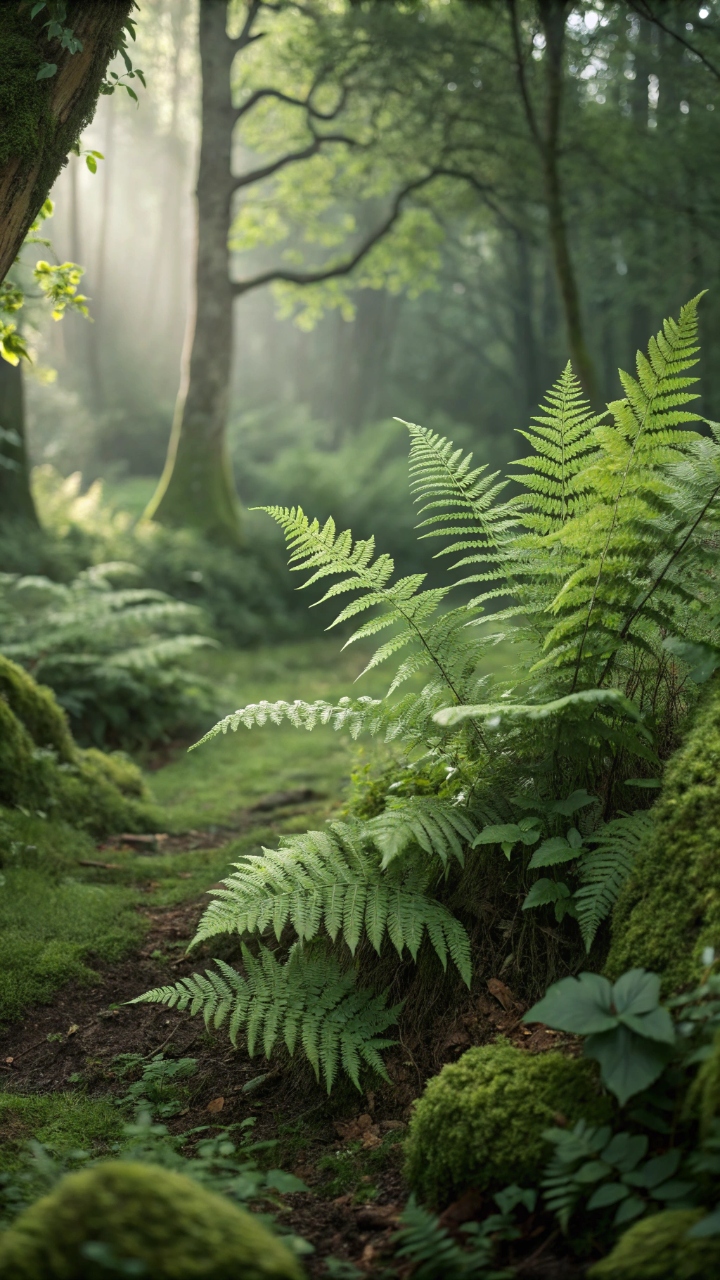
Ferns are the ultimate go-to when you want that lush, woodland feel without overthinking it. Their delicate, arching fronds create layers that make your garden feel deeper and more textured. I always think of them as the quiet fillers that tie everything together, like the background music you didn’t realize you needed. They thrive in shade and humidity, making them perfect for those tricky spots where other plants struggle. And honestly, there’s something calming about their soft, repeating patterns. Doesn’t a garden feel more alive when it has that natural, slightly wild look?
Pro Tip: Mix different fern varieties to add contrast and visual interest.
Bleeding Heart
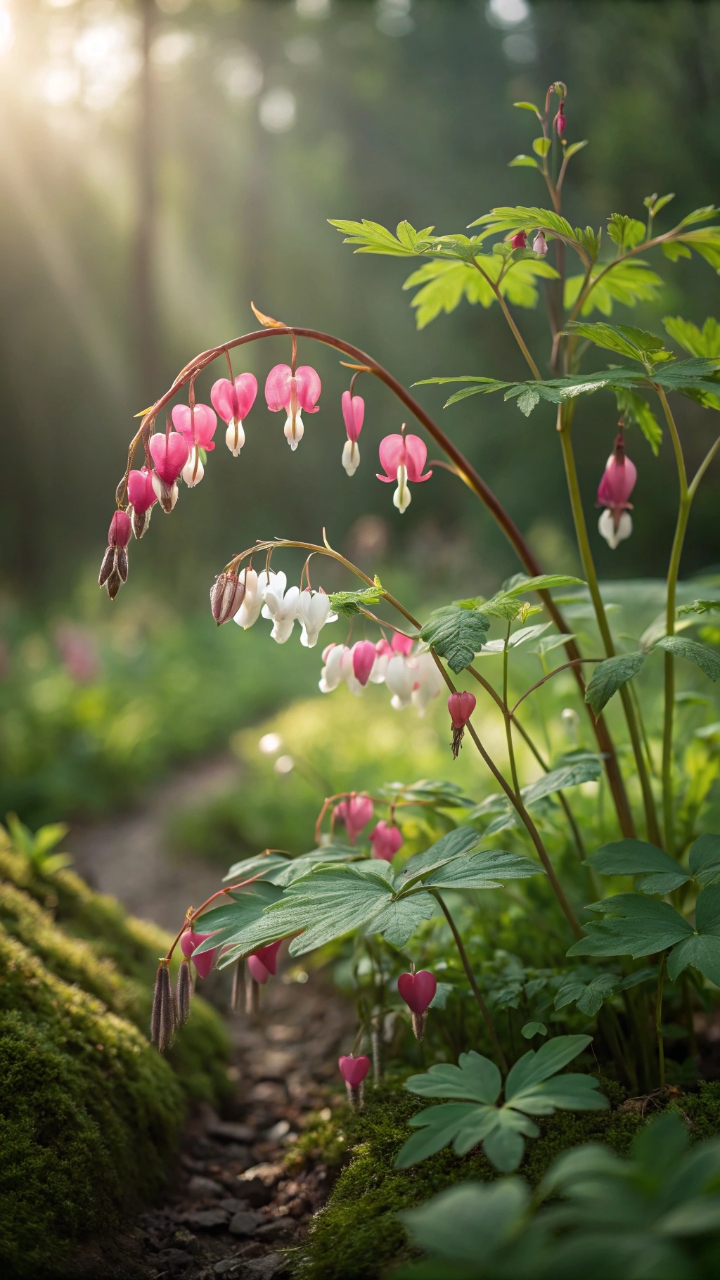
Bleeding hearts feel like something straight out of a storybook, with their delicate, heart-shaped flowers dangling from graceful stems. The first time I saw them bloom, I actually stopped mid-step because they looked almost unreal. They thrive in cool, shaded areas, making them perfect for gardens that never quite see the sun. Their soft pink and white blooms add a romantic touch that feels both nostalgic and fresh. And even when they fade, their foliage still adds beauty to the space. Isn’t it wild how a plant can feel this poetic?
Pro Tip: Pair with late-season plants to fill the gap when bleeding hearts go dormant.
Heuchera (Coral Bells)
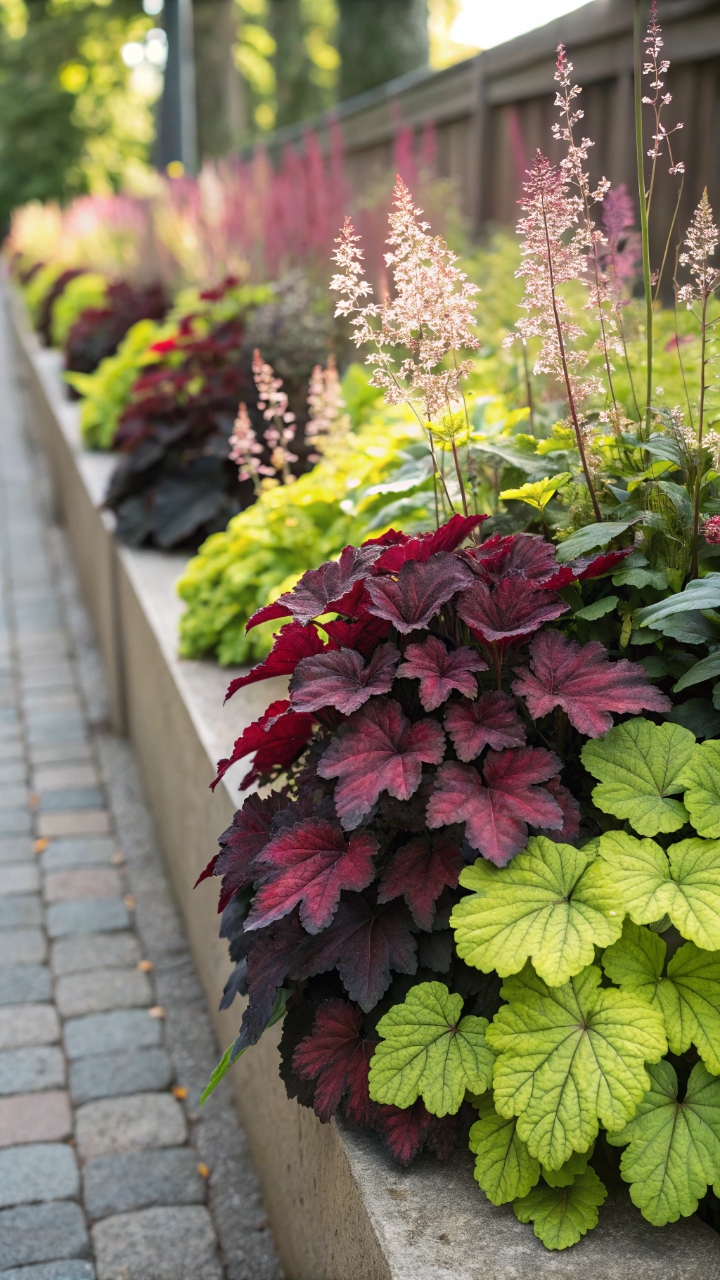
Heuchera is all about that bold foliage game, with leaves in shades of burgundy, lime, and even near-black. If your garden feels a little flat, these plants bring instant personality and contrast. I love using them to break up all the green—it’s like adding accessories to an outfit. They’re compact but impactful, making them perfect for borders or containers. Plus, their tiny bell-shaped flowers add a subtle bonus without stealing the spotlight. Why settle for plain when you can have this kind of color?
Pro Tip: Use contrasting leaf colors to create a more dynamic garden design.
Lungwort (Pulmonaria)
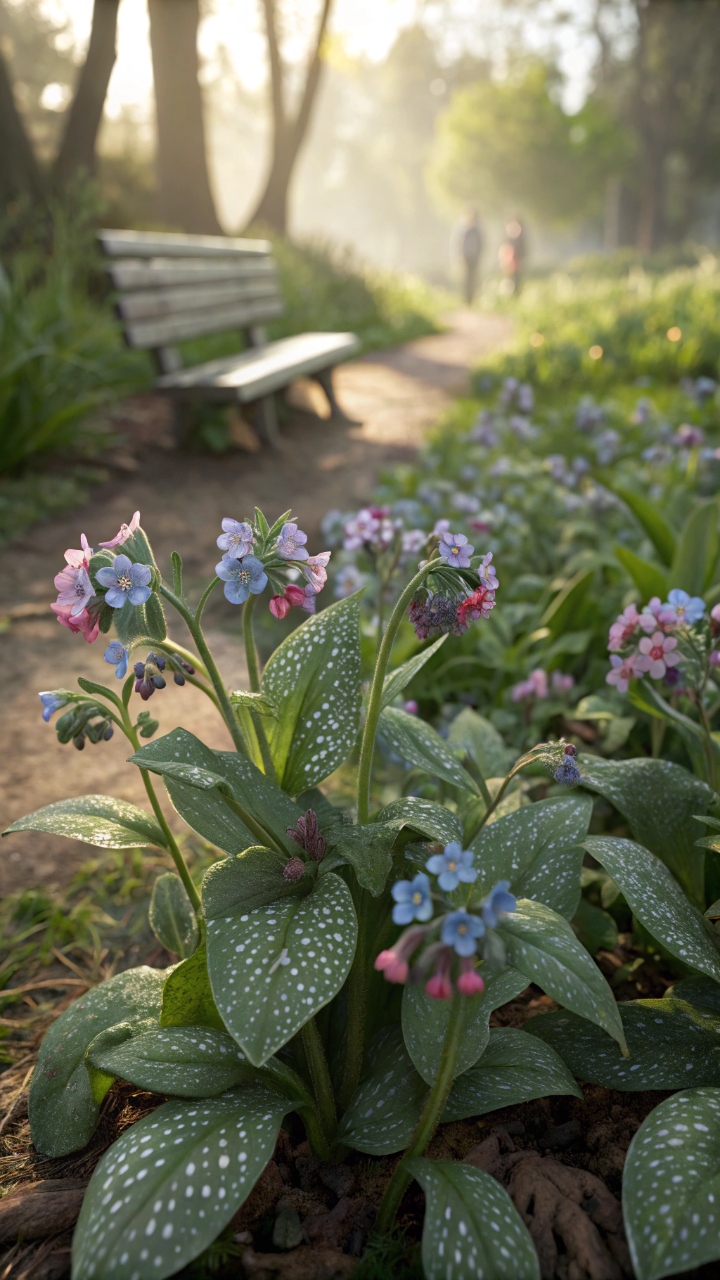
Lungwort might have a quirky name, but it delivers serious charm with its spotted leaves and early spring flowers. The mix of pink and blue blooms on the same plant feels almost magical, like nature couldn’t decide and just said, why not both? I planted these once near a shaded bench, and they made the whole area feel more inviting. They’re hardy, reliable, and perfect for adding interest before other plants wake up. And those silver-speckled leaves? Total show-stealers.
Pro Tip: Plant in clusters to highlight the unique leaf patterns.
Japanese Forest Grass
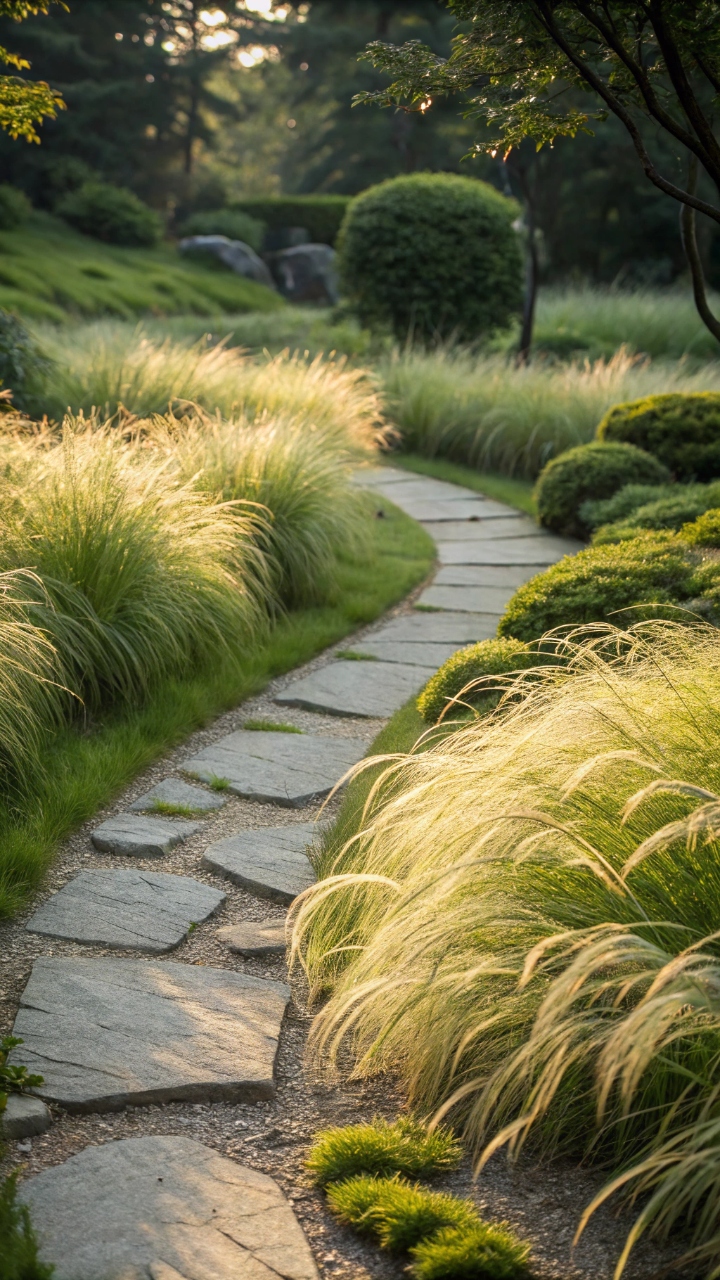
Japanese forest grass adds movement and softness, with arching blades that seem to flow like water. It’s one of those plants that instantly elevates a space, making it feel more curated and intentional. I love how it catches even the slightest breeze, adding life to quiet corners. The golden varieties especially brighten up shady areas without needing direct sun. It’s subtle, but it makes a huge difference. Doesn’t your garden deserve a little drama?
Pro Tip: Place along pathways to create a soft, flowing border effect.
Brunnera
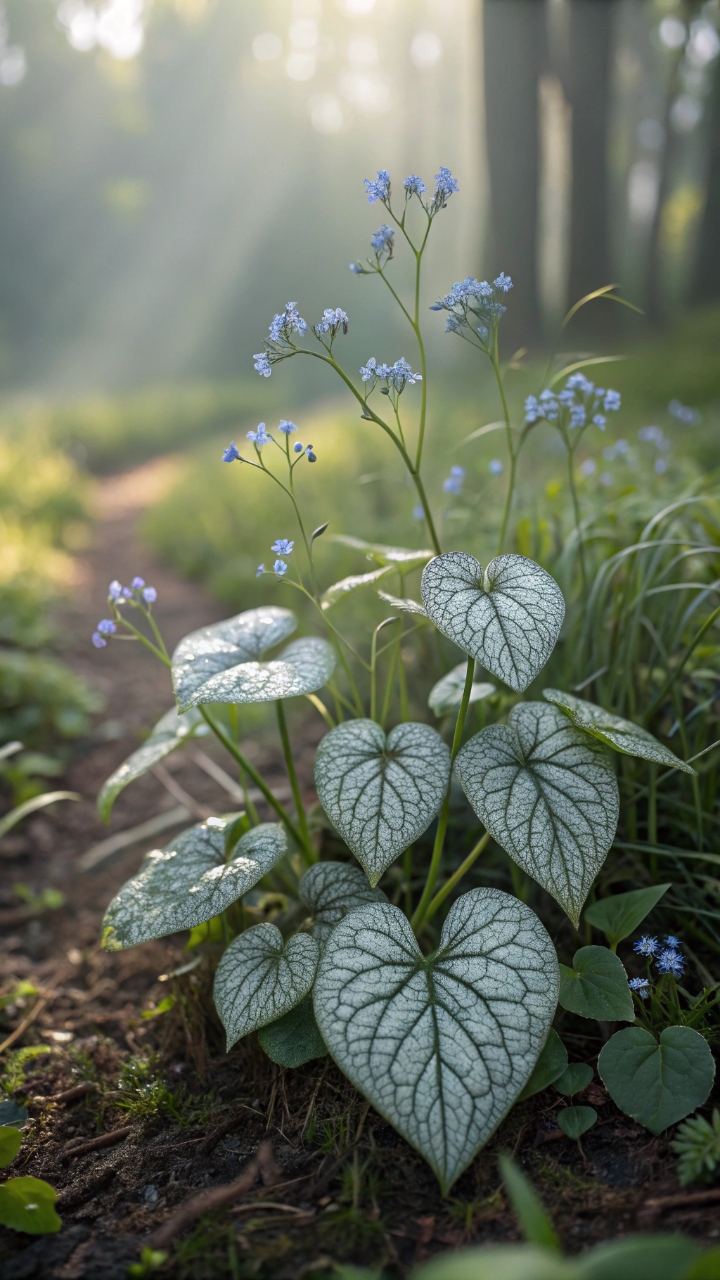
Brunnera is like the shade garden’s answer to forget-me-nots, with tiny blue flowers that hover above heart-shaped leaves. The foliage alone is worth it, often marked with silver patterns that reflect light beautifully. I remember thinking it looked almost frosted in the morning, which felt so unexpected in a shady spot. It’s one of those plants that quietly steals the show without demanding attention. And honestly, those little blue blooms are just adorable.
Pro Tip: Choose variegated varieties to brighten darker areas.
Toad Lily
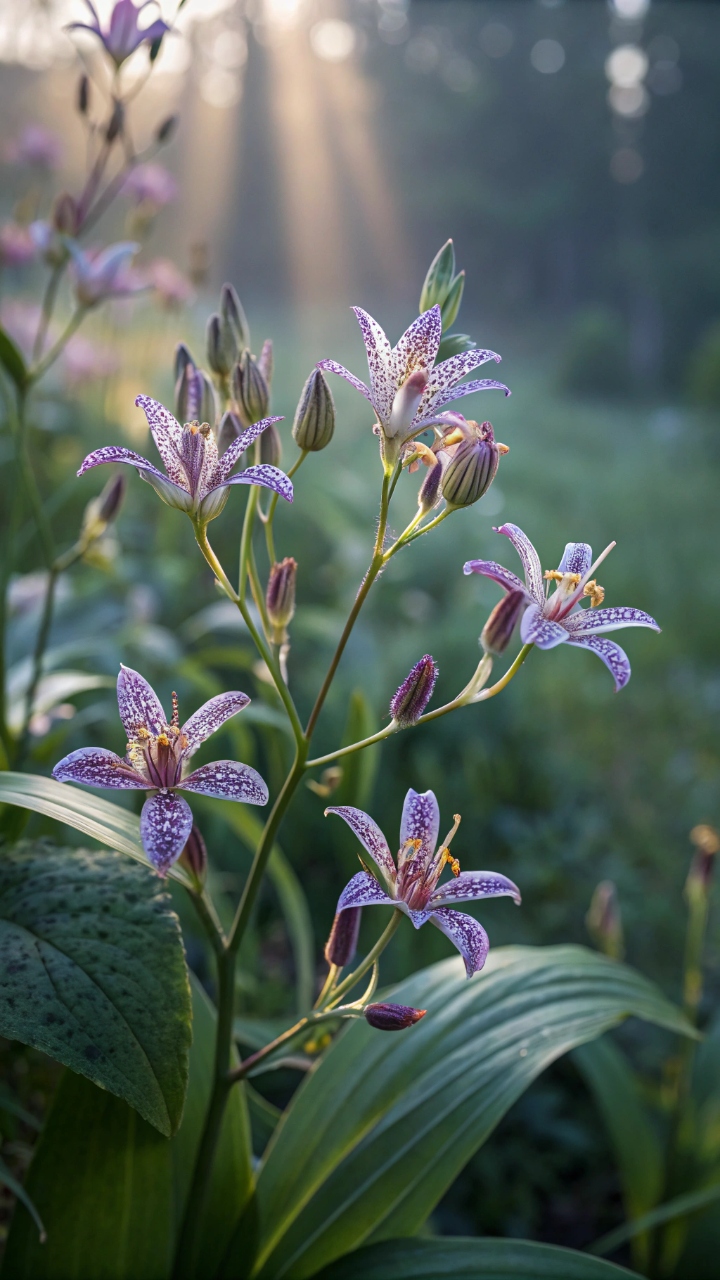
Toad lilies are the surprise guests of the garden, blooming late in the season with intricate, orchid-like flowers. The first time I noticed them, I had to lean in closer because they’re so detailed and unique. They thrive in shade and add interest when most other plants are winding down. It’s like getting a bonus round of beauty just when you thought the show was over. And really, who doesn’t love a late-season glow-up?
Pro Tip: Plant where you can see the flowers up close—they deserve attention.
Foamflower (Tiarella)
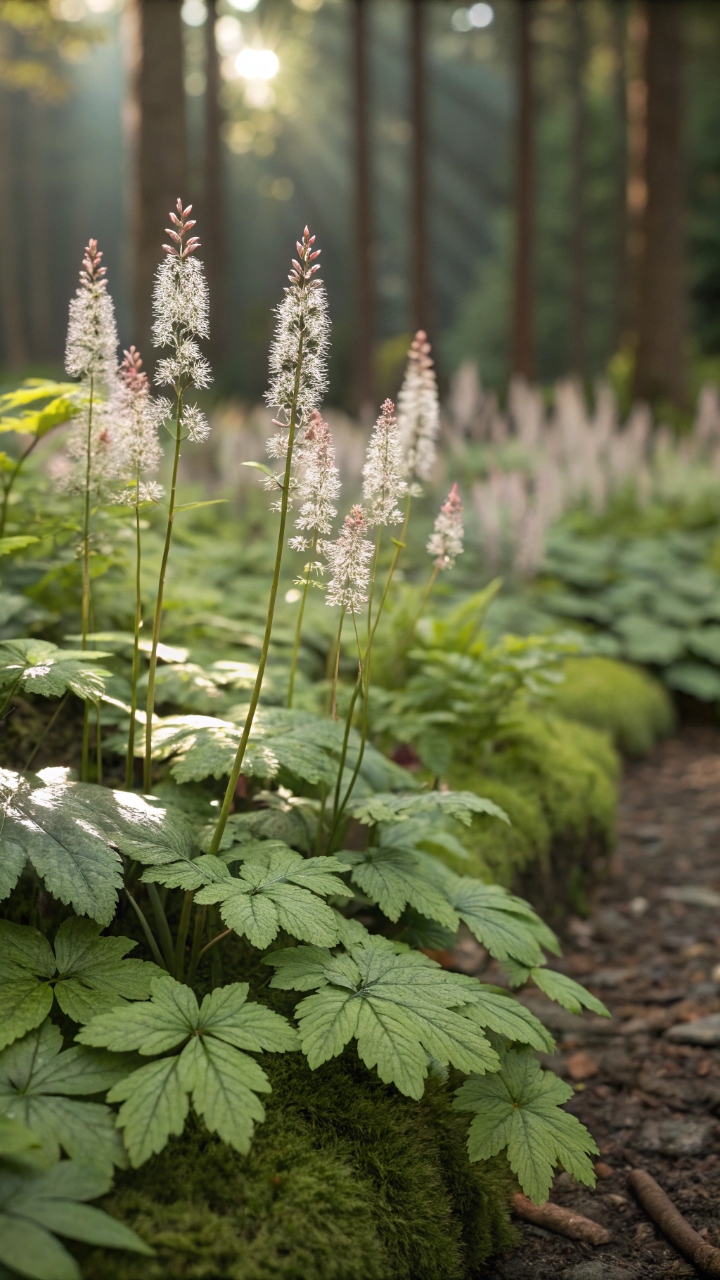
Foamflower brings a soft, airy quality with its delicate spikes of white or pink blooms. It pairs beautifully with ferns and hostas, creating a layered, cohesive look. I love how it fills gaps without feeling heavy or overwhelming. The foliage often has interesting patterns too, adding depth even when it’s not in bloom. It’s subtle but essential, like the perfect finishing touch. Isn’t it amazing how the smallest details can pull everything together?
Pro Tip: Use as a ground cover to create a seamless, natural look.
Solomon’s Seal
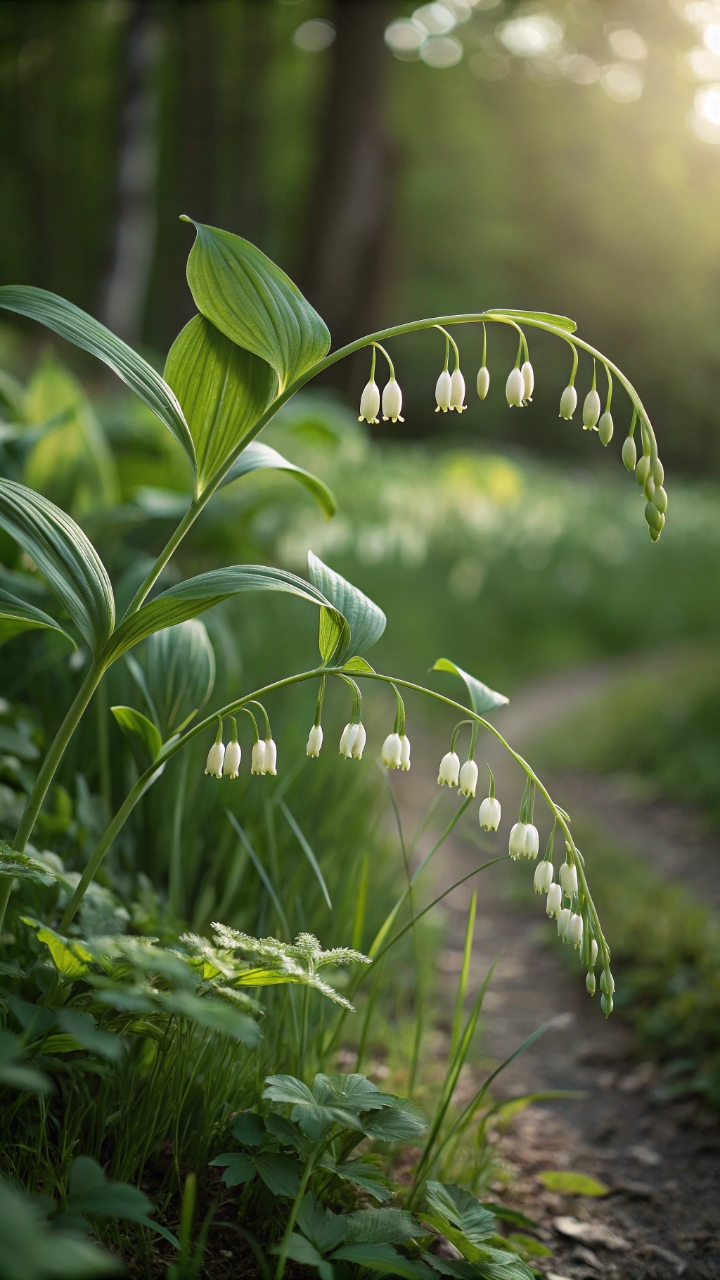
Solomon’s seal has this graceful, arching form that feels almost architectural in a soft, natural way. The dangling white flowers add a delicate charm, while the leaves create clean lines that guide the eye. I’ve always loved how it brings structure without feeling stiff or formal. It thrives in shade and spreads gently over time, making it a great long-term addition. And honestly, it just looks so elegant without trying too hard.
Pro Tip: Let it naturalize for a fuller, more established appearance.
Hellebore (Lenten Rose)
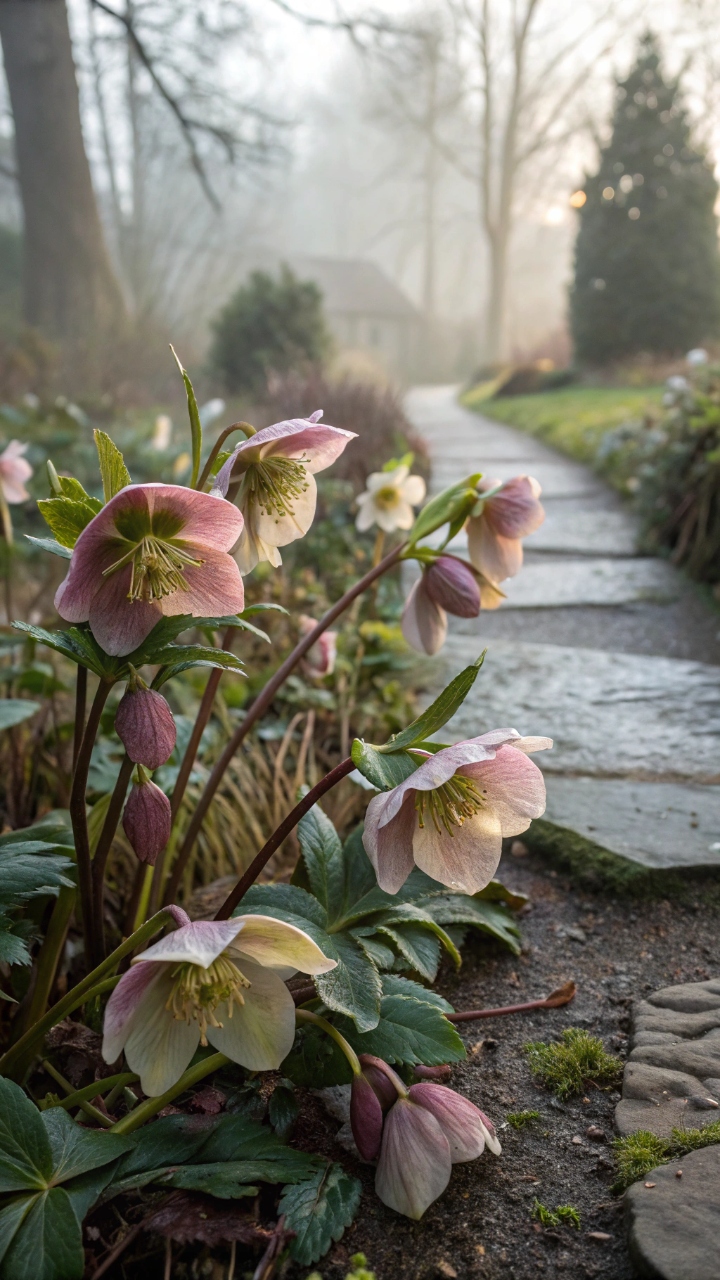
Hellebores bloom when almost nothing else does, often pushing through late winter with quiet determination. Their nodding flowers in muted tones feel sophisticated and timeless. I remember spotting them one chilly morning and feeling like spring had sent a secret message. They thrive in shade and keep their foliage year-round, adding consistent beauty. It’s like having a plant that always shows up for you.
Pro Tip: Plant near entryways so you can enjoy early blooms up close.
Lamium (Dead Nettle)
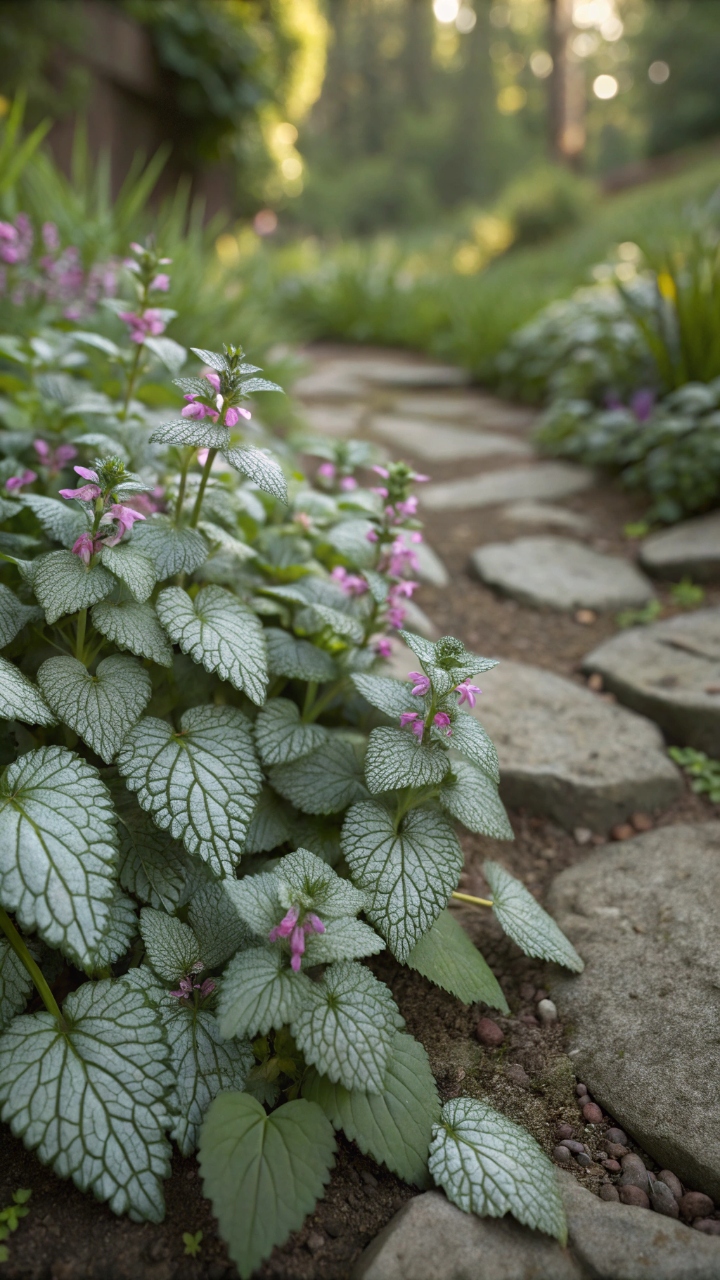
Lamium is a hardworking ground cover that brightens shady spots with silver-patterned leaves and small flowers. It spreads easily, filling in gaps and softening edges in a way that feels effortless. I’ve used it to tie different areas together, and it always delivers. It’s low-maintenance, reliable, and honestly kind of underrated. Sometimes the simplest plants end up being the most useful, right?
Pro Tip: Trim occasionally to keep it neat and prevent overgrowth.
Bergenia
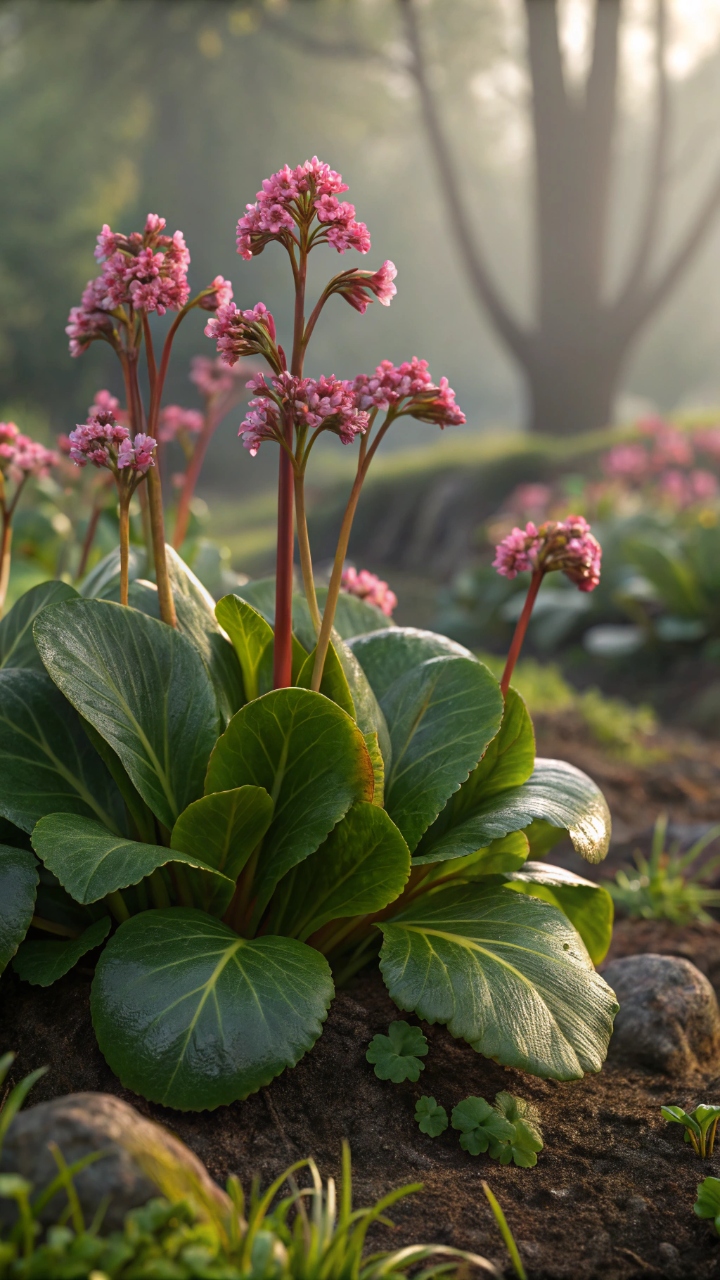
Bergenia has bold, glossy leaves that make a statement even before its flowers appear. The pink blooms add a cheerful pop, especially in early spring. I love how sturdy and dependable it feels, like a plant you can always count on. It thrives in shade and handles different conditions without fuss. And those leaves turning reddish in cooler weather? Such a cool bonus.
Pro Tip: Remove old leaves to keep the plant looking fresh and vibrant.
Jacob’s Ladder
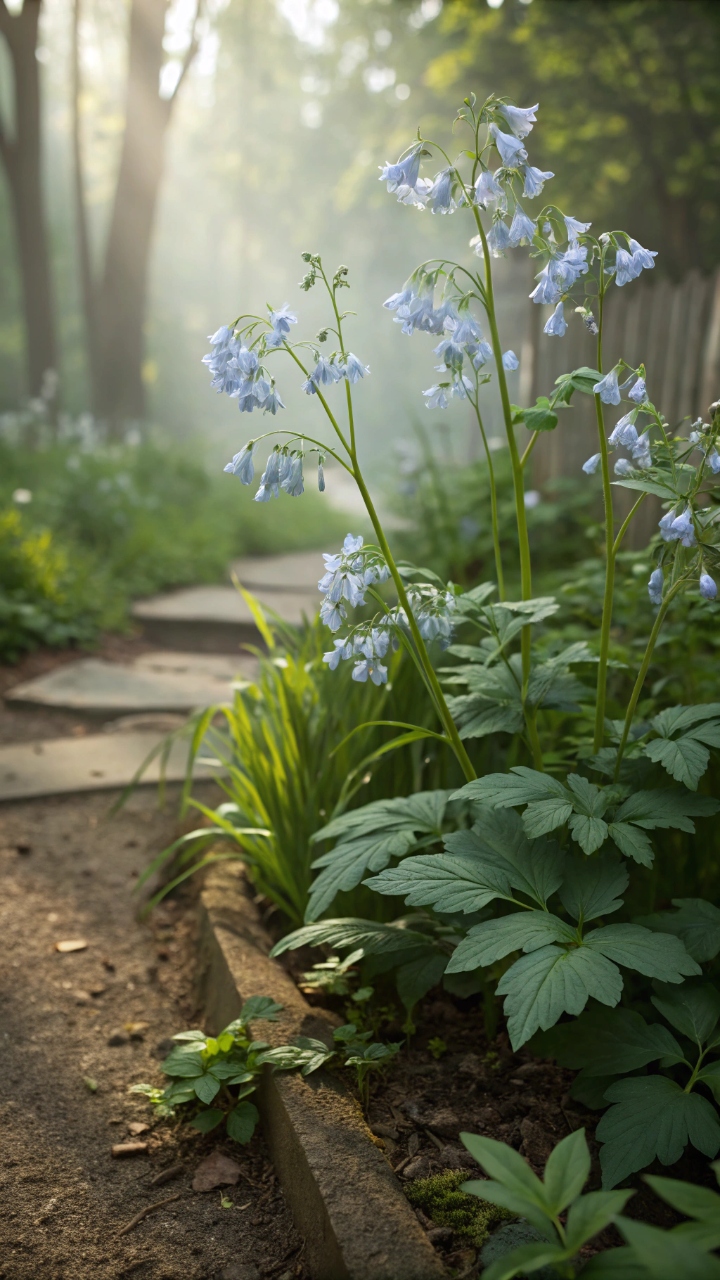
Jacob’s ladder features delicate, ladder-like leaves and clusters of soft blue flowers that feel almost whimsical. It’s one of those plants that adds a gentle, calming presence to the garden. I planted it once in a quiet corner, and it completely transformed the mood of the space. It thrives in shade and doesn’t demand much attention, which is always a plus. And those soft hues? Just beautiful.
Pro Tip: Deadhead spent flowers to encourage longer blooming.
Conclusion
Shady gardens might not get the spotlight as often as sun-drenched ones, but they have a quiet beauty that feels deeper and more personal. When you stop fighting the shade and start working with it, everything begins to fall into place in a way that feels almost effortless. These perennials don’t just survive without sun—they thrive, bringing texture, color, and life into spaces that once felt limiting. And honestly, there’s something incredibly satisfying about turning a “problem area” into your favorite part of the yard. It’s like discovering a hidden room in your home you didn’t know you needed.
What I’ve learned over time is that gardening isn’t about forcing conditions to match your expectations—it’s about embracing what you have and making it work beautifully. Shade gardens invite you to slow down, notice details, and appreciate subtle shifts in color and texture. They feel cooler, calmer, and a little more intimate, like a private retreat just outside your door. And once you start layering these plants together, you’ll see how rich and dynamic a low-light space can actually become. It’s not less than—it’s just different, and in the best way.
So if your garden leans more shadowy than sunny, don’t write it off or try to “fix” it with the wrong plants. Lean in, experiment, and let these shade-loving perennials show you what’s possible. You might just end up with a space that feels more unique, more inviting, and honestly way more interesting than anything in full sun. And who knows? That once-overlooked corner might become the spot you love the most.
Leave a Reply