There was a time when my dining room became the most ignored space in my house. The table collected unopened mail, the chairs became temporary storage, and nobody lingered there after dinner anymore. One rainy weekend, I decided to move a few pieces around and add some new decor, and the room suddenly felt alive again. That small change reminded me that our dining rooms are not merely places to eat because they often become the backdrop for conversations, celebrations, and everyday memories.
I have always believed that renovating a dining room feels different from updating other spaces in the home. A beautiful bedroom is comforting, and a functional kitchen is essential, but a welcoming dining room somehow encourages people to slow down and enjoy each other’s company. I still remember the evening my friends stayed around the table for hours simply because the room felt warm and inviting. That experience completely changed the way I looked at dining room design.
As we move into 2026, dining room renovations are becoming more personal, creative, and intentionally cozy. People are embracing natural materials, bold colors, and flexible layouts that suit modern lifestyles. Honestly, it is pretty amazing how a few thoughtful changes can completely transform the atmosphere of a room. If your dining space feels a little tired, these renovation ideas might inspire you to create a room that everyone naturally gravitates toward.
Embrace Earthy Color Palettes
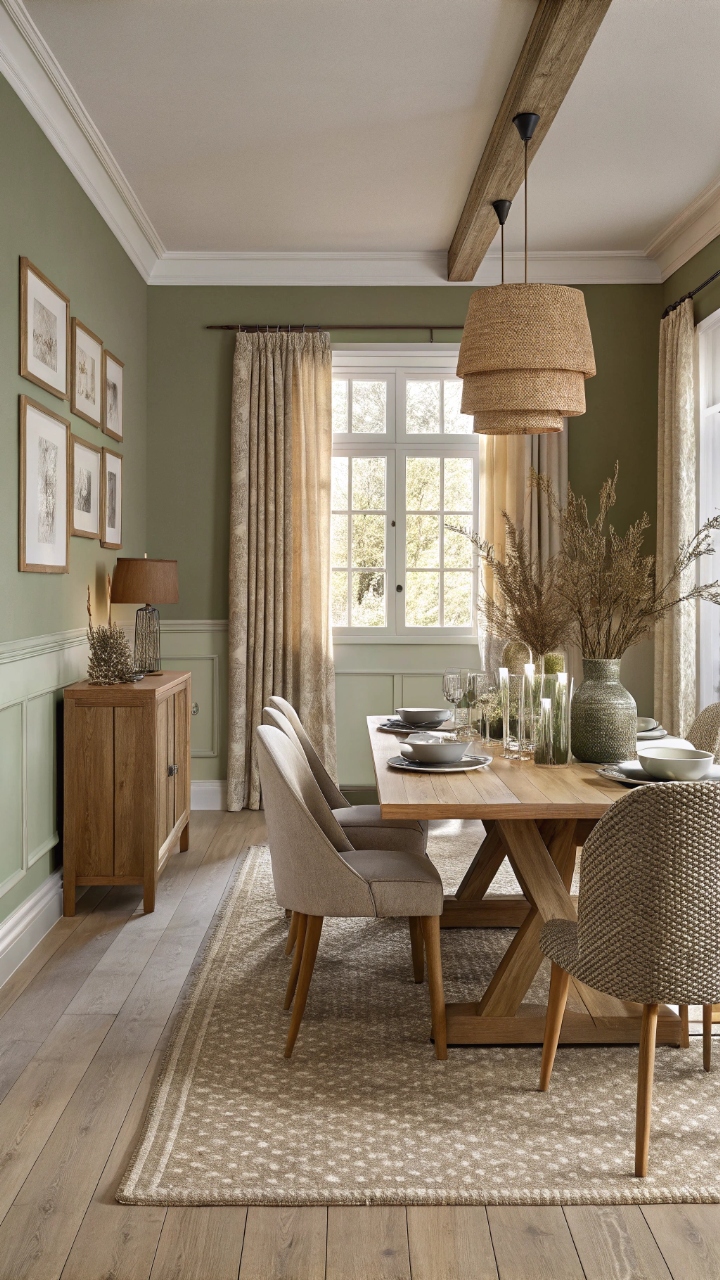
I recently painted my dining room in warm taupe and olive tones, and I could not believe how dramatically the atmosphere changed. The earthy shades created a sense of calm that instantly made every meal feel more relaxed and intimate. The walls seemed to glow softly during the evening, especially when candlelight reflected against the muted colors. Why do natural tones feel so comforting and timeless? They remind us of landscapes, forests, and places where we naturally feel at ease. This color palette also pairs beautifully with wood furniture and textured fabrics, creating a dining room that feels sophisticated without appearing overly formal.
Pro Tip: Layer earthy wall colors with natural linen curtains and wooden accents for added warmth.
Install Statement Lighting
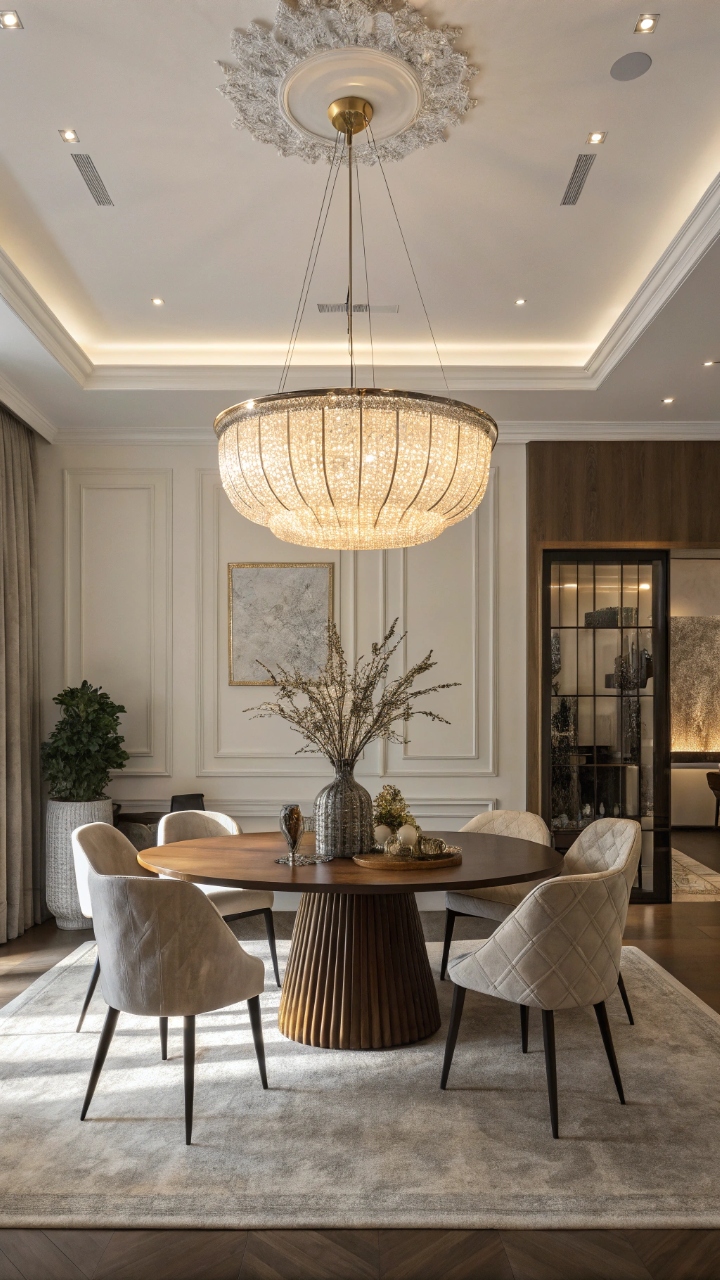
One of the biggest transformations I ever made involved replacing an outdated ceiling fixture with a sculptural pendant light. The new fixture immediately became the room’s focal point and completely changed the mood of the space. Every evening, the soft glow cast gentle shadows across the table and created an inviting ambiance that encouraged everyone to linger. Yep, lighting really can make or break a room. Why settle for ordinary lighting when one beautiful fixture can introduce personality and drama? Statement lighting turns even simple dining rooms into memorable gathering spaces.
Pro Tip: Hang your fixture approximately thirty inches above the table for balanced illumination.
Add Built-In Banquette Seating
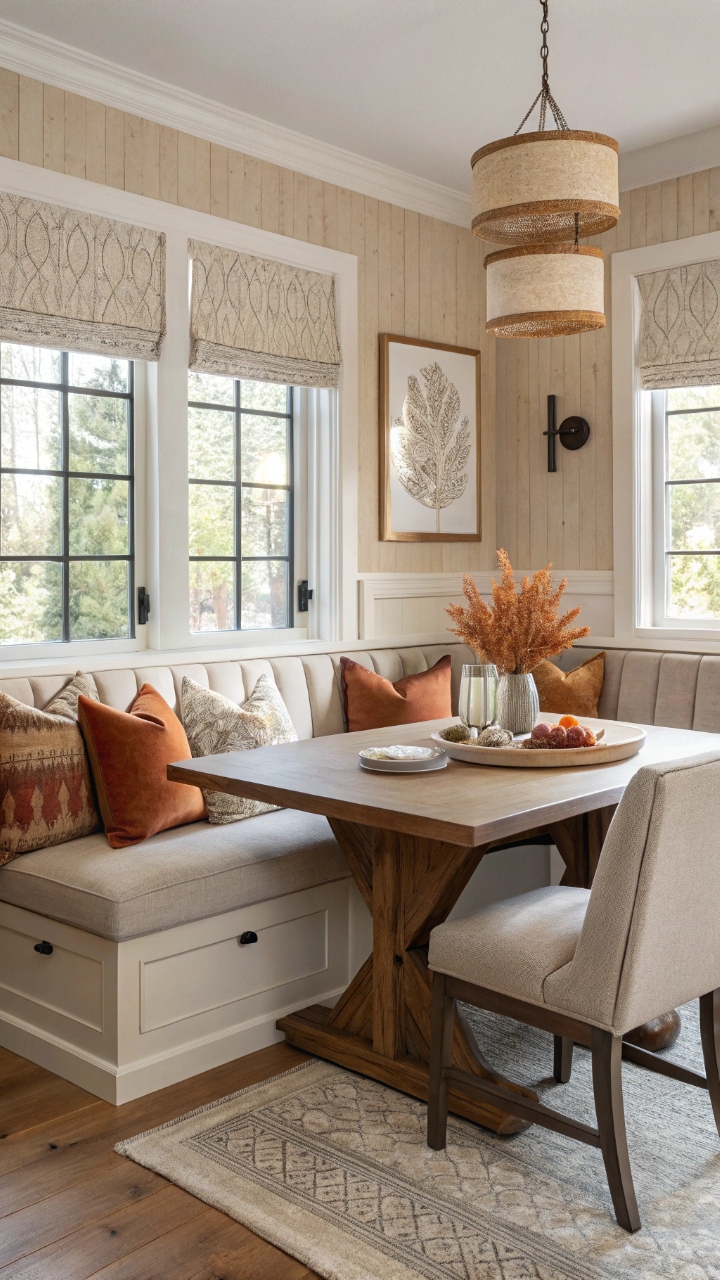
A built-in banquette completely transformed one of my friend’s dining rooms, and I still think about how cozy it felt. The upholstered bench hugged the corner of the room and created a charming café-like atmosphere that encouraged long conversations over coffee and dessert. Built-in seating also maximizes space while adding architectural interest and visual softness. Isn’t it wonderful when practical features also become beautiful design elements? Banquettes create a sense of intimacy that traditional dining chairs sometimes cannot replicate. They also offer opportunities to introduce cushions and fabrics that add personality.
Pro Tip: Include hidden storage beneath the bench to keep linens and seasonal decor neatly organized.
Incorporate Mixed Wood Tones
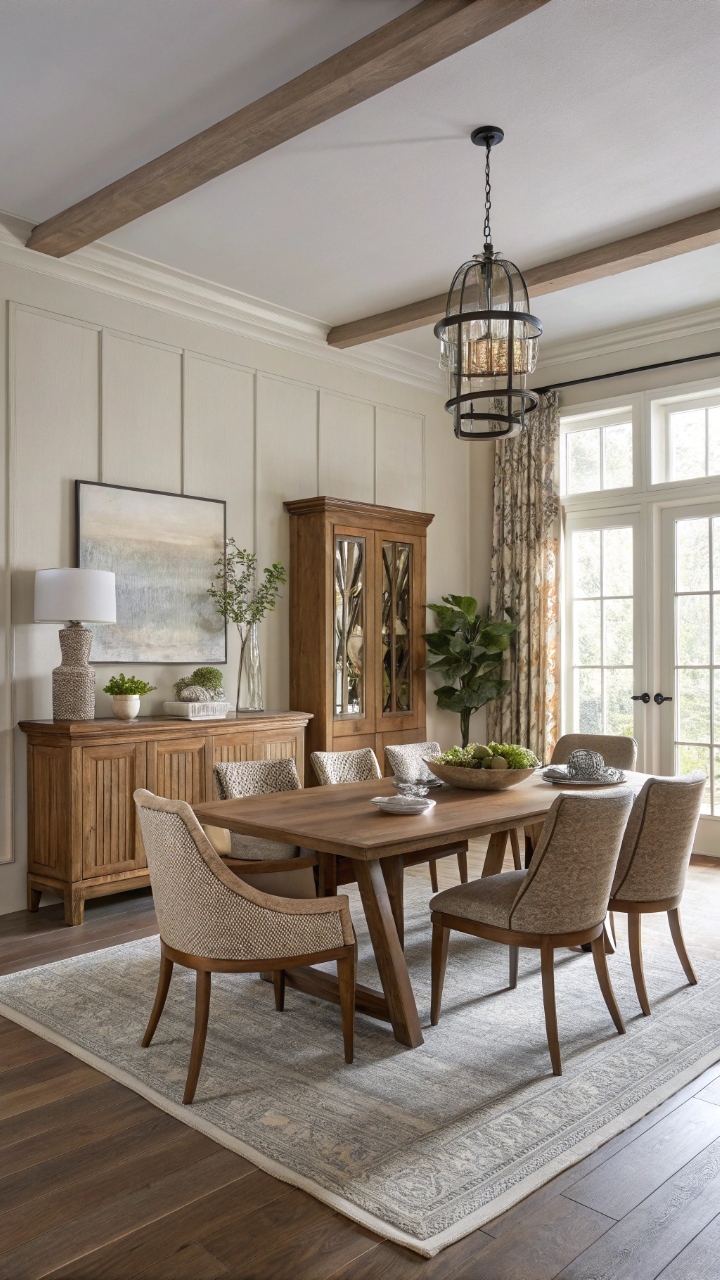
For years, I believed every wood finish needed to match perfectly. Then I combined walnut chairs with an oak dining table, and the room suddenly felt layered and collected. Mixing wood tones introduces richness and depth while preventing the space from appearing overly coordinated. The subtle contrasts make every piece stand out individually while still working harmoniously together. Why aim for perfection when slight differences often create more interesting interiors? Combining various wood finishes gives dining rooms a naturally evolved and thoughtfully curated appearance.
Pro Tip: Keep wood undertones similar to maintain visual harmony while embracing contrast.
Introduce Textured Wall Treatments
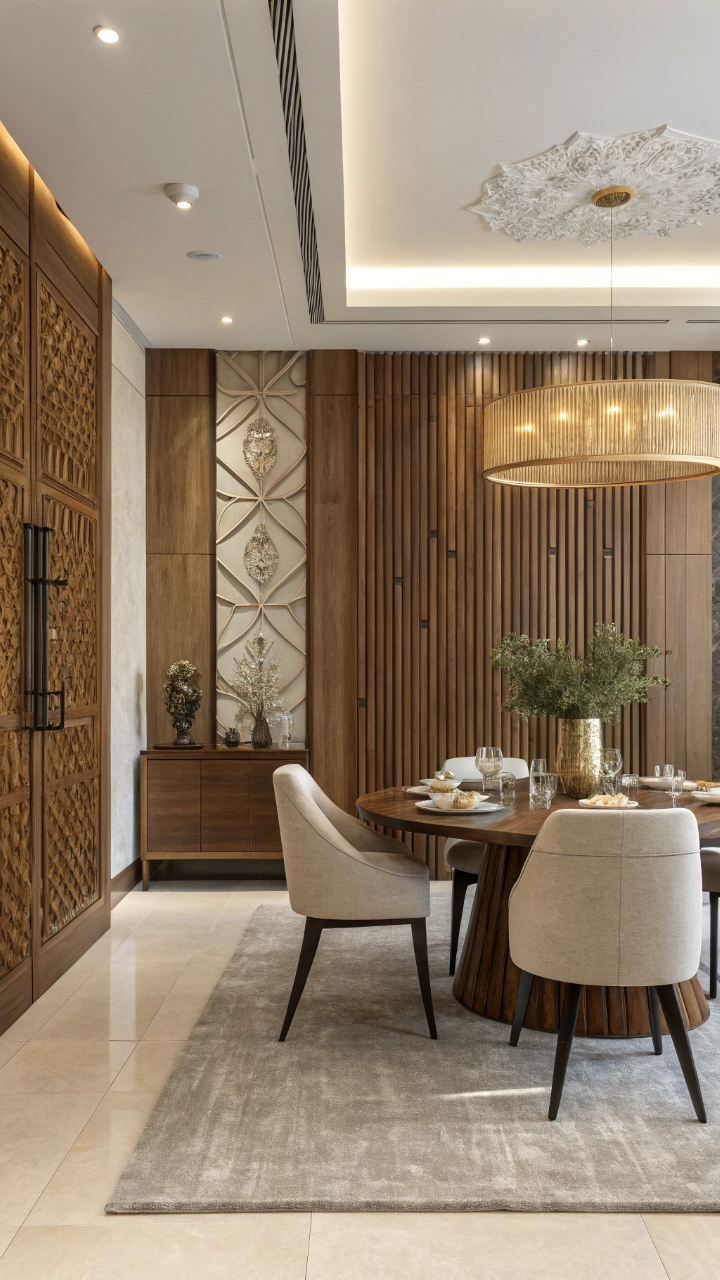
One weekend, I experimented with wood slats on a dining room accent wall, and the result was absolutely stunning. The textured surface immediately made the room feel more architectural and visually engaging. Light and shadows danced across the wall throughout the day, creating movement that constantly caught my attention. Texture adds another layer of design that paint alone simply cannot achieve. Why leave walls flat and uninspiring when they can contribute so much character? Even subtle textures make dining rooms feel custom and elevated.
Pro Tip: Use vertical wall panels to make ceilings appear taller and rooms feel more spacious.
Create an Open Dining Concept
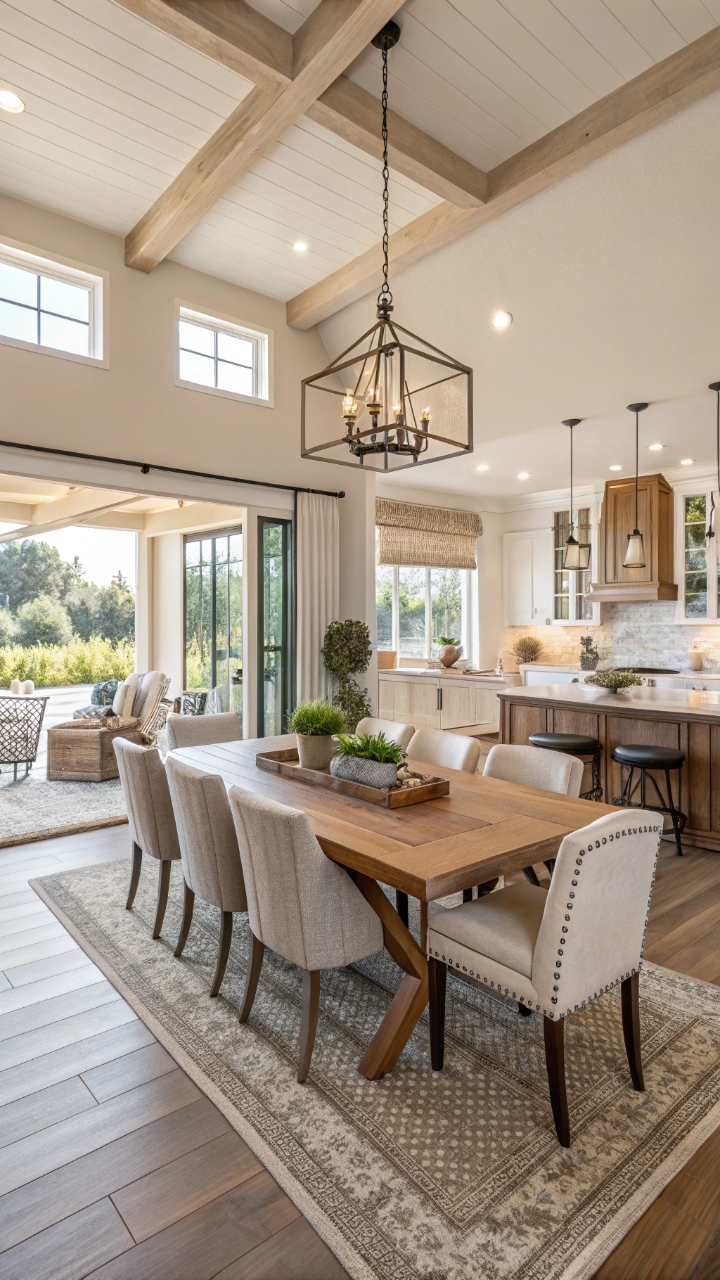
Removing a partial wall between my kitchen and dining room completely changed how I used the space. Suddenly, conversations flowed naturally while meals were being prepared, and entertaining became dramatically easier. The open concept also allowed natural light to spread throughout both rooms, making the entire area feel larger and more welcoming. It was honestly a game changer. Why keep rooms separated when today’s lifestyles often revolve around shared experiences and connection? Open layouts encourage interaction and create a more dynamic environment for everyday living.
Pro Tip: Define the dining zone with a large rug or pendant light to maintain visual structure.
Add Oversized Artwork
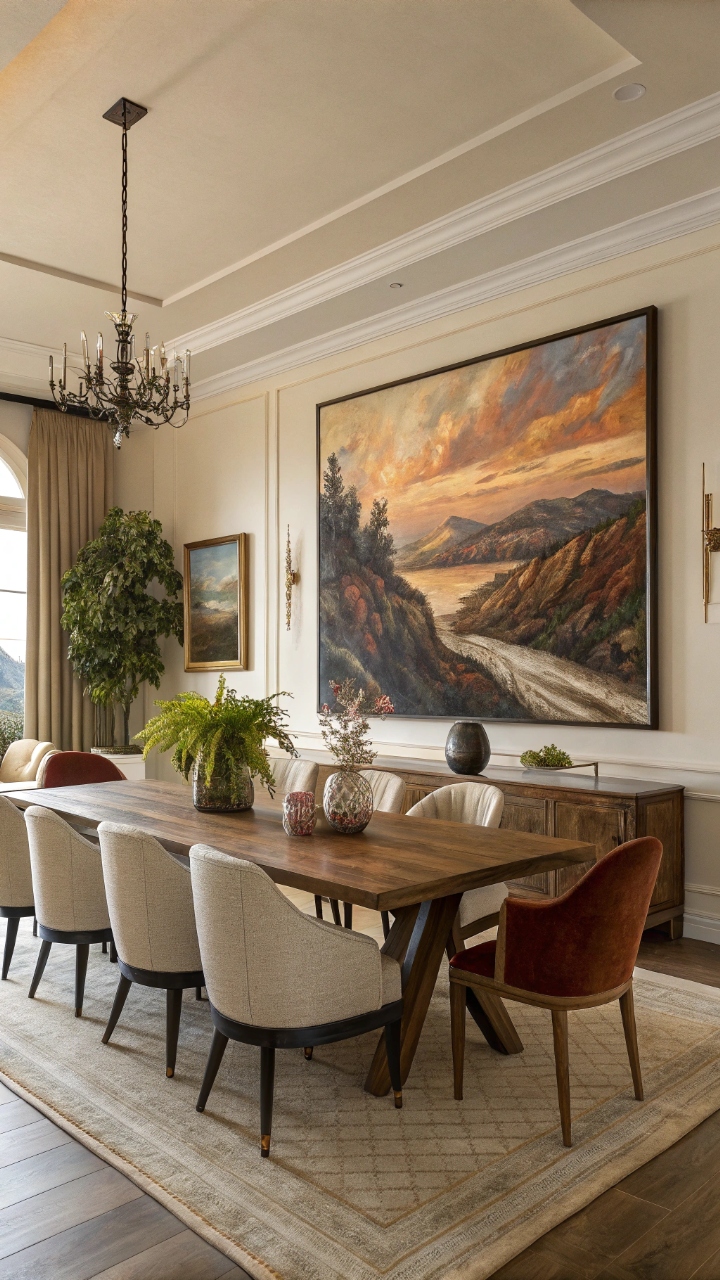
I once hung a large landscape painting in my dining room, and it instantly became everyone’s favorite conversation piece. The artwork introduced color, personality, and emotional depth while giving the room a clear focal point. Every glance toward the painting seemed to transport the space somewhere entirely different. Large artwork can create an immersive atmosphere that smaller decorative pieces often cannot achieve. Why fill walls with numerous tiny items when one meaningful piece can make such a strong statement? Oversized art adds sophistication and individuality.
Pro Tip: Select artwork that reflects colors already present in your dining room palette.
Experiment with Dark Moody Colors
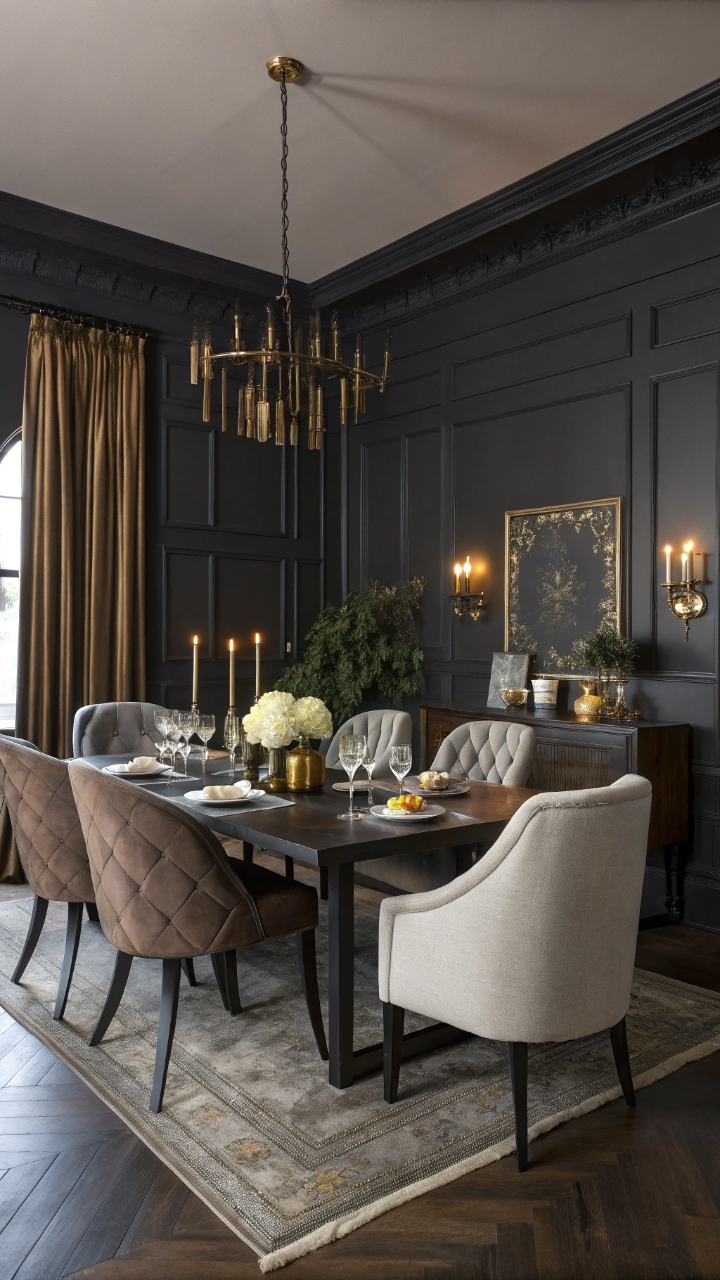
I used to avoid dark paint entirely because I feared it would make rooms feel smaller. Then I visited a dining room painted deep charcoal, and I was immediately captivated. The rich walls created incredible intimacy and made candlelight appear even more beautiful and dramatic. Dark colors often make dining rooms feel luxurious, cozy, and unexpectedly elegant. Why not embrace a little drama in the very room where people gather and celebrate? Moody colors create memorable dining experiences that feel both modern and timeless.
Pro Tip: Pair dark walls with warm metallic finishes to maintain balance and brightness.
Bring Nature Indoors
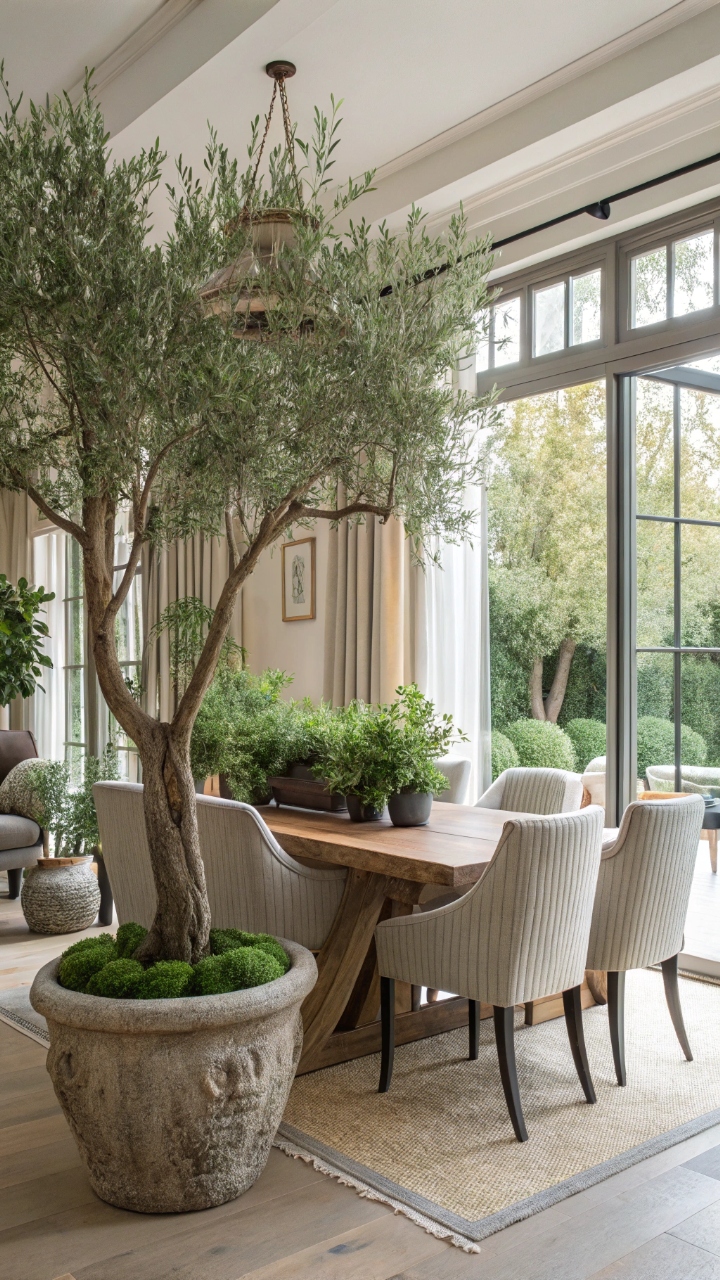
Some of my favorite dining rooms feature abundant greenery because plants instantly introduce life and freshness. I recently added a large olive tree near my dining table, and the room immediately felt calmer and more connected to nature. Greenery softens hard surfaces and introduces organic shapes that make interiors feel inviting and relaxed. Isn’t there something deeply comforting about having natural elements inside our homes? Plants create visual softness while improving the atmosphere and making dining spaces feel wonderfully alive.
Pro Tip: Choose low-maintenance indoor plants that thrive in your room’s lighting conditions.
Upgrade to Curved Furniture
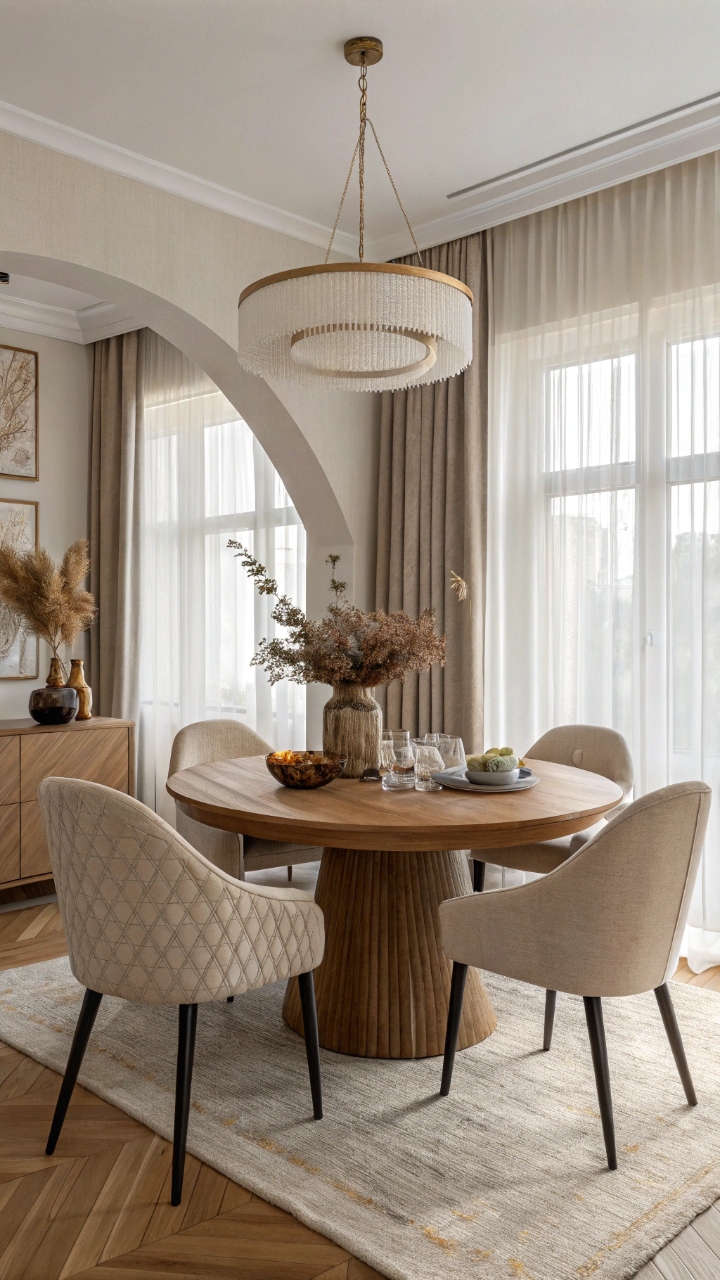
Curved furniture pieces have become increasingly popular, and I completely understand why. I recently sat at a rounded dining table with softly curved chairs, and the room felt incredibly welcoming and comfortable. Rounded shapes encourage flow and conversation while softening the appearance of angular spaces. The gentle lines almost seem to invite people to pull up a chair and stay awhile. Why rely solely on sharp edges when curves create such warmth and visual movement? Rounded furniture introduces a contemporary yet approachable aesthetic.
Pro Tip: Combine curved furniture with textured fabrics to emphasize softness and comfort.
Incorporate Sustainable Materials
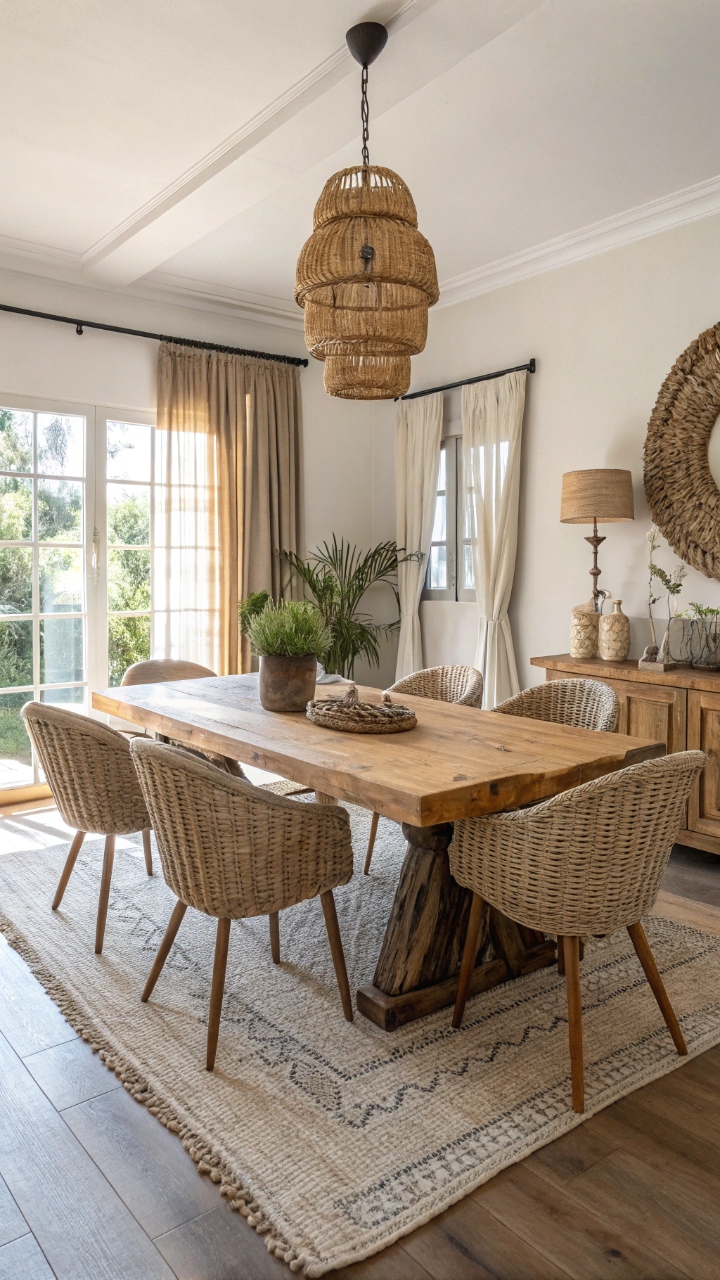
The older I become, the more I appreciate furnishings that are both beautiful and environmentally conscious. Reclaimed wood tables, woven natural fibers, and recycled materials all contribute unique character while supporting thoughtful design choices. I love how sustainable pieces often carry subtle imperfections that make them feel authentic and full of history. Isn’t it wonderful when our decorating decisions also reflect our values? Sustainable materials create spaces that feel meaningful and deeply connected to craftsmanship and longevity.
Pro Tip: Look for furniture crafted from responsibly sourced wood and recycled materials.
Design a Multifunctional Space
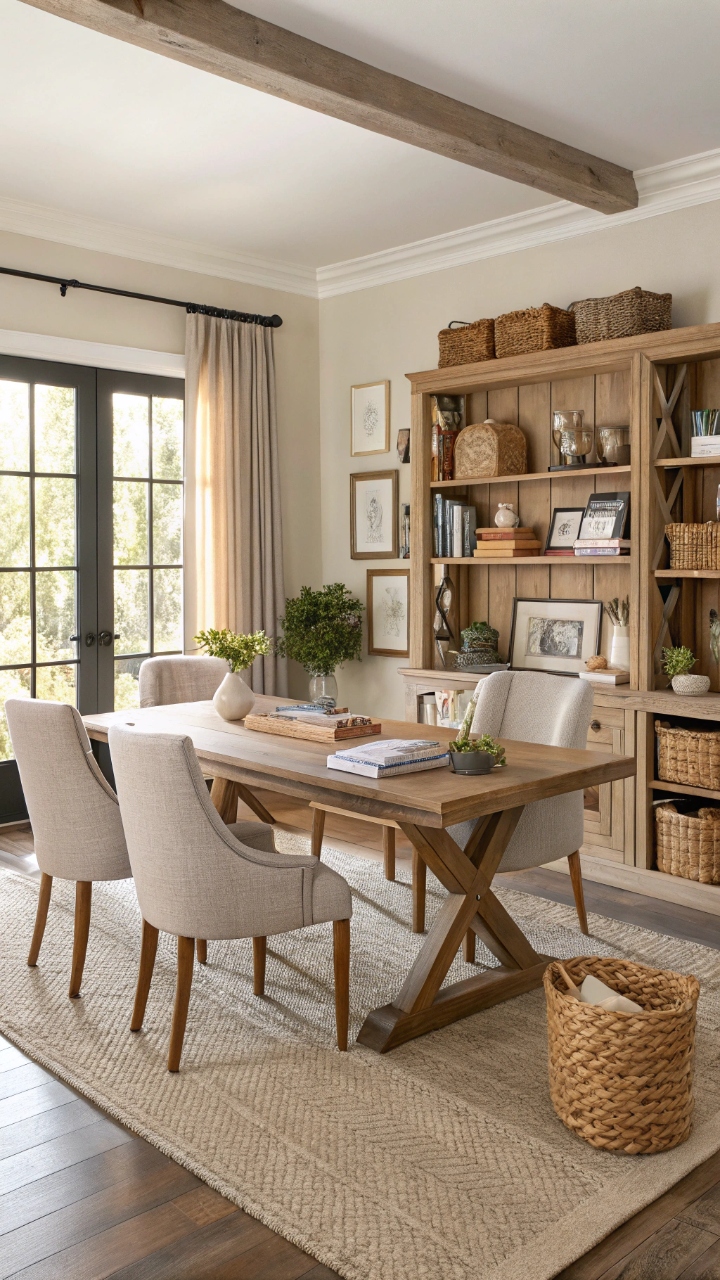
Today’s dining rooms often serve more purposes than simply hosting meals. I occasionally work from my dining table, help with family projects there, and even use it for holiday crafts. Designing a multifunctional room means selecting furniture that adapts easily throughout the day. Flexible spaces feel practical while remaining beautiful and inviting. Why limit a room’s potential when thoughtful planning can make it serve several purposes effortlessly? Multifunctional dining rooms reflect how modern families truly live.
Pro Tip: Choose extendable tables and versatile seating that accommodate changing needs.
Layer Different Textiles
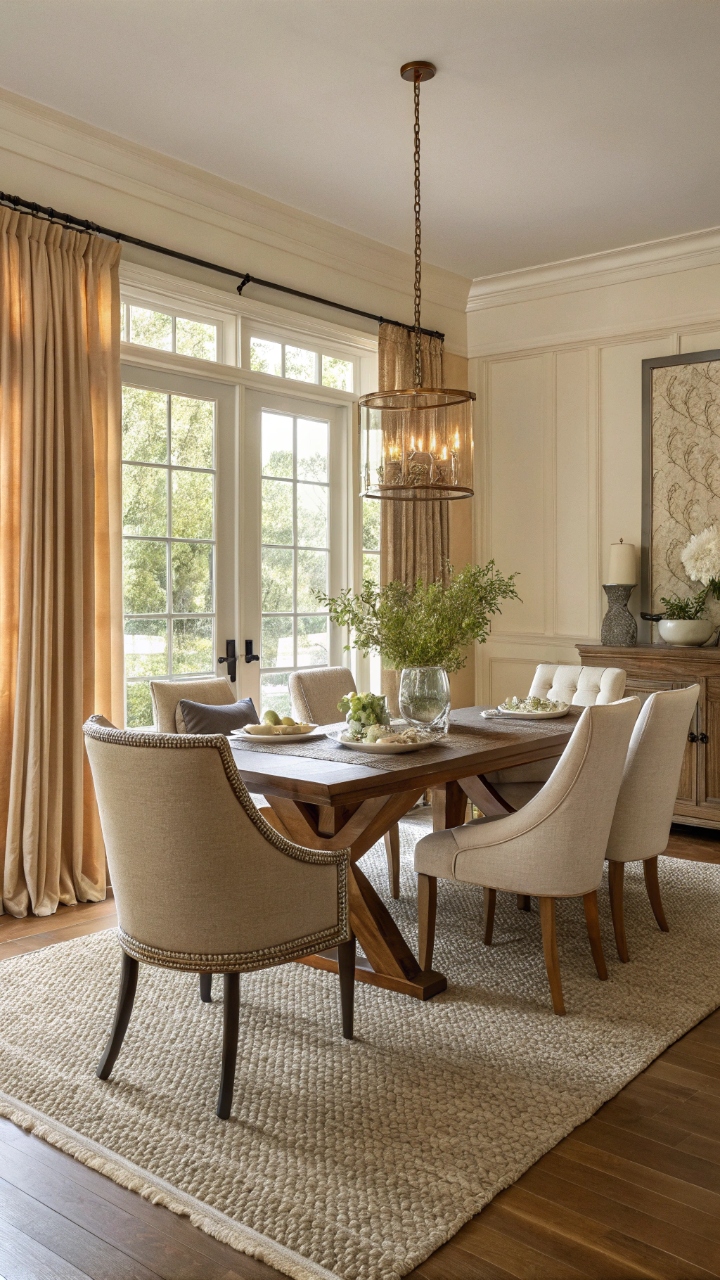
One of my favorite decorating techniques involves layering textiles because they instantly make a room feel complete. Linen curtains, upholstered chairs, woven rugs, and soft cushions all contribute warmth and dimension. Every fabric introduces its own texture and personality, creating a dining room that feels intentionally designed and wonderfully inviting. Sometimes the smallest textile additions make the biggest difference. Why overlook fabrics when they influence comfort and visual appeal so dramatically? Layered textures make dining rooms feel collected and welcoming.
Pro Tip: Mix smooth, woven, and plush materials to create visual depth and balance.
Display Open Shelving
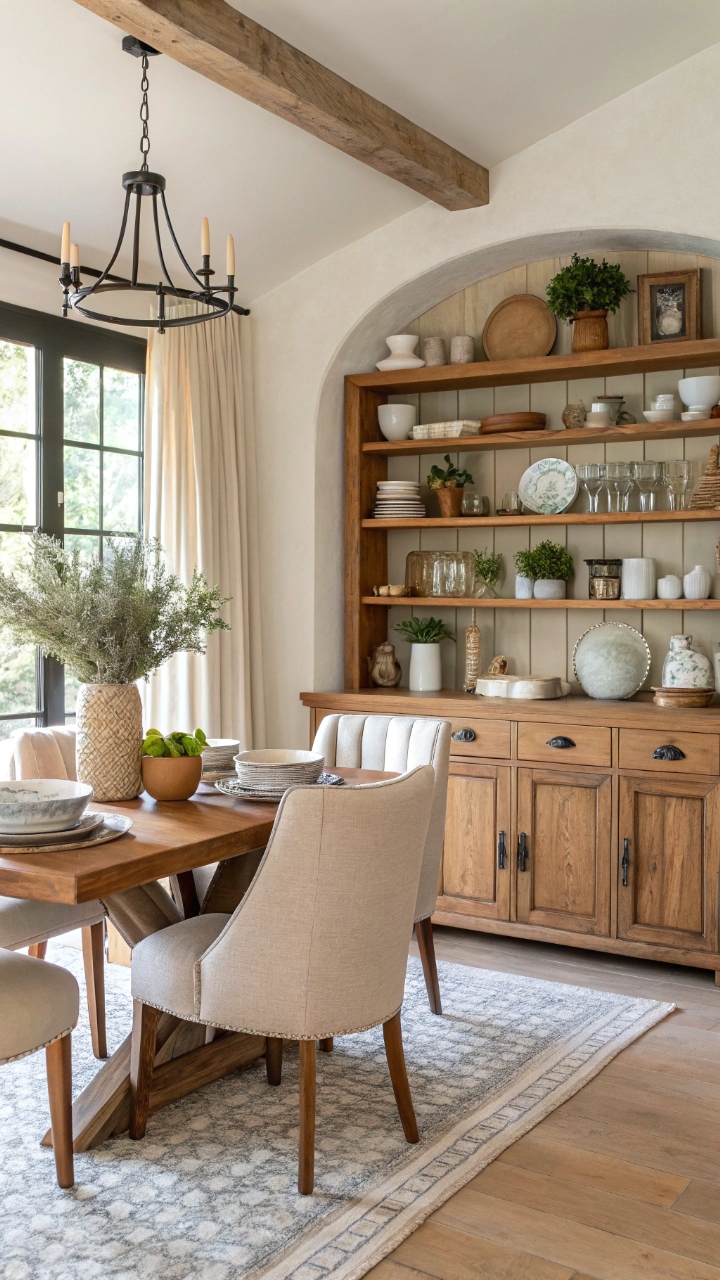
I recently installed open shelves in my dining area and quickly discovered how much personality they added. The shelves became a place to display pottery, favorite dishes, and meaningful travel souvenirs. Every object seemed to tell a story and contribute to the room’s unique identity. Open shelving transforms everyday items into decorative features while introducing visual interest and warmth. Why hide beautiful dishes behind cabinet doors when they can become part of your design? Shelving encourages thoughtful curation and personal expression.
Pro Tip: Display items in small groupings to prevent shelves from appearing cluttered.
Add Vintage Elements
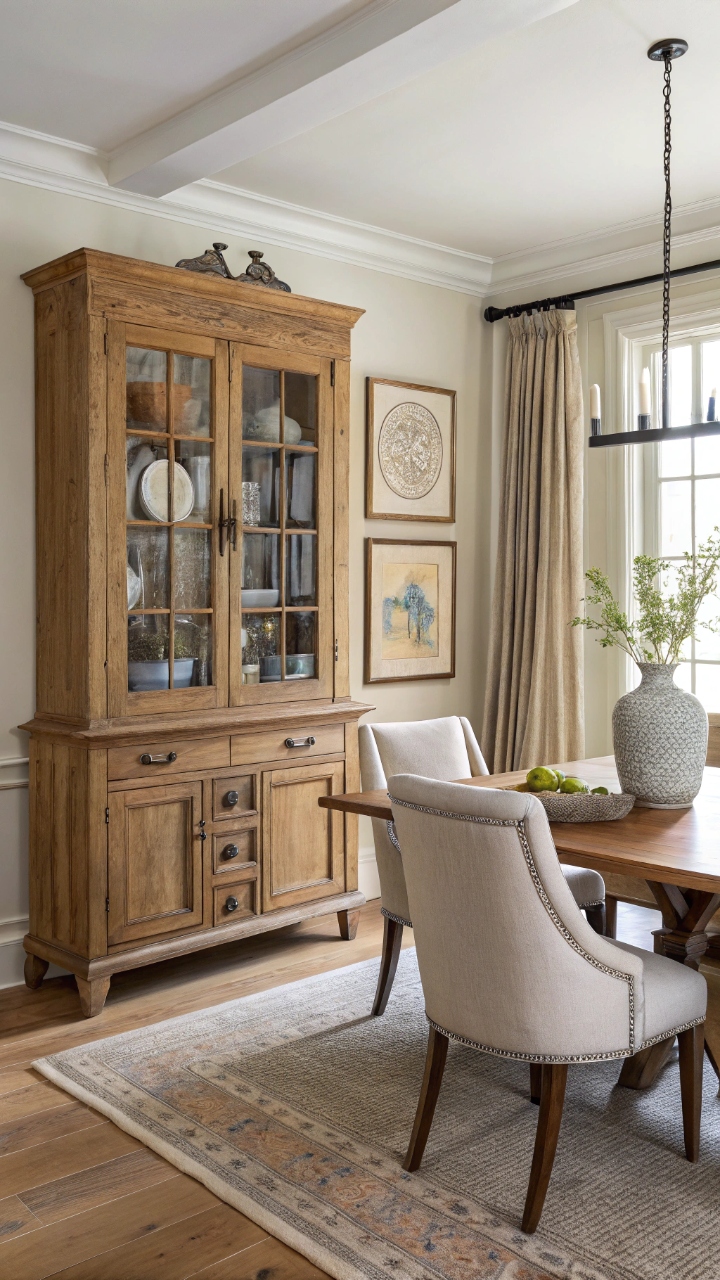
A single antique cabinet introduced more charm into my dining room than I ever expected. Its aged wood, brass hardware, and subtle imperfections immediately created character and warmth. Vintage pieces often bring a sense of history that newer furniture sometimes lacks. They make spaces feel layered, collected, and deeply personal. Isn’t it fascinating how one older piece can completely transform the personality of a room? Vintage accents add authenticity and timeless appeal that never feels forced.
Pro Tip: Pair one or two vintage pieces with modern furniture to create balance.
Make the Table the Focal Point
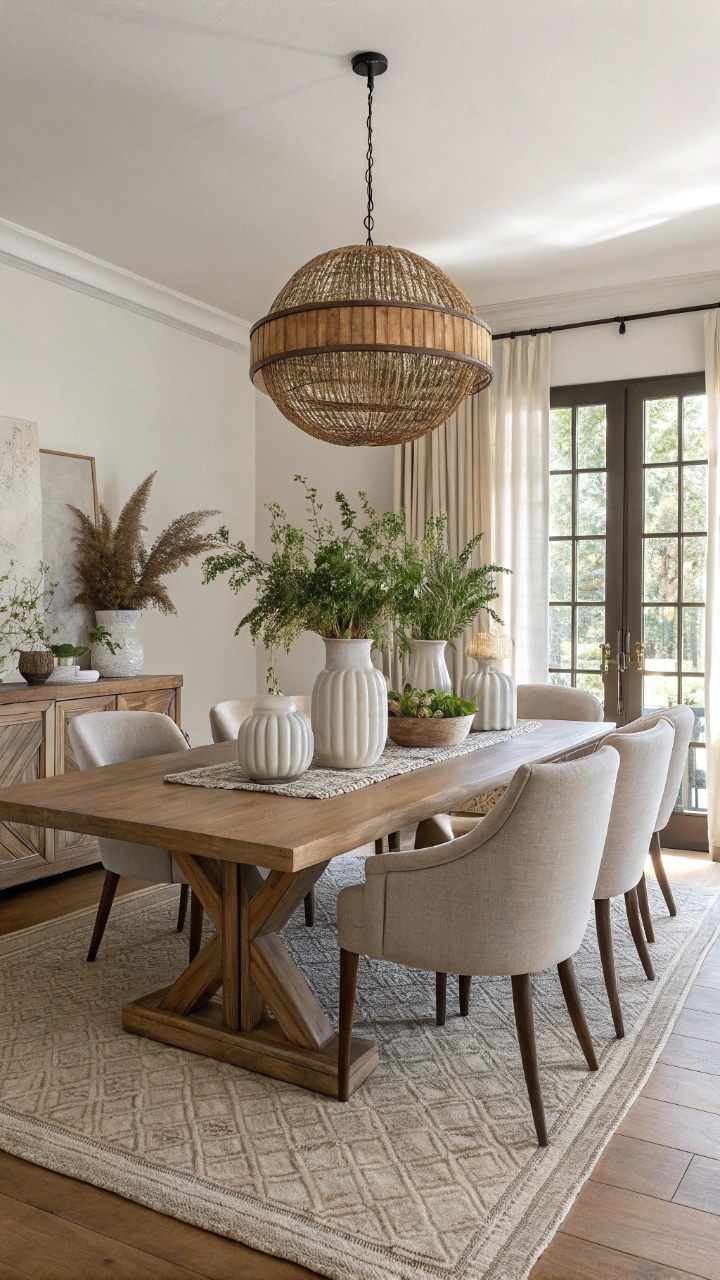
Sometimes the most effective renovation strategy is simply allowing the dining table to become the undeniable star of the room. I have watched family members naturally gather around beautifully styled tables and remain there long after dessert disappeared. The table becomes much more than furniture because it transforms into the setting for stories, celebrations, and everyday connections. Every centerpiece, chair, and light fixture contributes to an atmosphere that encourages people to stay awhile. Why shouldn’t the heart of the dining room receive the most attention? Memorable moments often happen around thoughtfully designed tables.
Pro Tip: Keep surrounding decor simple so the dining table remains the primary focal point.
Conclusion
Renovating a dining room is never only about selecting paint colors or replacing furniture. It is about creating an environment where people feel welcomed, comfortable, and inspired to connect. Every thoughtful update, whether large or small, contributes to an atmosphere that encourages conversations and memorable experiences. The dining room quietly witnesses birthdays, holiday gatherings, ordinary weeknight dinners, and spontaneous moments that eventually become cherished memories. Designing this space with intention makes everyday life feel a little more special.
As we move through 2026, dining room renovations are embracing warmth, personality, and versatility more than ever before. The most beautiful spaces are not necessarily the most expensive ones because they reflect the people who use them and the memories they hope to create. I have learned that even simple changes can completely alter how a room feels and functions. Perhaps your next renovation begins with a new light fixture, a fresh paint color, or a table that invites everyone to linger just a little longer. Sometimes the best home transformations begin exactly where people gather together.




Leave a Reply