When I first started paying closer attention to my grocery budget, I assumed the biggest problem was spending too much at the store. What surprised me was discovering how much perfectly good food disappeared into the back of my refrigerator, only to be forgotten until it was too late. Every week seemed to bring another wilted bag of spinach, expired yogurt container, or mystery leftovers hiding behind taller items. The waste frustrated me because I knew I was essentially throwing money straight into the trash, and honestly, it felt like such a bummer.
One weekend, I emptied my entire refrigerator onto the kitchen counter and took a hard look at what was actually happening. The shelves felt crowded, containers were stacked randomly, and nothing had a designated home. I realized my refrigerator wasn’t messy because I lacked space; it was messy because I lacked a system. Once I created simple organizational zones and made a few intentional changes, everything became easier to find, easier to use, and far less likely to go bad before I could enjoy it.
Today, my refrigerator feels calmer, cleaner, and much more efficient. Grocery shopping costs less because I know exactly what I already have, meal planning takes less time, and food waste has dropped dramatically. Better yet, opening the fridge no longer feels like a scavenger hunt. If you’ve ever tossed out forgotten produce or wondered where your grocery budget keeps disappearing, these fridge organization ideas can help you save money while keeping your kitchen running smoothly.
Create Designated Food Zones
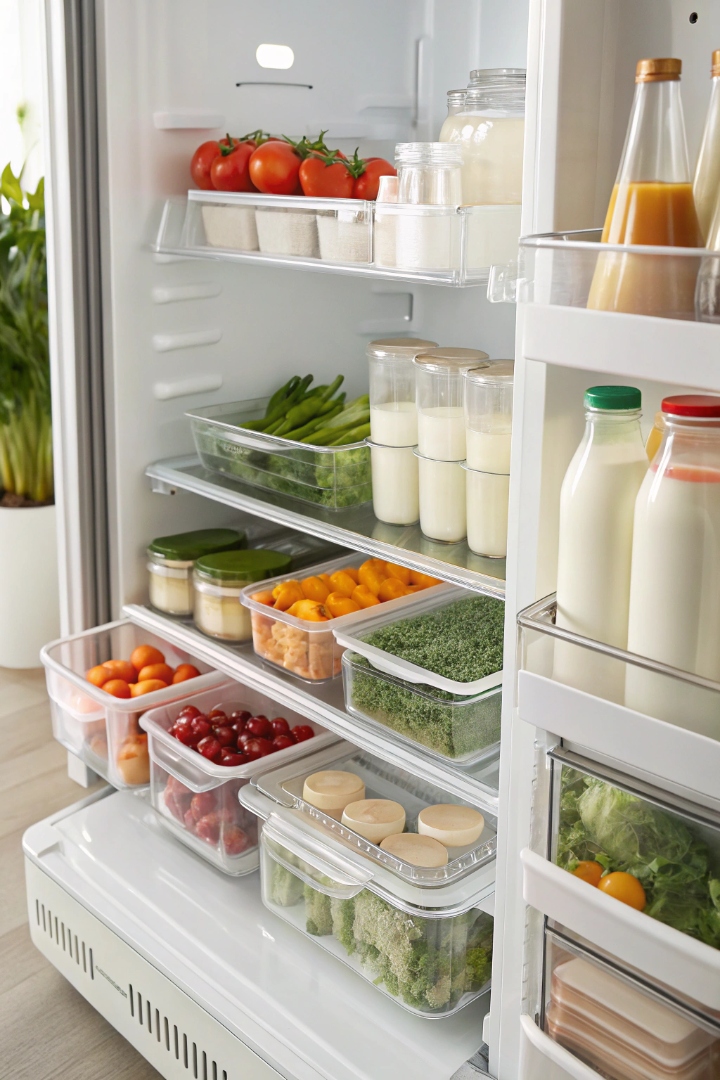
One of the biggest improvements I made was assigning every category of food its own location inside the refrigerator. Dairy products stay together, condiments occupy a single shelf, produce remains in designated drawers, and leftovers have their own dedicated area. This simple system eliminates guesswork and creates visual order every time I open the door. When everything has a home, items stop getting lost behind random containers. Isn’t it amazing how much easier meal prep becomes when you instantly know where everything belongs? The entire refrigerator feels more functional and less chaotic.
Pro Tip: Label shelves or bins temporarily until everyone in the household learns the new system.
Use Clear Storage Bins
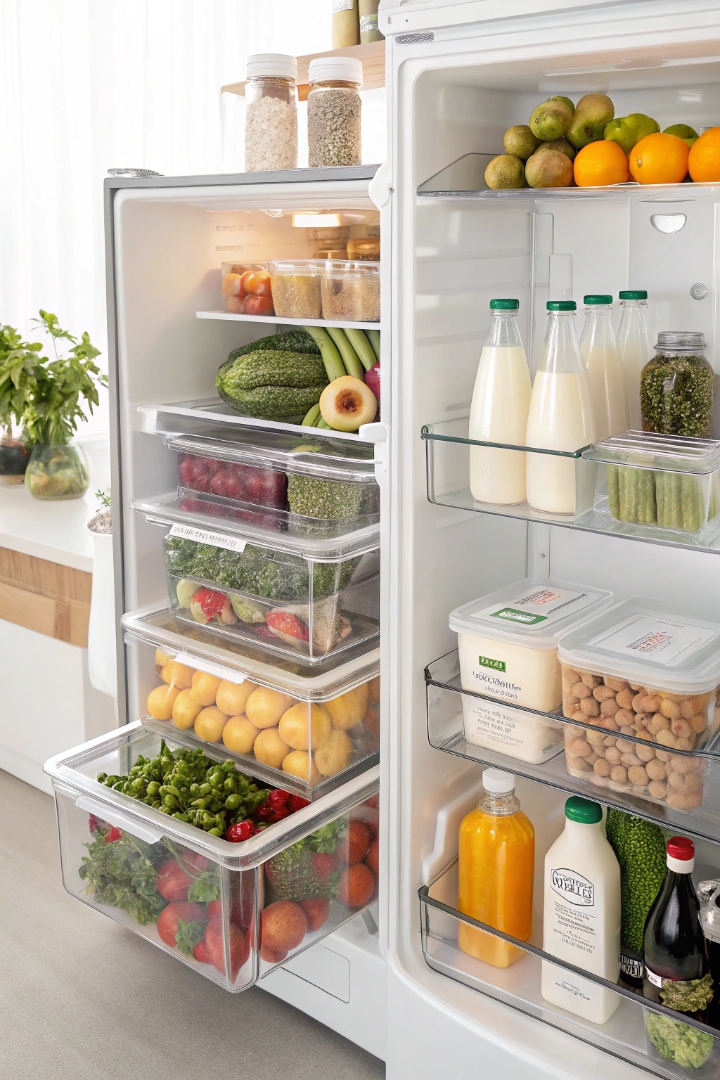
Clear bins completely changed the way I organize my refrigerator because they make contents visible at a glance. Instead of digging through multiple items to find a single ingredient, I simply pull out a bin and immediately see what I need. The transparent containers also prevent smaller foods from disappearing into forgotten corners. Plus, they create a cleaner, more streamlined appearance that makes the fridge feel larger. Why waste time searching when visibility can solve the problem instantly? This tiny upgrade delivers surprisingly big results.
Pro Tip: Choose stackable clear bins to maximize vertical storage space.
Keep Leftovers Front And Center
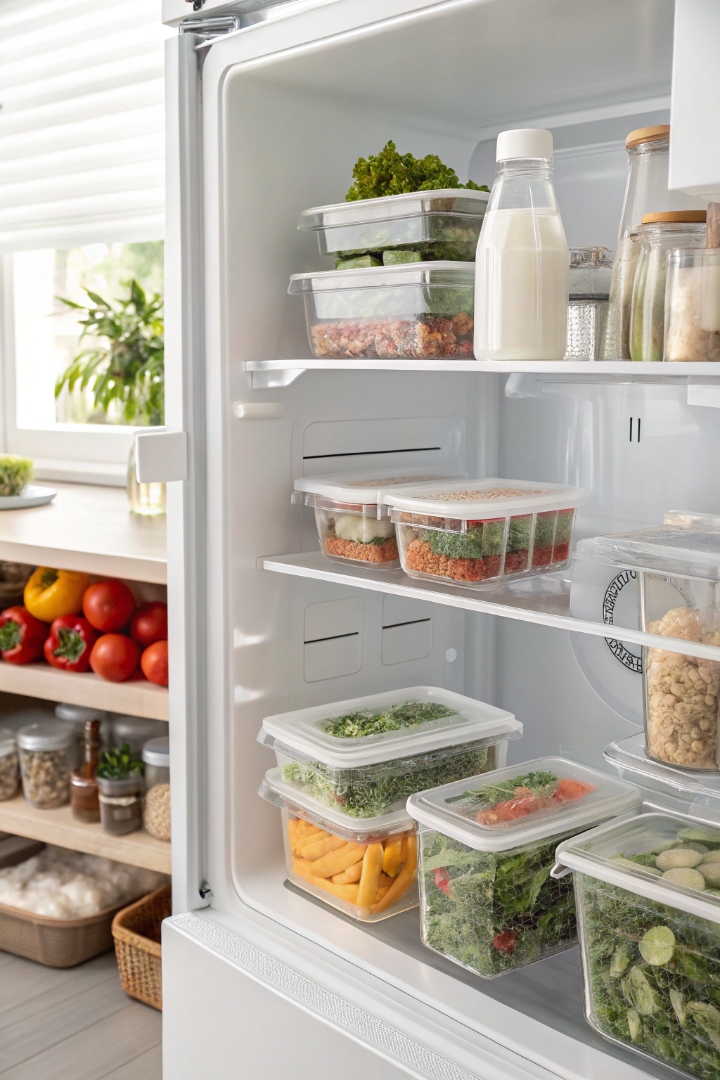
Leftovers often become the first victims of refrigerator neglect because they disappear behind newer groceries. I started placing leftovers on the most visible shelf directly at eye level, and the difference was incredible. Instead of forgetting meals until they spoiled, I noticed them immediately and incorporated them into lunches or quick dinners. The arrangement reduced waste while making meal planning easier throughout the week. Isn’t it nice when yesterday’s dinner becomes tomorrow’s convenient meal instead of tomorrow’s trash? Visibility truly matters.
Pro Tip: Store leftovers in clear containers rather than opaque ones.
Follow The First In, First Out Rule
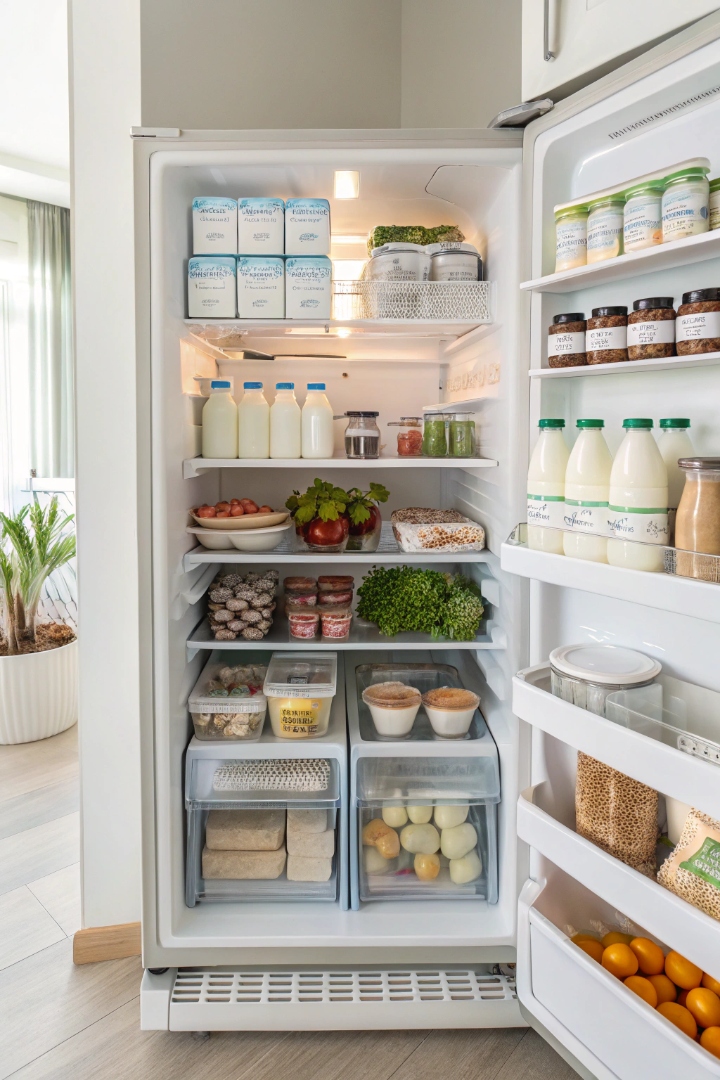
Restaurants use the first in, first out method for a reason, and it works beautifully at home too. Whenever I bring home new groceries, I place older items toward the front and newer purchases toward the back. This simple habit encourages me to use existing food before opening fresh products. The system prevents forgotten ingredients from lingering unnoticed until expiration. Why buy replacements when perfectly good food already sits in the fridge waiting to be used? It’s such a smart and practical approach.
Pro Tip: Make FIFO a habit during every grocery restocking session.
Label Containers With Dates
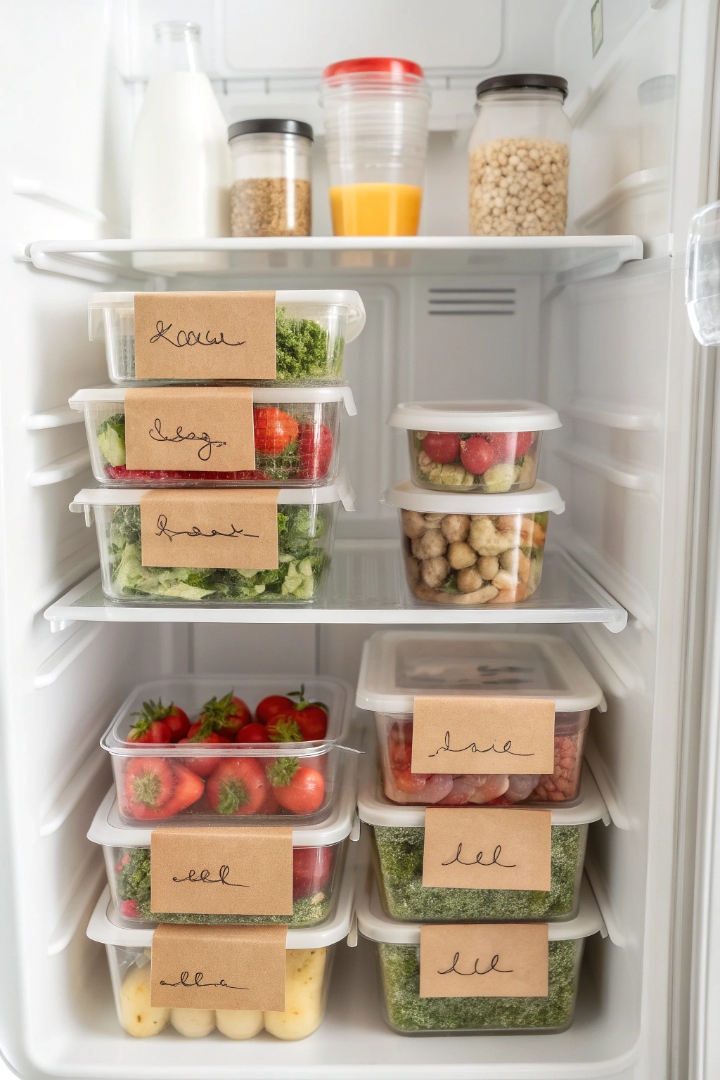
I used to rely on memory to track leftovers and opened foods, which worked about as well as you’d expect. Now I label containers with the date they were stored, and the uncertainty disappears completely. The labels provide instant clarity about freshness and help prioritize which foods need to be eaten first. This strategy reduces waste while making food safety decisions much easier. Have you ever stared at a container wondering whether it was three days old or three weeks old? Date labels eliminate that confusion.
Pro Tip: Keep masking tape and a marker near the refrigerator for quick labeling.
Store Produce Correctly
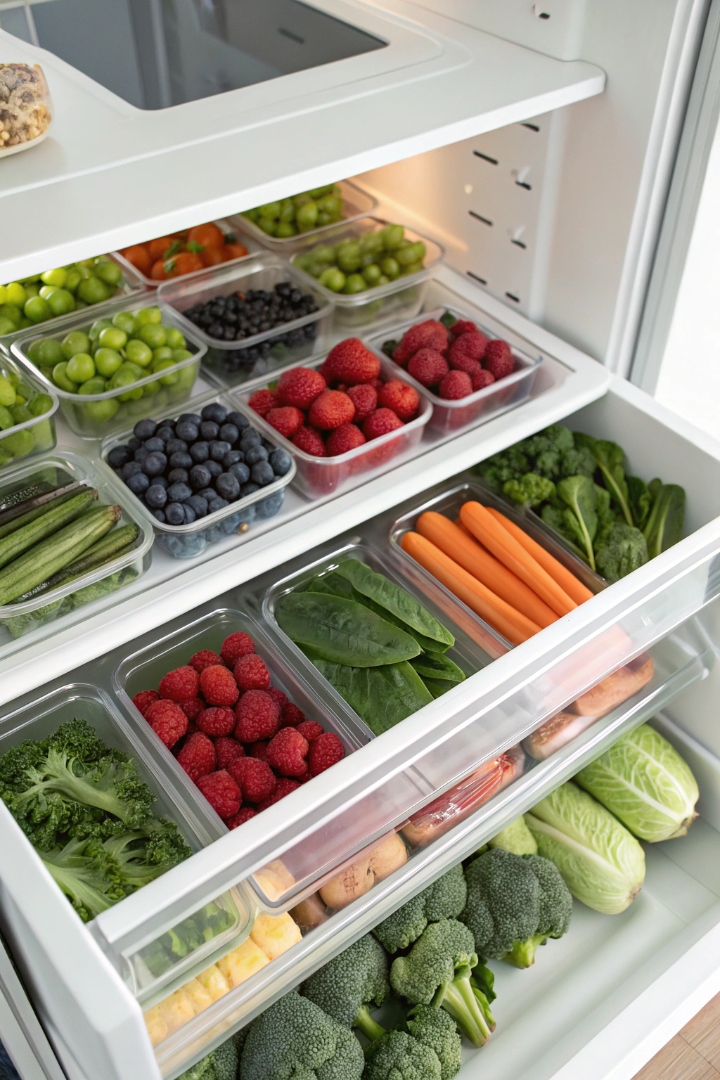
Different fruits and vegetables thrive under different storage conditions, and learning those differences transformed my produce drawer. Leafy greens stay crisp longer when wrapped properly, while certain fruits last better outside the refrigerator altogether. Correct storage preserves freshness, flavor, and texture while extending shelf life significantly. Nothing feels more frustrating than watching expensive produce spoil before you can enjoy it. Why not give your groceries the best chance to stay fresh? Small adjustments make a huge impact.
Pro Tip: Research ideal storage conditions for your most frequently purchased produce.
Create A Snack Station
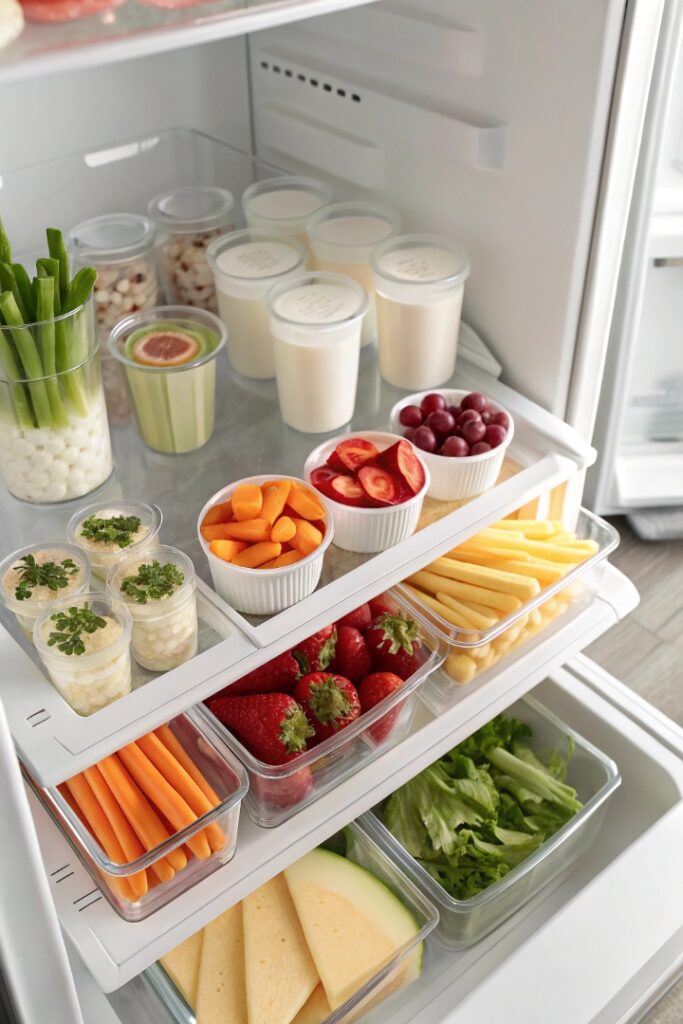
A dedicated snack zone makes healthy eating easier while reducing the chance of foods being forgotten. I group yogurt cups, cheese sticks, cut vegetables, and grab-and-go snacks together in one accessible location. Family members can quickly find options without rummaging through the refrigerator and creating disorder. The organized arrangement encourages foods to be eaten before expiration. Doesn’t convenience often determine what gets consumed first? A snack station helps make healthier choices the easiest choices.
Pro Tip: Refill and reorganize the snack station once each week.
Use Lazy Susans For Small Items
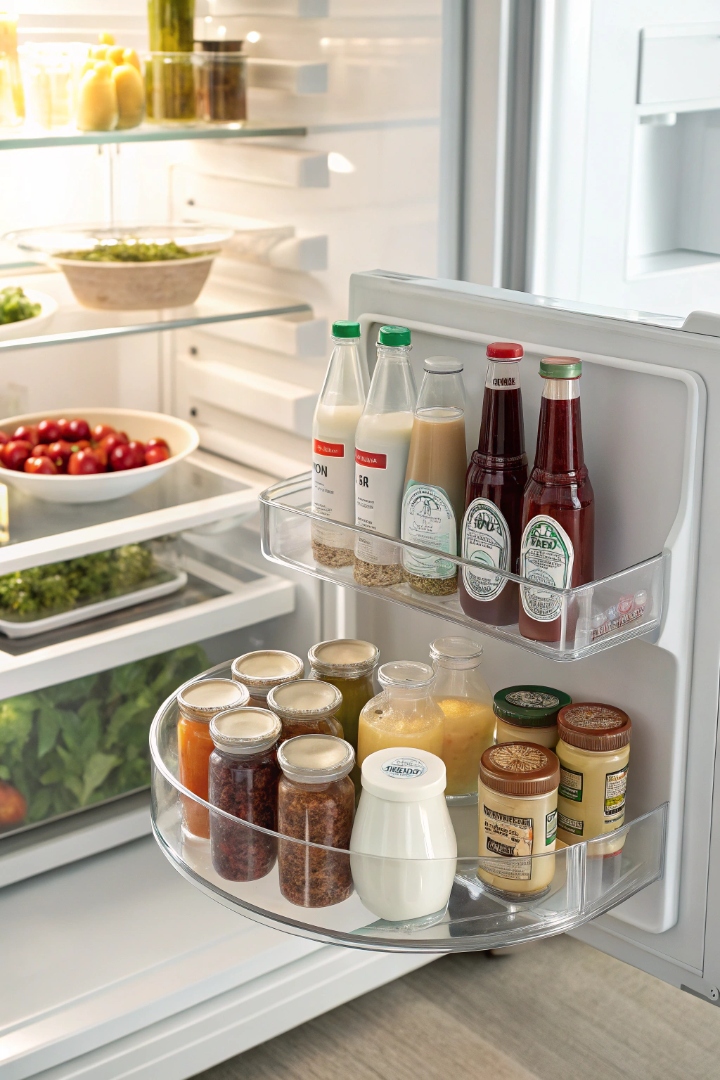
Condiment jars, sauces, and small containers often become hidden in deep refrigerator shelves. Adding a lazy Susan solved that problem almost instantly because everything rotates into view with a simple spin. No more forgotten jars hiding behind larger items or duplicate purchases because something seemed missing. The rotating organizer makes every inch of shelf space more accessible and efficient. Honestly, this little gadget feels like pure magic sometimes. Organization suddenly becomes effortless.
Pro Tip: Use lazy Susans specifically for condiments and small bottled items.
Reserve A Shelf For Meal Prep Ingredients
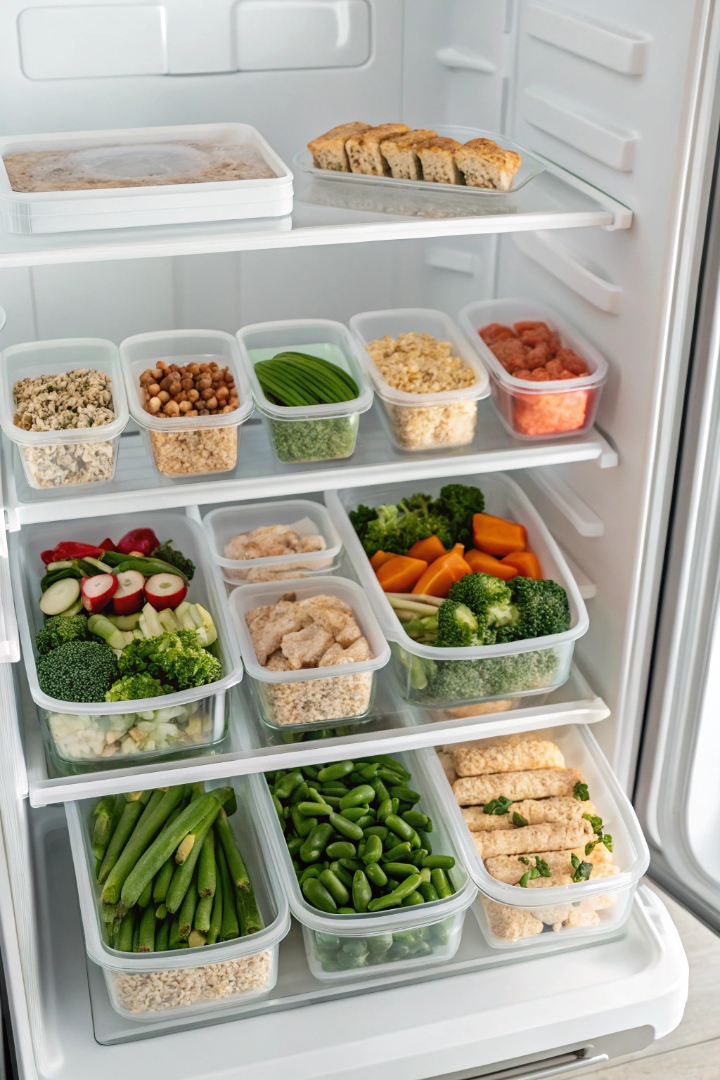
Having a dedicated shelf for meal prep ingredients saves both time and money throughout the week. I store chopped vegetables, cooked proteins, prepared grains, and ready-to-use ingredients together in one convenient location. The setup makes healthy meals easier to assemble while ensuring prepared foods don’t get forgotten. Meal prep becomes more appealing when everything is organized and visible. Why spend extra money on takeout when dinner ingredients are ready and waiting? Preparation encourages consistency.
Pro Tip: Use matching containers for a clean and organized appearance.
Avoid Overcrowding The Fridge
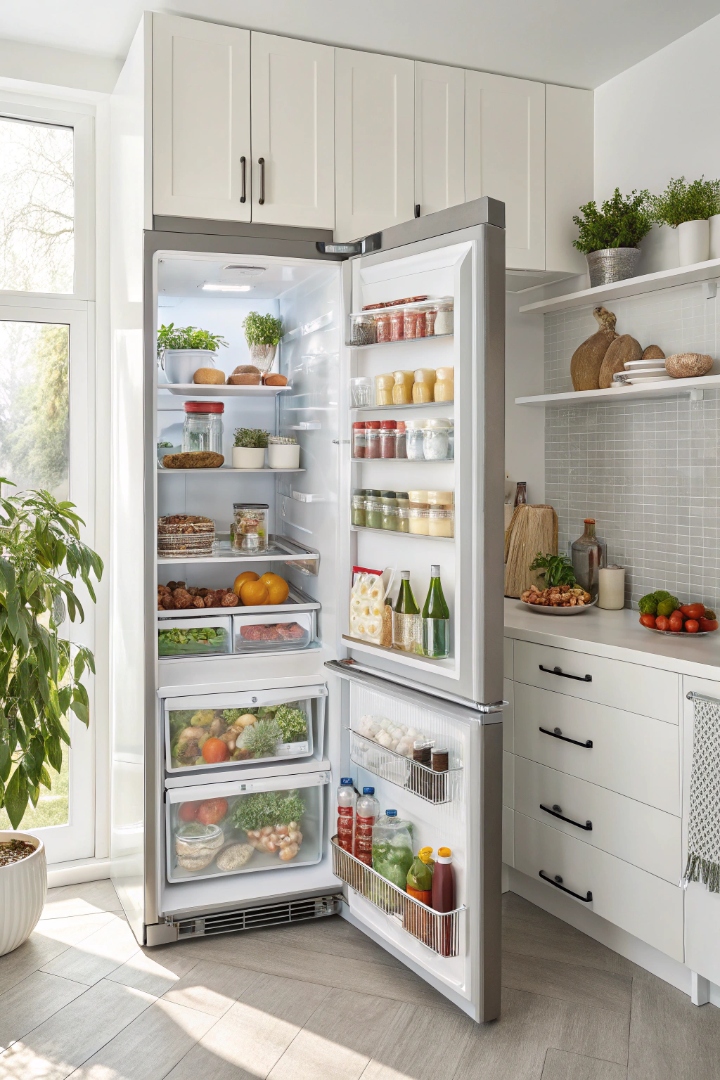
For years, I thought a fully packed refrigerator represented success, but it actually contributed to waste. Overcrowding blocks airflow, hides ingredients, and makes it difficult to monitor inventory. A slightly less crowded refrigerator keeps food visible and allows cold air to circulate properly. The result is fresher groceries and fewer unpleasant surprises. Have you ever discovered food you forgot existed simply because it was buried beneath everything else? Leaving some breathing room makes a huge difference.
Pro Tip: Aim to keep roughly twenty percent of refrigerator space open.
Group Similar Items Together
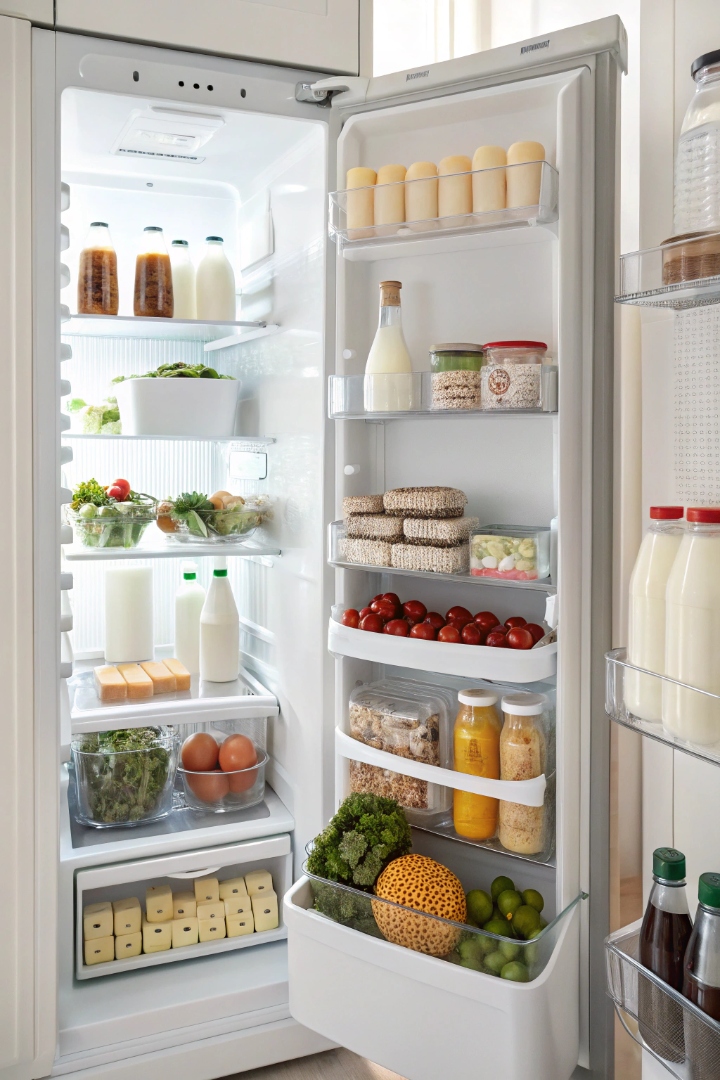
Grouping similar foods creates instant order and simplifies grocery management. Dairy stays with dairy, beverages stay with beverages, and condiments stay with condiments. This strategy eliminates visual clutter and makes shopping lists easier to create because missing items become obvious. The organized layout feels intuitive and efficient every time you open the door. Why make your brain work harder than necessary when categories can do the organizing for you? Simplicity often wins.
Pro Tip: Review categories monthly and adjust them to fit your household habits.
Store Herbs Like Fresh Flowers
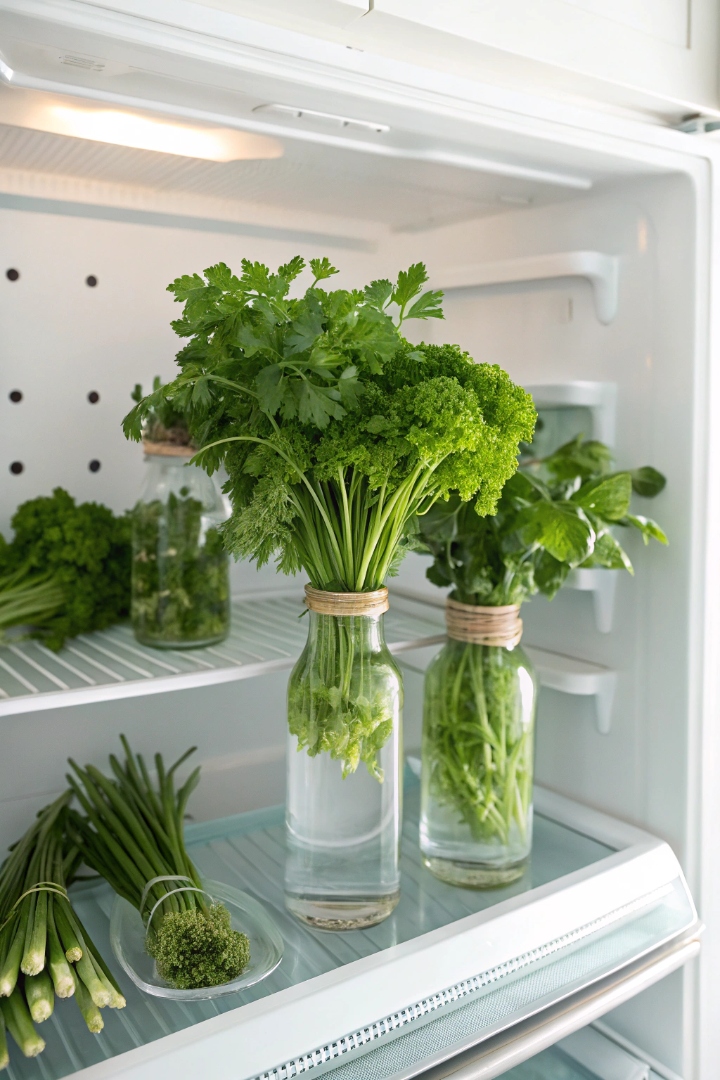
Fresh herbs can spoil shockingly fast when tossed loosely into the refrigerator. I started treating them like bouquets by placing stems in a small amount of water and covering them loosely. The herbs stayed vibrant, fragrant, and usable for much longer than before. The bright green leaves added beauty every time I opened the refrigerator as well. Isn’t it satisfying when ingredients stay fresh long enough to actually enjoy them? Proper herb storage saves surprising amounts of money.
Pro Tip: Change the water every few days to maximize freshness.
Keep An Inventory List
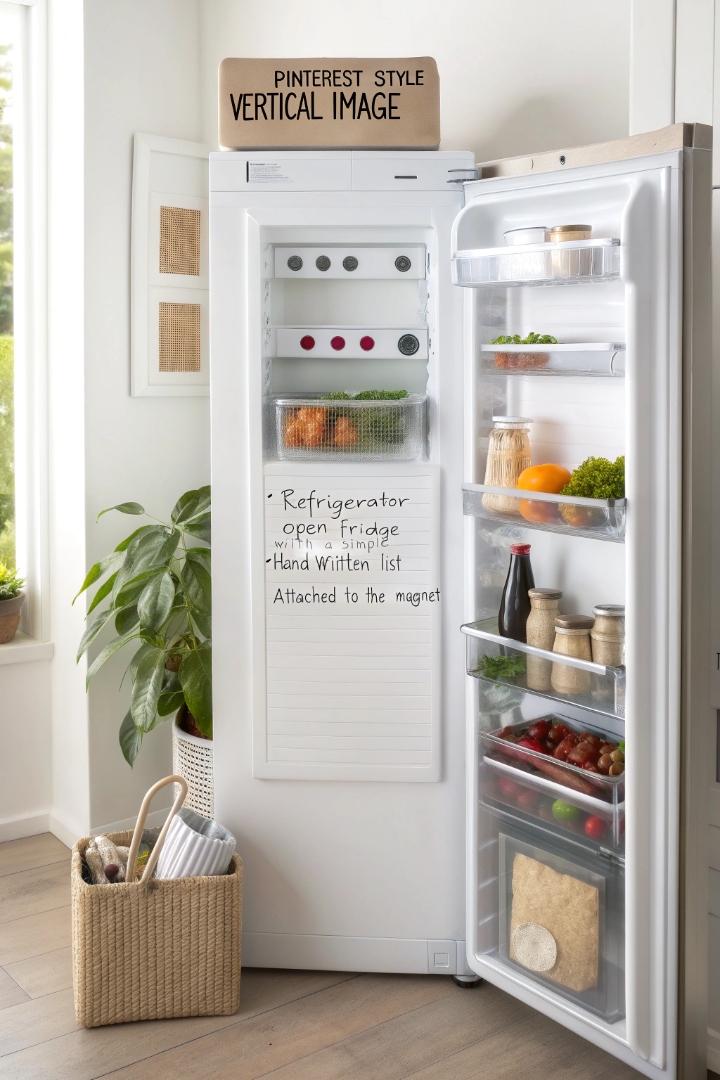
A simple inventory list attached to the refrigerator door helps prevent duplicate purchases and forgotten foods. I jot down perishables, leftovers, and ingredients that need to be used soon. The list acts as a quick visual reminder during meal planning and grocery shopping. It keeps everything top of mind and reduces unnecessary spending. Why rely entirely on memory when a simple checklist can do the work for you? This habit pays off week after week.
Pro Tip: Update the inventory list immediately after grocery shopping.
Use Matching Containers
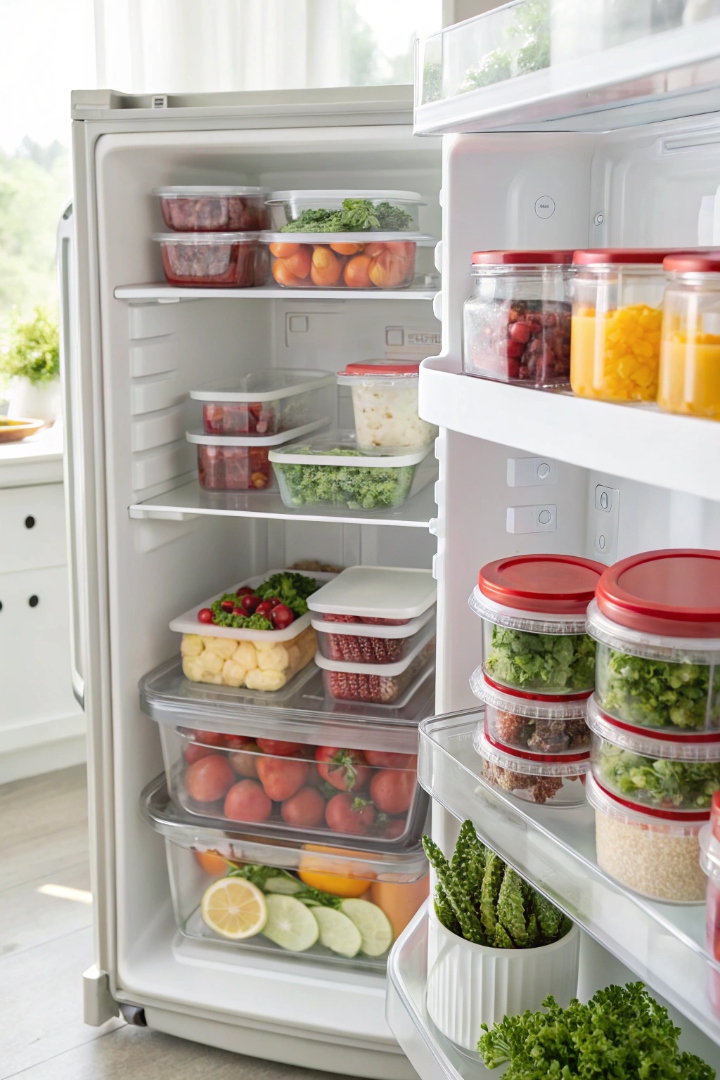
Matching storage containers may seem like a purely aesthetic choice, but they offer practical benefits too. Uniform containers stack neatly, maximize space, and create visual harmony throughout the refrigerator. The organized appearance encourages maintenance because disorder becomes easier to spot. Plus, transparent matching containers make ingredients feel more accessible and appealing. Who doesn’t love opening a refrigerator that looks tidy and intentional? The polished appearance motivates better habits.
Pro Tip: Choose BPA-free containers in several sizes for flexibility.
Schedule Weekly Fridge Checkups
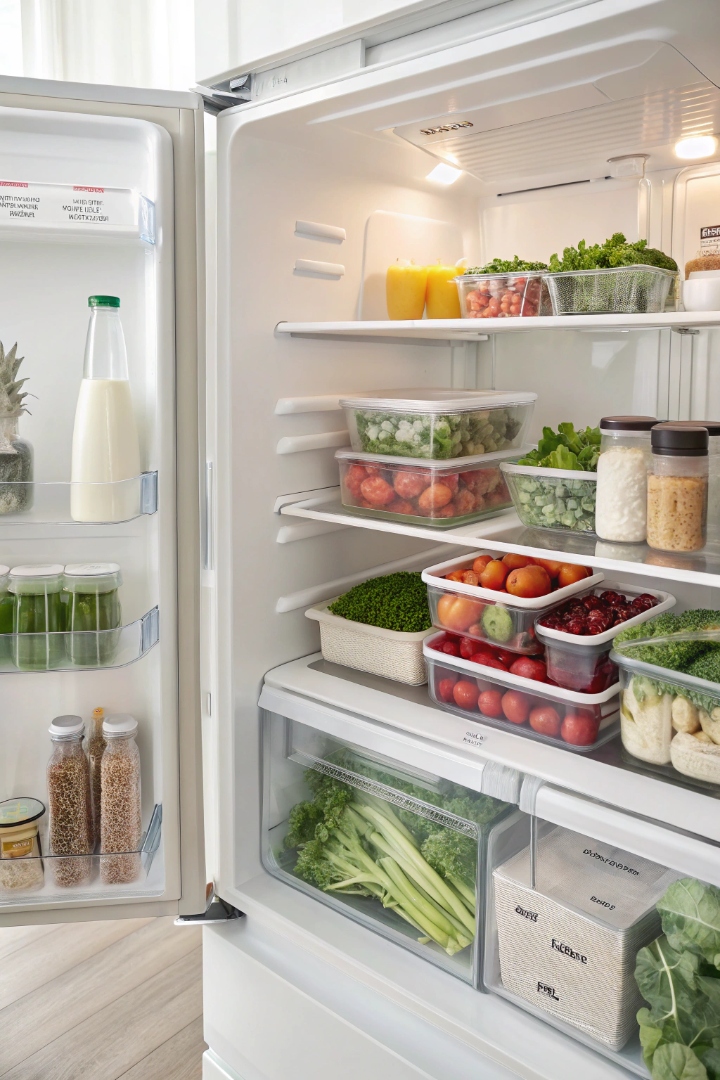
A quick weekly refrigerator inspection prevents small issues from becoming major waste problems. I spend just a few minutes checking expiration dates, identifying ingredients that need attention, and wiping up spills. The routine keeps the refrigerator clean while helping me plan meals around foods that should be used soon. This simple habit saves money without requiring much effort. Pretty sweet, right? Consistency beats massive cleaning sessions every time.
Pro Tip: Schedule fridge checkups before your weekly grocery trip.
Make Frequently Used Foods Easy To Reach
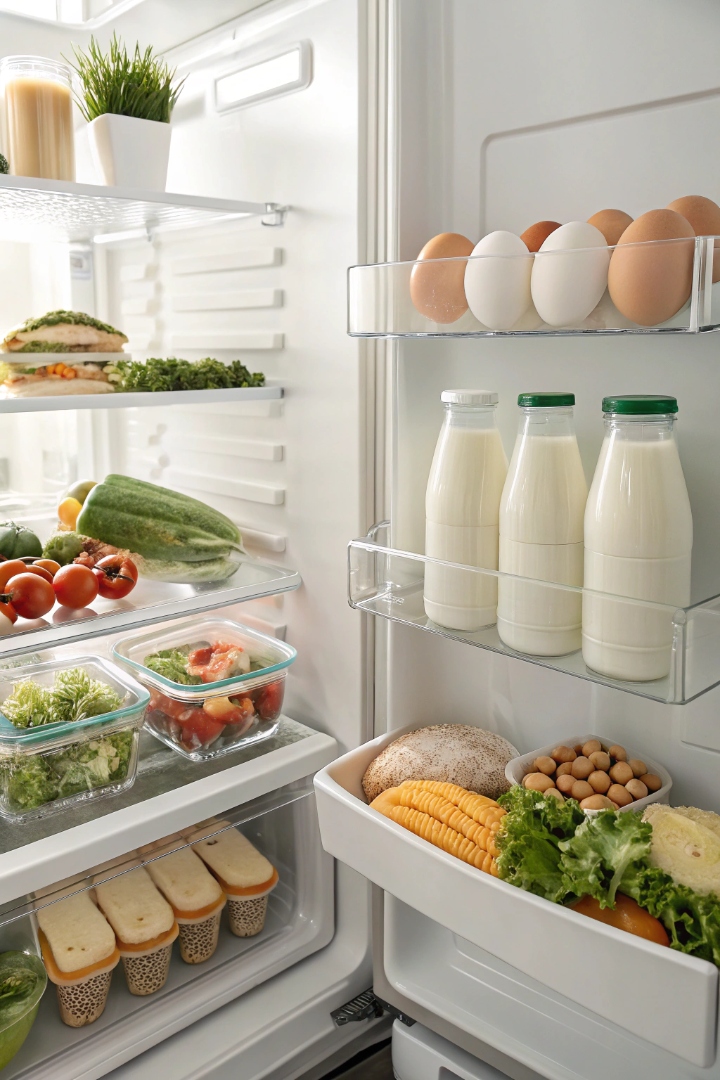
The foods you use most often deserve prime real estate inside your refrigerator. I place everyday essentials like milk, eggs, favorite vegetables, and sandwich ingredients where they’re easiest to access. This arrangement reduces unnecessary searching and minimizes disruption to the rest of the refrigerator. Frequently used foods stay visible and are less likely to expire unnoticed. Why hide the ingredients you reach for every single day? Accessibility supports better organization naturally.
Pro Tip: Reserve eye-level shelves for the foods you use most frequently.
Conclusion
Organizing a refrigerator may seem like a small household project, but the benefits extend far beyond appearance alone. A thoughtfully arranged fridge helps reduce food waste, lower grocery bills, simplify meal planning, and make daily routines feel more manageable. Every organized shelf and clearly visible ingredient creates opportunities to use food before it spoils. Over time, those small wins add up to meaningful savings and less frustration. The transformation feels surprisingly rewarding for such a simple change.
What I love most about refrigerator organization is that it doesn’t require expensive products or a complete kitchen renovation. Small adjustments, consistent habits, and a little intentionality can completely change how your refrigerator functions. As you implement these ideas, you’ll likely discover your own personalized systems that work even better for your family’s lifestyle. The goal isn’t perfection; it’s creating a space that helps you use what you buy and enjoy what you store. That’s where the real value lives.
The next time you open your refrigerator, take a moment to notice what works and what doesn’t. Every shelf offers an opportunity to create a little more order, save a little more money, and waste a little less food. Start with one or two ideas, build momentum gradually, and enjoy the progress along the way. Before long, you’ll have a refrigerator that supports your budget, your meals, and your peace of mind. And honestly, that’s a pretty wonderful feeling.


Leave a Reply