I first understood the power of painted kitchen cabinet colors on a rainy Saturday when I stood in my own kitchen holding three paint swatches against a tired cabinet door, wondering how one small rectangle of color could make me question every design choice I had ever made. The room had good bones, warm morning light, and a layout that worked, but the cabinets looked flat and dated, like they belonged to a version of my life that had already packed up and moved out. I remember opening a can of sample paint, brushing a soft green onto the inside of a cabinet frame, and feeling that tiny thrill you get when a space suddenly starts whispering, “Oh, there you are.” That moment taught me that a fresh cabinet color can change more than the kitchen; it can shift the whole mood of the home.
Choosing a kitchen cabinet paint color sounds simple until you stand under real kitchen lighting and realize white can look creamy, gray can turn blue, and beige can either feel chic or painfully blah. I have taped swatches near the sink, stared at them during breakfast, checked them at sunset, and even judged them under the harsh glow of late-night snack lighting because cabinets live through every hour of the day. The right color has to flatter your countertops, backsplash, flooring, hardware, and the way your family actually uses the room, not just look cute on a tiny card at the paint store. That is why trending painted kitchen cabinet colors matter so much right now: they give us fresh inspiration while still leaving room for personality, warmth, and real-life mess.
What I love most about painting cabinets is how emotional the process feels once the first coat dries and the kitchen begins to look awake again. A deep navy can make a plain room feel tailored, a creamy white can soften a busy space, and a muddy green can turn everyday cooking into something cozy and grounded. You do not need a total renovation to get that fresh look everyone saves on Pinterest; sometimes you just need the right cabinet color, a little patience, and the courage to stop living with a finish you secretly dislike. So if your kitchen feels tired, builder-basic, or just ready for a new chapter, these 16 trending painted kitchen cabinet colors can help you find a shade that feels beautiful, livable, and completely yours.
Warm Cream Cabinets
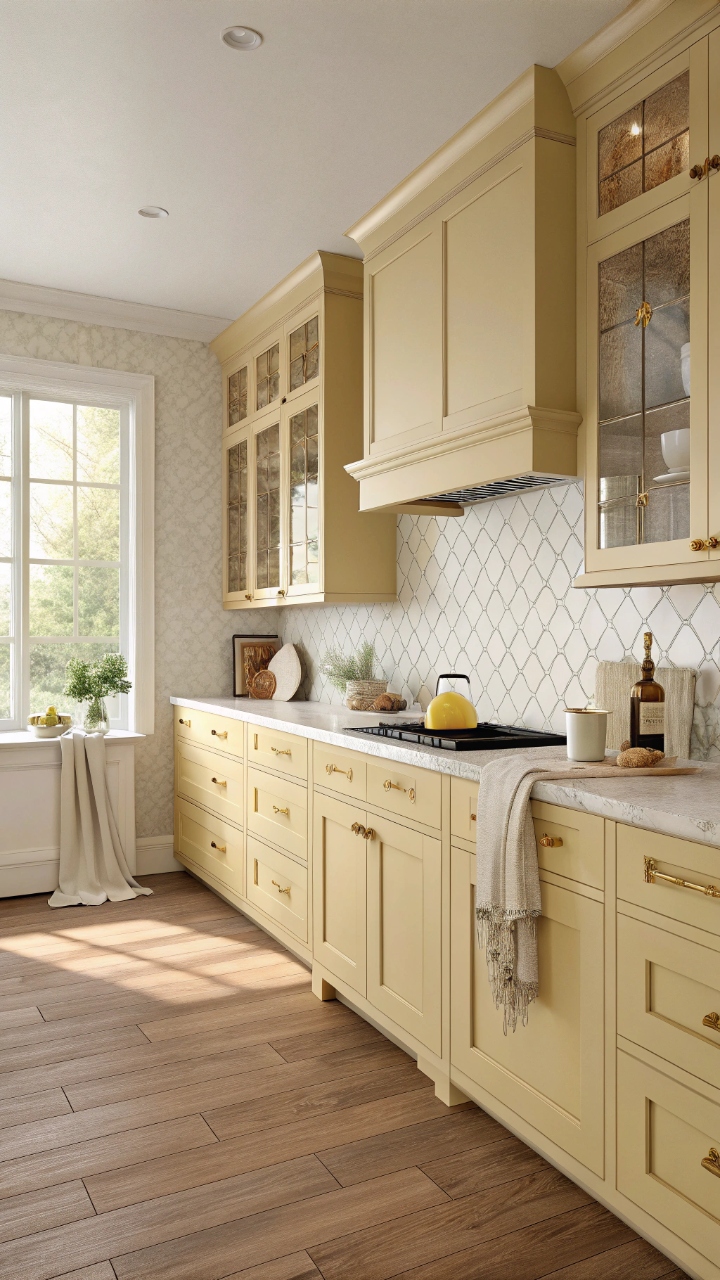
Warm cream cabinets feel like fresh linen, soft butter, and morning light all rolled into one timeless kitchen color. I love this shade because it gives you the brightness of white cabinets without the cold, sterile feeling that can make a kitchen look more showroom than home. Warm cream works beautifully with brass hardware, wood floors, marble-look counters, and handmade tile, which makes it one of the easiest painted kitchen cabinet colors to decorate around. It also hides tiny smudges better than stark white, and that matters when real life includes coffee splashes, floury fingerprints, and someone always opening drawers mid-snack. Doesn’t a kitchen feel more welcoming when the cabinets glow instead of glare?
Pro Tip: Choose a cream with a soft yellow or beige undertone if your kitchen gets cool northern light.
Soft Sage Green Cabinets
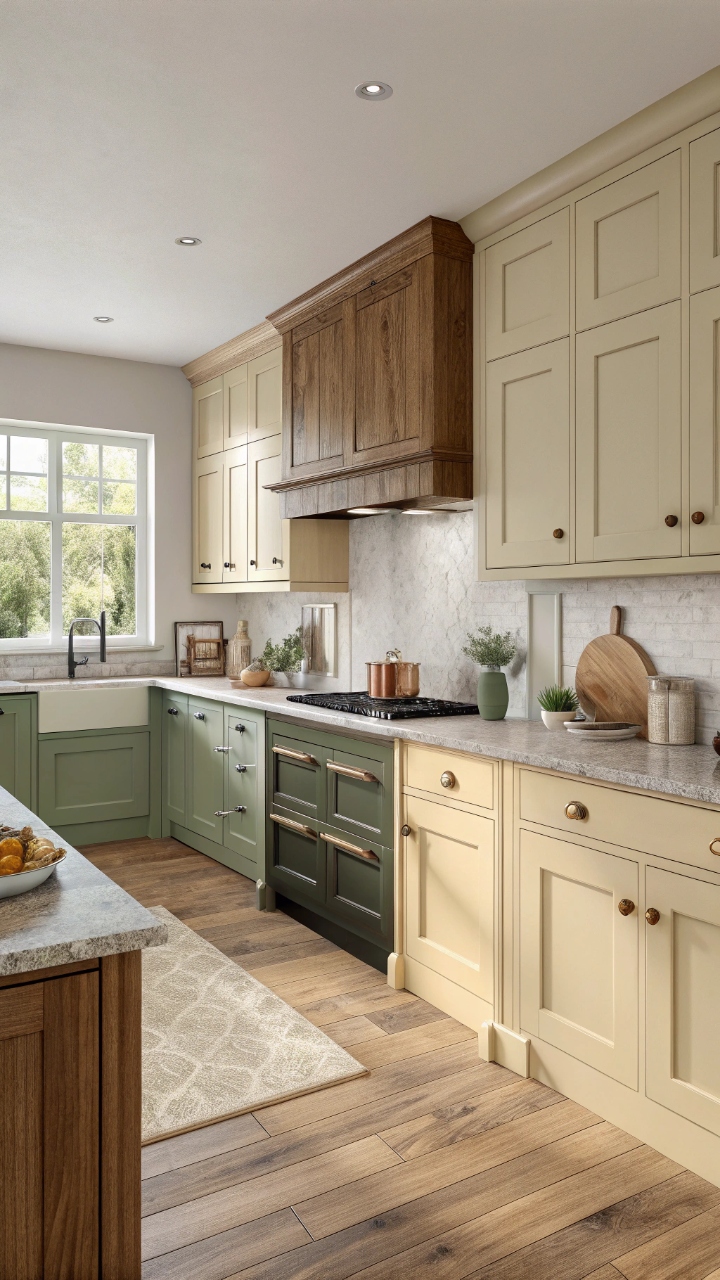
Soft sage green cabinets have become a home-decor favorite because they feel calm, earthy, and fresh without trying too hard. I once saw sage cabinets paired with a white farmhouse sink and warm oak shelves, and the whole room smelled imaginary to me, like basil, clean cotton, and open windows after rain. This color brings nature indoors while still feeling neutral enough for everyday living, especially if you want something more interesting than white but not as bold as emerald or navy. Sage works well in small kitchens because it adds color without swallowing the light, and it makes simple ceramic dishes look extra pretty. It has that quiet “I have good taste” energy, you know?
Pro Tip: Pair sage cabinets with creamy walls and unlacquered brass or matte black hardware for a balanced, current look.
Moody Navy Blue Cabinets
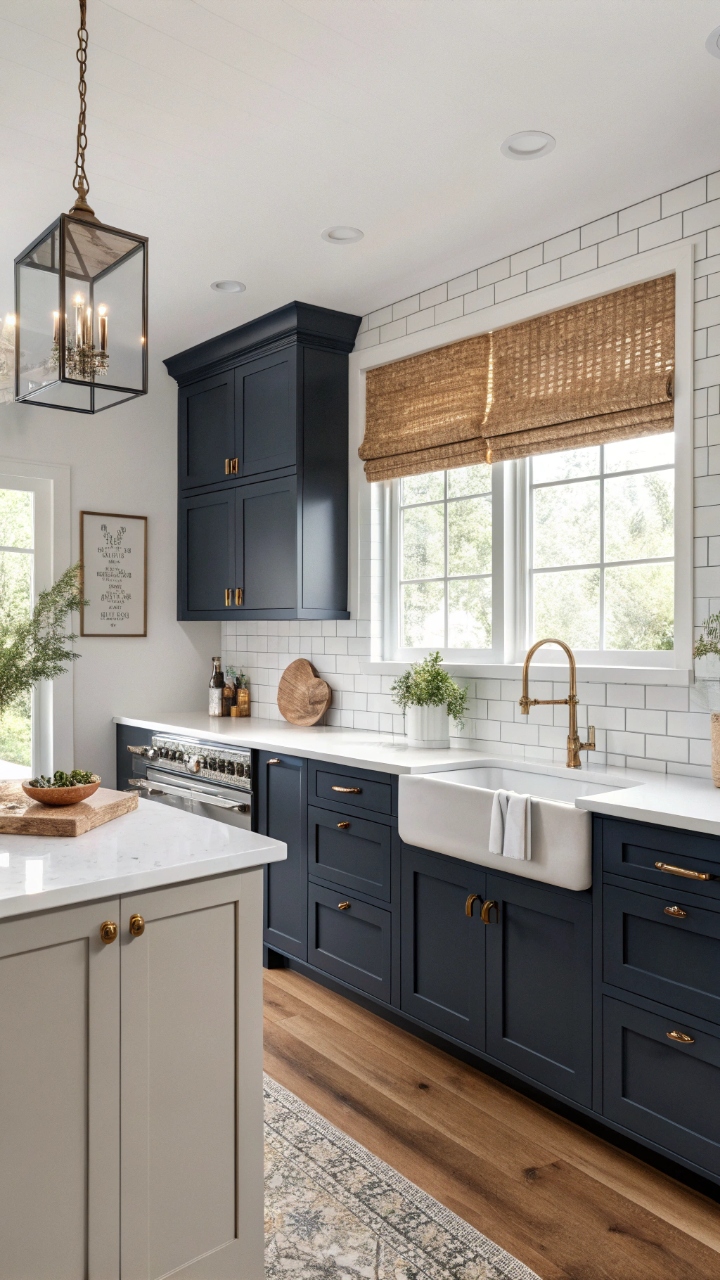
Moody navy blue cabinets bring instant polish to a kitchen, especially when the room has good natural light or crisp white counters. I think of navy as the blazer of kitchen cabinet colors: classic, confident, and somehow always appropriate. A deep navy paint color can make lower cabinets or a kitchen island feel custom and expensive, even if the cabinets themselves started out totally basic. The trick is keeping the surrounding finishes fresh, because navy loves contrast from white tile, warm wood, woven shades, or brushed brass. If your kitchen needs depth but black feels too intense, why not let navy do the heavy lifting?
Pro Tip: Test navy samples at night because some shades can turn almost black under warm bulbs.
Mushroom Taupe Cabinets
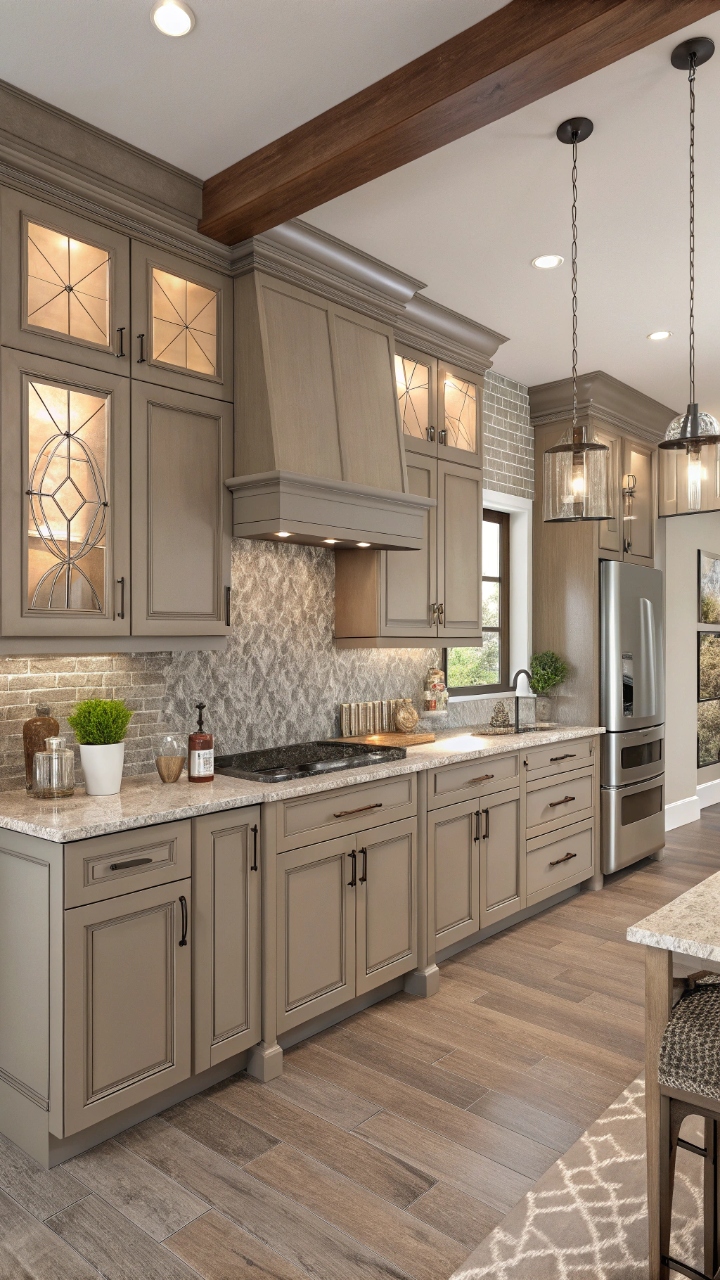
Mushroom taupe cabinets sit in that dreamy space between gray, beige, and brown, which makes them incredibly useful in real homes. I like this color when a kitchen needs warmth but the homeowner still wants a sophisticated, slightly modern look. Mushroom taupe softens hard surfaces like stone counters, stainless appliances, and glossy tile, so the kitchen feels layered instead of flat. It also plays nicely with both cool and warm accents, which helps if you are not replacing every finish during your cabinet refresh. This shade can look understated at first, but once you add texture, wood, and pretty lighting, it becomes low-key gorgeous.
Pro Tip: Use mushroom taupe on cabinets if your floors or counters have mixed undertones that make pure gray or pure beige feel off.
Dusty Blue Cabinets
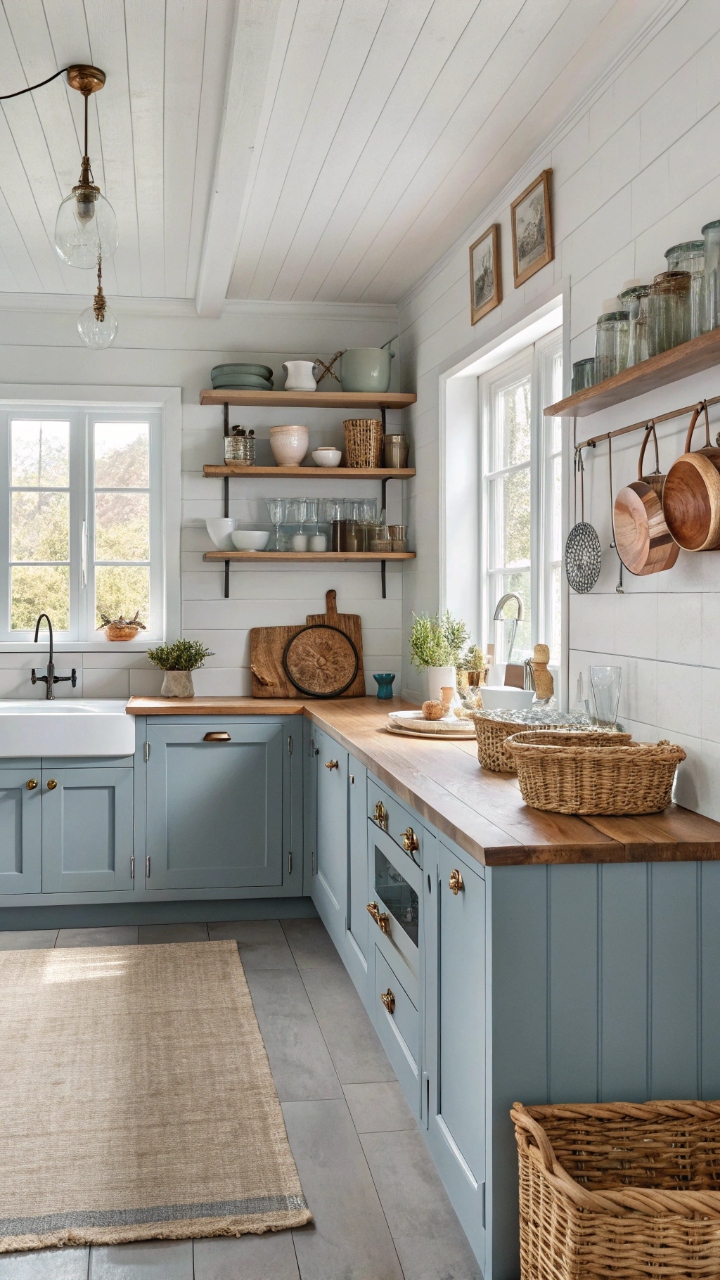
Dusty blue cabinets feel gentle, airy, and a little nostalgic, like a coastal cottage kitchen without the seashell overload. I love how this shade adds color while still keeping the room peaceful, especially in kitchens with white walls, butcher block counters, or vintage-inspired hardware. Dusty blue works best when it has a muted gray undertone, because that keeps it from looking too baby blue or overly sweet. It can make a small kitchen feel charming and personal, and it gives glassware, copper pans, and woven baskets a beautiful backdrop. Isn’t it amazing how one soft color can make weekday dishes feel less annoying?
Pro Tip: Choose dusty blue for upper and lower cabinets only if your kitchen gets enough light; otherwise, try it on lowers with light uppers.
Deep Forest Green Cabinets
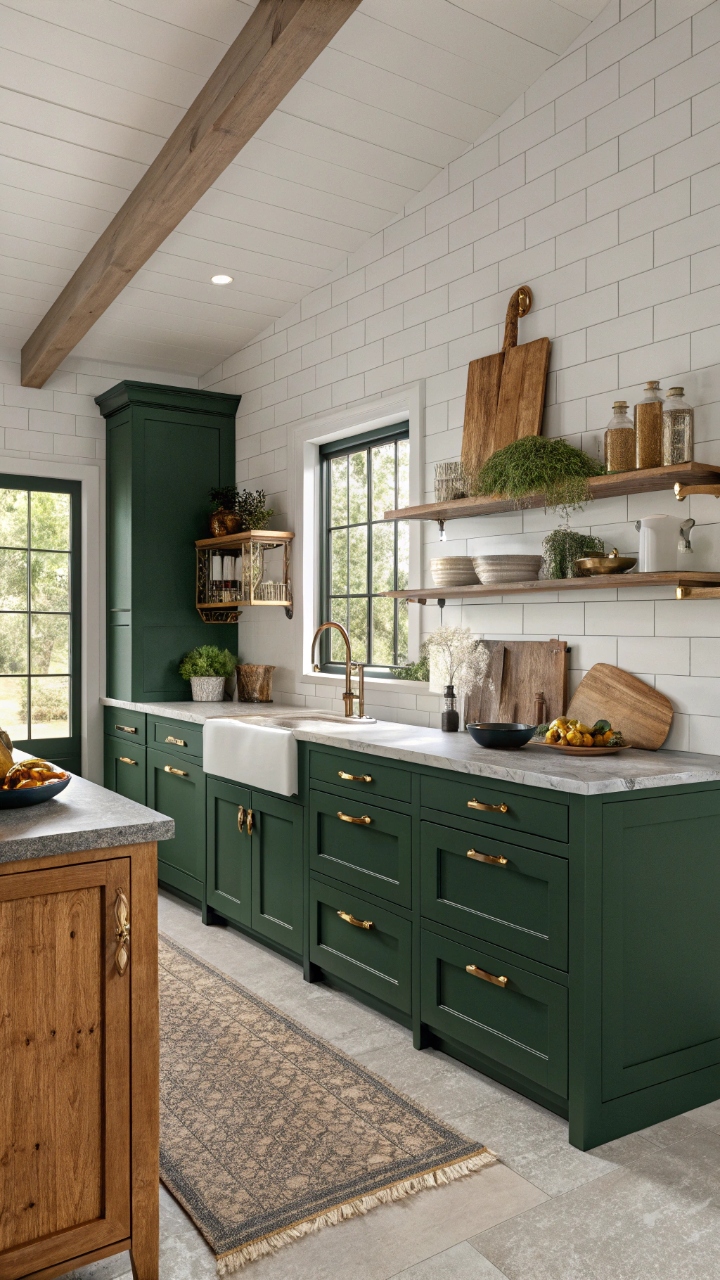
Deep forest green cabinets create a rich, grounded kitchen that feels dramatic but still connected to nature. I always imagine this color beside stone counters, aged brass pulls, and a wooden cutting board leaning casually against the backsplash like it belongs in a cozy countryside inn. Forest green gives cabinets depth, character, and a custom-built feeling, especially when you use it on shaker doors or an island. It works beautifully in kitchens with warm metals and natural textures, but it can feel heavy if the room lacks light, so balance matters. If you want your kitchen to feel bold without going trendy in a throwaway way, this color brings the goods.
Pro Tip: Add warm white walls and open shelving to keep forest green cabinets from feeling too dark.
Greige Cabinets
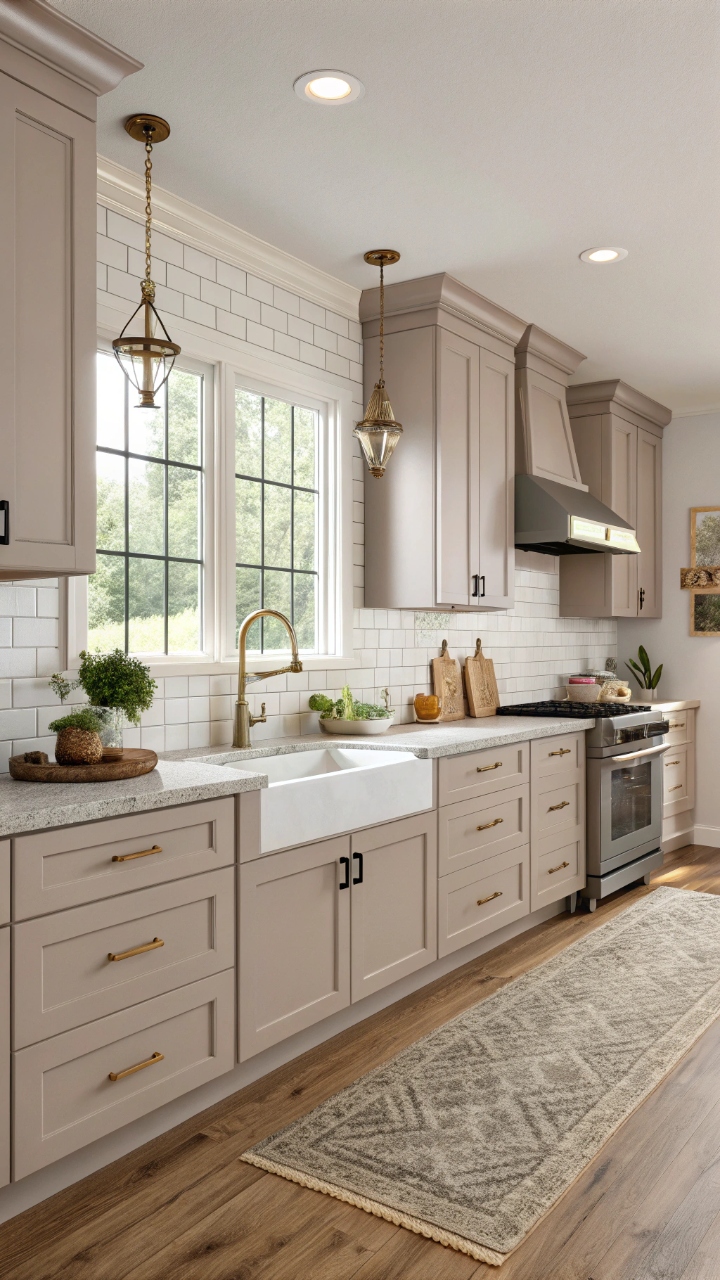
Greige cabinets remain popular because they solve the classic kitchen dilemma of wanting neutral cabinets that do not feel boring. This blend of gray and beige feels practical, soft, and flexible, which makes it perfect for busy kitchens where trends come and go but the cabinets need to last. Greige pairs well with quartz, granite, wood, subway tile, black fixtures, and brass hardware, so it gives you plenty of styling freedom. I like it for open-concept homes because it transitions smoothly into living and dining areas without shouting for attention. It may not sound exciting at first, but sometimes the best cabinet color is the one that makes everything else look better.
Pro Tip: Compare greige samples against your countertop because some shades lean pink, green, or purple in certain lighting.
Charcoal Gray Cabinets
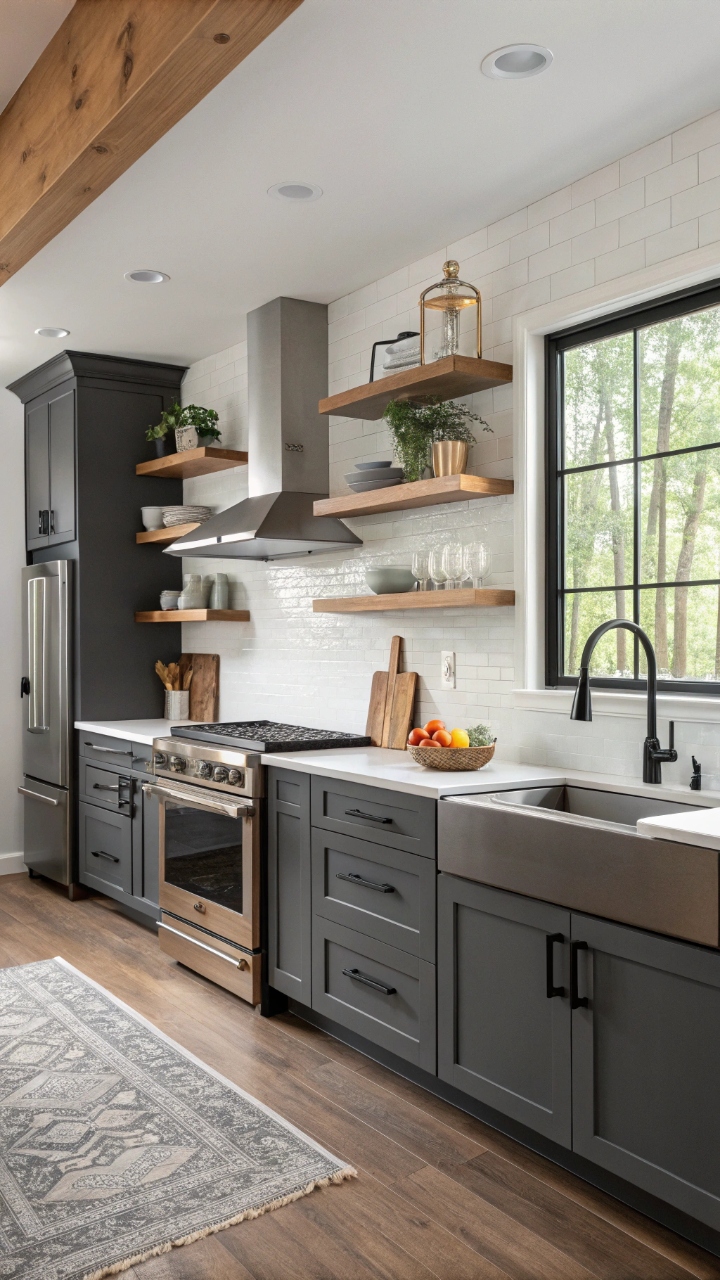
Charcoal gray cabinets feel sleek, grounded, and grown-up, especially in kitchens that need contrast but not full black drama. I love charcoal on lower cabinets because it anchors the room while letting lighter walls and counters breathe above it. This painted cabinet color hides wear better than pale shades, which makes it practical for families, pets, and anyone who cooks with enthusiasm instead of precision. It also looks beautiful with stainless steel appliances, matte black fixtures, and warm wood shelves that keep the palette from feeling too cold. Charcoal has a serious side, but with the right styling, it can feel cozy instead of severe.
Pro Tip: Choose a charcoal with a warm undertone if your kitchen already has cool tile or gray flooring.
Classic White Cabinets
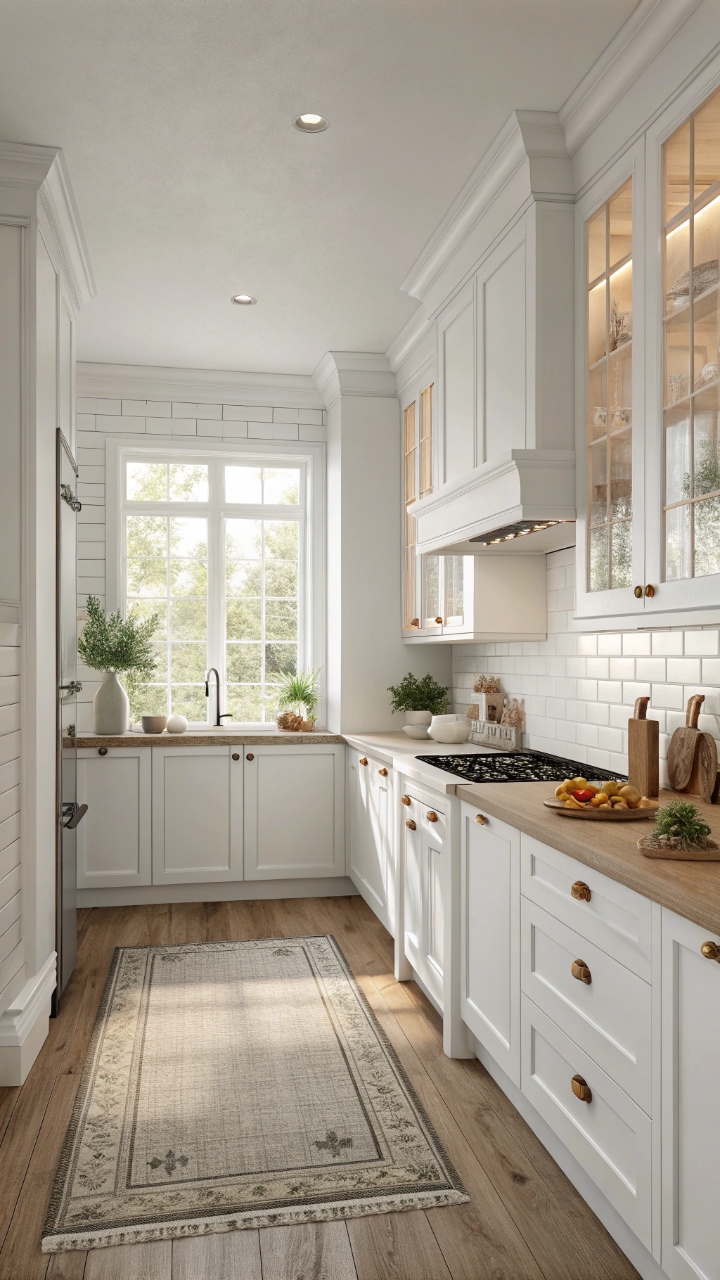
Classic white cabinets still trend because they make kitchens feel clean, bright, and endlessly flexible. I know white cabinets get called safe, but honestly, safe can be stunning when the finish looks fresh and the details feel intentional. White painted kitchen cabinets reflect light, highlight architectural trim, and make small kitchens feel larger, which explains why they never fully leave the design conversation. The secret is choosing the right white, because a crisp white can look sharp and modern while a softer white feels relaxed and cozy. If you love changing rugs, art, dishes, and seasonal decor, white cabinets give you the perfect blank canvas.
Pro Tip: Test white paint next to your backsplash and counters because undertones become very obvious on large cabinet surfaces.
Olive Green Cabinets
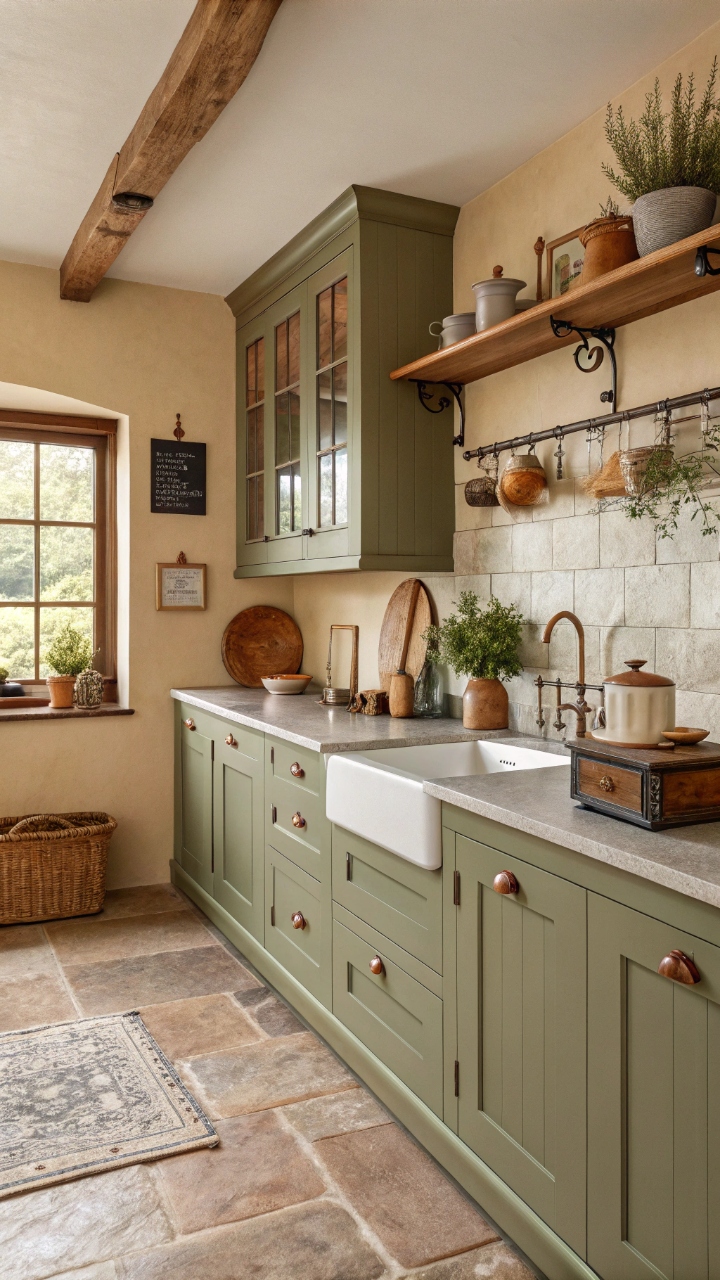
Olive green cabinets bring warmth, personality, and a slightly vintage soul to the kitchen. This color reminds me of ceramic crocks, old recipe cards, farmers market herbs, and the kind of kitchen where soup simmers on a rainy afternoon. Olive works especially well with terracotta, cream, walnut, brass, and natural stone, so it feels earthy without looking muddy. It has more attitude than sage but less drama than forest green, which makes it a sweet spot for anyone craving color with staying power. Could this be the cabinet color that makes your kitchen feel collected instead of decorated overnight?
Pro Tip: Use olive green with warm bulbs and natural textures so the color feels cozy rather than dull.
Soft Black Cabinets
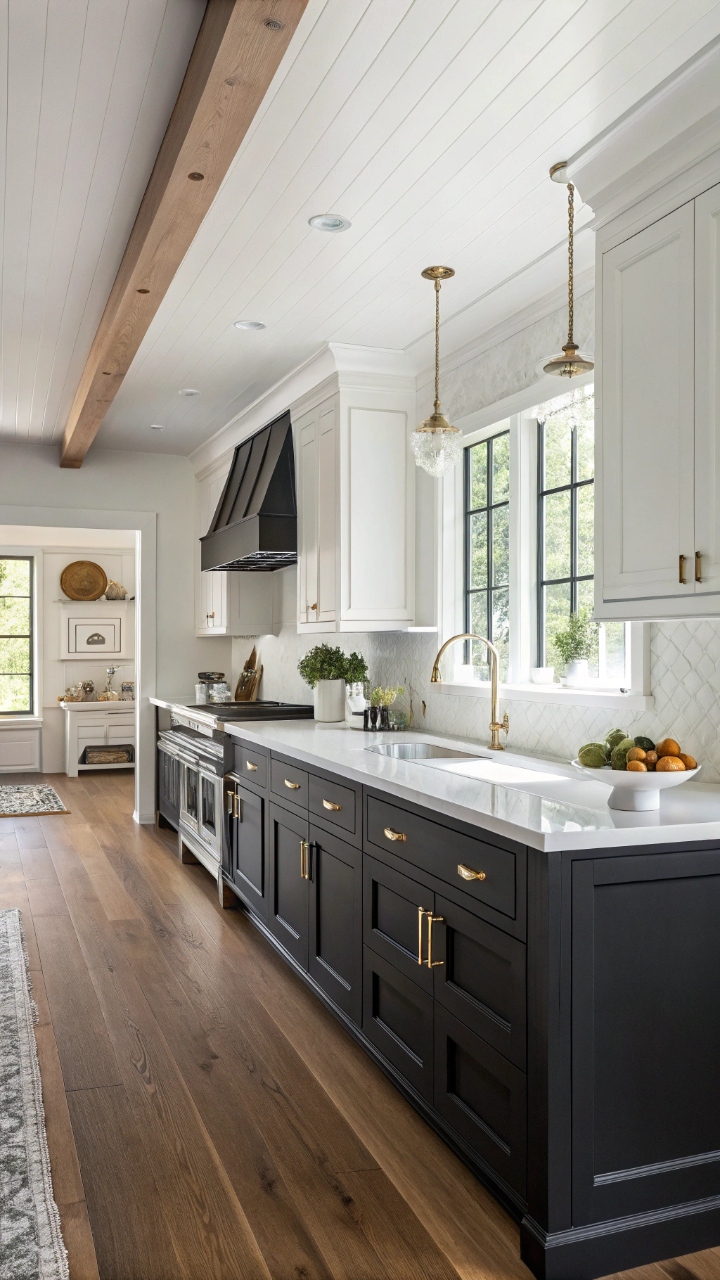
Soft black cabinets can transform a kitchen from plain to striking, but they feel more livable than a harsh true black. I love this look when the black has a charcoal, brown, or green undertone because it adds depth without making the room feel like a cave. Soft black creates beautiful contrast with white counters, brass hardware, wood floors, and creamy walls, giving the kitchen a high-end feel even on a modest budget. It also hides scuffs and daily smudges better than many pale colors, which is a big deal in a hardworking kitchen. The vibe is bold, but not chaotic, and that is why designers keep coming back to it.
Pro Tip: Try soft black on lower cabinets or an island first if you worry about dark cabinets overwhelming the room.
Pale Gray Cabinets
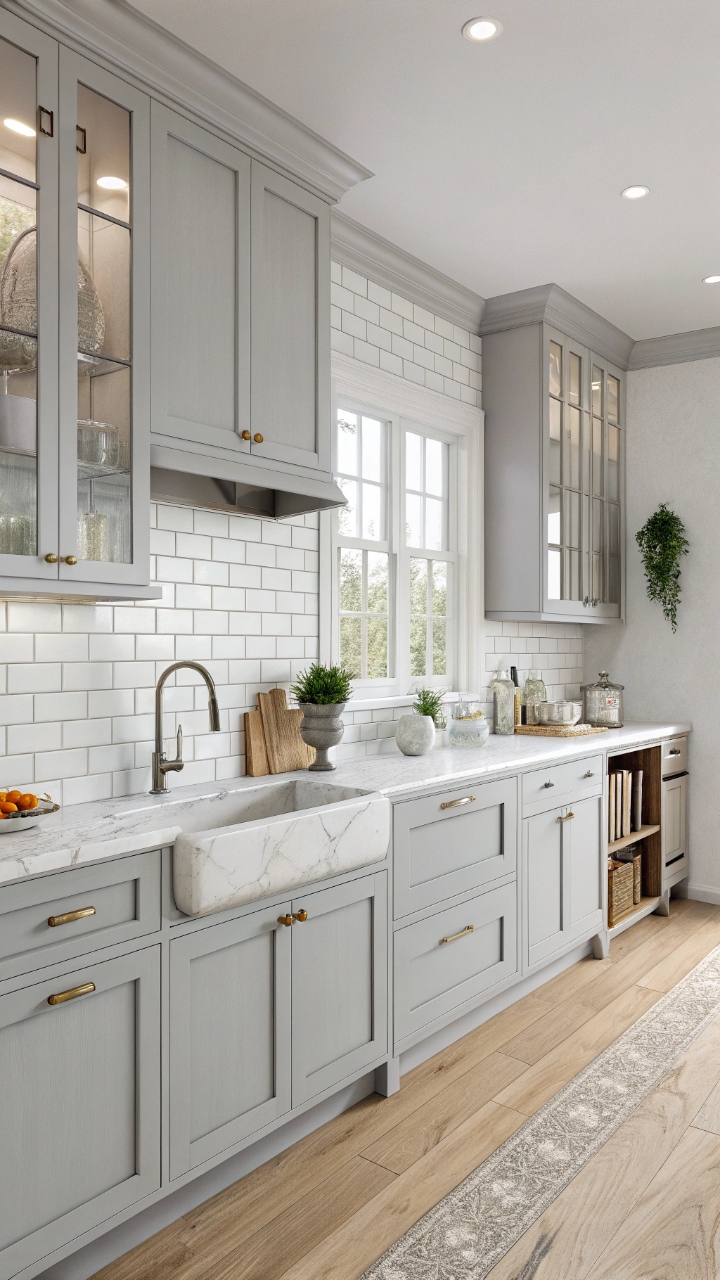
Pale gray cabinets offer a quiet, polished look for homeowners who want something softer than white but still bright and neutral. I like pale gray in kitchens with lots of natural light because the color shifts gently throughout the day, moving from cool morning softness to warm evening calm. This shade pairs beautifully with marble-style counters, chrome fixtures, white tile, and pale wood accents, making it a favorite for fresh, transitional kitchens. The only catch is undertone, because pale gray can turn blue, lavender, or green depending on the light. When you find the right one, though, the kitchen feels clean without feeling clinical.
Pro Tip: Paint a large sample board and move it around the kitchen before committing to pale gray cabinets.
Clay Beige Cabinets
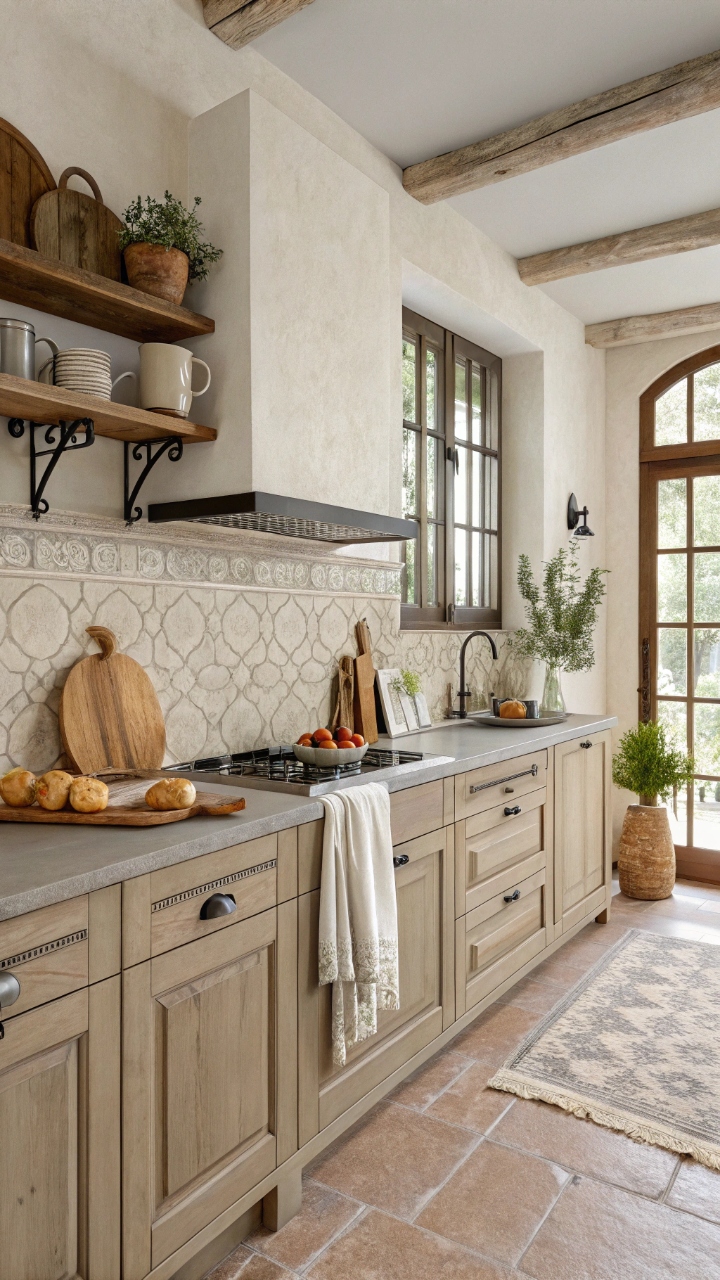
Clay beige cabinets feel warmer and more organic than standard beige, which is why they are showing up in so many fresh kitchen designs. This color has a sun-baked, earthy quality that reminds me of handmade pottery, linen aprons, and warm bread cooling on the counter. Clay beige works beautifully with zellige tile, wood accents, stone counters, and aged metals, creating a kitchen that feels relaxed but still styled. It gives neutral lovers a little more personality without jumping into bold color territory. If white feels too bright and taupe feels too gray, clay beige might be your happy middle.
Pro Tip: Pair clay beige cabinets with off-white walls instead of stark white to keep the whole palette soft and cohesive.
Muted Teal Cabinets
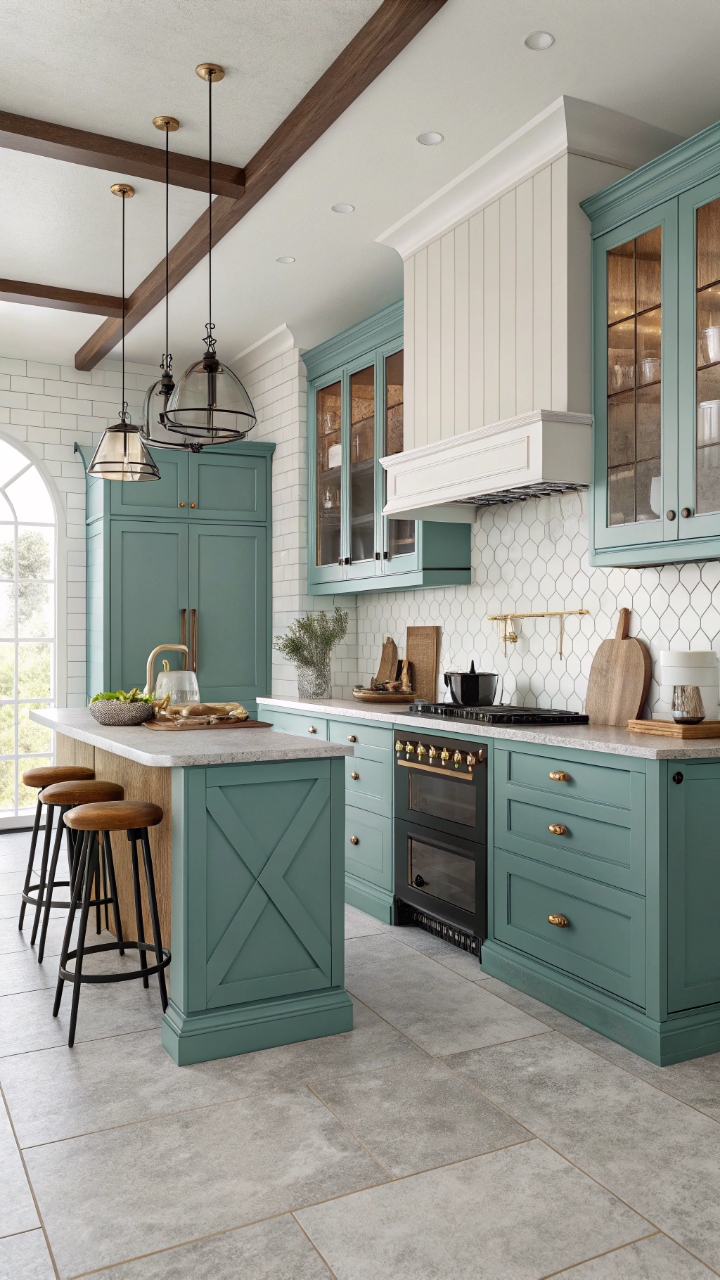
Muted teal cabinets bring personality, depth, and a little unexpected charm to a kitchen that needs a fresh point of view. I love teal when it leans smoky or dusty rather than bright, because that makes it feel sophisticated instead of playful in a theme-room way. Muted teal pairs well with brass, leather, warm wood, creamy tile, and even black accents, so it can move between modern, vintage, and eclectic styles. It works especially well on a kitchen island if you want color without committing every cabinet to the look. This shade has main-character energy, but it still knows how to behave.
Pro Tip: Keep surrounding colors simple so muted teal cabinets stay stylish instead of competing with too many bold finishes.
Buttery Yellow Cabinets
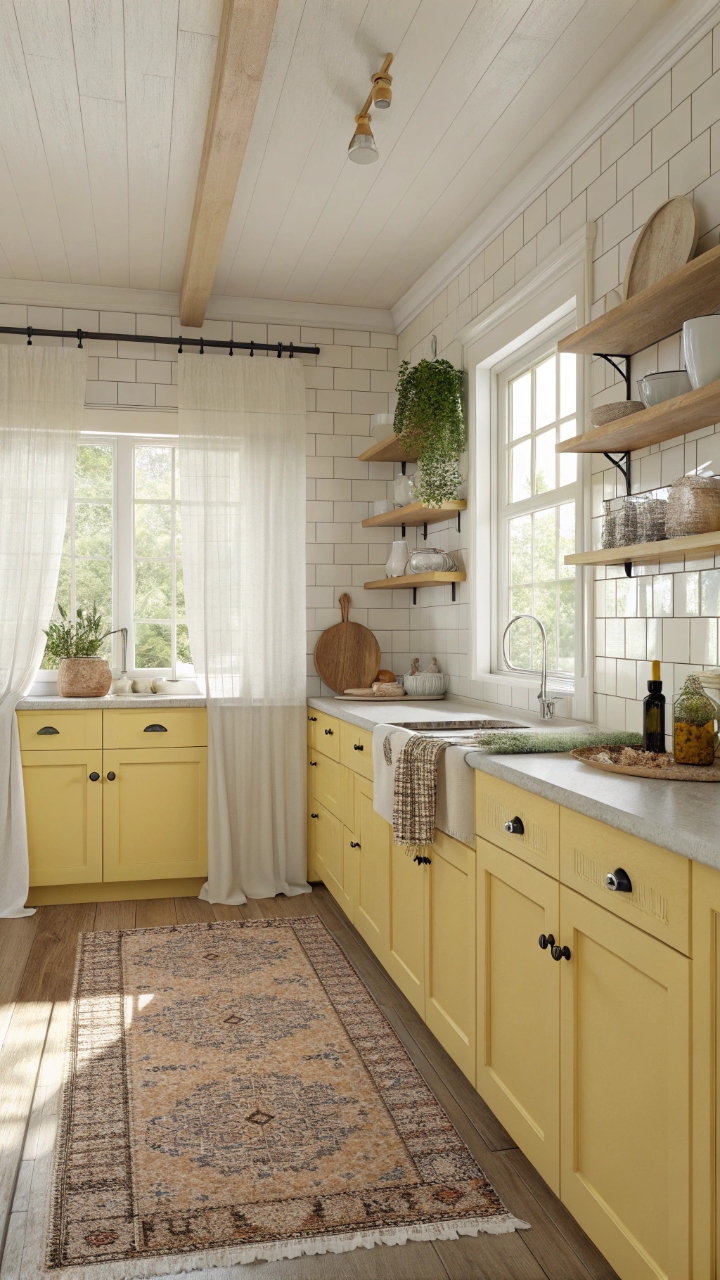
Buttery yellow cabinets feel cheerful, nostalgic, and full of personality when you choose a soft, creamy version instead of a loud primary yellow. I once walked into a small kitchen with pale yellow cabinets and white curtains, and the whole room felt like Sunday pancakes and sunshine. This color warms up kitchens that lack natural light, making the space feel happier even on gray mornings. It looks lovely with butcher block, white tile, vintage rugs, and simple ceramic knobs if you want a cottage-inspired look. Yellow can be tricky, but when it lands right, it feels like instant hospitality.
Pro Tip: Choose a muted butter yellow with a creamy base so the cabinets look warm, not neon.
Two-Tone Cabinet Colors
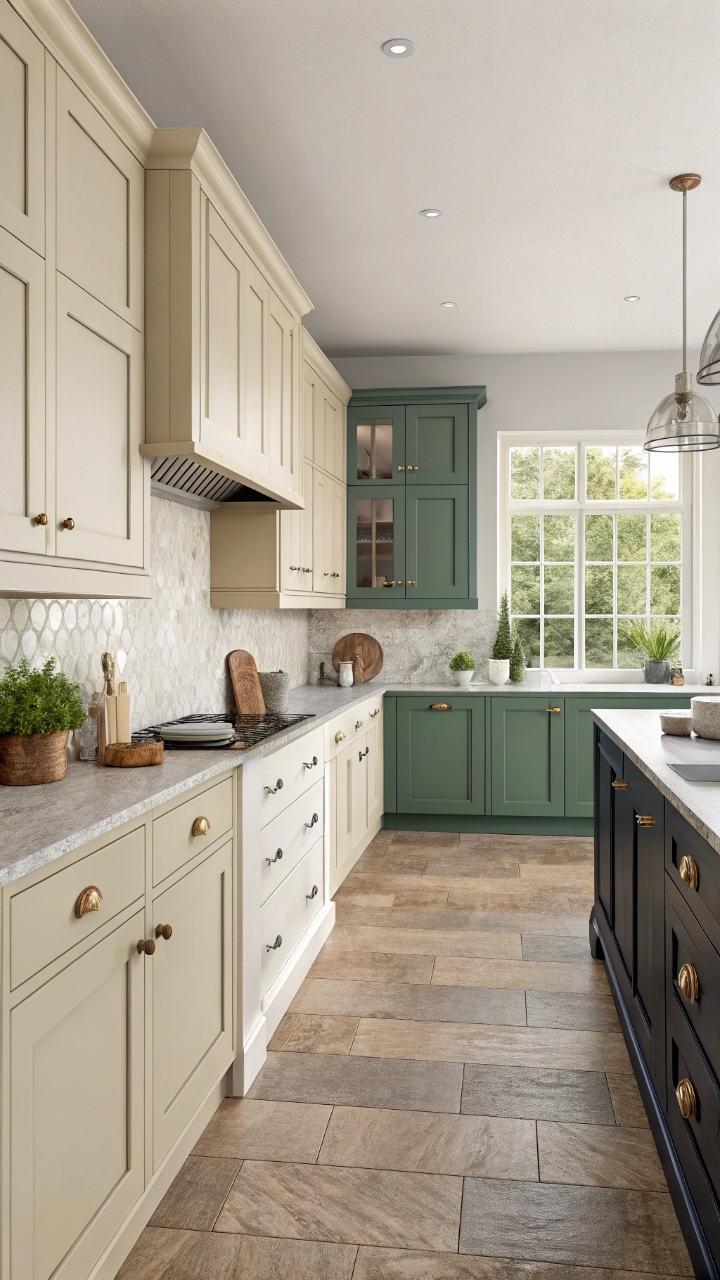
Two-tone cabinet colors keep trending because they let you enjoy contrast without painting the entire kitchen one bold shade. I especially love light uppers with darker lowers because the room stays open while the base cabinets feel grounded and practical. Popular combinations include cream and sage, white and navy, greige and charcoal, or warm beige and forest green, depending on how much drama you want. This approach also helps connect different finishes, like wood floors, stone counters, and mixed metal hardware. Why choose one beautiful cabinet color when two can create balance, depth, and a custom designer look?
Pro Tip: Keep the darker color on lower cabinets or the island to visually anchor the kitchen and reduce heaviness overhead.
Conclusion
A fresh cabinet color can make a kitchen feel new long before you change the layout, replace the counters, or order a single new appliance. Paint has a way of waking up the details you stopped noticing, from the curve of a cabinet pull to the warmth of sunlight landing on a freshly painted door. When you choose a shade that works with your home instead of against it, the kitchen starts to feel more intentional, more welcoming, and more like a place you actually want to linger. That matters because kitchens hold so many ordinary moments, from sleepy coffee pours to loud dinner prep to quiet late-night glasses of water. The right painted kitchen cabinet color can turn those moments into something softer and more beautiful. It gives the heart of the home a fresh look without erasing the life already lived there.
If you feel unsure, start with samples, patience, and honest observation instead of rushing toward the trendiest shade on your feed. Tape colors near your counters, check them morning and night, and notice which one makes the room feel calmer, brighter, richer, or more like you. Trends can inspire you, but your lighting, finishes, and daily routines should make the final call. Whether you fall for warm cream, soft sage, moody navy, or a bold two-tone kitchen, choose a cabinet color that supports the feeling you want to come home to. A painted cabinet refresh may look like a design project, but it often feels like a personal reset. And honestly, when the kitchen finally reflects your taste, even reheating leftovers can feel a little more special.
Leave a Reply