Activate the yeast: In a small bowl, combine warm water, sugar, and yeast. Stir gently and let it sit for 5–10 minutes until the mixture becomes foamy and bubbly. This step ensures the yeast is active and will help the bread rise properly.
Prepare the dough: In a large mixing bowl, whisk together the flour and salt. Pour in the activated yeast mixture along with the olive oil. Mix everything together using a wooden spoon or your hands until a rough dough forms and all the flour is incorporated.
Knead the dough: Transfer the dough onto a lightly floured surface. Knead for about 8–10 minutes, pressing and folding the dough until it becomes smooth, elastic, and slightly tacky but not sticky. Add a little flour if needed, but avoid adding too much to keep the bread soft inside.
First rise: Place the dough in a lightly oiled bowl, turning it once so the surface is coated. Cover with a clean kitchen towel or plastic wrap and let it rise in a warm place for 1 to 1 1/2 hours, or until it has doubled in size.
Shape the loaf: Punch down the risen dough gently to release air. Shape it into a round or oval loaf, keeping the surface slightly tight for a nice crust. Place it on a baking sheet dusted with cornmeal to prevent sticking and to give a rustic texture to the bottom.
Second rise: Cover the shaped dough loosely and let it rise again for 30–40 minutes until puffy. This second rise helps develop a light and airy interior.
Bake the bread: Preheat your oven to 425°F (220°C). If desired, make a few shallow slashes on top of the dough with a sharp knife. Bake for 30–35 minutes until the crust is golden brown and the loaf sounds hollow when tapped on the bottom. For an extra crispy crust, you can place a small pan of water in the oven to create steam.
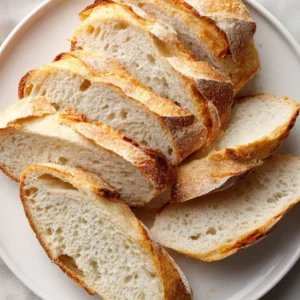
Cool and serve: Remove the bread from the oven and let it cool on a wire rack for at least 20 minutes before slicing. This allows the interior to set properly and enhances the flavor. Slice and enjoy with olive oil, butter, or your favorite dishes.