Setting up my first guest room seemed simple—just a clean bed and fresh sheets. But when my cousin arrived late that night, I instantly realized it takes more than the bare minimum to make a room feel truly welcoming. The room was technically fine, but it didn’t feel like anyone would actually want to stay there, and that hit me more than I expected. Why do we often treat guest spaces as afterthoughts when they’re really emotional first impressions? That moment pushed me to rethink everything about how a guest bedroom should feel.
Over time, I started experimenting with textures, lighting, and small details that made the space feel more lived-in and warm. I noticed that even tiny changes like softer lamps or folded throws completely shifted the mood of the room. It wasn’t about spending more money, it was about paying attention to how the space feels when someone walks in carrying their suitcase and a long day behind them. Have you ever noticed how comfort is something you sense before you even sit down? That realization changed how I design every guest room now.
Eventually, my guest bedroom became one of the most complimented spaces in my home, even though it’s honestly one of the smallest rooms I have. Friends started saying it felt like a boutique stay rather than a spare room, which still makes me smile every time I hear it. And funny enough, I didn’t do anything dramatic—just thoughtful layering and emotional intention. Isn’t it interesting how the smallest rooms can carry the biggest feelings when designed with care? That’s exactly what inspired this guide.
Soft Neutral Layers That Instantly Calm the Room
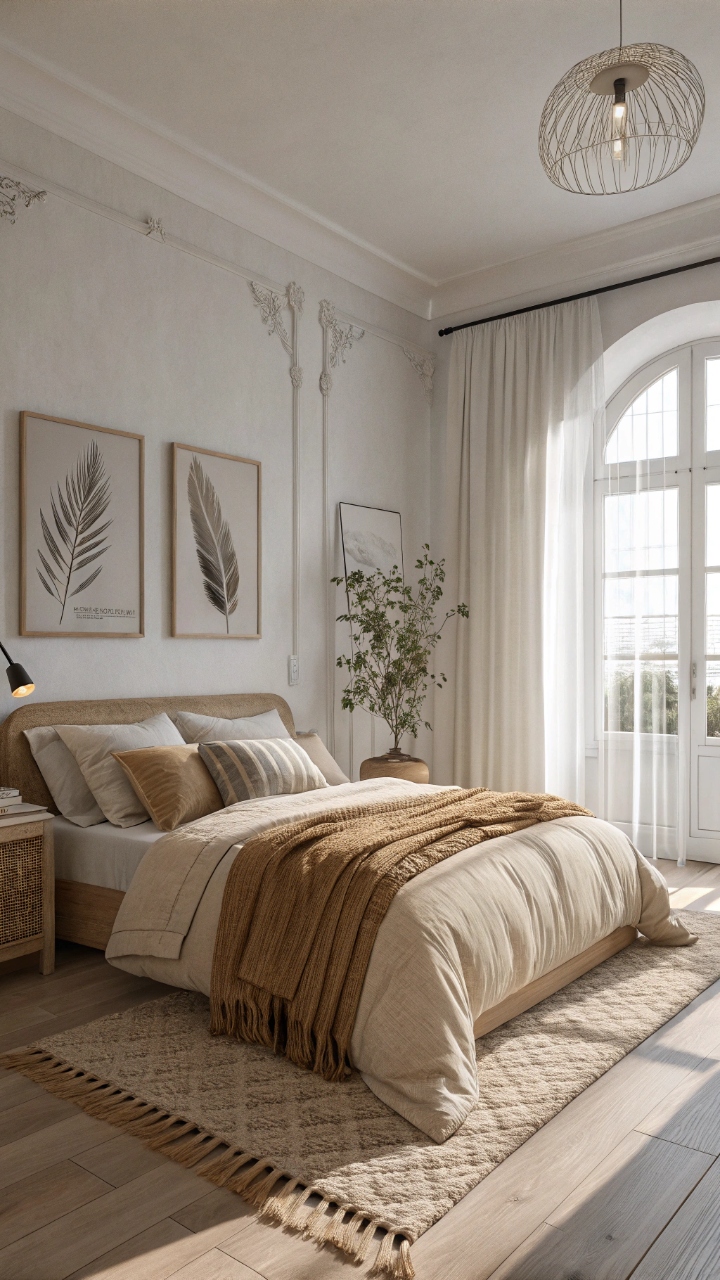
A guest bedroom always begins with color, and I discovered that soft neutral tones can completely shift the emotional atmosphere of a space without needing bold decoration or complex styling, especially when you combine warm beige, soft ivory, and muted taupe in layered bedding. When I first switched to these tones, the room immediately felt quieter, softer, and more emotionally balanced, almost like it was exhaling after being tense for too long. I started layering linen sheets, cotton duvets, and textured throws to create depth without visual noise, and suddenly the bed became the calm center of the entire room. Have you ever noticed how certain colors make you instinctively slow down when you enter a space? That’s exactly what neutrals do when used intentionally.
Pro Tip: Stick to three neutral shades and build depth through texture instead of additional colors.
Statement Headboard Alternatives That Feel Artistic
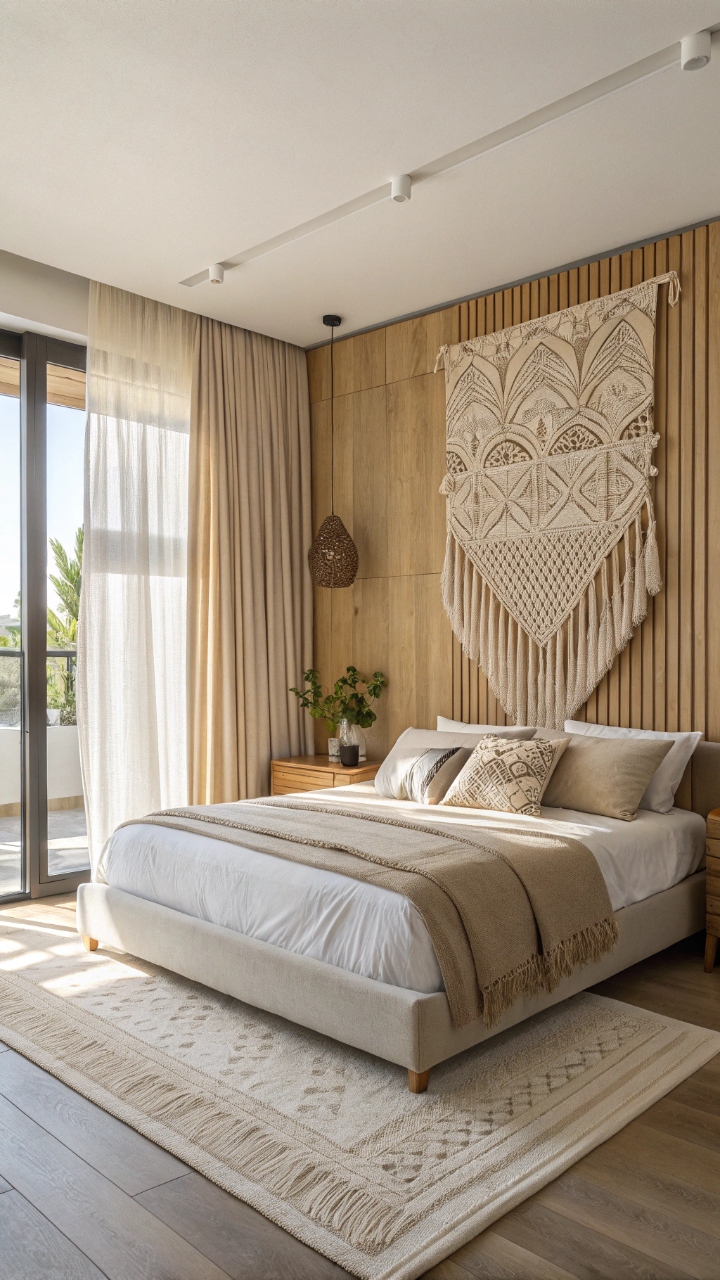
Instead of relying on traditional headboards, I started experimenting with woven textiles, wooden panels, and even fabric hangings placed directly behind the bed, and each variation brought a different personality into the room without overwhelming it visually. One of my favorite setups was a tall wooden board leaned casually behind the mattress, which instantly created a soft architectural frame that felt both relaxed and intentional. These alternatives often feel more artistic because they don’t follow strict design rules, yet they still anchor the bed beautifully in the space. Why do we assume structure always has to be formal when it can feel expressive instead? Guests tend to notice these subtle choices more than expensive furniture.
Pro Tip: Use fabric or wood-based backdrops instead of traditional headboards for a lighter aesthetic.
Minimalist Calm With Bare Wall Beauty
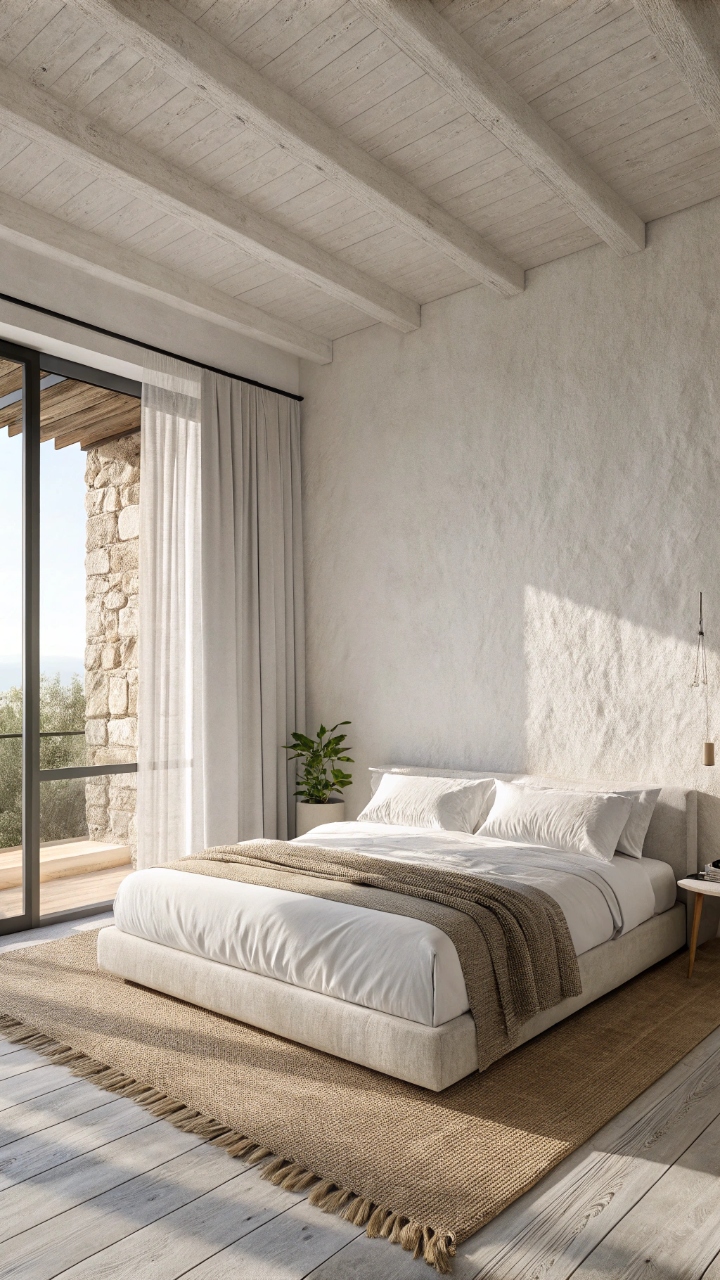
There was a time when I removed all wall decor behind the bed just to see how the space would feel, and surprisingly it created one of the calmest and most peaceful atmospheres I’ve ever experienced in a bedroom. Without visual distractions, the bed naturally became the focal point, and everything else felt softer and more intentional in its simplicity. I paired it with crisp bedding and a single textured throw, and the entire room felt like a quiet pause from everything outside it. Have you ever stepped into a room that instantly makes your thoughts feel lighter? That’s the effect of intentional emptiness.
Pro Tip: Let negative space become part of the design instead of filling every wall.
Hotel-Inspired Bedding That Feels Instantly Luxurious
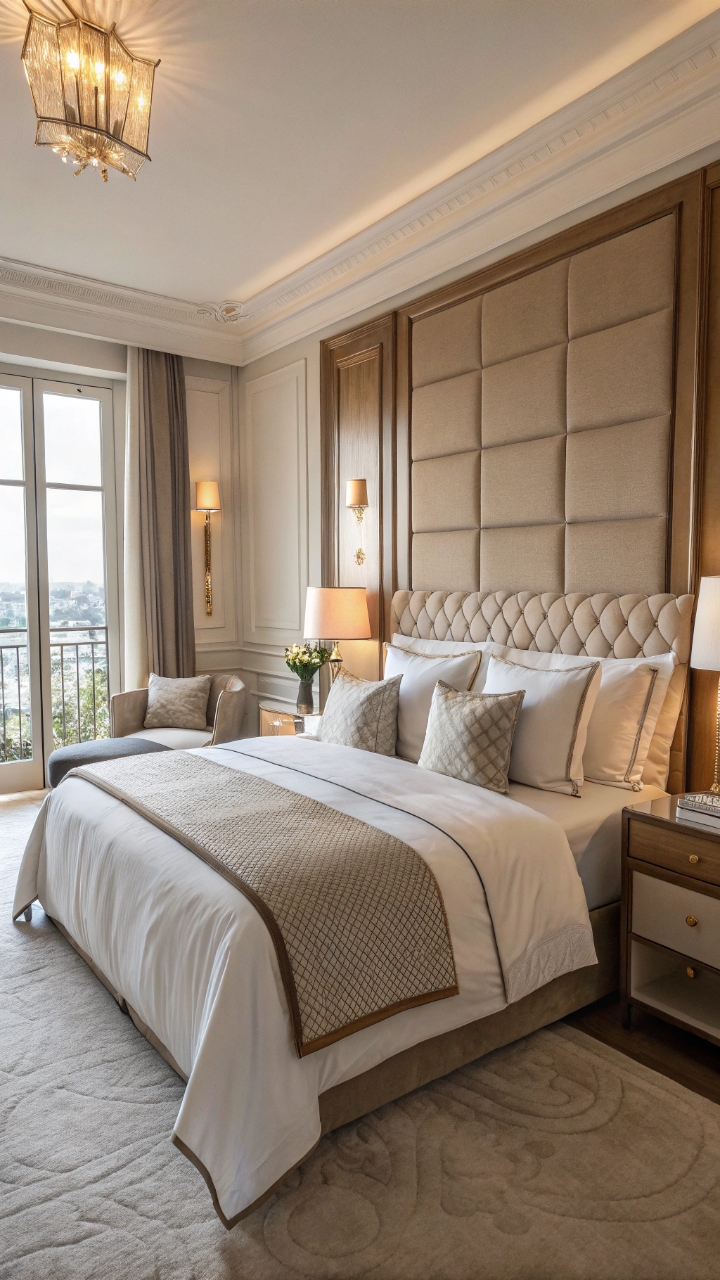
I started designing guest beds like hotel rooms by layering multiple pillows, folding duvets neatly, and using slightly oversized blankets, and the difference in atmosphere was immediate and striking. The bed suddenly felt more inviting, structured, and emotionally comforting, almost like something you would want to sink into after a long journey. Even simple changes like stacking pillows at different heights or folding linens halfway down created a sense of quiet luxury without extra cost. Why do hotel beds always feel more welcoming than our own, even when they’re simpler? It’s all in the presentation.
Pro Tip: Use layered pillows and neatly folded bedding to recreate a boutique hotel experience.
Multi-Functional Seating That Adds Comfort and Flexibility
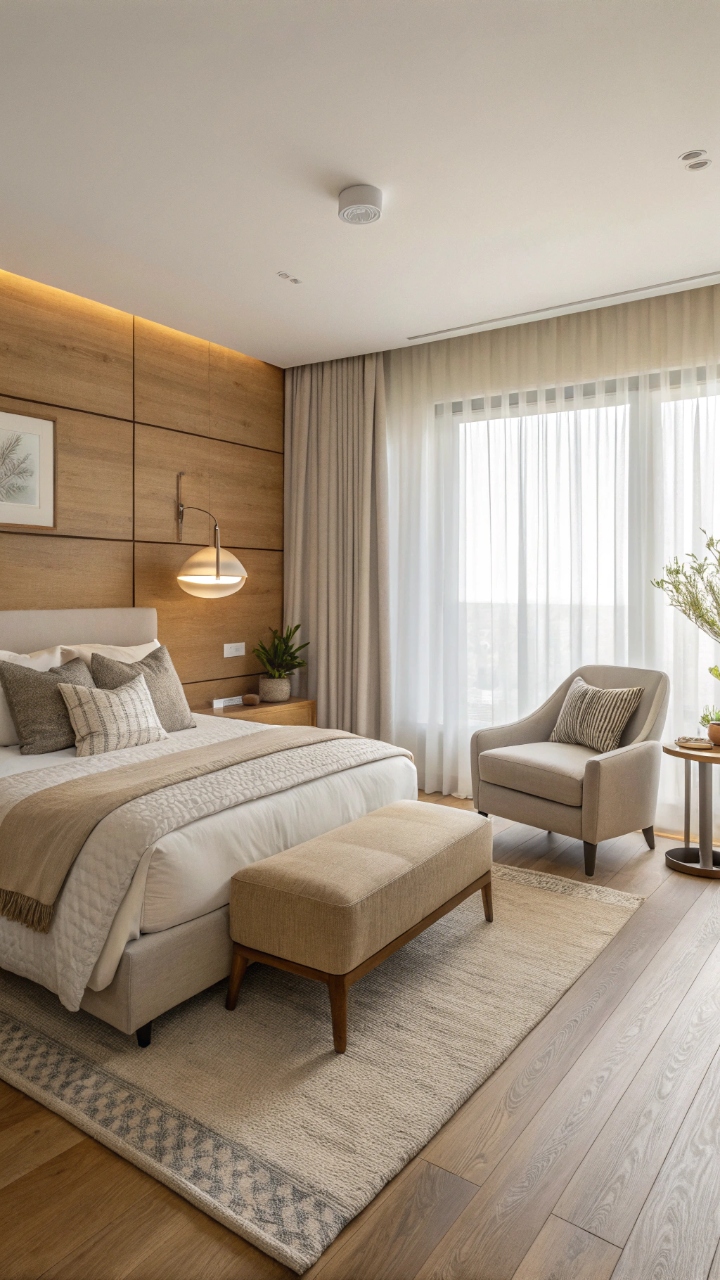
Adding seating to a guest bedroom completely changed how the space functioned for me, especially when I introduced a small upholstered bench that could be used for sitting, placing luggage, or simply resting for a moment of pause. The room instantly felt more versatile and complete, as if it could support different moments of use rather than just sleep. Even a small accent chair with a soft throw can create a quiet corner that feels personal and grounding. Have you ever noticed how a single chair can change the emotional rhythm of a room? It gives the space a sense of invitation beyond the bed.
Pro Tip: Choose compact seating that adds function without crowding the room.
Layered Lighting That Changes the Mood Instantly
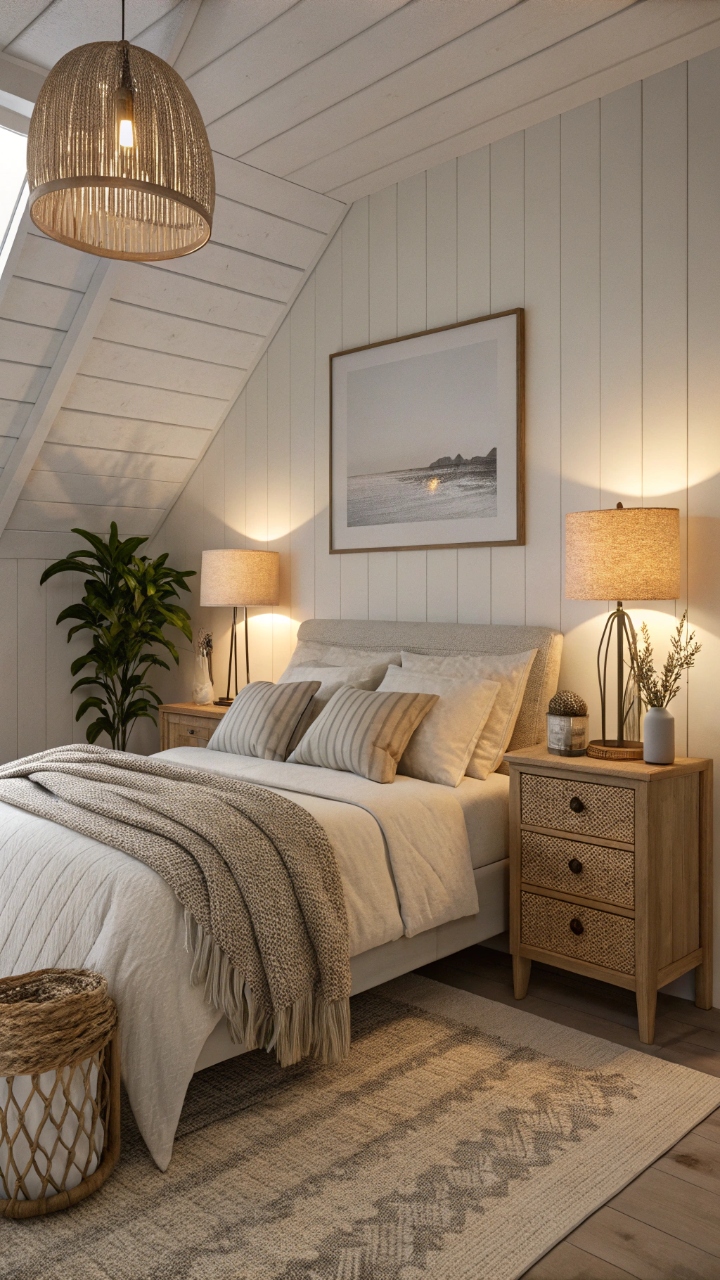
Lighting completely changed how I experienced my guest bedroom after I replaced a single harsh ceiling light with multiple warm light sources, including bedside lamps and a soft corner glow that made the entire room feel more relaxed and emotionally inviting. The difference was immediate, especially at night when the space shifted from flat brightness to a layered, cozy atmosphere that felt almost cinematic. I started realizing that lighting doesn’t just illuminate a room, it defines how it feels at different times of the day. Have you ever walked into a room that felt different just because of the lighting? That’s the power of layering.
Pro Tip: Combine at least two warm light sources to create depth and comfort.
Smart Storage That Keeps the Room Effortlessly Tidy
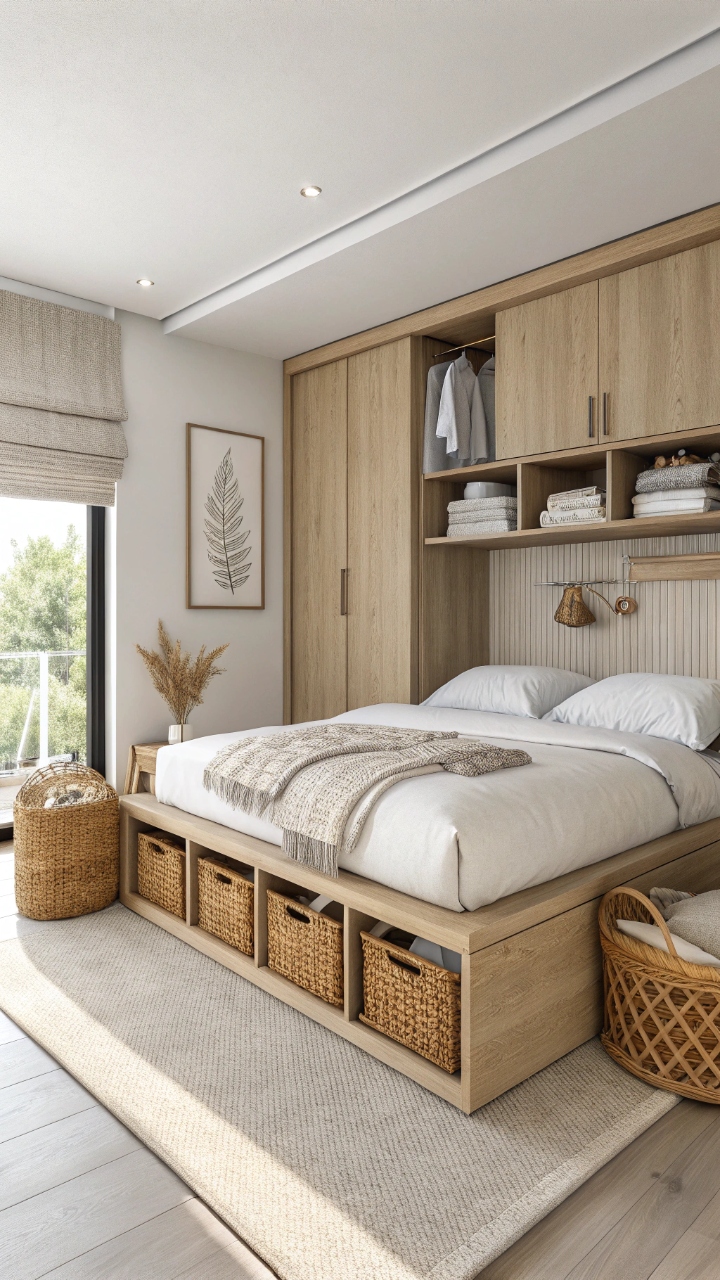
A guest bedroom feels most comfortable when it stays visually calm, and I learned that adding hidden storage like under-bed bins, woven baskets, and slim shelves made a huge difference in maintaining that sense of order without making the room feel heavy or cluttered. Guests may not always comment on storage, but they always feel the difference when their belongings have a place. I started prioritizing furniture that doubles as storage so the room could stay functional while still looking soft and uncluttered. Why create stress in a space meant for rest? Simplicity always wins.
Pro Tip: Use hidden or woven storage pieces that blend naturally into the room.
Subtle Accent Walls That Add Personality Without Noise
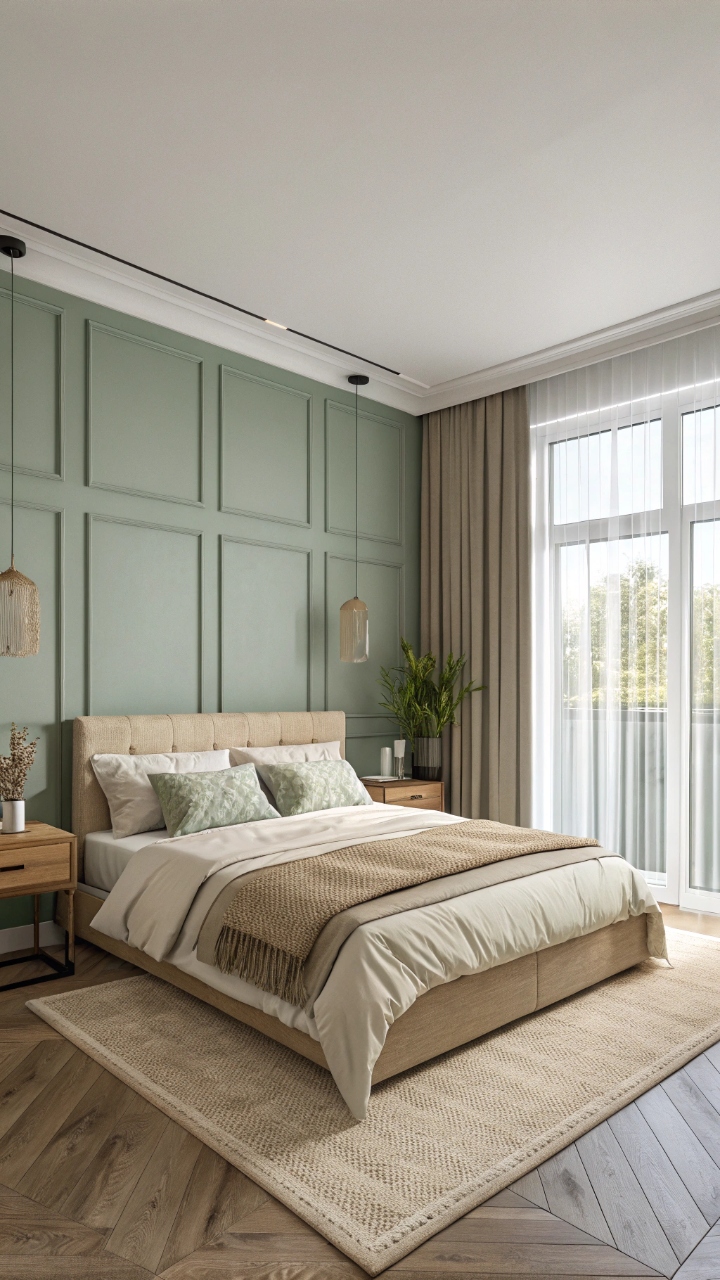
Instead of bold feature walls, I started using soft, muted colors like sage green and dusty beige behind the bed, and the effect was surprisingly elegant because it added depth without overpowering the space. The room suddenly felt more layered and intentional, as if the wall itself was quietly supporting the rest of the design rather than competing with it. I’ve noticed that subtle tones often create a more lasting emotional impression than loud colors. Have you ever entered a room where one soft color just quietly holds everything together? That’s the goal here.
Pro Tip: Choose muted, natural tones for accent walls instead of strong contrasting colors.
Textural Mixing That Makes the Room Feel Lived-In
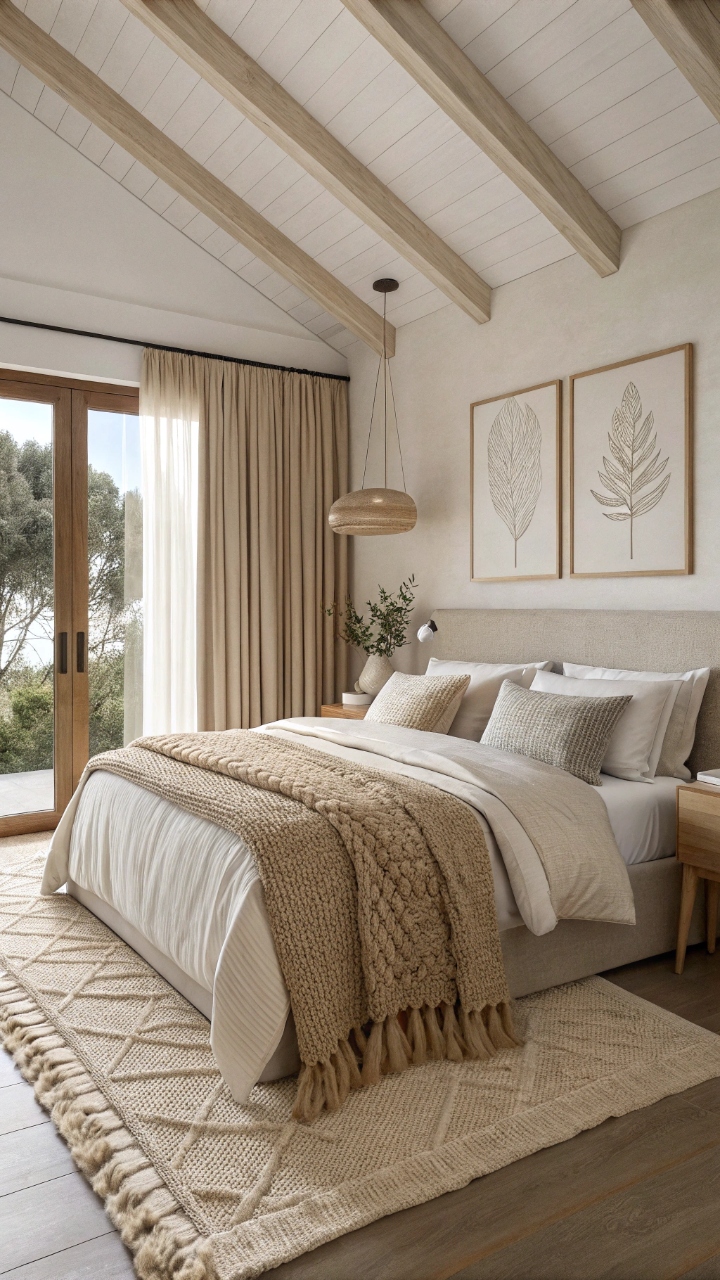
Texture is what gives a guest bedroom emotional depth, and I started mixing materials like linen, wool, cotton, and knitted fabrics to create a space that feels layered and human rather than flat or overly styled. Each texture adds its own emotional tone, making the room feel more tactile and comforting the moment you enter. I always include at least one soft throw or rug that invites touch because that small detail makes the room feel lived-in rather than staged. Have you ever touched a fabric and immediately felt relaxed? That’s the magic of texture.
Pro Tip: Combine at least three different textures for a richer, more inviting atmosphere.
Indoor Plants That Bring Life and Freshness
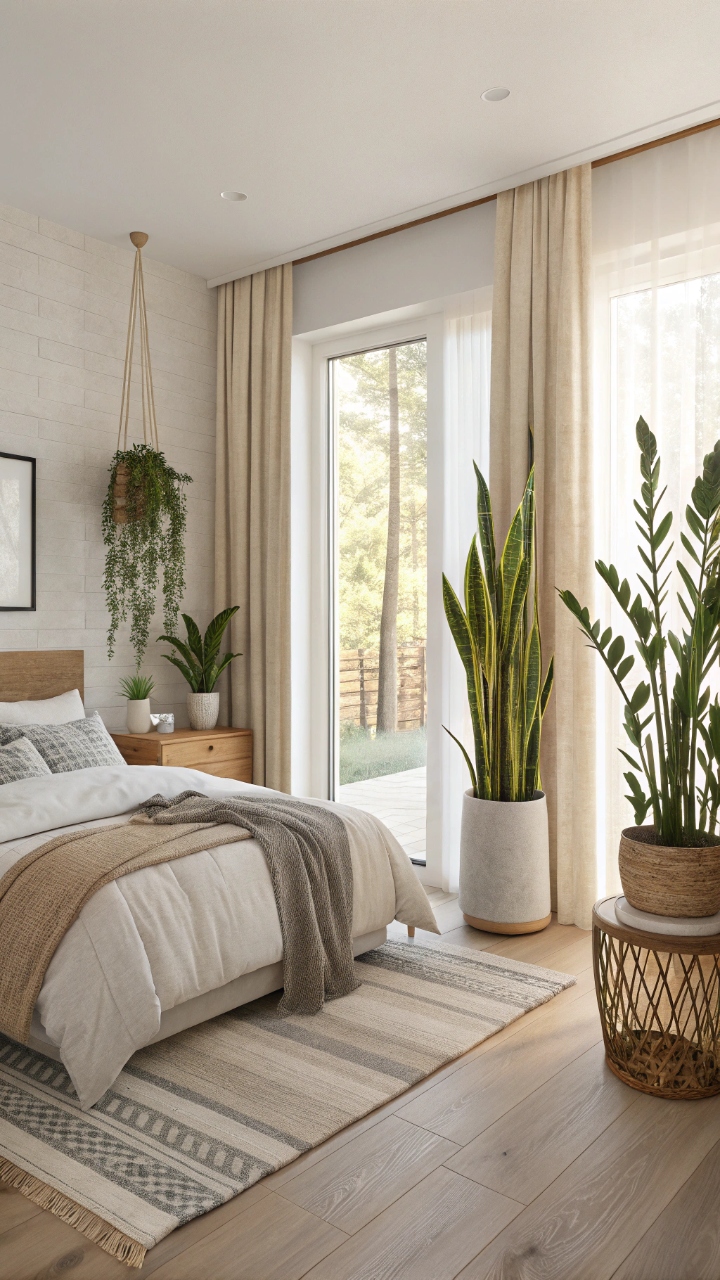
Adding plants to a guest bedroom instantly changed the energy of the space for me because even a simple snake plant in the corner made the room feel fresher, more grounded, and quietly alive in a way that decor alone couldn’t achieve. Plants soften edges, add natural movement, and bring a sense of calm rhythm that makes the space feel more connected to nature. I prefer low-maintenance greenery so the room stays effortless while still feeling vibrant and balanced. Why do green elements make spaces feel more peaceful? It’s almost instinctive.
Pro Tip: Use low-light, low-maintenance plants to keep the room fresh with minimal effort.
Foldable Furniture for Flexible Guest Comfort
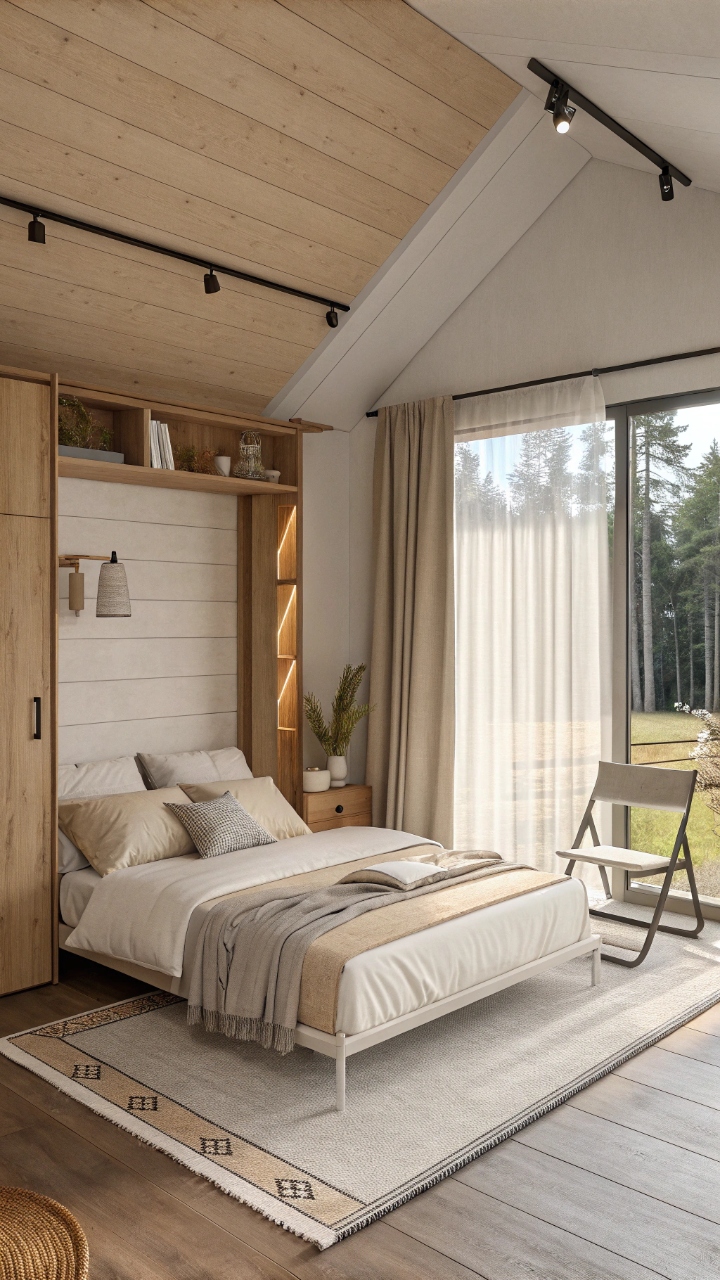
Foldable furniture became a game changer in my guest bedroom because it allowed the space to adapt easily depending on how it was being used, whether for sleeping, relaxing, or simply storing belongings temporarily. A folding side table or collapsible chair helped keep the room open and flexible without sacrificing functionality. I realized that flexibility is especially important in smaller rooms where every inch matters. Have you ever felt cramped in a room that had too much fixed furniture? Flexibility solves that instantly.
Pro Tip: Choose foldable furniture to maximize space and maintain openness.
Personal Welcome Touches That Make Guests Feel Seen
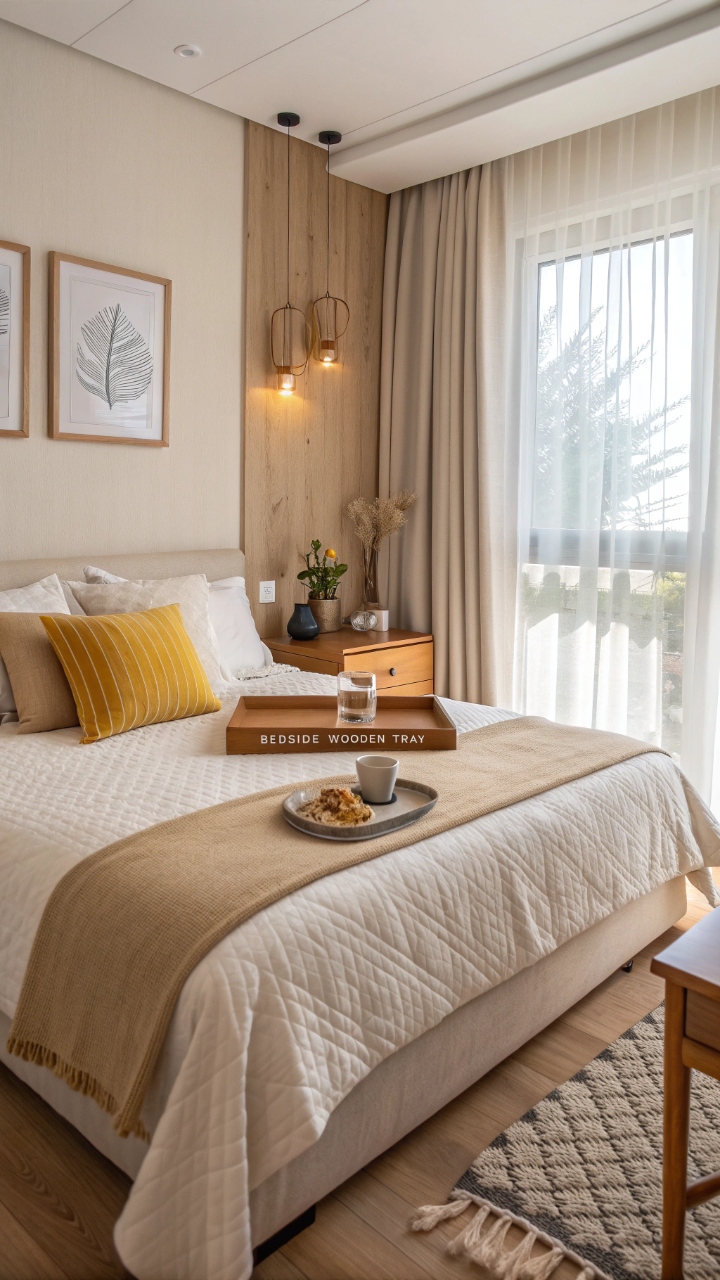
I started adding small welcome touches like a tray with water, snacks, and a handwritten note, and it completely transformed how guests emotionally responded to the room because it made them feel personally considered rather than just accommodated. These small gestures don’t require effort, but they create an immediate sense of warmth and care that guests remember long after they leave. It turns a simple stay into a thoughtful experience. Have you ever felt unexpectedly cared for in a small moment like that? It stays with you.
Pro Tip: Add a simple welcome tray with personal handwritten notes for emotional impact.
Soft Scents That Quietly Define the Space
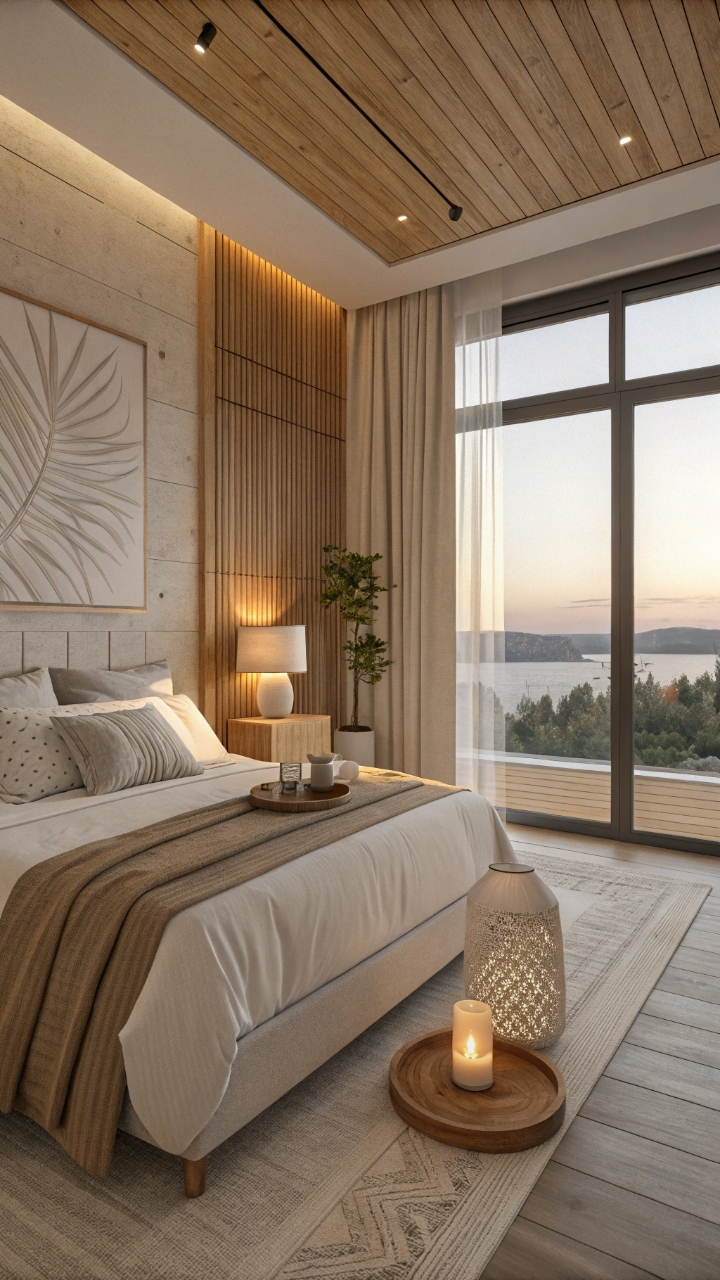
Scent plays a powerful role in shaping how a guest bedroom feels, and I found that using soft lavender, vanilla, or cotton fragrances through diffusers or candles instantly made the space feel more calming and emotionally memorable without being overpowering. The scent becomes part of the room’s identity and often becomes the detail guests remember most. I always keep fragrances subtle so they enhance the atmosphere instead of dominating it. Why do smells stay in our memory longer than visuals? It’s deeply emotional.
Pro Tip: Use light, calming scents that gently enhance the room atmosphere.
Low-Profile Beds for a Relaxed, Modern Feel
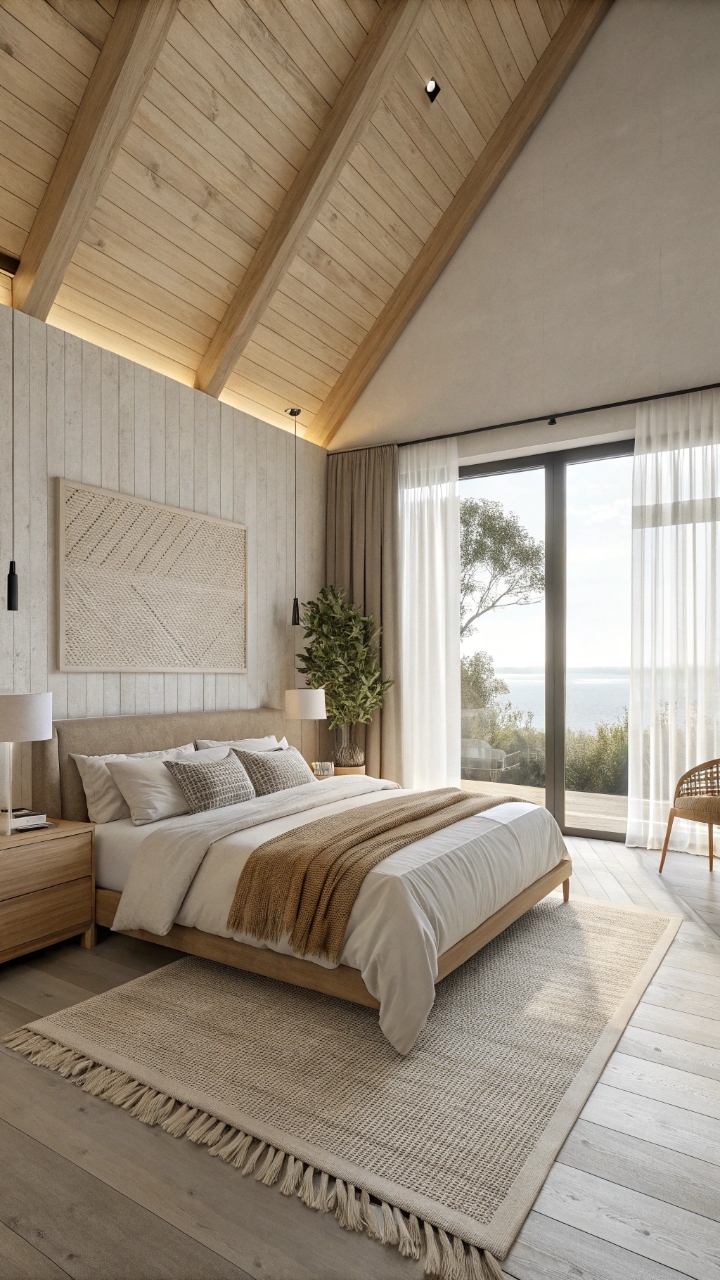
Switching to a low-profile bed completely changed the visual balance of my guest bedroom because it made the ceiling feel higher, the space more open, and the overall atmosphere more grounded and relaxed. The lower height creates a sense of ease that feels modern yet calming, especially when paired with soft layered bedding. I noticed the room felt less formal and more like a peaceful retreat where everything slows down naturally. Have you ever felt calmer just because a room felt physically lower and more grounded? That subtle shift makes a big difference.
Pro Tip: Use low-height beds to visually expand and relax small spaces.
Conclusion
Designing a guest bedroom is less about decoration and more about emotion because every detail contributes to how someone feels the moment they enter the space. I’ve learned that comfort is not created through expensive furniture but through thoughtful layering of softness, light, and intention that quietly shapes the experience. Guests rarely remember specific items, but they always remember how a room made them feel when they first walked in. That emotional memory is what turns a simple bedroom into something meaningful and lasting. Over time, I realized that even the smallest choices can completely change the atmosphere of a space when done with care.
When I reflect on my own guest bedroom, I see it as a collection of small, intentional decisions rather than a single design moment because each layer added a different feeling of warmth and ease. It didn’t become inviting overnight, but gradually through textures, lighting, and quiet personal touches that made the space feel more human. Have you ever noticed how the most comforting rooms are often the simplest ones? That simplicity creates space for people to feel present and relaxed. And in the end, that presence is what truly defines a well-designed guest room.
A great guest bedroom doesn’t need to be large, expensive, or overly styled because its real purpose is to make someone feel welcomed, rested, and emotionally at ease. When softness, simplicity, and intention come together, the room stops being just a functional space and becomes a quiet experience. It becomes a place where people can slow down, breathe, and feel cared for without explanation. That is the kind of design that stays in memory long after the visit ends.


Leave a Reply