Making these jars of muscadine jelly takes some time, but the joy in creating something homemade is soothing and satisfying. Muscadine jelly is one of those sweet Southern treasures that bring back memories of family kitchens and cozy breakfasts. This jelly has a deep, fruity flavor that’s naturally rich and tangy, made from thick-skinned muscadine grapes that grow abundantly in the southeastern United States. There’s something magical about watching the grapes turn into a thick, glossy jelly on the stove. It fills your kitchen with a warm, fruity aroma that feels comforting, especially on a quiet afternoon. The process itself feels grounding, reminding me of old-fashioned Southern traditions that were never rushed but always made with love.
I have been making this jelly every harvest season, and I always use freshly picked muscadines for the best flavor and color. I use just the right balance of sugar and lemon juice to enhance the natural tartness without making it too sweet. Always strain the juice gently to keep the jelly clear and smooth—it’s one of those small details that make a big difference.
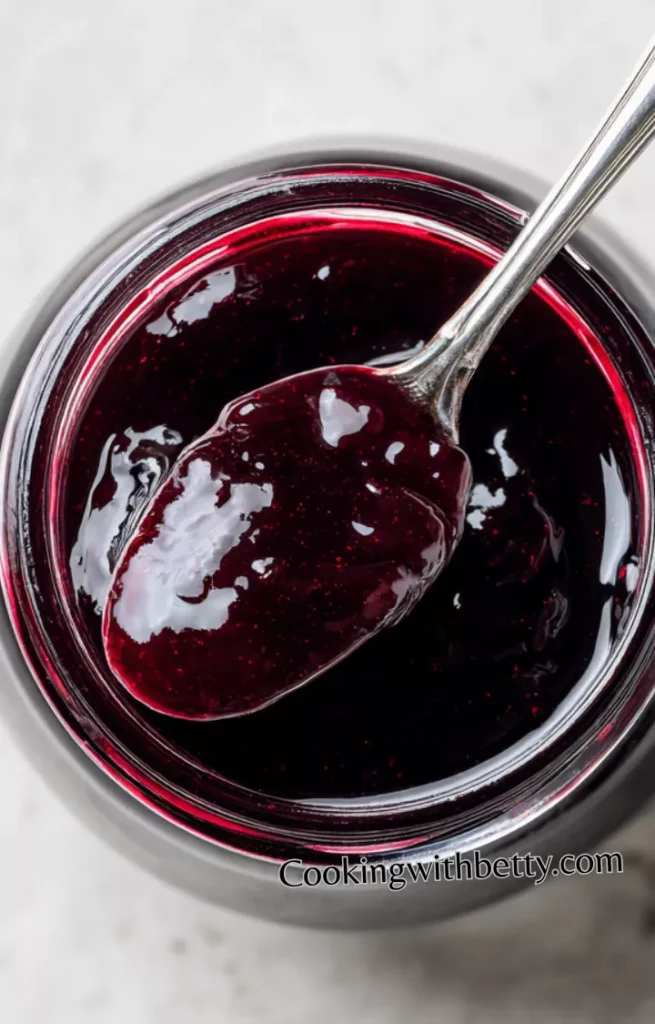
You can serve muscadine jelly in many delicious ways—spread it over buttered toast, spoon some on top of warm biscuits, or pair it with creamy brie or sharp cheddar cheese. It’s also wonderful drizzled over pancakes or used as a glaze for roasted pork or chicken.
It’s Perfect For:
- Breakfast spreads and brunch buffets
- Homemade gifts during the holidays
- Pairing with cheese and crackers
- Glazing meats like ham or chicken
- Satisfying your sweet tooth without going overboard
Ingredients
- 5 cups muscadine grapes (about 3 pounds)
- 1 cup water
- 1 (1.75-ounce) package fruit pectin
- 5 cups granulated sugar
- 1 tablespoon lemon juice
- 1 teaspoon butter (optional, helps reduce foaming)
Kitchen Equipment You’ll Need
- Large saucepan or jam pot
- Potato masher or wooden spoon
- Fine mesh strainer or cheesecloth
- Large bowl for collecting juice
- Sterilized glass jars with lids
- Ladle and funnel for easy pouring
- Boiling water canner for sealing jars
How to Make Muscadine Jelly
Step 1
Prepare the muscadines: Start by washing the muscadine grapes thoroughly to remove any dirt or debris. Place them in a large pot and gently crush them with a potato masher or the back of a spoon to release their juices. Pour in 1 cup of water and bring the mixture to a boil over medium heat. Let it simmer for about 10 minutes, stirring occasionally, until the grapes are soft and the skins have released their color and flavor.
Step 2
Extract the juice: Once the grapes are softened, pour the mixture through a fine mesh strainer or cheesecloth into a clean bowl, pressing down to extract as much juice as possible. For a clearer jelly, avoid pressing too hard — just let it drip naturally for a few minutes. You should end up with about 3 cups of muscadine juice.
Step 3
Prepare the jelly mixture: Pour the juice back into a clean pot and stir in the lemon juice and fruit pectin. Mix well to dissolve the pectin completely. Bring the pot to a rolling boil over medium-high heat, stirring constantly to prevent sticking.
Step 4
Add the sugar: Once boiling, add the sugar all at once and stir until it’s fully dissolved. Add the butter if you want to minimize foaming. Continue to cook over high heat, stirring constantly, until the mixture reaches a full, rolling boil again that cannot be stirred down. Boil for 1 minute exactly, then remove the pot from heat.
Step 5
Test the jelly: To check if your jelly has set, place a small spoonful on a chilled plate. Wait a few seconds, then push the edge with your finger — if it wrinkles, it’s ready. If not, boil for another 30 seconds and test again.
Step 6
Jar and seal: Quickly skim off any foam from the surface. Ladle the hot jelly into sterilized half-pint jars, leaving about 1/4 inch of headspace. Wipe the rims clean, apply the lids and bands, and process the jars in a boiling water bath for 5 minutes to ensure a proper seal.
Step 7
Cool and store: Carefully remove the jars and let them cool undisturbed for 12–24 hours. Once cooled, check the seals — the lids should not flex when pressed. Store sealed jars in a cool, dark place for up to a year.
Tips for Making the Best Muscadine Jelly
- Choose ripe muscadines: Pick grapes that are deeply colored and soft but not mushy. Ripe fruits give the best flavor and natural sweetness.
- Crush gently: When mashing the grapes, don’t overdo it. You want to release the juice, not crush the seeds, which can make the jelly bitter.
- Use fresh lemon juice: A little acidity brightens the flavor and helps the jelly set properly. Fresh juice always tastes cleaner than bottled.
- Measure sugar accurately: Too little sugar can prevent the jelly from setting, while too much can make it overly sweet. Follow the recipe exactly.
- Don’t skip the boil test: That one-minute rolling boil is essential for the pectin to activate and give your jelly the perfect consistency.
- Skim off the foam: A small pat of butter helps reduce foaming, but if you see any, skim it off gently before pouring into jars.
- Let it rest undisturbed: After sealing, allow the jars to cool for at least 12 hours without moving them. This helps the jelly set evenly.
Optional Ingredients
- A splash of vanilla extract for warmth and depth.
- A pinch of cinnamon or nutmeg for a cozy fall flavor.
- A tablespoon of honey for extra sweetness and shine.
- A hint of red wine to deepen the flavor and color.
- Fresh mint leaves for a refreshing twist.
- A touch of chili flakes for a sweet-and-spicy variation.
How to Serve Muscadine Jelly
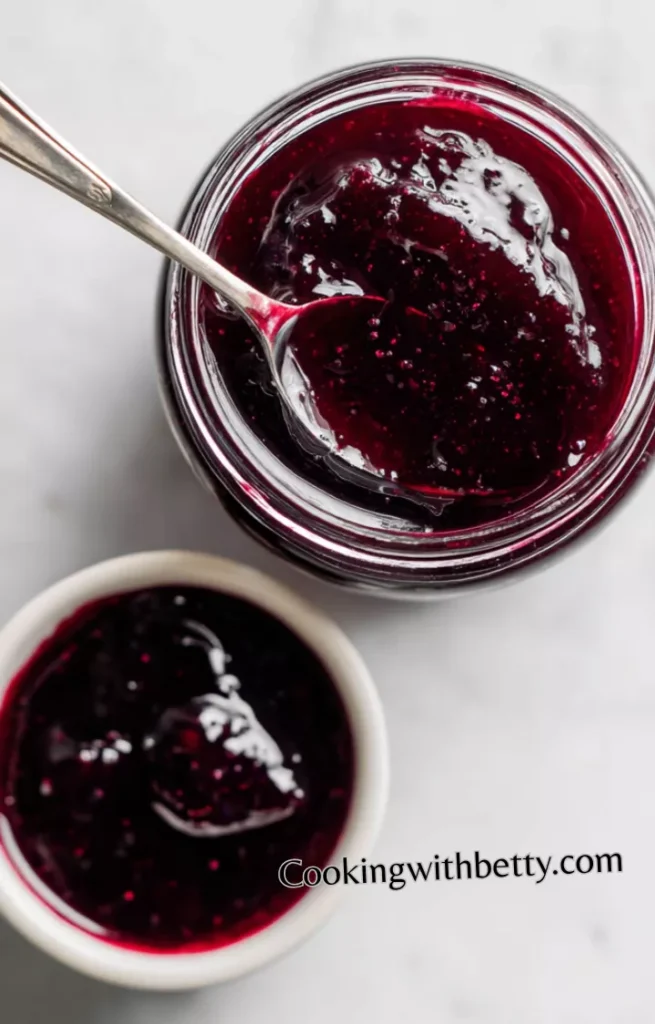
I love serving muscadine jelly in the morning with freshly baked biscuits or warm buttered toast. The smooth, glossy texture spreads beautifully, and the rich grape flavor feels like sunshine in a jar. There’s something so heartwarming about starting your day with something homemade—it makes breakfast feel more special, even on busy mornings.
I also enjoy pairing muscadine jelly with a simple charcuterie or cheese board when entertaining guests. Its sweet and tangy taste complements creamy cheeses like brie or tangy goat cheese perfectly, and even adds a pop of flavor to salty meats like prosciutto or salami. Sometimes, I’ll spoon a little jelly over cream cheese and serve it with crackers for an easy but elegant appetizer.
And when I want to get creative, I use muscadine jelly in savory dishes. Brushing it on pork chops or baked chicken during the final minutes of roasting adds a glossy, caramelized finish. It also works beautifully as a base for a sweet barbecue glaze or mixed into a sauce for meatballs. Once you’ve made a few jars, you’ll find endless ways to use it beyond breakfast.
Is Muscadine Jelly Healthy?
Muscadine jelly can be part of a healthy, balanced lifestyle when enjoyed in moderation. The muscadine grapes themselves are packed with antioxidants, fiber, and resveratrol—nutrients known to support heart health and fight free radicals. However, since jelly typically includes added sugar for proper texture and preservation, it’s best to treat it as a natural indulgence rather than an everyday staple. Think of it as a little homemade comfort rather than a guilty pleasure.
Variations and Substitutions
- Honey Muscadine Jelly: Replace half the sugar with honey for a softer, floral sweetness and a lighter set. Perfect for tea lovers.
- No-Sugar Version: Use no-sugar pectin and a substitute like stevia or monk fruit for a diabetic-friendly alternative.
- Spiced Muscadine Jelly: Add cinnamon sticks, cloves, or a dash of nutmeg for a warm, comforting flavor—ideal during fall.
- White Muscadine Jelly: Use golden muscadines to make a beautiful, amber-colored jelly with a delicate flavor.
- Ginger Muscadine Jelly: Stir in a teaspoon of grated ginger for a bold, zesty kick that complements the sweetness.
- Wine-Infused Jelly: Mix in a bit of red or rosé wine for a more mature, elegant twist perfect for dinner parties.
- Mint Muscadine Jelly: Simmer with fresh mint leaves, then strain them out for a bright, refreshing version.
- Rustic Muscadine Jam: Skip straining and keep the pulp for a heartier, jam-like spread that feels homemade and wholesome.
How to Store and Reheat
Once your muscadine jelly jars are sealed and cooled, store them in a cool, dark place like a pantry or cabinet. They’ll last up to a year if unopened. After opening, refrigerate the jelly and use it within 2–3 weeks. Always scoop with a clean spoon to maintain freshness and prevent spoilage.
If your jelly thickens too much in the fridge, you can easily soften it. Place the jar in warm water for a few minutes or microwave a small spoonful for 10–15 seconds. It’ll return to that smooth, spreadable texture without losing flavor.
Frequently Asked Questions About Muscadine Jelly
Can I use frozen muscadines instead of fresh?
Yes, absolutely! Frozen muscadines work just as well and may even release juice more easily when thawed. Just let them fully defrost before mashing and cooking.
What should I do if my jelly doesn’t set?
Don’t panic—this happens sometimes. Simply reboil it with an extra teaspoon of pectin or a bit of lemon juice for 1–2 minutes. Always test the jelly on a chilled plate to check if it wrinkles before cooling the whole batch.
Do I really need to use a water bath for sealing?
Yes, it’s essential for safety and preservation. The boiling water bath ensures your jars are fully sealed, preventing bacteria growth and keeping your jelly shelf-stable for months.
How long does homemade muscadine jelly last?
Unopened, properly sealed jars can last up to 12 months in a cool pantry. Once opened, keep it refrigerated and enjoy within 3 weeks for the best flavor and texture.
Muscadine Jelly
Ingredients
- 5 cups muscadine grapes about 3 pounds
- 1 cup water
- 1 1.75-ounce package fruit pectin
- 5 cups granulated sugar
- 1 tablespoon lemon juice
- 1 teaspoon butter optional, helps reduce foaming
Instructions
- Prepare the muscadines: Start by washing the muscadine grapes thoroughly to remove any dirt or debris. Place them in a large pot and gently crush them with a potato masher or the back of a spoon to release their juices. Pour in 1 cup of water and bring the mixture to a boil over medium heat. Let it simmer for about 10 minutes, stirring occasionally, until the grapes are soft and the skins have released their color and flavor.
- Extract the juice: Once the grapes are softened, pour the mixture through a fine mesh strainer or cheesecloth into a clean bowl, pressing down to extract as much juice as possible. For a clearer jelly, avoid pressing too hard — just let it drip naturally for a few minutes. You should end up with about 3 cups of muscadine juice.
- Prepare the jelly mixture: Pour the juice back into a clean pot and stir in the lemon juice and fruit pectin. Mix well to dissolve the pectin completely. Bring the pot to a rolling boil over medium-high heat, stirring constantly to prevent sticking.
- Add the sugar: Once boiling, add the sugar all at once and stir until it’s fully dissolved. Add the butter if you want to minimize foaming. Continue to cook over high heat, stirring constantly, until the mixture reaches a full, rolling boil again that cannot be stirred down. Boil for 1 minute exactly, then remove the pot from heat.
- Test the jelly: To check if your jelly has set, place a small spoonful on a chilled plate. Wait a few seconds, then push the edge with your finger — if it wrinkles, it’s ready. If not, boil for another 30 seconds and test again.
- Jar and seal: Quickly skim off any foam from the surface. Ladle the hot jelly into sterilized half-pint jars, leaving about 1/4 inch of headspace. Wipe the rims clean, apply the lids and bands, and process the jars in a boiling water bath for 5 minutes to ensure a proper seal.
- Cool and store: Carefully remove the jars and let them cool undisturbed for 12–24 hours. Once cooled, check the seals — the lids should not flex when pressed. Store sealed jars in a cool, dark place for up to a year.
Leave a Reply