My mother used to pick dandelions from our backyard in the early morning, but she always told me to only use the clean flowers in sunny fields far from the road, and in our small countryside kitchen is where she taught me how to turn them into golden jelly and share it with family during quiet weekends. Dandelion Jelly is one of those old-fashioned, homemade preserves that feels like it carries a little bit of sunshine in every spoon. It is made from fresh yellow dandelion petals, sugar, lemon juice, and pectin, creating a golden jelly that tastes lightly floral, slightly sweet, and a bit like honey mixed with spring air.
This recipe is special because it turns something many people see as a simple weed into a beautiful homemade treat. The flavor is gentle, almost herbal, and the color is naturally bright and cheerful. It is the kind of recipe that feels comforting, nostalgic, and very rewarding to make at home.
I have always loved simple homemade preserves, and I use fresh dandelion petals, real lemon juice, and powdered pectin always to keep the flavor clean, natural, and bright, because this recipe depends on purity and freshness more than anything else.
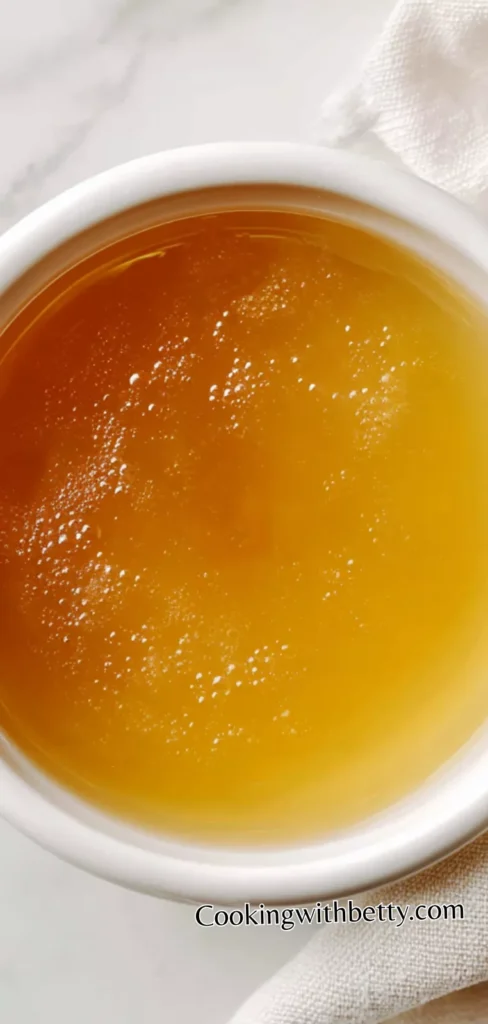
You can serve Dandelion Jelly on warm toast, some soft buttered biscuits, also with pancakes, or even as a glaze for baked goods and desserts, and it brings a floral sweetness that feels light but still very comforting.
Its Perfect For:
- Spring mornings and seasonal breakfasts
A soft floral jelly that makes simple breakfasts feel special and homemade. - Homemade gift jars for friends and family
Beautiful golden jars that look charming and thoughtful when gifted. - Tea-time spreads and afternoon snacks
Light sweetness that pairs perfectly with warm drinks and baked treats. - Nature-inspired or farmhouse-style meals
A rustic recipe that connects food with natural ingredients. - Preserving seasonal flowers in edible form
A creative way to enjoy dandelions beyond just decoration.
Ingredients
- 4 cups fresh dandelion petals (yellow petals only, no green parts)
- 4 cups water
- 2 tablespoons lemon juice (fresh is best)
- 1 box (1.75 oz) powdered pectin
- 3 1/2 cups granulated sugar
- 1 teaspoon vanilla extract (optional, for aroma)
Kitchen Equipment You’ll Need
- Large cooking pot for boiling the petals and jelly base
- Fine mesh strainer or cheesecloth for filtering liquid
- Wooden spoon for stirring without scratching the pot
- Measuring cups for accurate sugar and liquid balance
- Glass jars with lids for storing the finished jelly
- Ladle for safely transferring hot jelly into jars
How to make Dandelion Jelly
Step 1
Prepare the dandelions: Start by picking fresh dandelion flowers from a clean, pesticide-free area where you are sure they haven’t been sprayed. Carefully separate the bright yellow petals from the green base, because the green parts can make the jelly taste bitter. This step takes a bit of patience, but it’s what gives the jelly its smooth floral flavor.
Step 2
Make dandelion tea base: Place the cleaned petals into a large pot and pour in the water. Bring everything to a gentle boil over medium heat, then reduce to a low simmer. Let it cook for about 10–15 minutes, stirring occasionally. Gently press the petals with a spoon while simmering so they release more color, aroma, and flavor into the liquid.
Step 3
Strain the liquid: Remove the pot from heat and allow it to cool slightly so it’s easier to handle. Pour the mixture through a fine mesh strainer or cheesecloth into a bowl. Press down firmly on the petals to extract as much liquid as possible. You should end up with a light golden infused liquid. Measure it again and adjust with a little water if needed to make exactly 4 cups.
Step 4
Cook the jelly base: Pour the strained dandelion liquid back into the pot. Add the lemon juice and powdered pectin, then stir continuously until everything is fully dissolved. Place the pot back on the stove and bring it to a rolling boil over medium-high heat, making sure to stir constantly so nothing sticks to the bottom.
Step 5
Add sugar and boil again: Once the mixture is boiling strongly, carefully add all the sugar at once. Stir thoroughly until the sugar completely dissolves. Bring it back to a full rolling boil and let it boil for 1–2 minutes while stirring constantly. The mixture will begin to look thicker, shinier, and slightly syrup-like.
Step 6
Check consistency and finish: If using vanilla extract, add it now and stir it in evenly for a softer floral aroma. Continue boiling just until the jelly starts to coat the back of a spoon and thickens slightly. Be careful not to overcook, as it can become too firm once cooled.
Step 7
Jar the jelly: Carefully ladle the hot jelly into sterilized jars while it is still very hot. Leave a small gap at the top of each jar, then seal tightly with lids. Let the jars sit undisturbed at room temperature. As they cool, you should hear a popping sound as they seal properly.
Step 8
Set and store: Allow the jelly to fully set for 12–24 hours before using. Store unopened jars in a cool, dark place. Once opened, keep refrigerated. The flavor will deepen over time, becoming more floral and delicate.
Tips
- Pick clean dandelions only
Always choose flowers from areas without chemicals or pesticides.
Avoid roadside plants because they can absorb pollution easily.
Fresh and clean flowers make the best flavor base. - Remove all green parts carefully
Only use the yellow petals because the green parts taste bitter.
Take your time during this step for a smoother jelly flavor.
Patience here makes a big difference in taste quality. - Simmer gently, not aggressively
Do not boil too hard when making the dandelion tea.
Gentle heat helps preserve the floral aroma better.
Slow simmering gives a more delicate final flavor. - Strain thoroughly for clear jelly
Press the petals well when straining to extract full flavor.
A strong squeeze helps get the richest golden liquid.
Clear liquid gives a prettier finished jelly. - Stir constantly when boiling sugar
Sugar can easily stick and burn at the bottom of the pot.
Continuous stirring keeps texture smooth and glossy.
It also helps even thickening. - Use sterilized jars only
Clean jars prevent spoilage and extend shelf life.
Hot jelly should always go into warm sterilized containers.
This ensures proper sealing and freshness. - Do not overcook the jelly
Boiling too long makes it too thick or chewy when cooled.
Watch carefully for syrup-like consistency.
Remove from heat at the right moment.
Optional Ingredients
- Honey (for replacing part of sugar with a floral sweetness)
- Vanilla extract (adds soft aroma depth)
- Ginger slices (gives a warm spicy undertone)
- Orange zest (adds citrus brightness)
- Lavender buds (enhances floral notes slightly)
- Cinnamon stick (adds warm seasonal flavor)
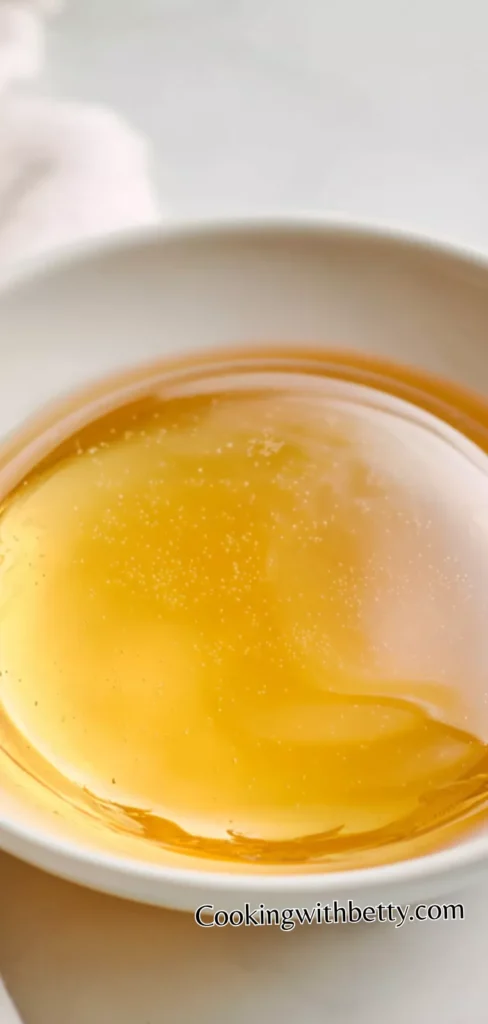
How to serve Dandelion Jelly?
I like serving Dandelion Jelly on warm toasted bread because it melts slightly when it touches heat, creating a soft, golden layer that feels comforting and homemade. The floral taste becomes more noticeable when paired with simple butter, and it turns even an ordinary breakfast into something gentle and special. It is the kind of food that feels slow and peaceful, perfect for quiet mornings.
I also enjoy serving it during tea time with fresh biscuits, scones, or soft rolls because the jelly adds a light sweetness that balances perfectly with dry baked goods. When paired with hot tea, especially chamomile or green tea, the floral notes blend beautifully and create a calming, almost relaxing experience. It feels like a small pause in the day that brings comfort.
I sometimes use it in more creative ways when I want to impress guests or add something special to homemade desserts. It can be brushed over warm pastries, layered inside cakes, or even drizzled lightly over pancakes and waffles. The jelly softens slightly with warmth, creating a glossy finish that looks beautiful and tastes naturally sweet without being heavy.
Is Dandelion Jelly healthy?
Dandelion Jelly has some natural benefits because dandelion petals contain small amounts of antioxidants and plant compounds that come from the flower itself. While it is still a sugar-based preserve, it can feel lighter and more natural compared to heavily processed spreads.
It is not meant to be a health food, but when eaten in moderation, it can be a more natural homemade alternative to artificial jams and jellies. The key benefit is that it uses real flowers and simple ingredients, which makes it feel closer to nature.
Variations and Substitutions
- Honey Dandelion Jelly
Replace part or all of the sugar with honey.
Creates a softer, more floral sweetness.
Texture becomes slightly richer and smoother.
Best for a natural rustic version. - Lemon-Boosted Jelly
Add extra lemon juice or zest.
Gives a brighter citrus-forward flavor.
Balances floral sweetness nicely.
Perfect for refreshing taste lovers. - Lavender Dandelion Jelly
Add a small amount of dried lavender.
Enhances floral aroma significantly.
Tastes more aromatic and elegant.
Best for tea pairings. - Ginger Infused Version
Add fresh ginger slices during simmering.
Creates a warm spicy contrast.
Good for colder seasons.
Adds depth to flavor profile. - Orange Blossom Style
Add orange zest or orange blossom water.
Makes jelly slightly fruity and fragrant.
Brightens overall flavor.
Great for breakfast spreads. - Low-Sugar Version
Reduce sugar and use low-sugar pectin.
Creates a lighter taste profile.
Less sweet but still floral.
Best for controlled sweetness diets. - Wildflower Blend Jelly
Mix dandelions with clover or honeysuckle.
Produces complex floral flavor layers.
More aromatic and colorful.
Ideal for gourmet homemade gifts. - Vanilla Floral Jelly
Add extra vanilla extract.
Softens floral intensity.
Creates dessert-like aroma.
Very comforting and smooth taste.
How to store, How to reheat
Dandelion Jelly should always be stored in clean, sealed glass jars and kept in a cool, dark place if unopened. Once properly sealed, it can last for several months without losing its flavor, and refrigeration is only needed after opening to maintain freshness and texture.
If the jelly thickens too much after storage, you do not need to fully reheat it. Instead, simply place the jar in warm water for a few minutes or let it sit at room temperature until it softens slightly. This helps restore its spreadable consistency without changing the flavor.
Frequently Asked Questions About Dandelion Jelly
What does Dandelion Jelly taste like?
Dandelion Jelly has a light floral flavor that is slightly sweet with a hint of honey-like taste. It is not overpowering but instead very gentle and soft on the palate. Many people are surprised by how delicate and comforting it tastes, especially considering it is made from wild flowers.
Is it safe to eat dandelions from anywhere?
No, it is very important to only pick dandelions from clean, pesticide-free areas. Flowers from roadsides or treated lawns can carry harmful chemicals. Always choose fresh blooms from safe gardens, fields, or areas you trust completely to ensure your jelly is safe and pure.
Why do we remove the green parts of the flower?
The green base of the dandelion flower is naturally bitter and can affect the final taste of the jelly. Removing it ensures a smooth, sweet, and floral flavor instead of a grassy or sharp aftertaste. It also improves the overall color, making the jelly brighter and more golden.
Can I make this jelly without pectin?
Yes, but it will take longer and the texture will be softer. Without pectin, you would need to rely more on natural thickening by boiling longer and using extra sugar. However, using pectin gives a more reliable set and a clearer, more traditional jelly texture.
Dandelion Jelly
Ingredients
- 4 cups fresh dandelion petals yellow petals only, no green parts
- 4 cups water
- 2 tablespoons lemon juice fresh is best
- 1 box 1.75 oz powdered pectin
- 3 1/2 cups granulated sugar
- 1 teaspoon vanilla extract optional, for aroma
Instructions
- Prepare the dandelions: Start by picking fresh dandelion flowers from a clean, pesticide-free area where you are sure they haven’t been sprayed. Carefully separate the bright yellow petals from the green base, because the green parts can make the jelly taste bitter. This step takes a bit of patience, but it’s what gives the jelly its smooth floral flavor.
- Make dandelion tea base: Place the cleaned petals into a large pot and pour in the water. Bring everything to a gentle boil over medium heat, then reduce to a low simmer. Let it cook for about 10–15 minutes, stirring occasionally. Gently press the petals with a spoon while simmering so they release more color, aroma, and flavor into the liquid.
- Strain the liquid: Remove the pot from heat and allow it to cool slightly so it’s easier to handle. Pour the mixture through a fine mesh strainer or cheesecloth into a bowl. Press down firmly on the petals to extract as much liquid as possible. You should end up with a light golden infused liquid. Measure it again and adjust with a little water if needed to make exactly 4 cups.
- Cook the jelly base: Pour the strained dandelion liquid back into the pot. Add the lemon juice and powdered pectin, then stir continuously until everything is fully dissolved. Place the pot back on the stove and bring it to a rolling boil over medium-high heat, making sure to stir constantly so nothing sticks to the bottom.
- Add sugar and boil again: Once the mixture is boiling strongly, carefully add all the sugar at once. Stir thoroughly until the sugar completely dissolves. Bring it back to a full rolling boil and let it boil for 1–2 minutes while stirring constantly. The mixture will begin to look thicker, shinier, and slightly syrup-like.
- Check consistency and finish: If using vanilla extract, add it now and stir it in evenly for a softer floral aroma. Continue boiling just until the jelly starts to coat the back of a spoon and thickens slightly. Be careful not to overcook, as it can become too firm once cooled.
- Jar the jelly: Carefully ladle the hot jelly into sterilized jars while it is still very hot. Leave a small gap at the top of each jar, then seal tightly with lids. Let the jars sit undisturbed at room temperature. As they cool, you should hear a popping sound as they seal properly.
- Set and store: Allow the jelly to fully set for 12–24 hours before using. Store unopened jars in a cool, dark place. Once opened, keep refrigerated. The flavor will deepen over time, becoming more floral and delicate.
Leave a Reply