My first cubicle served as a stark lesson in the importance of environmental design. The lack of visual stimulation and spatial variety created a sense of isolation, reinforcing my belief that a workspace should inspire its occupants rather than just contain them. The air was dry, the lighting was harsh, and the walls felt like they were closing in on my creativity instead of supporting it. I used to stare at the clock more than my screen, counting minutes instead of enjoying my workday, and I kept wondering if it was supposed to feel this way. It wasn’t until I started slowly personalizing my space that I realized how much environment shapes mood, focus, and even confidence at work.
One day, I brought in a small photo frame from home, and something shifted in a way I didn’t expect at all. That tiny familiar image made my desk feel less like a workstation and more like a corner of my life, not just my job. I started adding small touches here and there, testing what made me feel calmer or more energized during long hours. Before I knew it, my cubicle didn’t feel like a cubicle anymore—it felt like mine, and yeah, that changed everything.
Now I always tell people that you don’t need a full office makeover to feel better at work, just intentional choices that reflect who you are. It’s wild how a soft lamp glow or a tiny plant can completely shift your mindset from stressed to grounded. I’ve learned that comfort at work isn’t a luxury—it’s a productivity tool disguised as décor. And if you’ve ever felt like your workspace is draining you instead of supporting you, you’re definitely not alone in that feeling.
1. Add Personal Photos That Feel Like Home
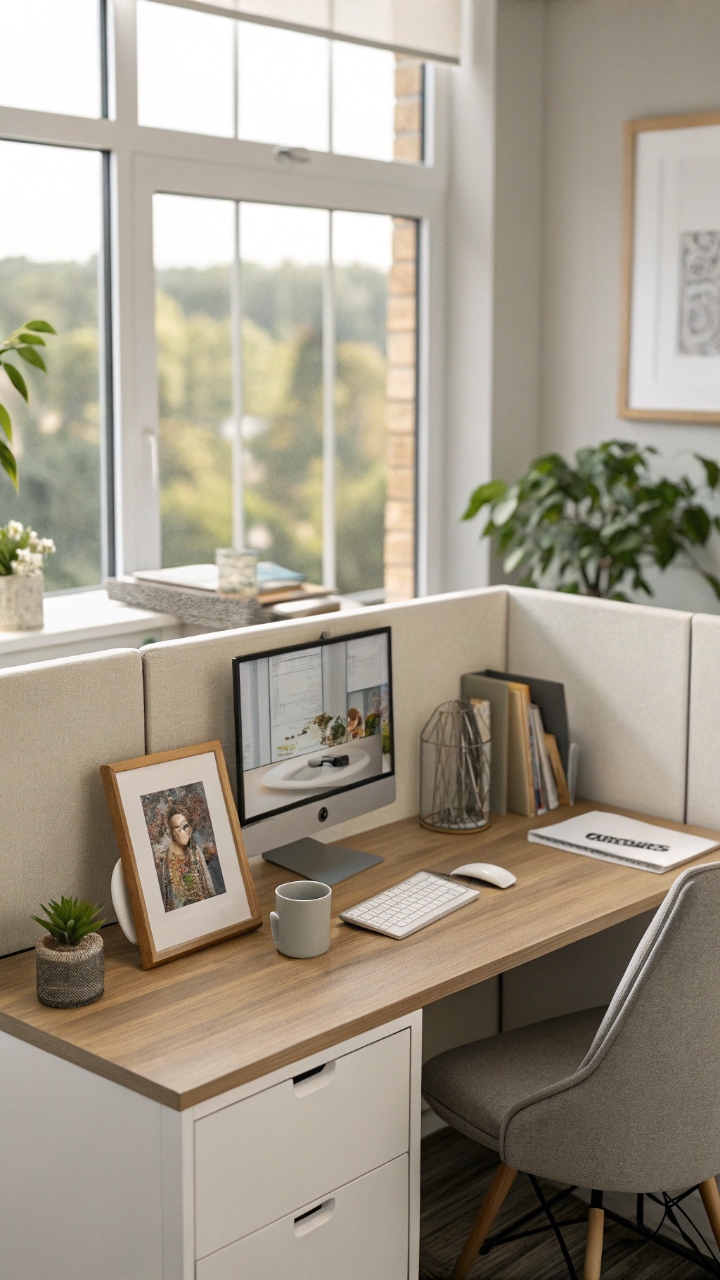
There’s something powerful about looking up from your screen and seeing a familiar face smiling back at you. I placed a small photo frame of my family on my desk, and suddenly my cubicle didn’t feel so distant anymore. It reminded me that work is part of life, not the whole thing, which softened stressful days. Have you ever noticed how one photo can instantly calm your thoughts? I’ve caught myself smiling mid-task just from that tiny visual comfort. It’s a small touch, but it carries emotional weight throughout the day.
Pro Tip: Choose one meaningful photo instead of many to keep your space clean and focused.
2. Layer Soft Lighting for a Warm Glow
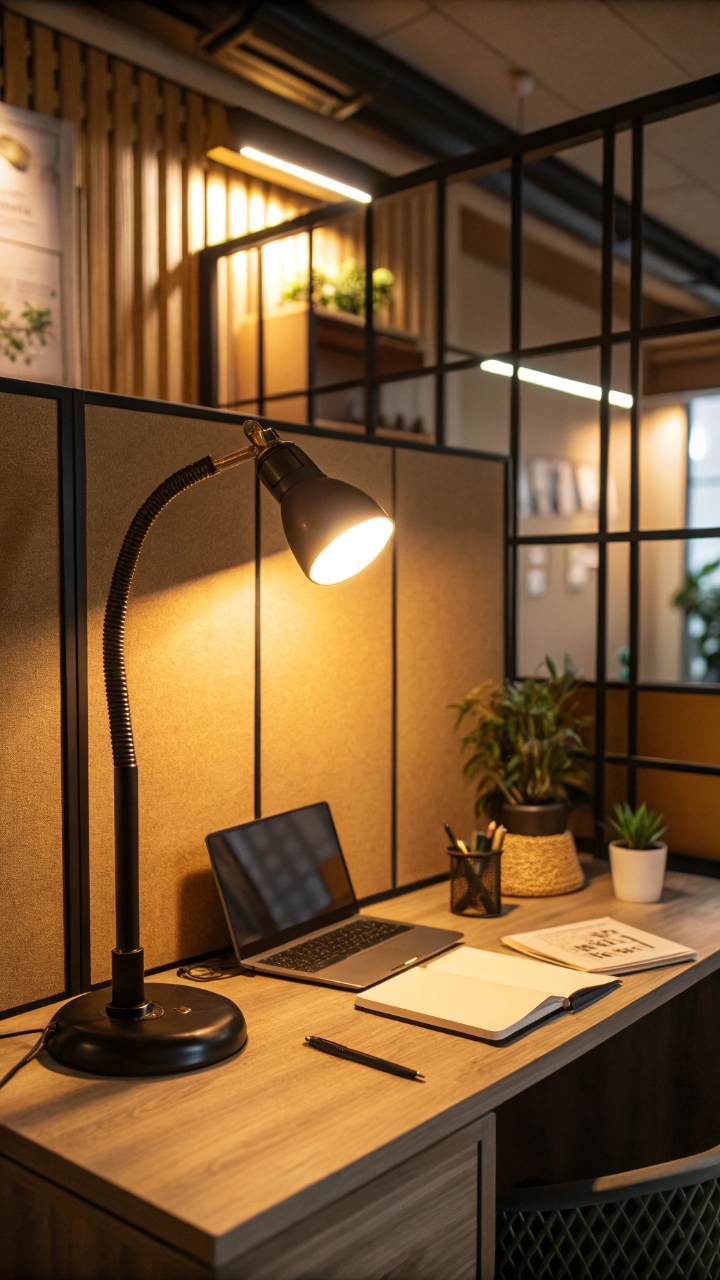
Overhead fluorescent lights used to drain me more than the workload itself, no exaggeration. I added a warm desk lamp with soft lighting, and my entire mood shifted instantly. The glow feels gentler on tired eyes and makes late afternoons less exhausting. I sometimes joke that it turns my cubicle into a mini café corner. Isn’t it amazing how lighting can change emotional energy so quickly? It’s one of those underrated upgrades that makes a huge difference.
Pro Tip: Choose warm-toned bulbs under 3000K for a cozy, calming effect.
3. Bring in Small Green Plants
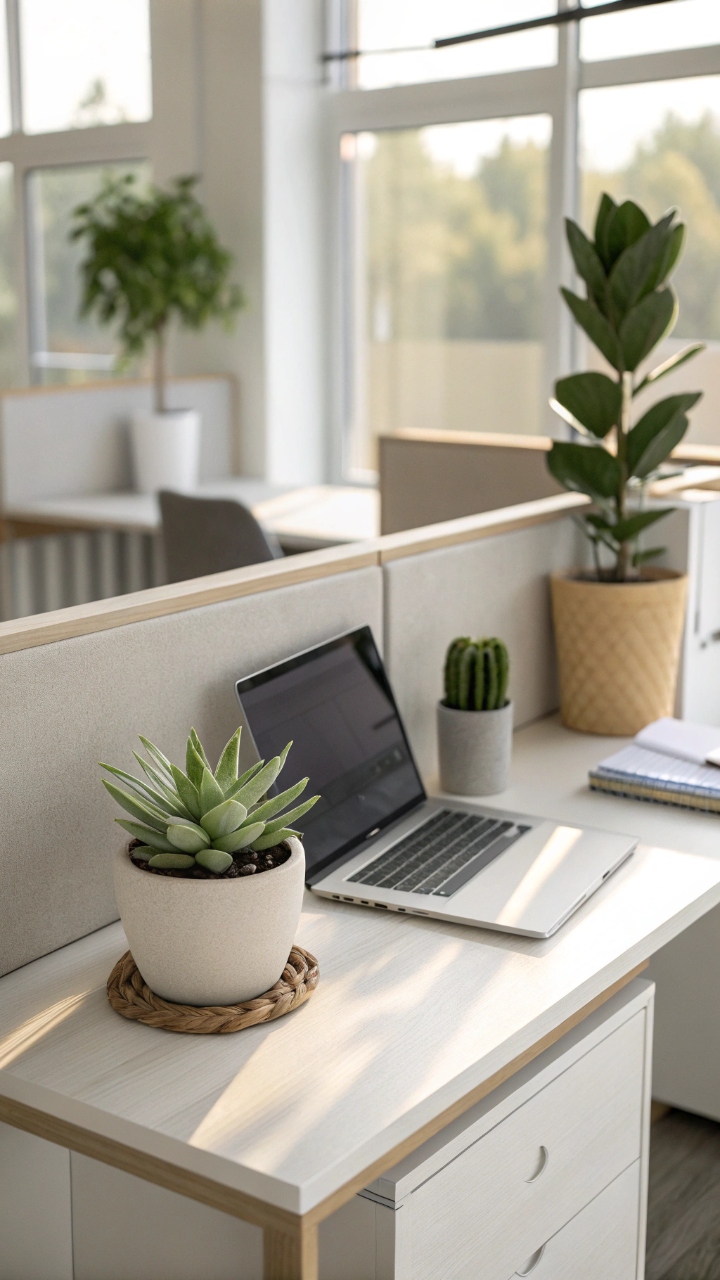
I never thought I’d be a “plant person,” but here we are. A tiny desk succulent was my first step, and it made my workspace feel alive instead of static. Watching something grow slowly beside me gave me a sense of calm during busy days. It almost feels like a quiet companion sitting through deadlines with you. Do you ever feel like your space needs a little breathing life? Plants do that without demanding anything in return.
Pro Tip: Start with low-maintenance plants like pothos or succulents.
4. Upgrade to a Stylish Desk Organizer
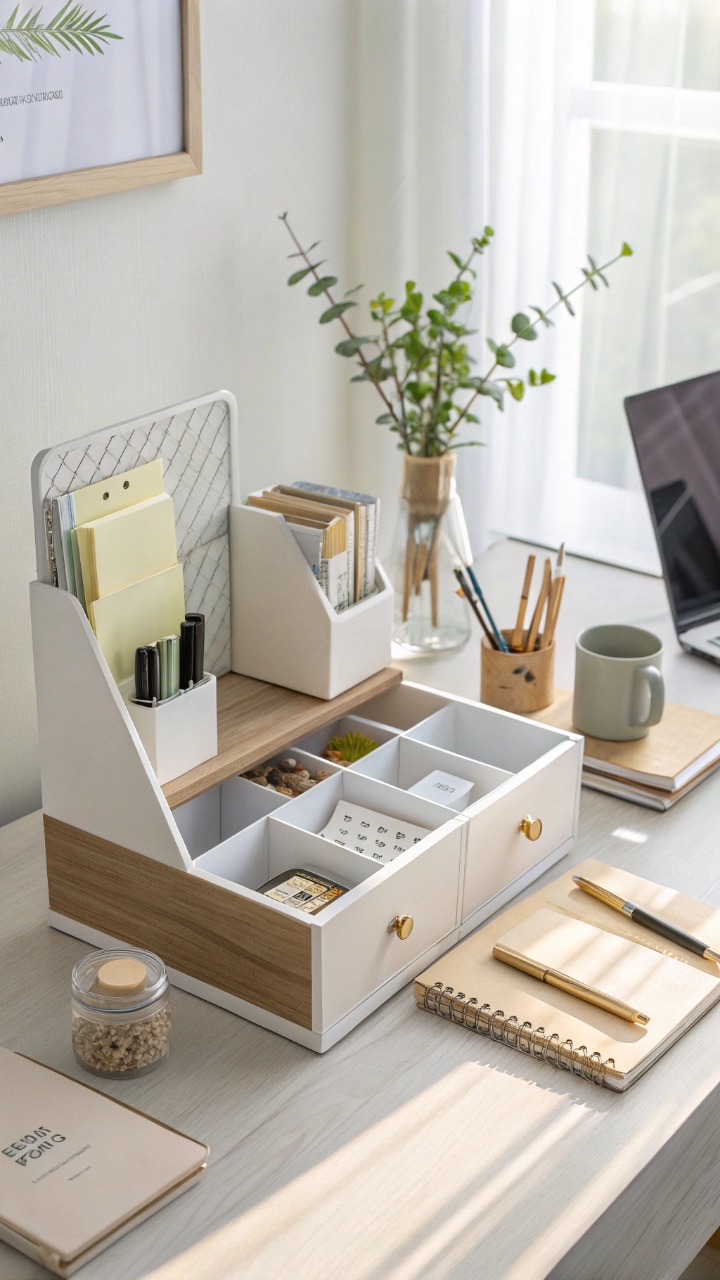
Clutter used to stress me out more than I realized until I cleaned everything up. A minimal desk organizer helped me create structure without losing personality. Pens, notes, and small essentials finally had a home instead of scattered chaos. It’s funny how organized spaces make your mind feel organized too. Have you ever felt mentally lighter just by clearing your desk? I definitely did.
Pro Tip: Choose organizers that match your aesthetic so functionality feels beautiful too.
5. Use a Comfortable and Fun Mousepad
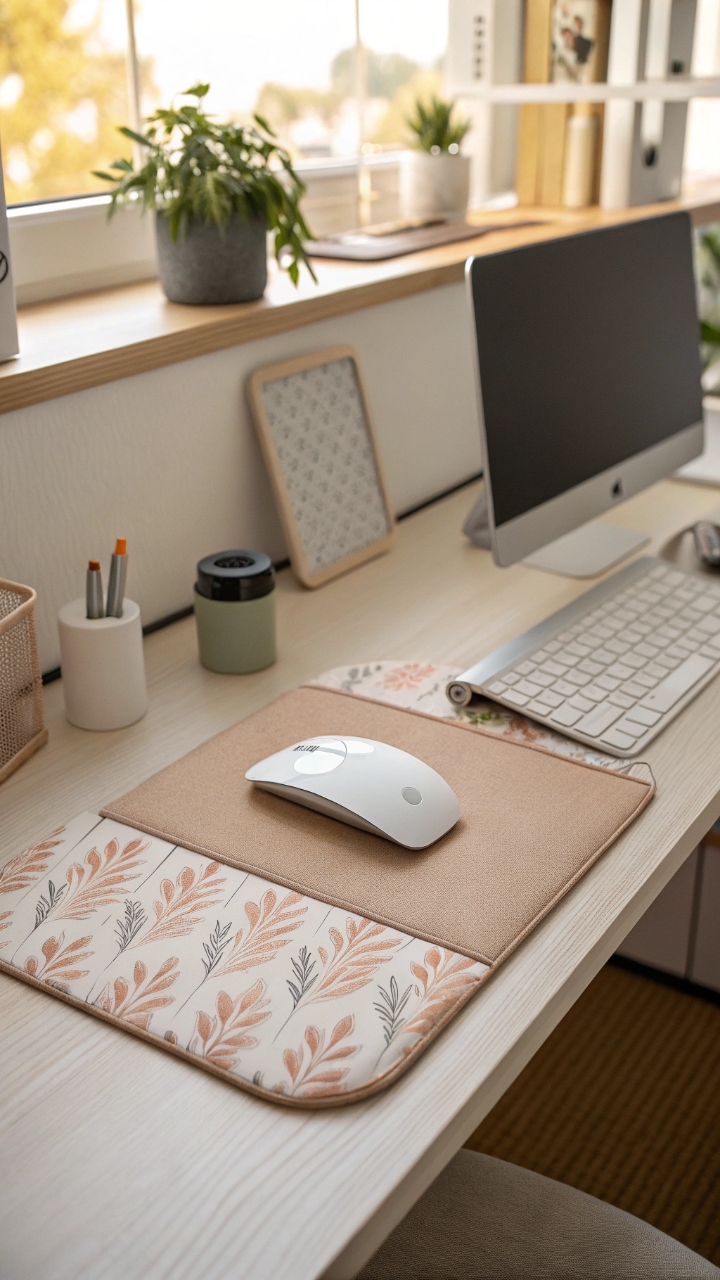
It sounds small, but your mousepad is something you touch all day long. I swapped mine for a soft, cushioned design with a calming pattern, and it added comfort in subtle ways. It’s one of those things you don’t notice until it makes your day better. I sometimes catch myself appreciating how smooth it feels under my wrist. Isn’t it wild how tiny details affect daily comfort? Small upgrades matter more than we think.
Pro Tip: Pick a padded mousepad to reduce wrist strain during long hours.
6. Add a Signature Scent to Your Space
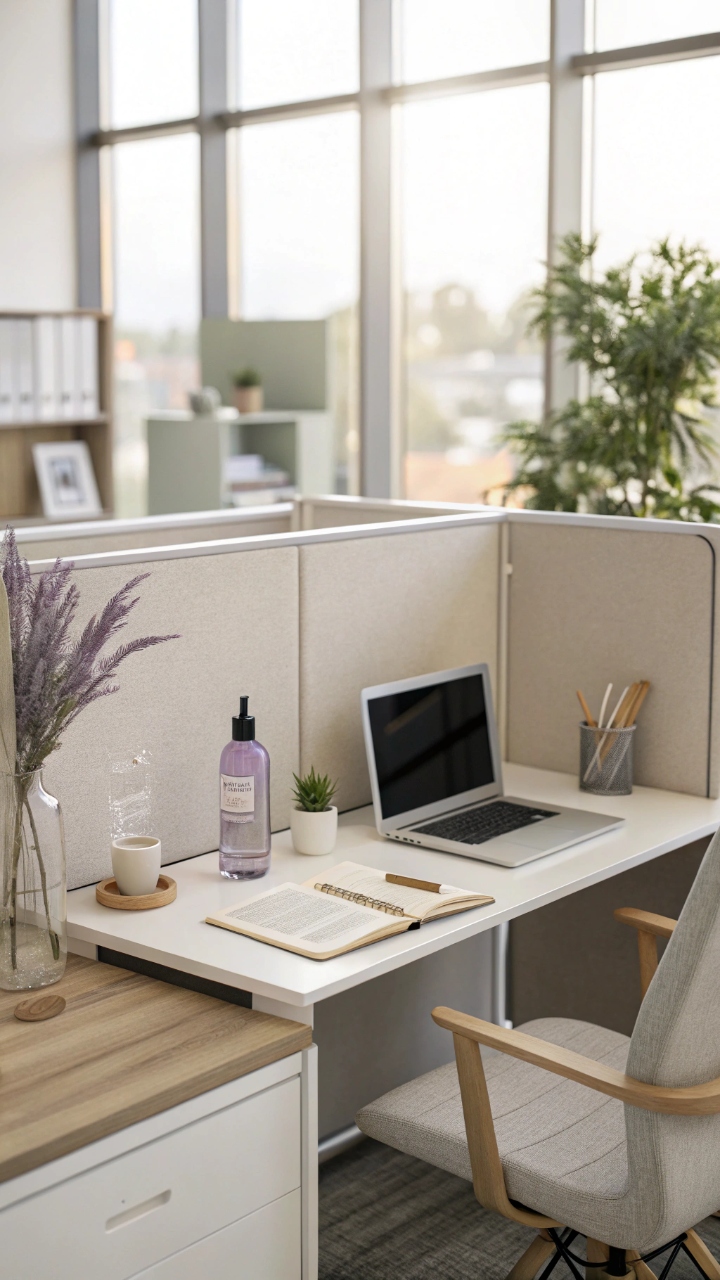
Scent is memory, mood, and comfort all wrapped into one invisible detail. I keep a light lavender spray in my drawer, and one mist instantly resets my focus. It makes my cubicle feel more personal, almost like a tiny sanctuary. Some days it feels like a mental reset button I didn’t know I needed. Have you ever walked into a space and instantly felt calmer? That’s the power of scent.
Pro Tip: Use subtle scents like lavender or citrus to avoid overwhelming shared spaces.
7. Introduce Soft Fabric Textures
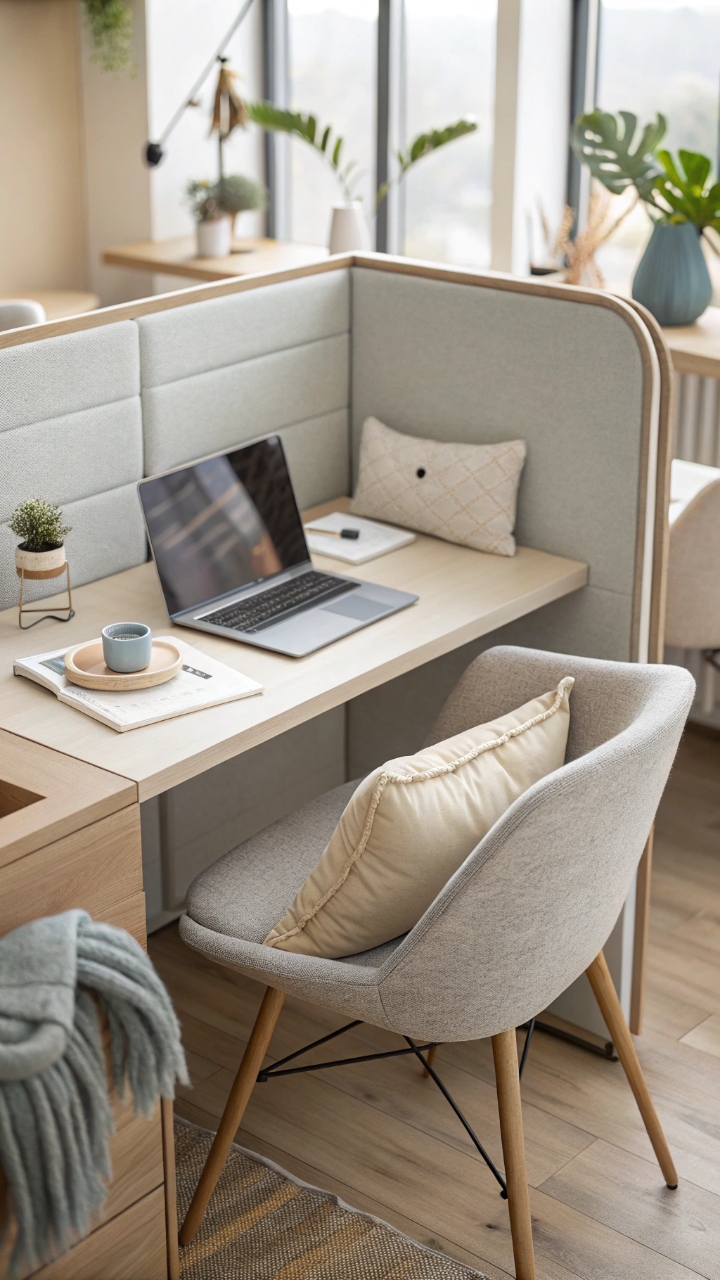
Hard surfaces can feel cold, so I added soft textures like a small cushion and fabric coaster. It changed the sensory feel of my workspace immediately. There’s something comforting about resting your hands near soft materials during long work hours. It makes the space feel more human and less corporate. Ever notice how texture affects mood more than color sometimes? I didn’t expect that either.
Pro Tip: Mix one or two fabric accents to keep things cozy but not cluttered.
8. Decorate with Minimal Wall Art
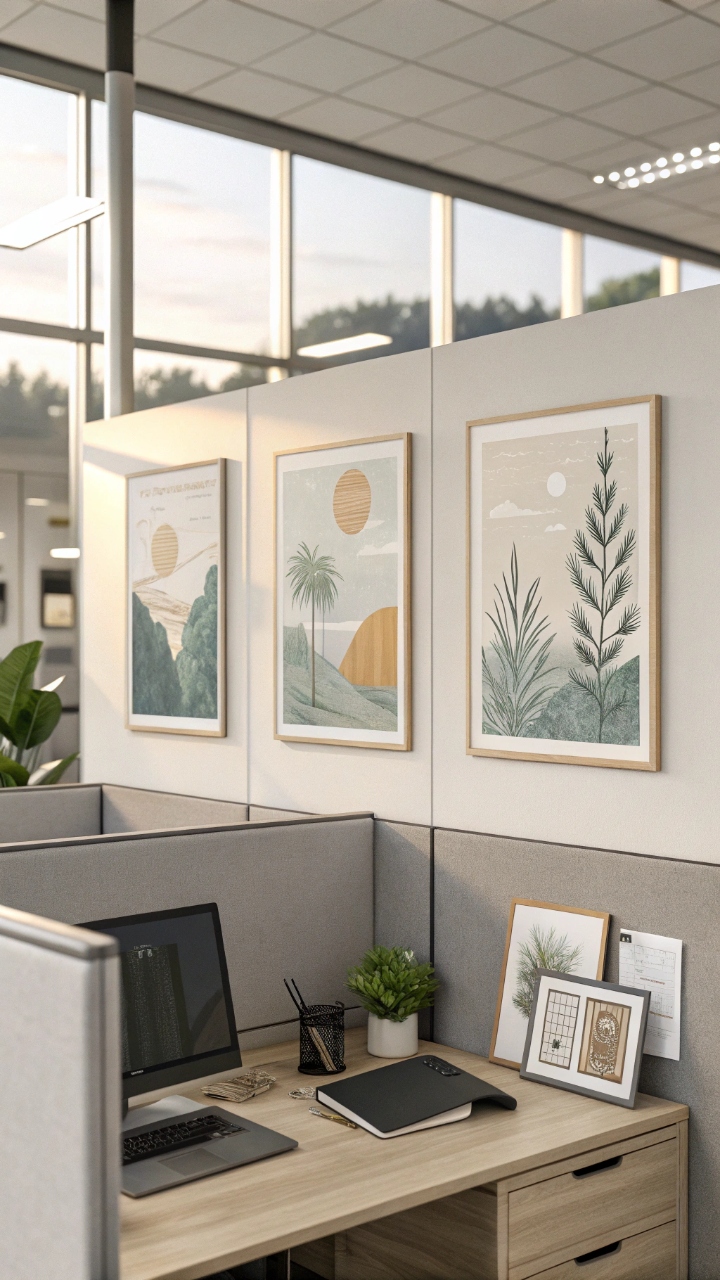
Blank cubicle walls used to make me feel boxed in, so I added simple, calming prints. Nothing loud, just soft visuals that reflect calm energy. It gives my eyes something gentle to rest on during breaks. I sometimes find myself pausing just to take it in. Doesn’t it feel better when your space reflects your personality? Even a little art goes a long way.
Pro Tip: Stick to two or three small frames to maintain a clean look.
9. Stick to a Consistent Color Palette
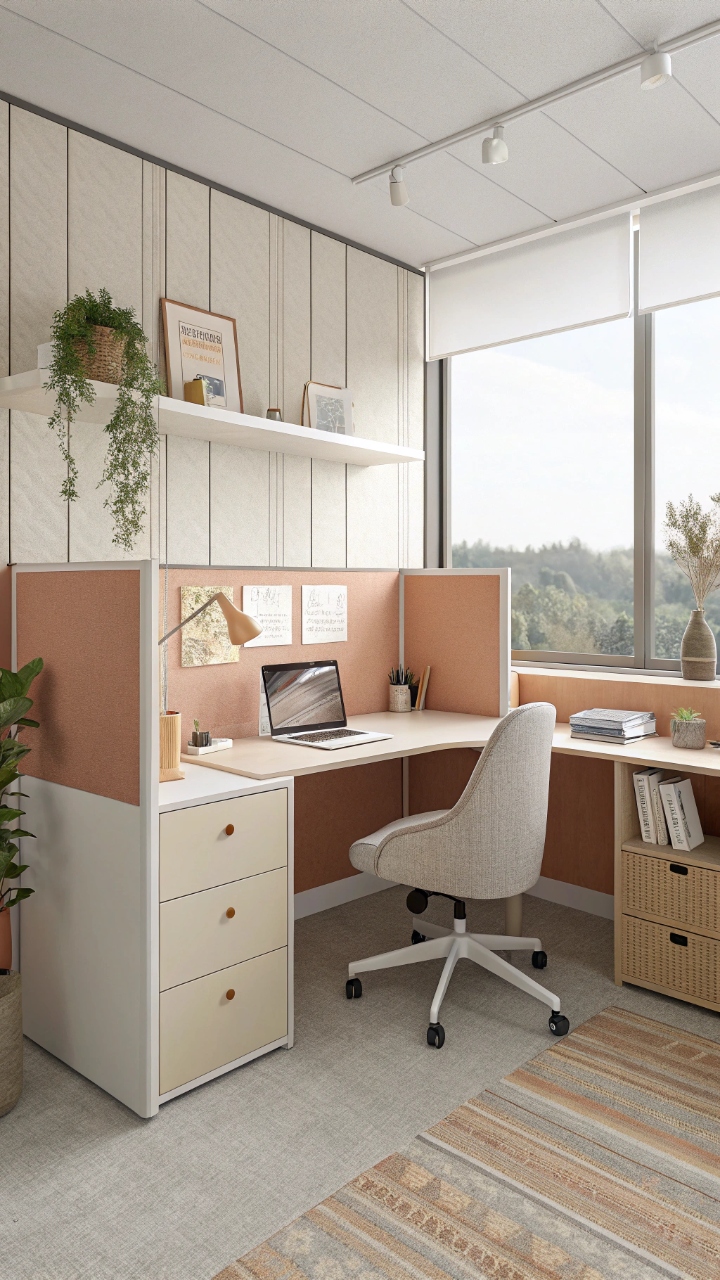
I didn’t realize how chaotic mismatched colors felt until I simplified everything. Choosing a soft neutral palette with warm accents made my cubicle feel intentional. Suddenly, everything looked more cohesive and peaceful. It’s like visual noise disappeared overnight. Have you ever felt calmer just by looking at a unified space? That’s the magic of color harmony.
Pro Tip: Choose two main colors and one accent for a balanced look.
10. Manage Cables for a Cleaner Look
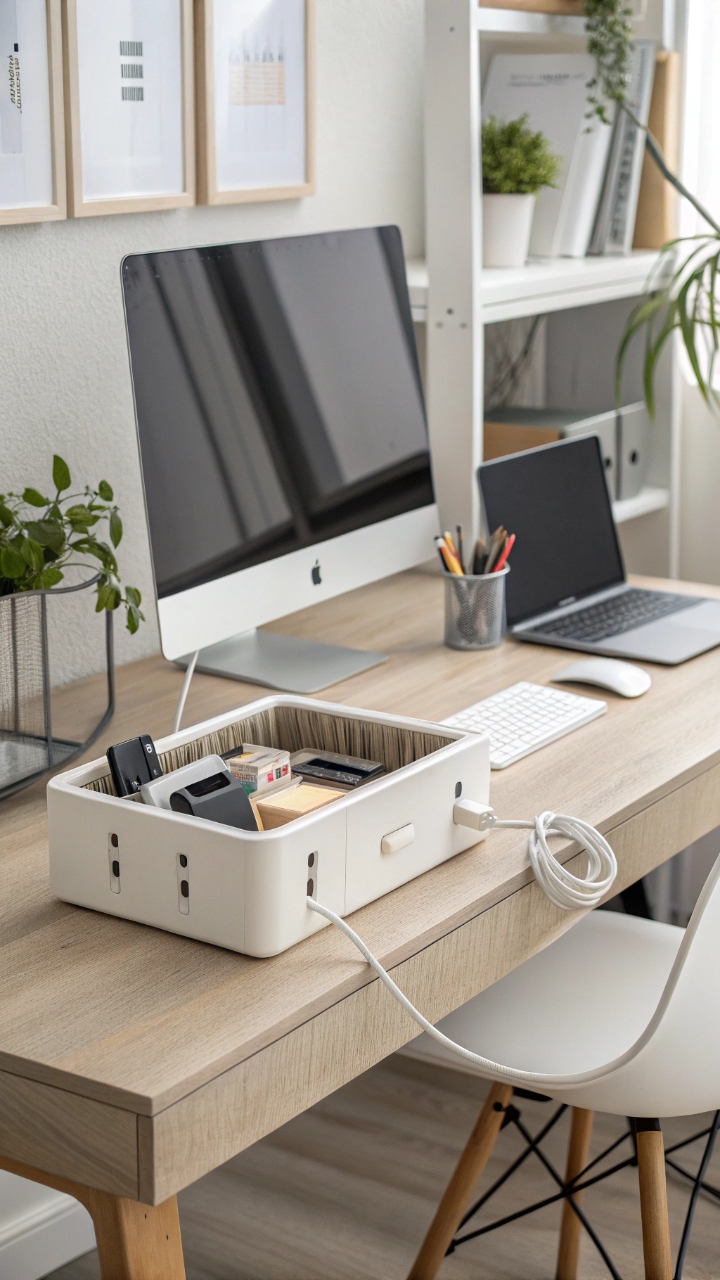
Nothing ruins a cozy setup faster than tangled cords everywhere. I used simple cable clips and a small box system to hide the mess. Instantly, my desk looked more open and less stressful. It’s one of those changes you don’t notice emotionally until it’s done. Why do messy cables feel so mentally heavy anyway? Cleaning them up feels like a fresh start.
Pro Tip: Label each cable so future adjustments don’t become a headache.
11. Create a Snack Drawer for Comfort Breaks
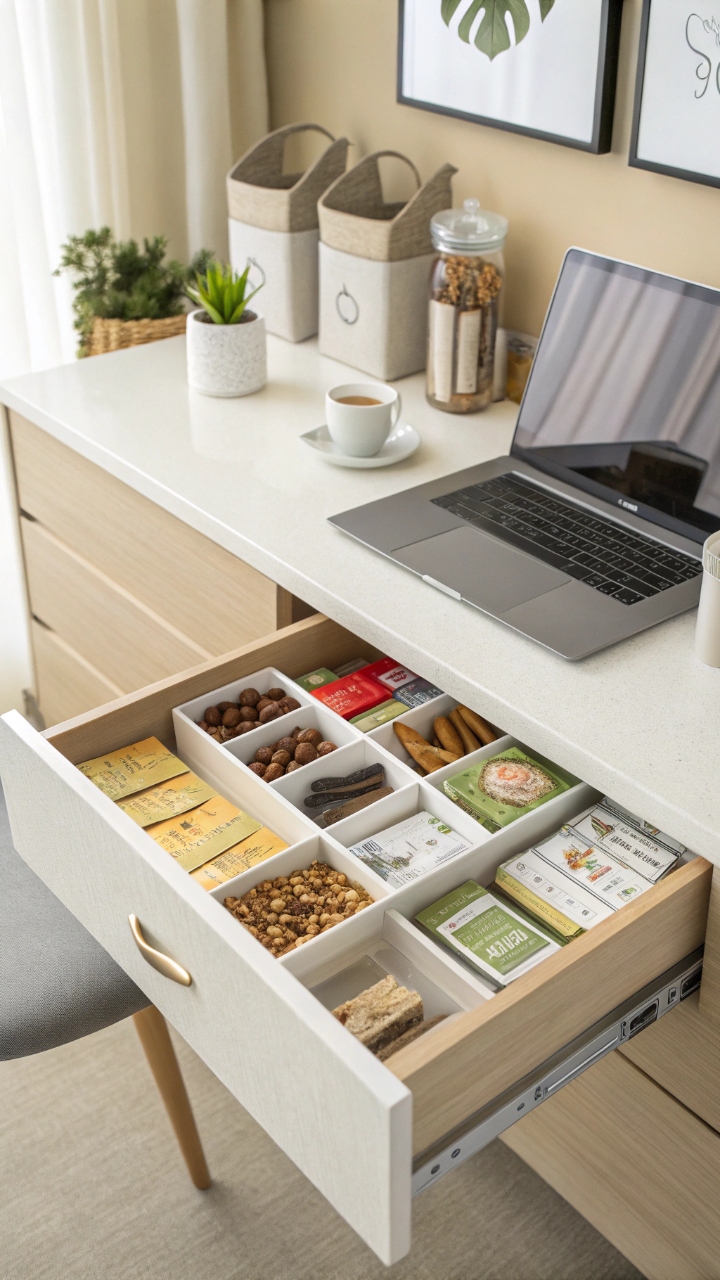
I keep a small drawer filled with tea bags, nuts, and little snacks, and honestly, it’s my survival kit. It makes long days feel less intense when I know comfort is within reach. Sometimes I joke that it’s my emotional support drawer. Have you ever needed a quick break that felt grounding? This does exactly that.
Pro Tip: Keep healthy snacks to maintain energy without crashes.
12. Build a Mini Comfort Kit

This is my go-to when work gets overwhelming. A small pouch with lip balm, hand cream, and gum sits in my drawer. It’s not just practical—it feels reassuring to have little comforts nearby. I reach for it during stressful moments without thinking twice. Isn’t it funny how small routines can steady your day? It works every time.
Pro Tip: Store your kit in one place so it’s easy to grab when needed.
13. Add Inspirational but Realistic Quotes

I used to avoid quotes because they felt cliché, but the right ones changed my mind. I now display simple, grounded reminders that actually resonate with my daily work life. They don’t motivate me in a loud way—they just gently refocus me. Sometimes I catch myself nodding at them mid-task. Don’t you think subtle encouragement works better than pressure? I do.
Pro Tip: Choose quotes that feel personal, not overly generic or forced.
14. Improve Ergonomics for Everyday Comfort
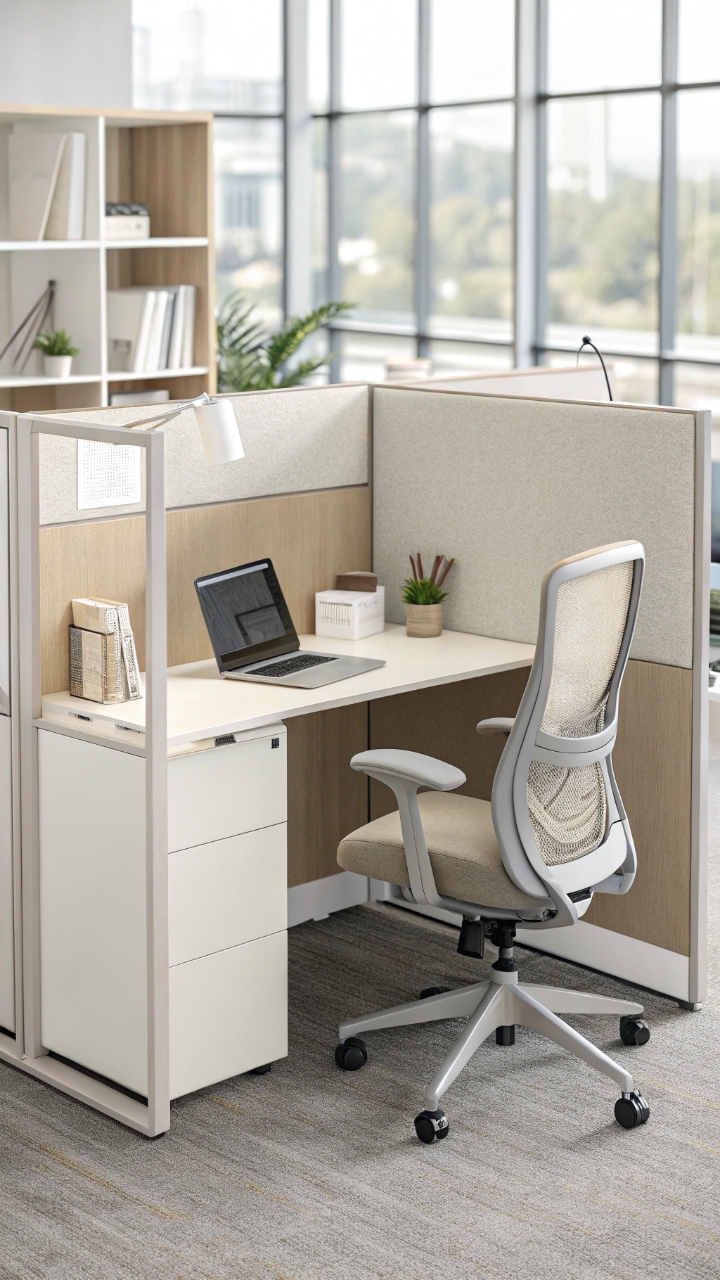
Comfort isn’t just aesthetic—it’s physical too. I adjusted my chair height and added a supportive cushion for posture, and my back thanked me instantly. Working long hours feels less draining when your body is supported properly. I used to ignore this until discomfort became impossible to ignore. Ever tried focusing while physically uncomfortable? It’s nearly impossible.
Pro Tip: Invest in ergonomic support before decorative upgrades.
15. Rotate Decor Seasonally for Fresh Energy
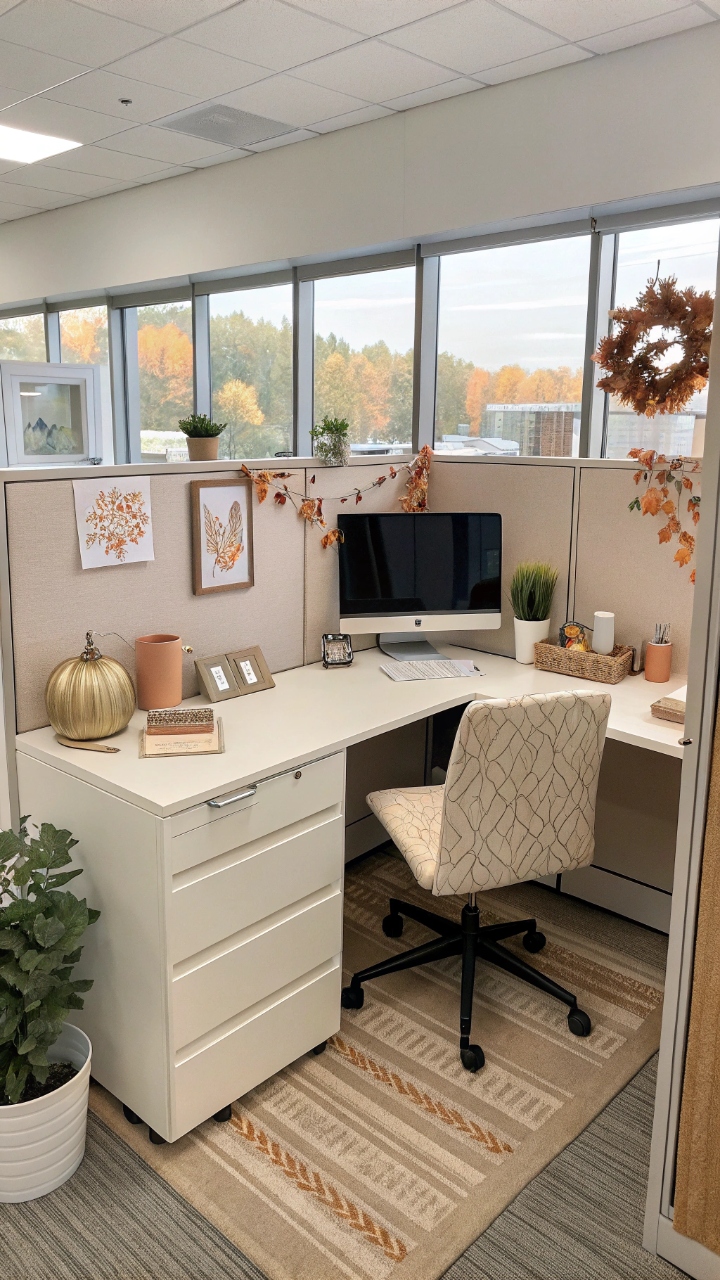
I love changing small details every few months to keep things feeling fresh. Swapping colors, mini décor, or desk accents prevents the space from feeling stale. It keeps my cubicle aligned with my mood and the season outside. It’s honestly a fun little reset ritual I look forward to. Don’t you love when small changes make everything feel new again? It keeps work from feeling repetitive.
Pro Tip: Store seasonal items in a small box for easy rotation.
Conclusion
Creating a cozy cubicle isn’t about turning your workspace into a full home replica—it’s about bringing pieces of comfort into your everyday routine. I learned that even the smallest changes can shift how you experience long work hours, from lighting to scent to simple organization. There’s a quiet kind of joy in sitting down at a desk that feels aligned with your personality instead of working against it. And honestly, once you start noticing that difference, you won’t want to go back.
What surprised me most is how emotional workspace design can be when you start paying attention to it. A well-thought-out cubicle doesn’t just improve productivity—it softens stress, builds focus, and adds small moments of peace throughout the day. I used to think work comfort was optional, but now I see it as essential for long-term balance and well-being. And if your workspace has been feeling dull lately, it might just need a little care, not a complete overhaul.
At the end of the day, your cubicle becomes a reflection of how you support yourself through your work life. It doesn’t need to be perfect, expensive, or overly styled—it just needs to feel like somewhere you can breathe and think clearly. When you start treating your workspace as part of your life instead of separate from it, everything feels more grounded. And maybe, just maybe, work starts feeling a little more like home.



Leave a Reply