Small living rooms have a way of teaching you things you never thought you needed to learn, especially when you first move into one and realize that every furniture decision suddenly matters more than expected. I remember stepping into my first tiny apartment and feeling excited at first, only to slowly realize that the wrong sofa placement made the entire space feel tighter and more stressful than it should have been. There were moments when I would sit down after a long day and feel like the room was shrinking around me, even though nothing physical had changed. Over time, I learned that tiny spaces are not limitations but invitations to be intentional, creative, and surprisingly thoughtful about how you live every day.
What surprised me even more was how quickly the mood of a small living room could shift with just a few changes in layout or color. I used to think I needed more furniture or more decoration to make it feel complete, but it turned out I actually needed less of both. Once I started focusing on flow, breathing space, and proportion, the room began to feel calmer and more balanced in a way I didn’t expect. It almost felt like the space was finally exhaling after being held too tightly for too long.
Now I actually enjoy working with tiny living rooms because they force you to slow down and really think about what belongs and what doesn’t. You start noticing details like how light hits a corner in the morning or how textures change the mood of the entire space. There’s something deeply satisfying about turning a small, overlooked room into something stylish, functional, and warm without overwhelming it. It feels less like decorating and more like storytelling through space.
Choose Light, Airy Color Palettes That Open Up the Room
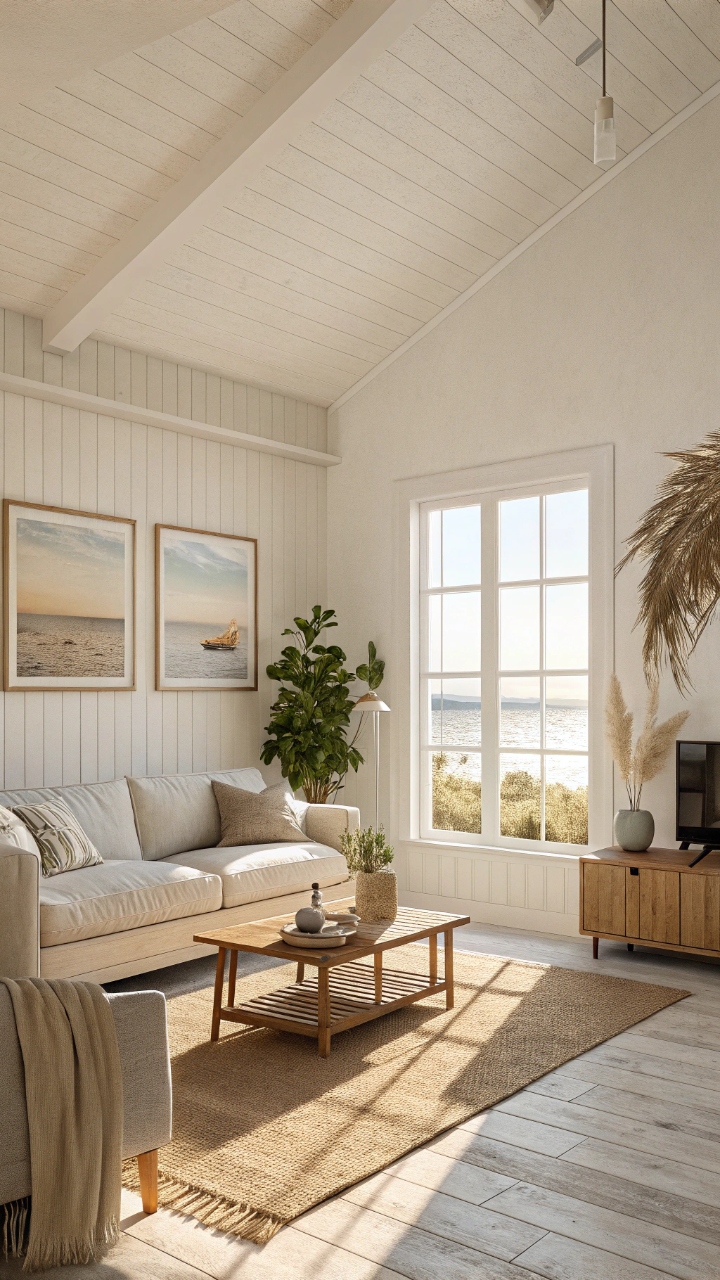
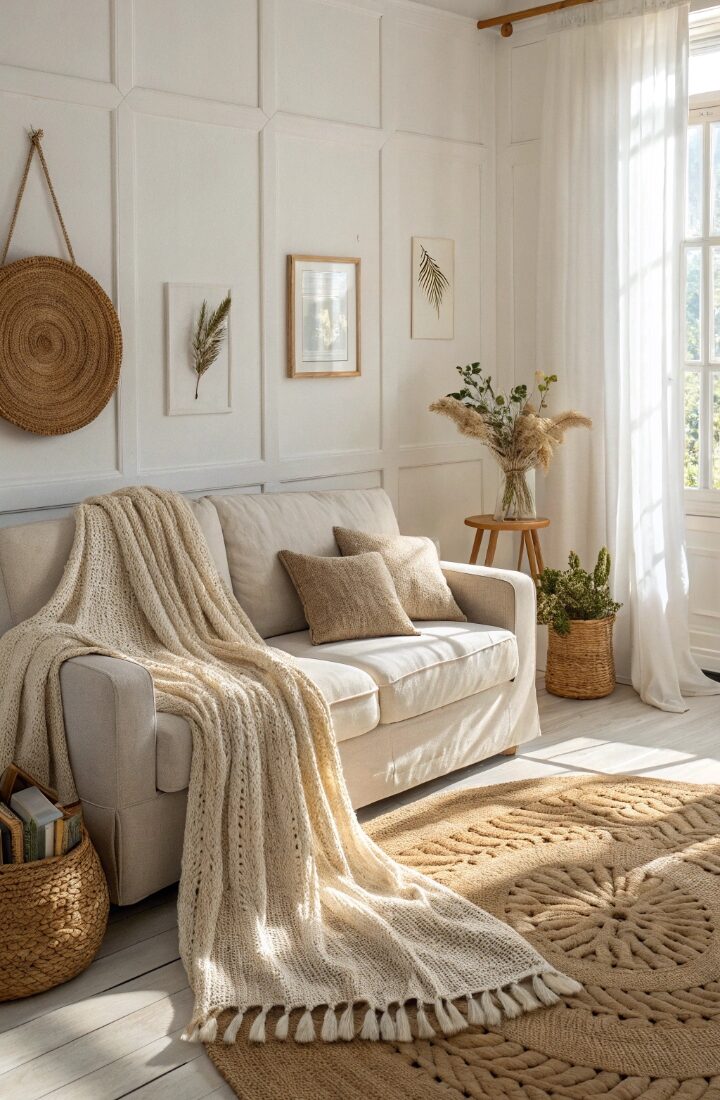
A tiny living room instantly feels more open when you lean into light, airy color palettes that reflect natural light instead of absorbing it, and I learned this the moment I repainted my first cramped space in soft warm white and beige tones that completely changed its personality. The walls suddenly felt farther away, the corners felt softer, and the entire room gained a calmness I didn’t expect from just paint alone. Light colors create the illusion of breathing space, especially when paired with natural daylight that bounces gently across surfaces. I often wonder why I didn’t start with this sooner because the transformation feels almost immediate and emotional in the best way. It’s amazing how color alone can shift the entire experience of a room.
Pro Tip: Stick to two base tones and one subtle accent color to maintain harmony.
Use Multi-Functional Furniture to Maximize Every Inch
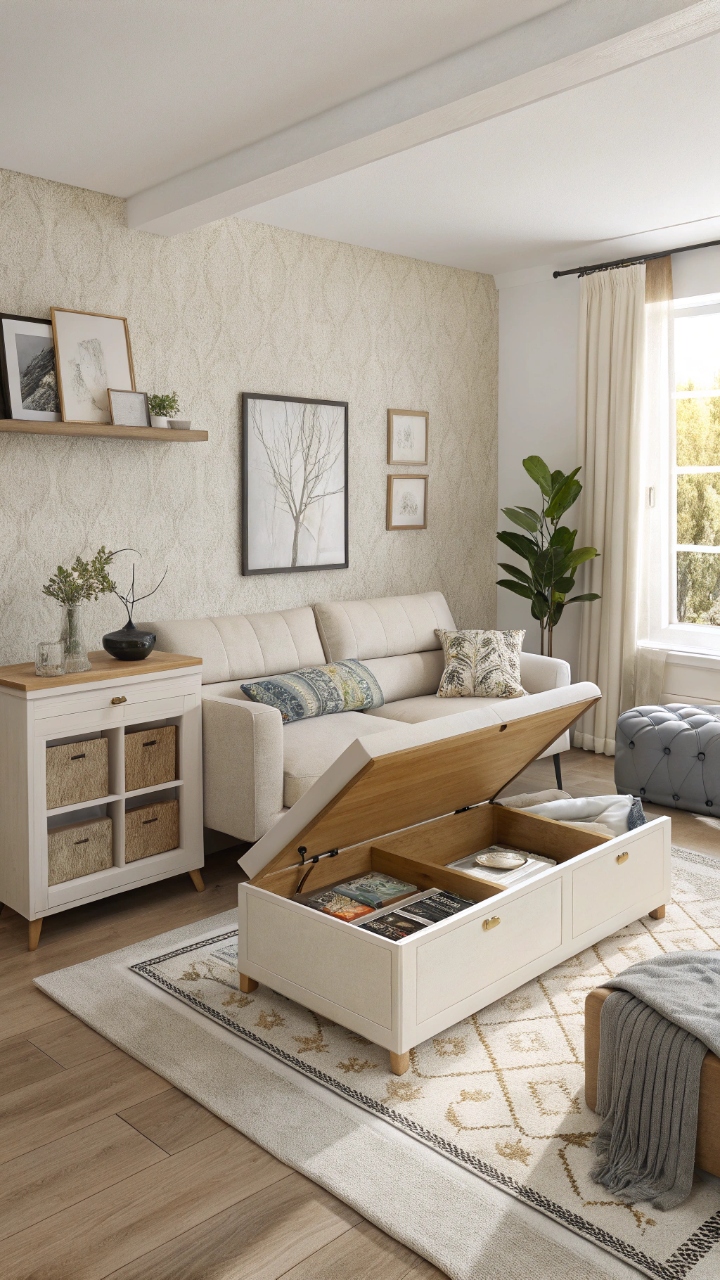
Multi-functional furniture completely changed how I live in small spaces because every item suddenly started working harder and smarter, and I remember how my storage ottoman became my favorite piece overnight since it hid clutter while also serving as seating and a coffee table alternative. In a tiny living room, nothing should feel like it has only one purpose because space is too valuable to waste on single-use items. When furniture doubles up, the room feels lighter and more intentional without losing comfort or style. I still get a small sense of satisfaction when I open something and find storage I forgot I had. It feels like the room is helping you stay organized without asking for much in return.
Pro Tip: Prioritize pieces that combine storage, seating, or surface space.
Float Your Furniture Instead of Pushing It Against Walls
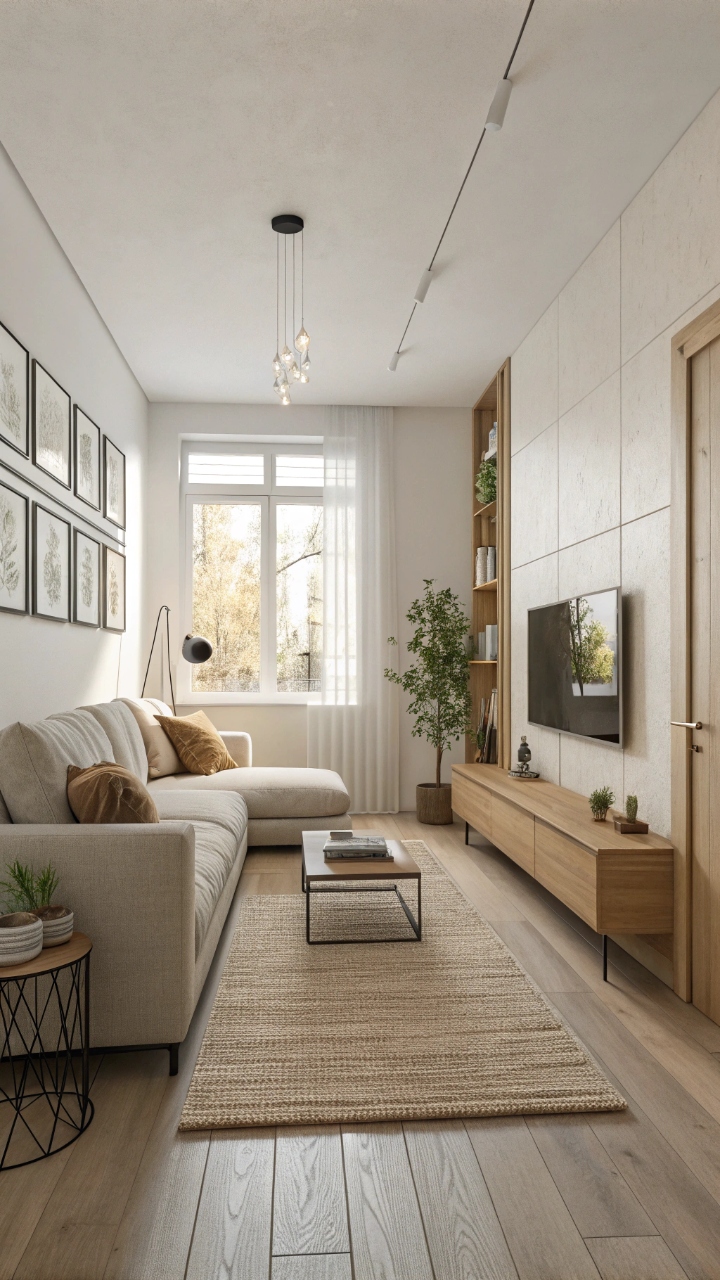
Floating furniture slightly away from the walls made my tiny living room feel surprisingly larger because it created depth and visual movement instead of a flat boxed-in layout that used to make everything feel tight and predictable. At first, I thought I was wasting space, but I quickly realized I was actually creating flow that made the room easier to navigate. The subtle gaps around furniture gave the illusion of openness and helped define pathways naturally. It also made the seating area feel more intentional, like a designed space instead of a rushed arrangement. Once you try it, going back feels impossible.
Pro Tip: Leave small gaps between walls and furniture to create breathing room.
Add Mirrors to Multiply Light and Space
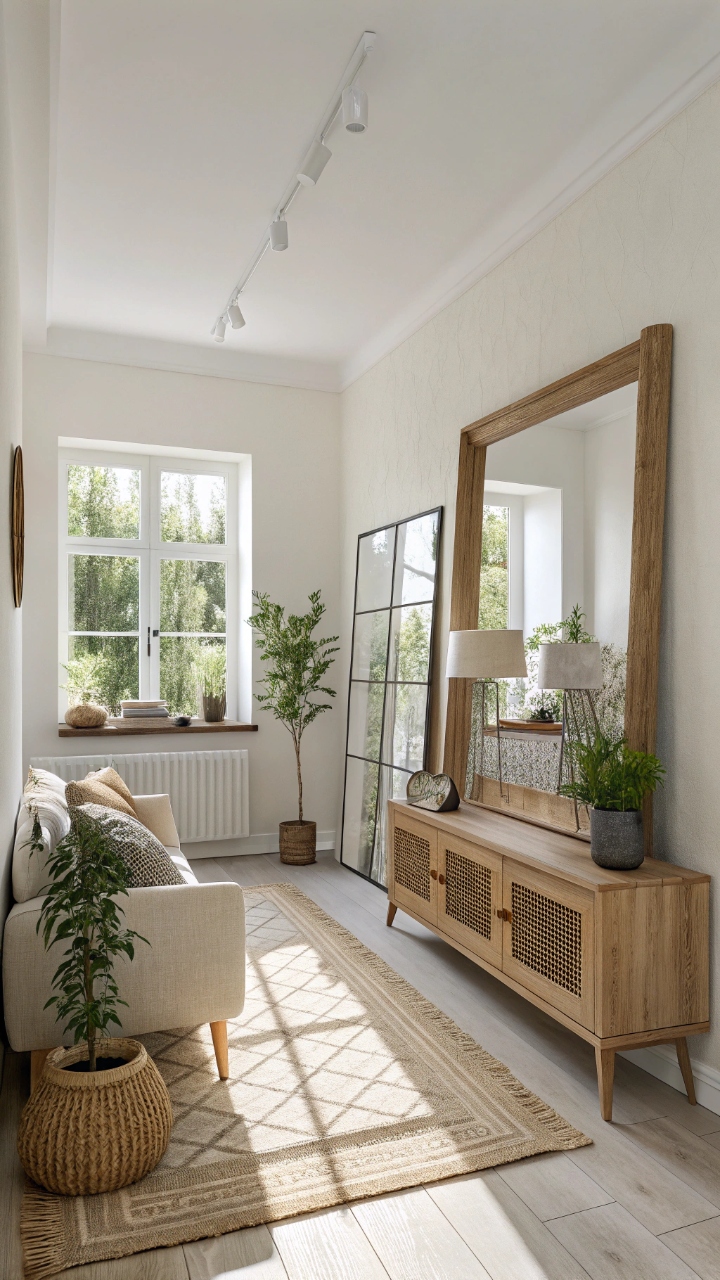
Mirrors have this almost magical ability to completely transform a tiny living room because they reflect light, movement, and depth in a way that tricks the eye into seeing more space than actually exists, and I still remember placing one opposite a window and feeling like the room doubled overnight. The reflection didn’t just brighten the space, it also added dimension that made everything feel more alive. Even a narrow room suddenly feels more open when light bounces across surfaces continuously. There’s something almost playful about how mirrors expand perception without physically changing anything. It’s one of those design choices that always feels worth it.
Pro Tip: Place mirrors across from natural light sources for maximum effect.
Go Vertical with Shelving and Storage
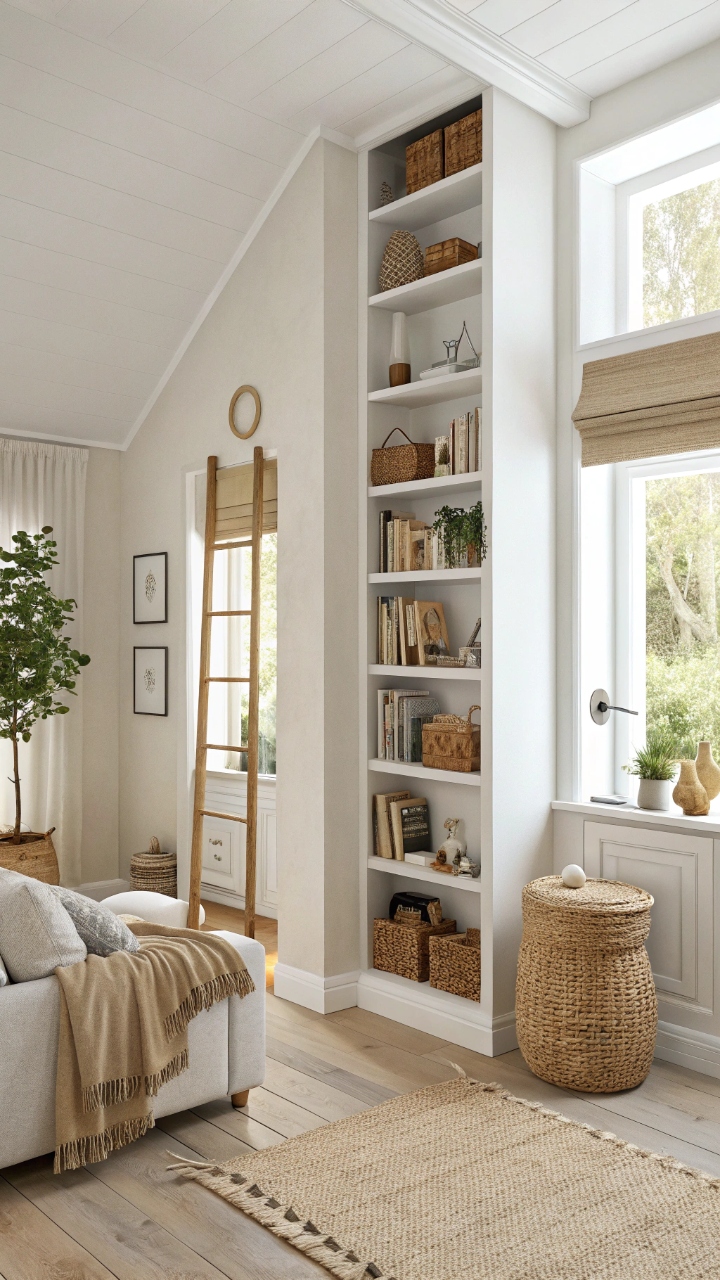
Using vertical space completely changed how I organize small living rooms because once I started building upward instead of outward, the floor instantly felt clearer and the room felt taller and more structured in a subtle but powerful way. Tall shelves draw the eye upward and create the illusion of higher ceilings, which makes even the smallest room feel more generous. I like how vertical storage also turns everyday items into part of the decor when styled intentionally. It feels like the walls are finally being used to their full potential instead of sitting empty. This shift alone made my space feel twice as functional.
Pro Tip: Use wall-mounted shelves to keep the floor visually open.
Keep Furniture Scaled Down and Proportional
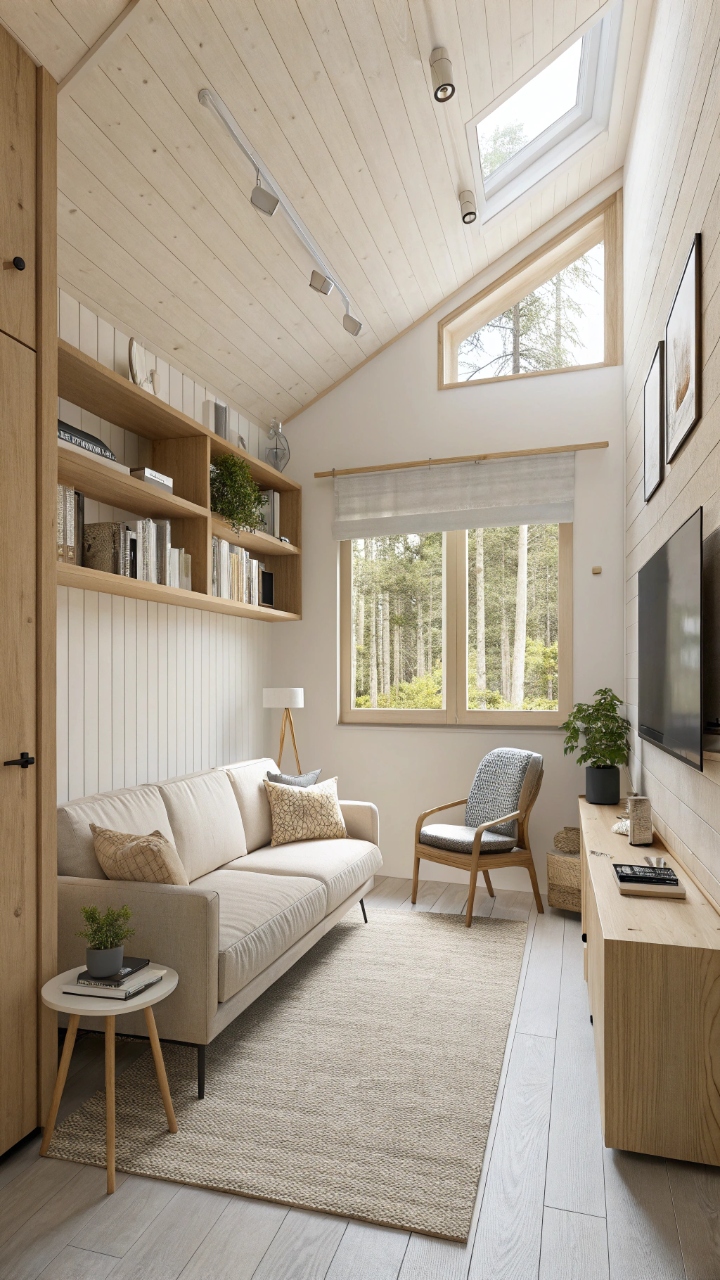
Oversized furniture in a tiny living room feels overwhelming very quickly, and I learned this the hard way when a bulky sofa once took over my entire seating area and made everything else feel like an afterthought. Once I switched to smaller, more proportional pieces, the room finally felt balanced and comfortable again. Scale matters more than style in small spaces because even beautiful furniture can feel wrong if it dominates the room. I started measuring everything before buying, and it completely changed my decisions. It’s surprising how much easier everything feels when proportions make sense.
Pro Tip: Always measure your space before buying large furniture.
Create Cozy Zones Instead of One Blocky Layout
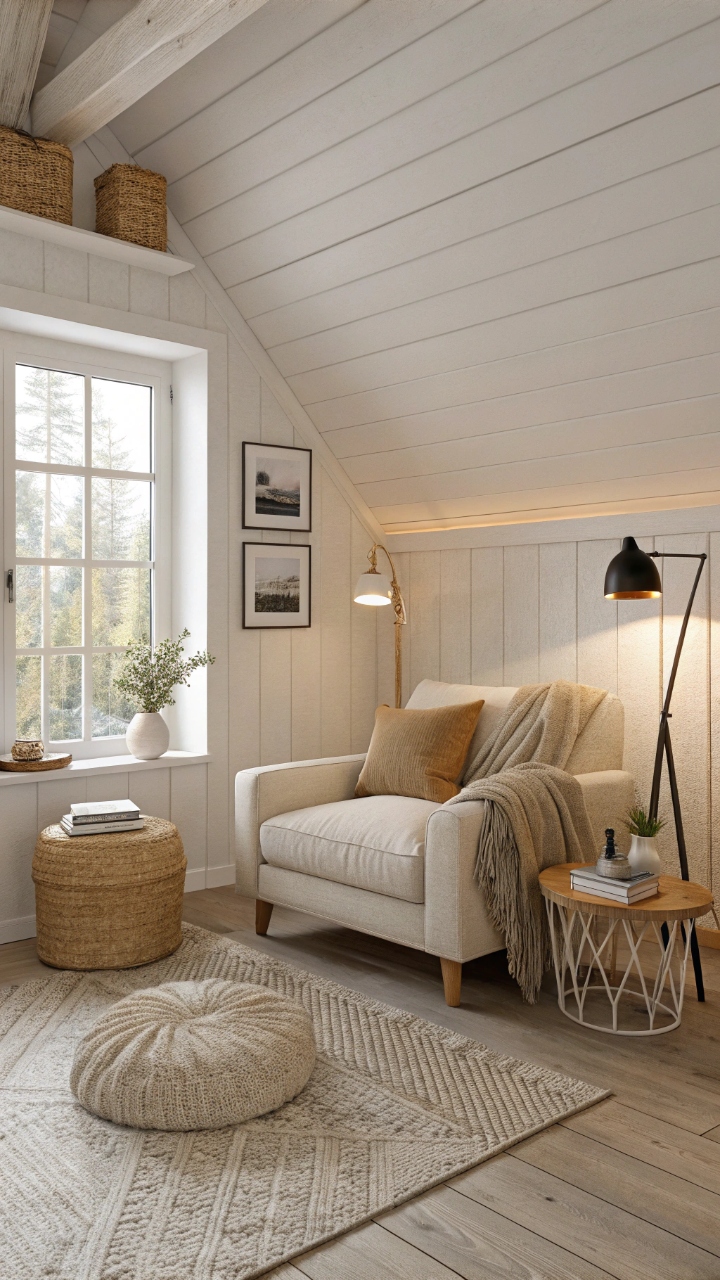
Dividing a tiny living room into small zones made it feel more dynamic and intentional because instead of one flat arrangement, I created little moments like a reading corner and a compact seating area that gave the space personality and structure. Each zone feels like its own story within the room, which makes everything more interesting to live in. Rugs and lighting help define these areas without adding physical barriers. It feels less like squeezing everything into one place and more like designing a mini experience. I never realized how much structure a small room could handle until I tried this approach.
Pro Tip: Use rugs or lighting to clearly separate functional zones.
Embrace Minimal Decor Without Losing Personality
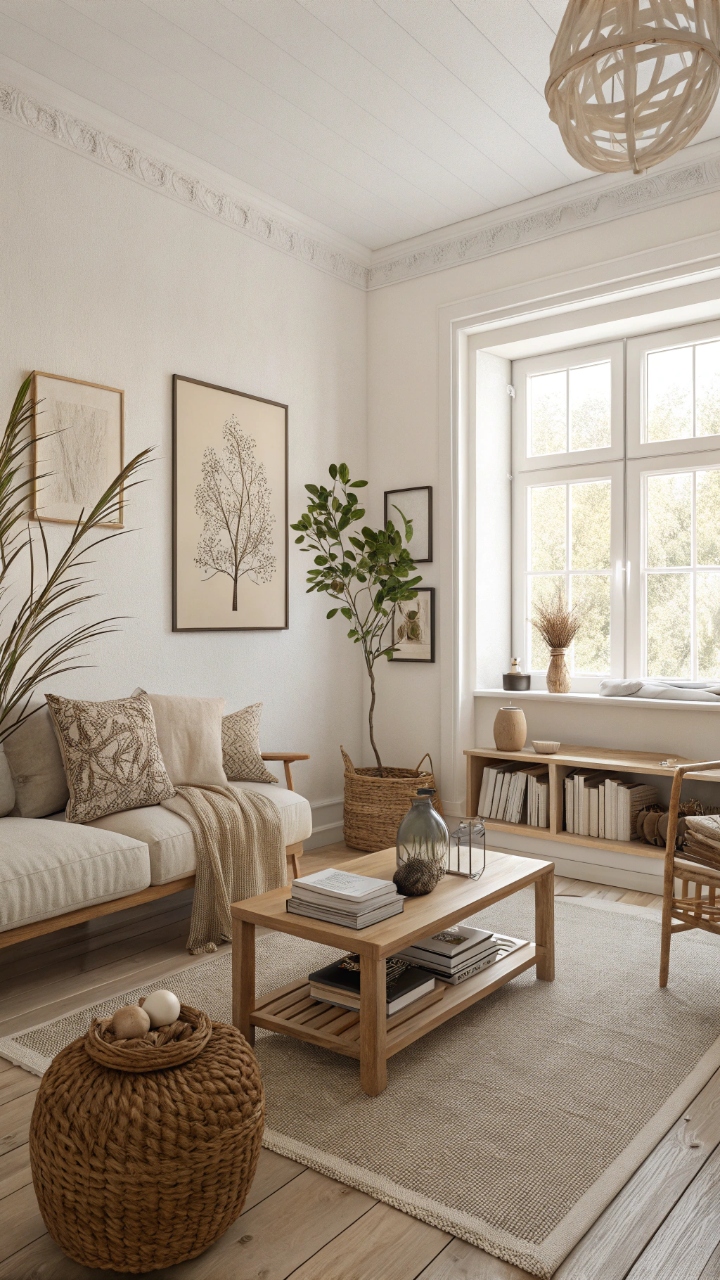
When I first started decluttering my tiny living room, I was afraid it would feel empty, but instead it felt calmer, more intentional, and surprisingly more stylish because every remaining piece finally had space to breathe and be noticed properly. Minimal decor doesn’t mean removing personality, it means highlighting what truly matters. A few meaningful objects often tell a stronger story than a crowded shelf ever could. I began choosing items based on emotion rather than habit, and the difference was huge. Less really does feel more when done thoughtfully.
Pro Tip: Keep only decor pieces that hold meaning or visual impact.
Use Sliding or Lightweight Furniture for Flexibility
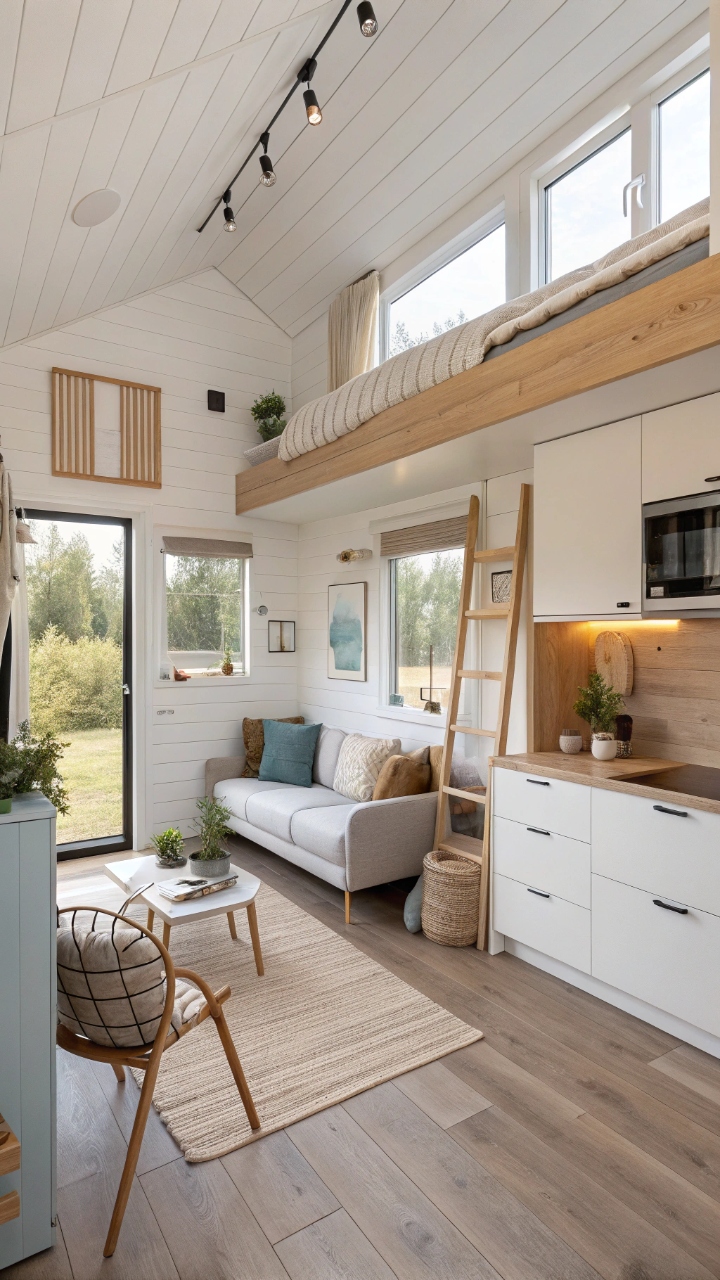
Switching to lightweight furniture made my tiny living room feel flexible and adaptable because I could rearrange things quickly without effort, which completely changed how I used the space throughout the day depending on mood or activity. Heavy furniture used to make everything feel fixed and limiting, but lighter pieces introduced movement and freedom. It became easier to refresh the room without stress or planning. Sometimes I would shift just one chair and the entire vibe would feel different. That kind of flexibility makes a small space feel alive.
Pro Tip: Choose furniture that is easy to move and reposition.
Layer Lighting for Warmth and Depth
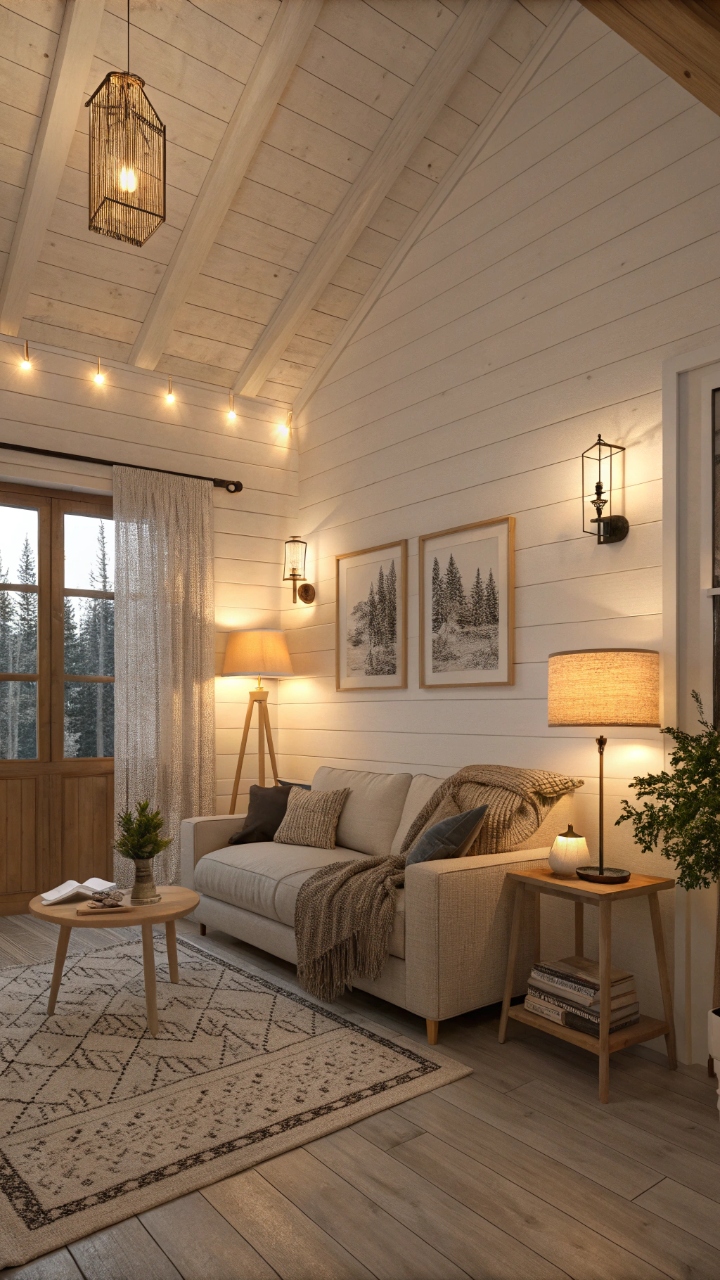
Layered lighting completely transformed the atmosphere of my tiny living room because relying on a single overhead light always made the space feel flat and harsh, but adding lamps and softer light sources introduced warmth and depth that changed everything. The room felt more inviting at night, almost like it was wrapping itself around me. Different light levels created visual interest and made corners feel intentional instead of forgotten. It’s amazing how lighting alone can influence mood so strongly. I never design a space without thinking about it now.
Pro Tip: Combine ambient, task, and accent lighting for balance.
Use Transparent or Glass Furniture to Reduce Visual Weight
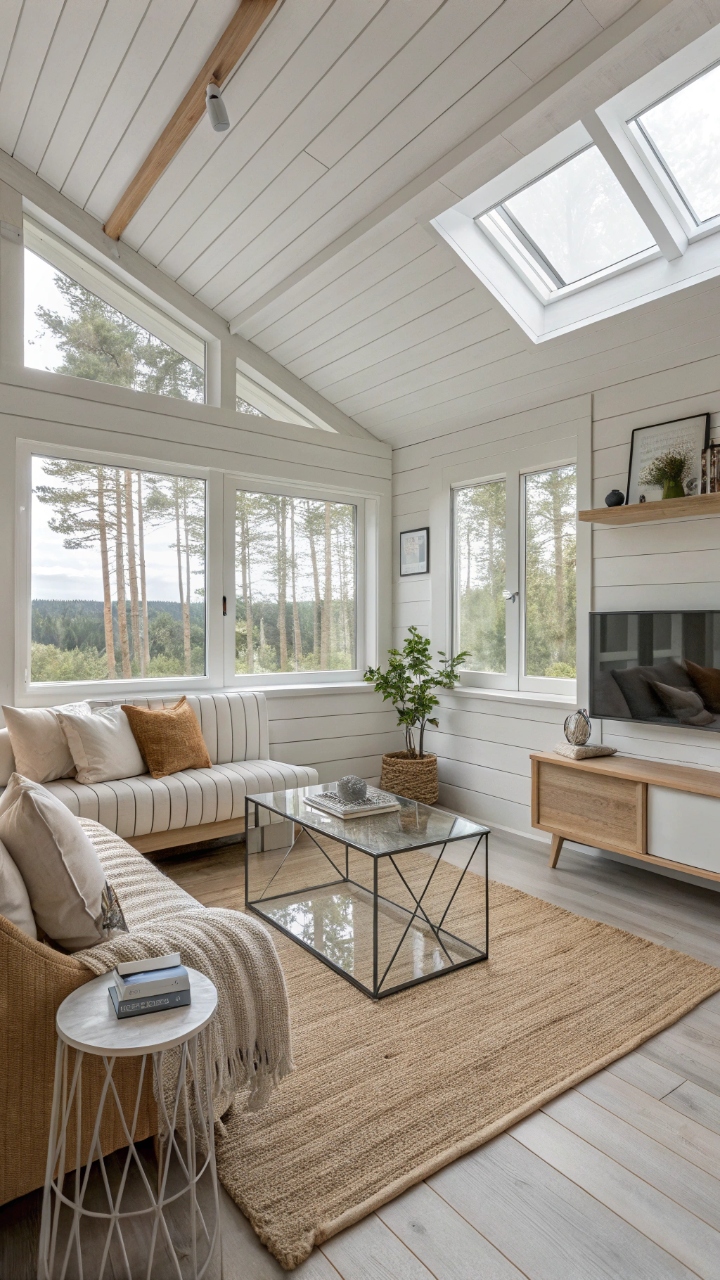
Glass and acrylic furniture helped my tiny living room feel lighter because they don’t block visual flow, allowing light and sightlines to move freely across the space without interruption, which made everything feel more open even when the room was fully furnished. A glass coffee table almost disappears in the best way possible while still being functional. It reduces heaviness and keeps the layout visually clean. I noticed the floor looked more visible, which strangely made the room feel bigger. It’s a subtle but powerful trick.
Pro Tip: Pair transparent furniture with soft textures for warmth.
Add Plants for Freshness Without Clutter
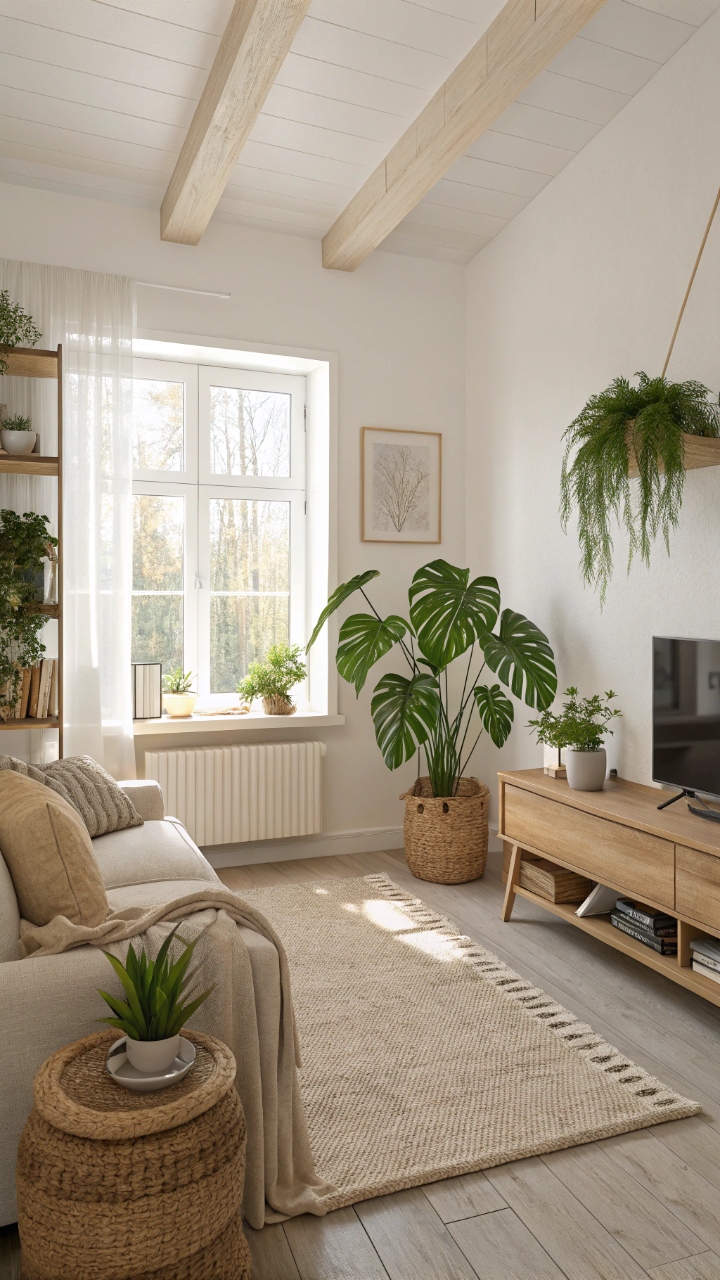
Adding plants brought life into my tiny living room without making it feel crowded because even a single green plant can soften edges, add movement, and completely shift the energy of a space in a way that feels natural and refreshing. I started with one pothos and slowly realized how much warmth it added without taking up much visual weight. Plants create a sense of calm and connection to nature even indoors. It feels like the room is breathing a little easier. That effect is hard to replicate with decor alone.
Pro Tip: Start with low-maintenance plants for easy care.
Use Rugs to Anchor the Space
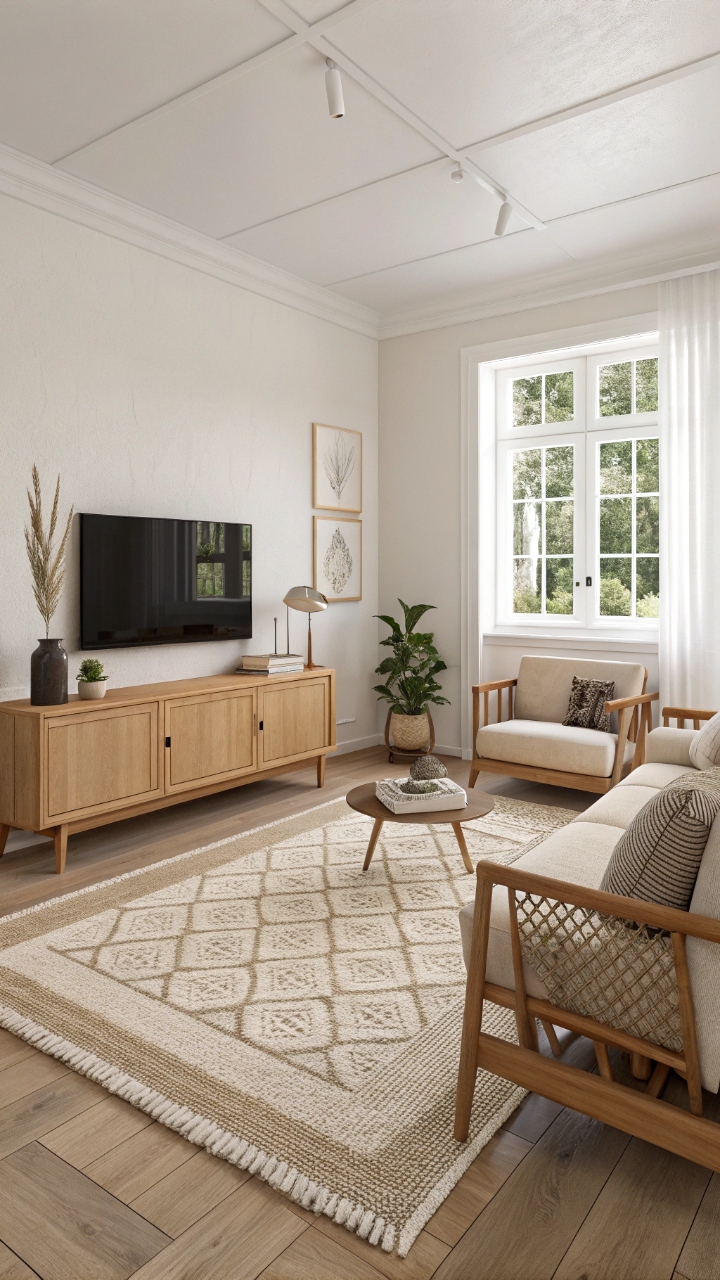
Rugs helped ground my tiny living room by defining where the space begins and ends, and I didn’t realize how important that was until I saw how much more organized everything looked once the furniture sat on a clear visual foundation. It instantly made the layout feel intentional instead of random. Rugs also add texture and warmth without adding clutter. They pull everything together in a subtle but powerful way. It’s one of those details you don’t notice until it’s missing.
Pro Tip: Choose a rug large enough to anchor your main furniture pieces.
Keep Walkways Clear for Smooth Flow
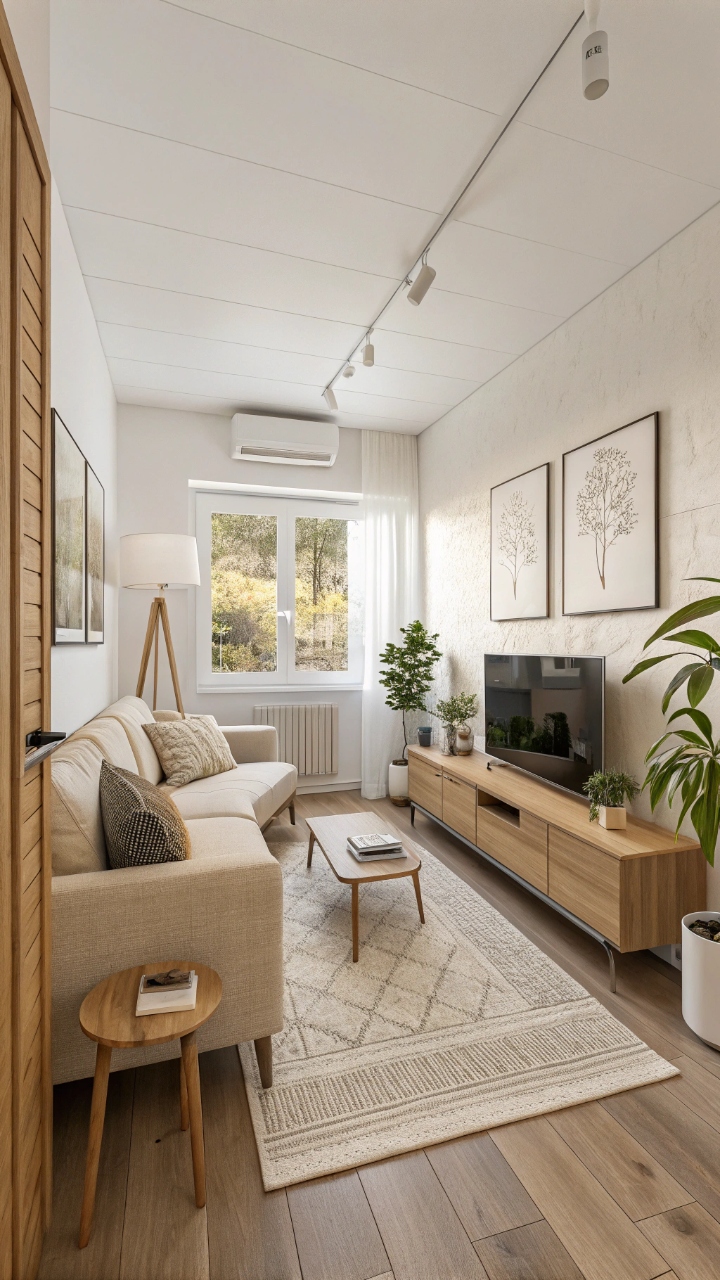
Keeping walkways clear made my tiny living room feel more comfortable and less stressful because movement became natural instead of careful, and I stopped bumping into furniture or feeling restricted in my own space. Once I adjusted the layout to prioritize flow, everything felt easier to use. The room suddenly made sense in a physical way. It’s funny how much difference a clear path can make. It changed how I experience the entire space.
Pro Tip: Always plan walking paths before placing furniture.
Mix Textures Instead of Cluttered Decor
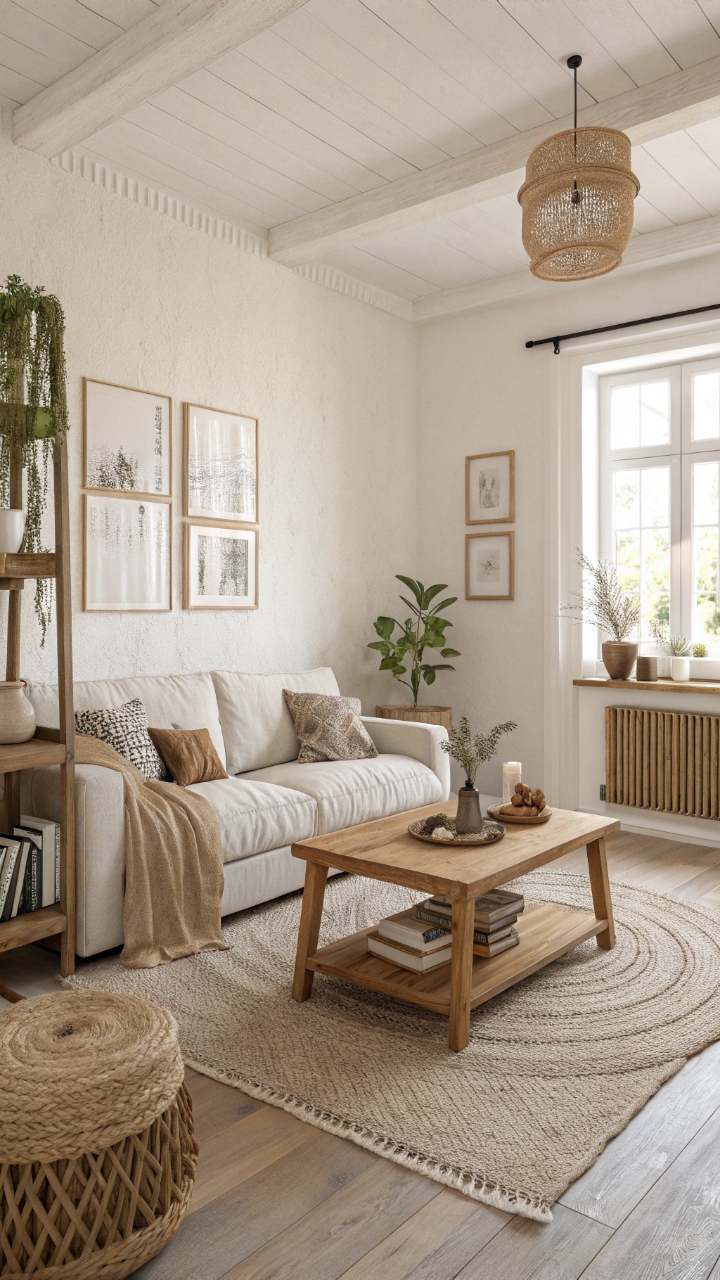
Mixing textures brought depth into my tiny living room without adding clutter because combining materials like wood, linen, and soft fabric created visual richness that felt layered and intentional without overwhelming the space. I realized I didn’t need more objects, just better combinations. Texture adds quiet complexity that decor alone can’t achieve. It makes the room feel curated instead of crowded. That shift changed my entire design approach.
Pro Tip: Combine at least three complementary textures.
Personalize with Thoughtful, Meaningful Pieces
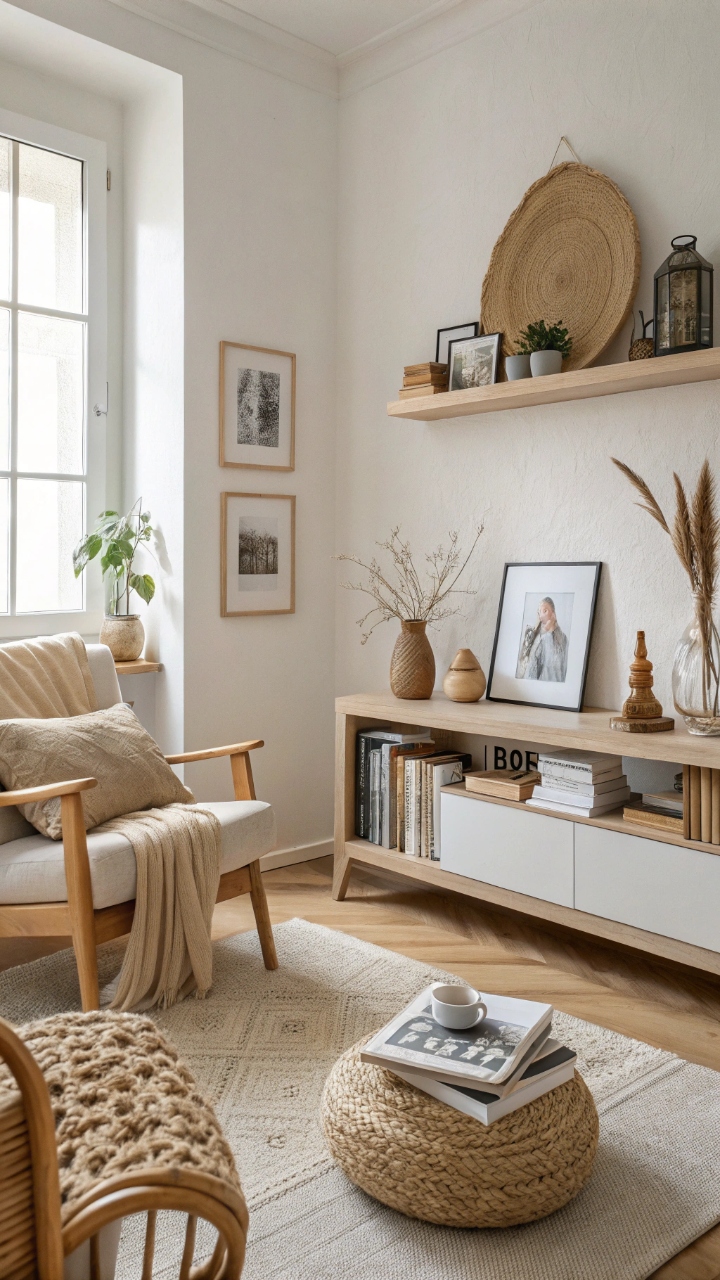
Adding personal items made my tiny living room feel like home rather than a styled space because every photo, object, or handmade piece carried meaning that grounded the room emotionally and made it feel uniquely mine. These small touches bring warmth that no store-bought decor can replace. It’s not about filling space but about telling your story through what you choose to display. I always say the best rooms feel lived in, not staged. That’s where real comfort lives.
Pro Tip: Choose decor that reflects your memories and personality.
Conclusion
Living in a tiny living room taught me that comfort doesn’t come from size but from intention, and once I stopped trying to fill every empty space, I started appreciating how peaceful simplicity can feel in everyday life. Small rooms encourage you to think differently about what you truly need and what you can let go of without losing warmth or personality. Every decision becomes more meaningful because space doesn’t allow waste, only purpose. Over time, I realized that this constraint actually makes creativity stronger, not weaker.
What I love most now is how even the smallest changes can completely shift the mood of a room, whether it’s a mirror catching light, a plant softening a corner, or a rug grounding the layout in a subtle way. These details work together quietly, shaping an environment that feels both functional and emotionally comforting. It’s not about perfection or trends, but about building a space that supports your everyday rhythm in a natural way. And when that happens, the room starts to feel like it truly belongs to you.
At the end of the day, a tiny living room isn’t something to struggle with but something to explore and shape over time as your needs evolve. It becomes a space that reflects how you live, what you value, and how you want to feel when you come home. And once you understand that, even the smallest room can feel surprisingly expansive in all the ways that matter.
Leave a Reply