There’s a specific memory of my first apartment living room—just standing in the center of that tiny box, wondering how to inject personality into a space that felt like it was closing in on me. The space felt tight, almost stubborn, like it refused to cooperate no matter how I rearranged the furniture. I tried everything I knew at the time, but it still felt cramped and a little uninspiring, which honestly made me question my decorating skills more than once. Over time, though, I learned that small spaces don’t need more stuff—they need smarter choices, and that realization changed everything.
There was a moment one rainy afternoon when I shifted a single chair closer to the window and suddenly the room felt different, like it could finally breathe a little. That small change sparked something in me, and I started experimenting with layout, light, and texture in ways I had never considered before. I began noticing how natural light could completely shift the mood of a room, and how even one bold piece could carry the whole design. It felt like unlocking a secret I wish I had known sooner, honestly.
Now I look back and laugh a little at how overwhelmed I used to feel, because those same tiny spaces that once stressed me out have become some of the coziest, most intentional areas I’ve ever designed. Every inch has a purpose now, and nothing feels accidental anymore. If you’ve ever stood in your living room wondering how to make it work without making it feel cluttered, you’re definitely not alone, and trust me, there’s a way to make it feel both stylish and livable without losing your sanity.
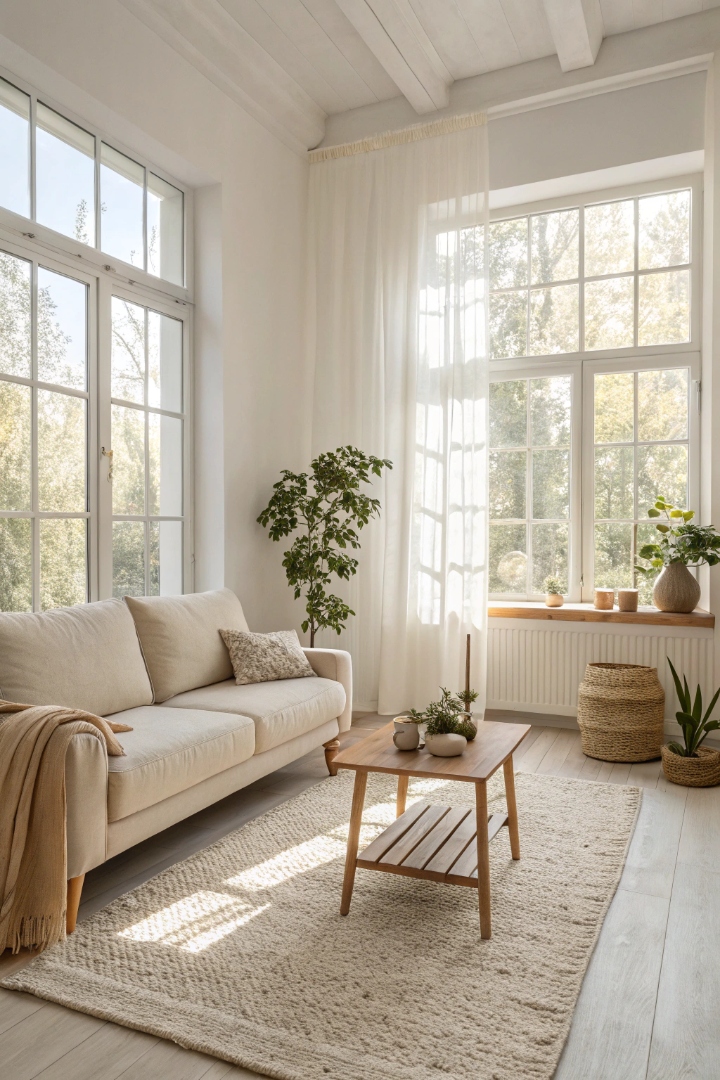
Choose a Light and Airy Color Palette
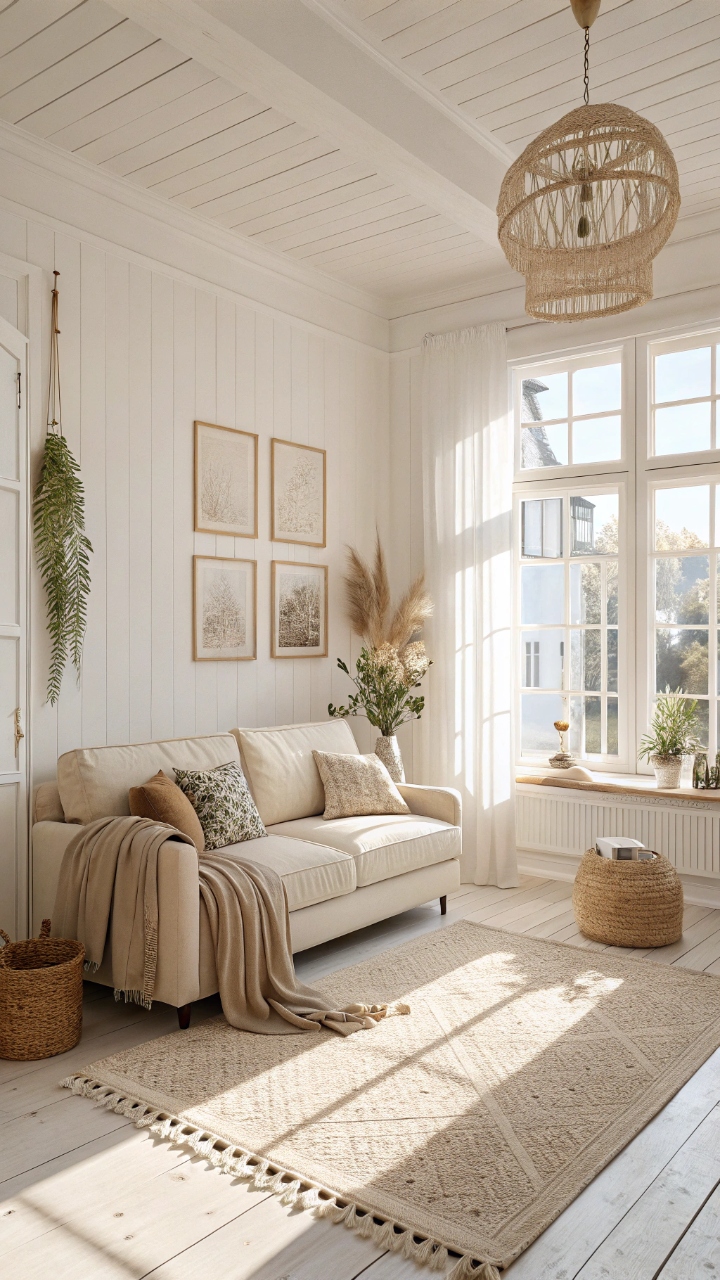
I used to think bold colors would make my tiny living room feel more stylish, but instead it ended up feeling even more closed in and visually heavy, which made me rethink everything I knew about color. When I finally switched to soft neutrals and warm whites, the space immediately felt brighter, calmer, and strangely more expensive even though I didn’t change anything else. The way natural light bounced off the lighter walls completely shifted the mood of the room and made it feel like it could finally breathe again. Have you ever noticed how a simple paint change can trick your eyes into seeing more space than actually exists? It honestly felt like I doubled the size of the room without moving a single wall.
Pro Tip: Stick to a warm neutral base and layer subtle tones for depth without visual clutter.
Use Multi-Functional Furniture
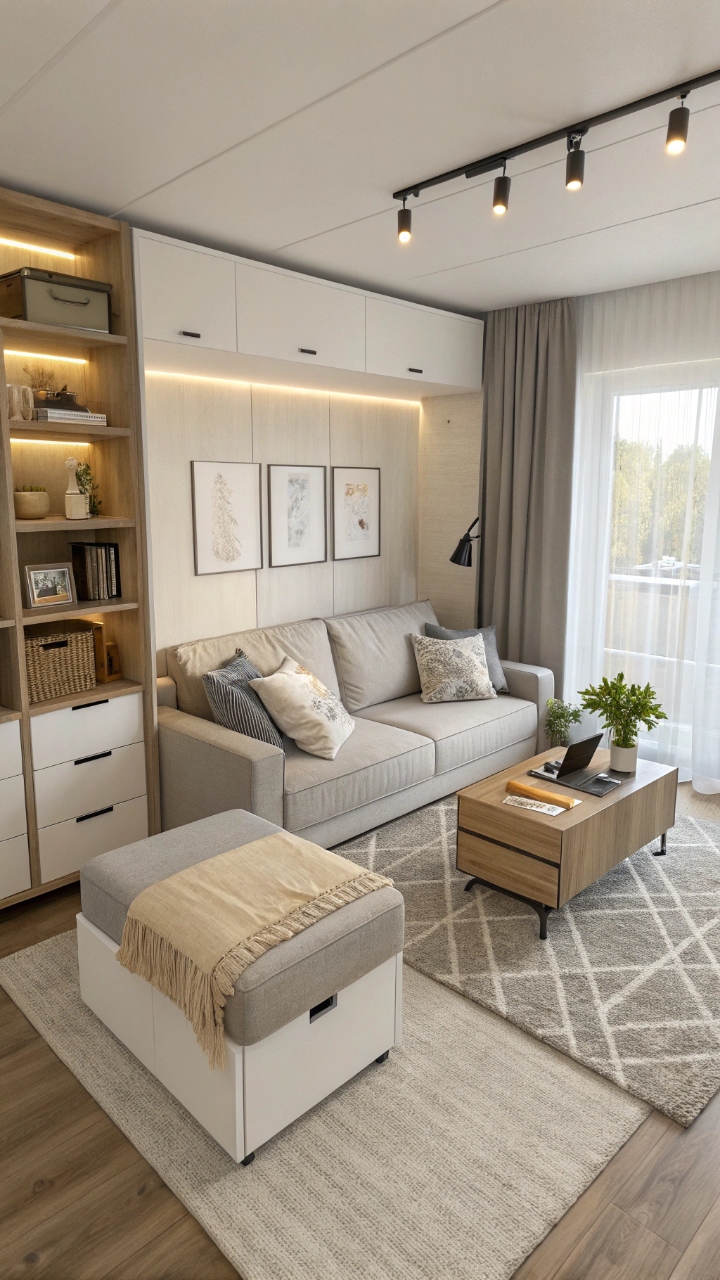
I once filled my living room with separate pieces for every function, and it didn’t take long before I realized I had more furniture than actual walking space, which made everything feel cramped and chaotic. Switching to multi-functional furniture like storage ottomans and sofa beds completely changed how I used the room because suddenly every piece had a purpose beyond just sitting there. It felt like I was finally getting my space to work for me instead of against me, especially when I started hiding clutter inside furniture instead of letting it pile up. Why own five pieces when two smart ones can do the same job without overwhelming the space? That shift made the room feel instantly more intentional and less cluttered.
Pro Tip: Always choose furniture that serves at least two functions whenever possible.
Float Your Furniture Away From Walls
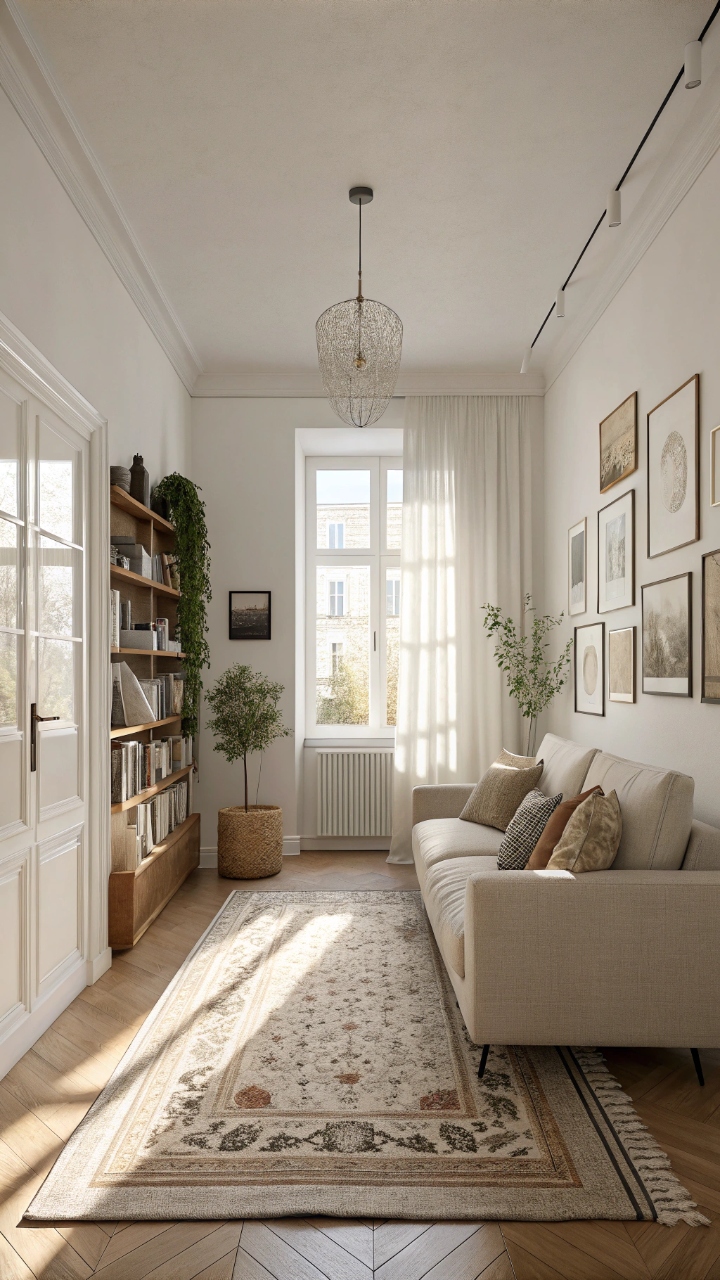
I used to push every piece of furniture tightly against the walls because I thought it would create more open space, but it actually made the room feel flat and awkward instead. When I finally pulled the sofa slightly inward, the entire layout started to feel more balanced and cozy in a way I didn’t expect. That small gap between furniture and walls created visual depth that made the room feel more thoughtfully designed. Have you ever tried rearranging your furniture just a few inches and felt like the room suddenly made more sense? It’s a simple trick, but it completely changes how space is perceived.
Pro Tip: Leave breathing space behind furniture to create natural visual depth.
Add Mirrors to Reflect Light
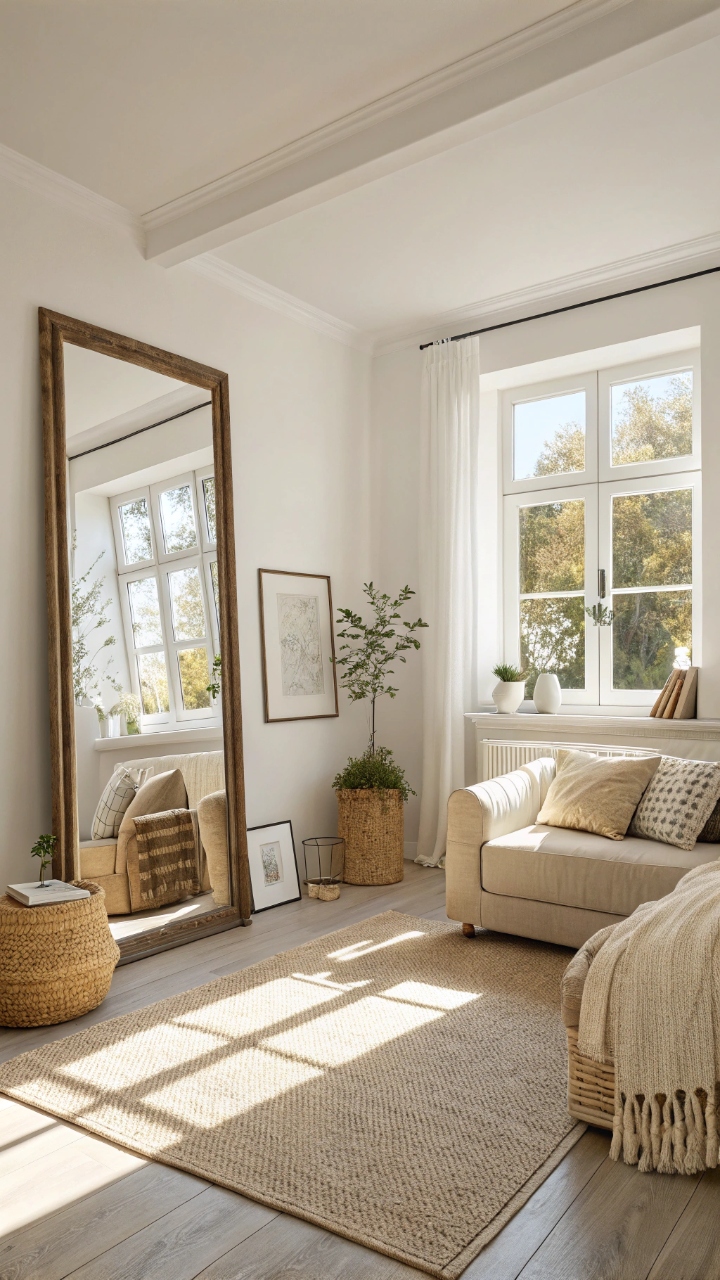
The first time I hung a large mirror in my tiny living room, I honestly thought it might look too dramatic, but I was completely wrong because it instantly transformed the space. The reflection doubled the natural light and created an illusion of openness that made the room feel far less confined. It almost felt like I had added another window without actually building anything, which still surprises me when I think about it. Have you ever seen a room completely change just because of one reflective surface? It’s one of those simple design tricks that feels almost unfair in how effective it is.
Pro Tip: Place mirrors opposite windows to maximize natural light reflection.
Opt for Slim and Raised Furniture
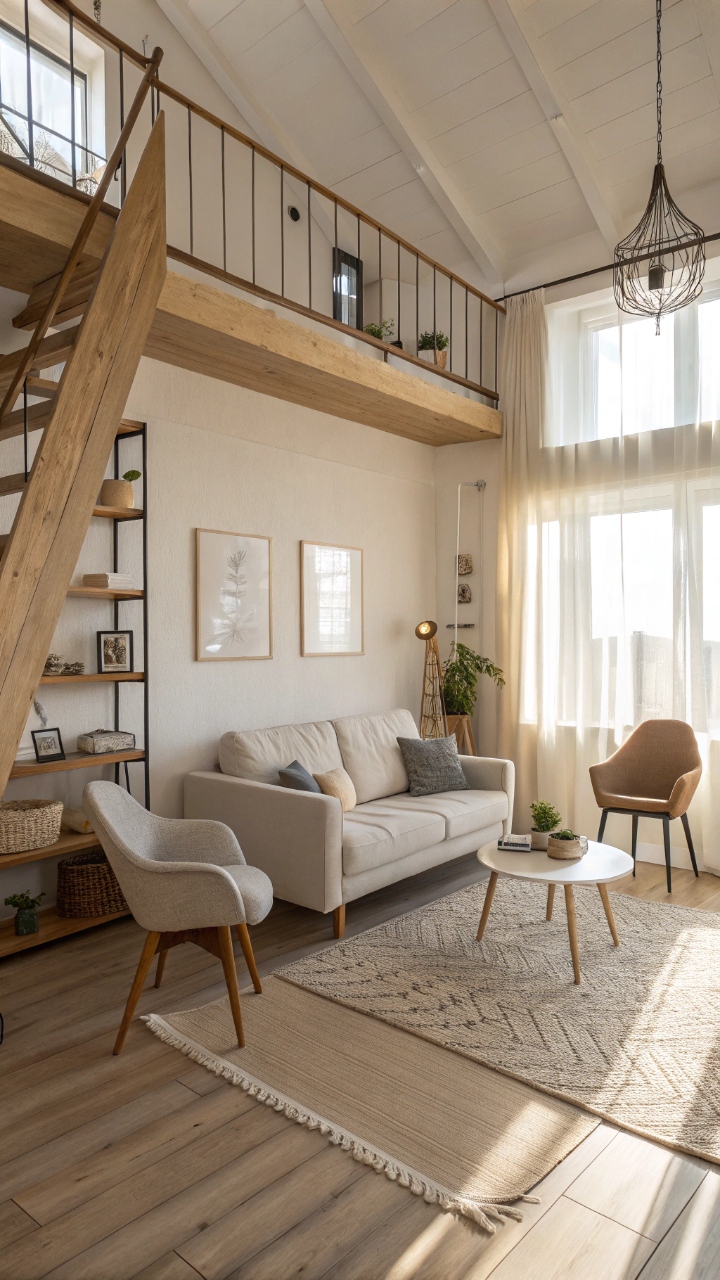
My old furniture used to sit heavy and flat on the floor, and I didn’t realize how much it visually weighed down the entire room until I replaced it with slimmer, raised pieces. Once I switched to furniture with visible legs, the floor became more noticeable, and suddenly the room felt lighter and more open. That small design choice created a sense of airflow that made everything feel less crowded without actually removing anything. Isn’t it interesting how just seeing more floor space can trick your brain into thinking the room is bigger? It’s one of the simplest upgrades with the biggest impact.
Pro Tip: Choose furniture with exposed legs to create visual lightness.
Use Vertical Storage Solutions
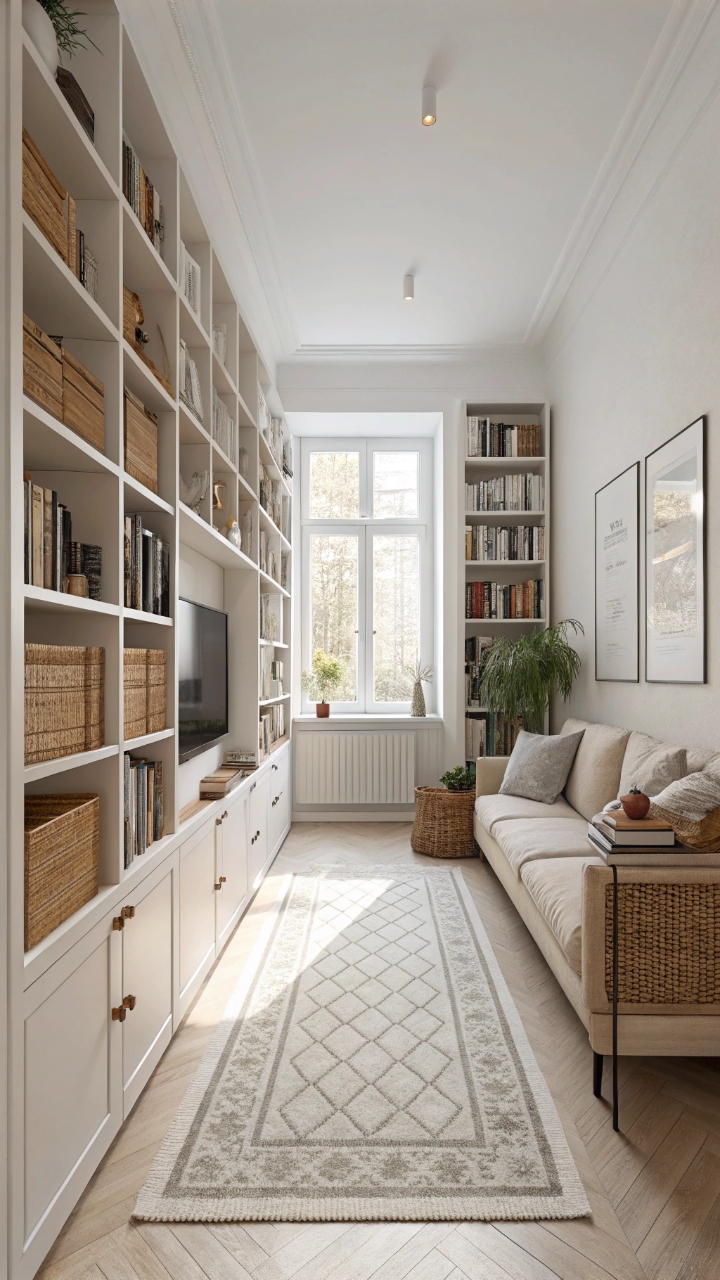
I used to rely heavily on floor storage, which quickly made my tiny living room feel cluttered and overwhelming without me even realizing it at first. When I started using vertical shelves and tall cabinets, I suddenly gained so much usable space without sacrificing comfort or style. It felt like I had discovered an entire layer of the room I wasn’t using before, especially as my eyes naturally moved upward instead of focusing on cluttered surfaces. Have you ever felt like your room is shrinking just because everything is on the floor? Going vertical completely changes that feeling.
Pro Tip: Always build upward before expanding outward in small spaces.
Keep Window Treatments Light
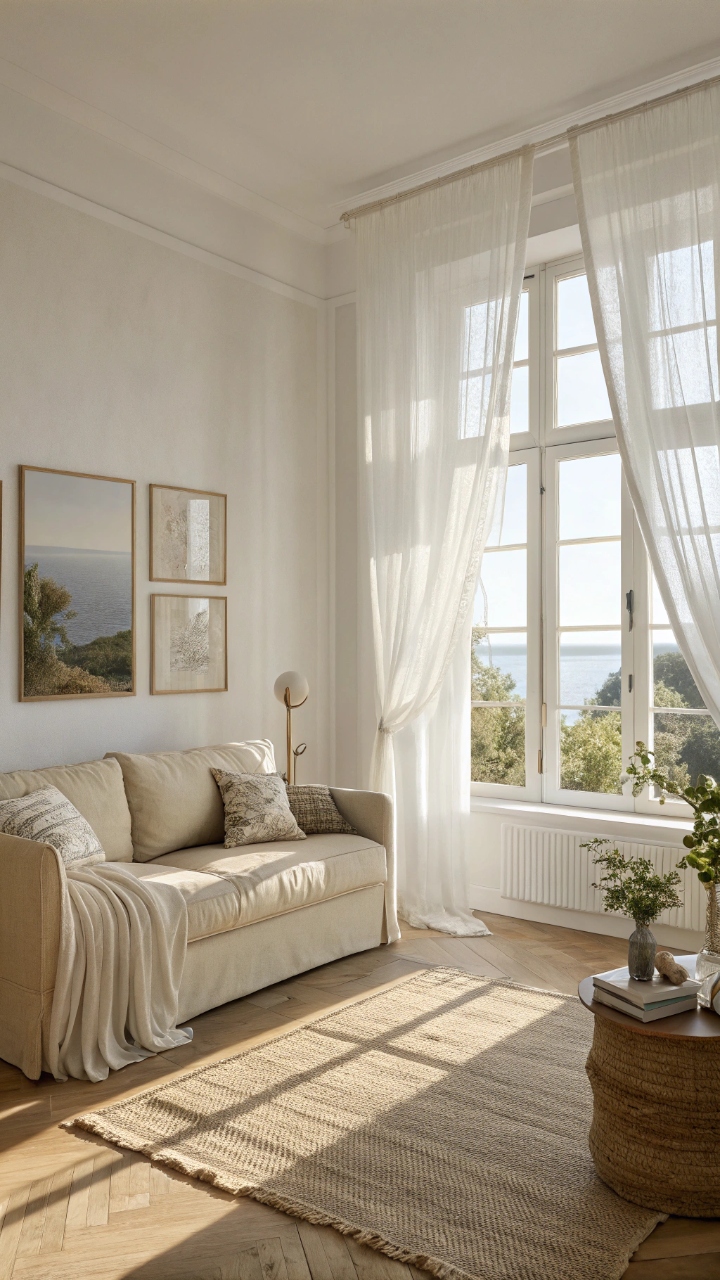
Heavy curtains once made my living room feel like it was permanently in a shadow, and I didn’t even notice how much it affected the mood until I changed them. Switching to sheer, lightweight fabrics allowed natural light to pour in and instantly softened the entire space. The room started to feel more alive throughout the day as sunlight shifted and moved across the walls. Why block out something that can naturally enhance your space for free? It completely changed how I experienced mornings in that room.
Pro Tip: Hang curtains higher and choose light fabrics to enhance natural brightness.
Define Zones with Rugs
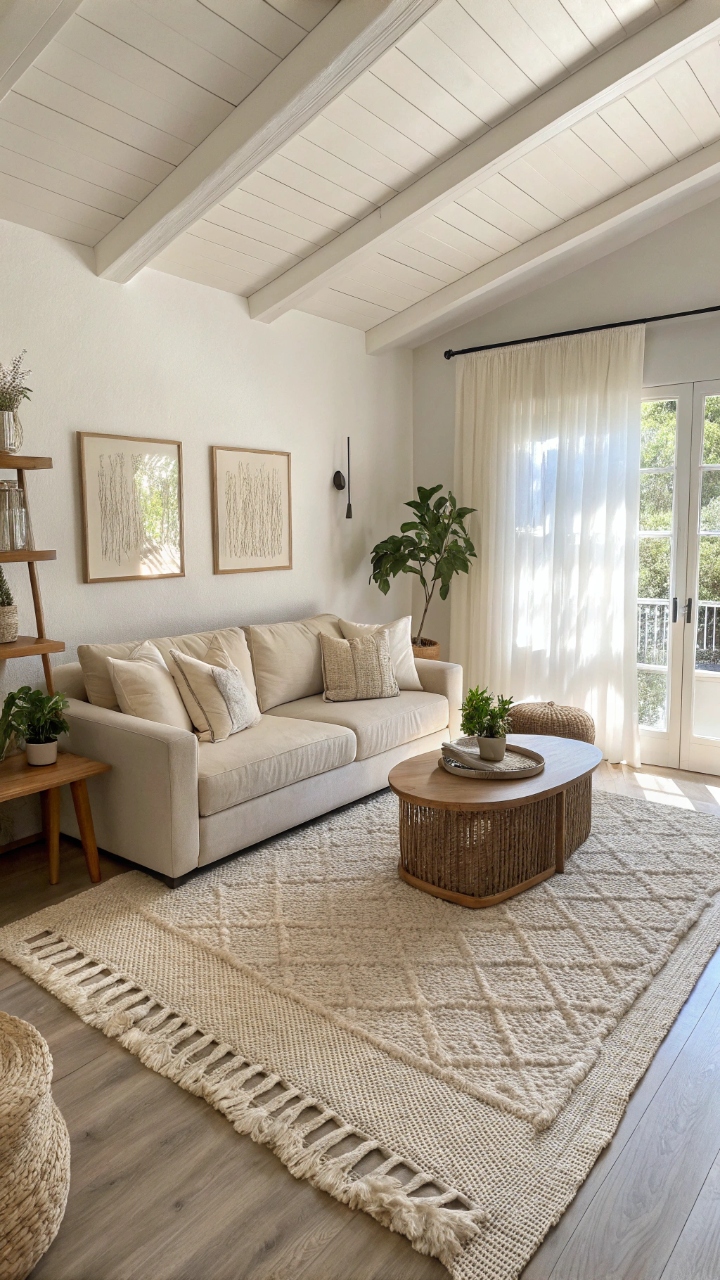
Before using rugs properly, my living room felt like one undefined space where everything blended together in a way that felt messy and unstructured. Once I placed a rug under my seating area, it instantly created a clear zone that made the furniture arrangement feel intentional and grounded. That simple layer gave the room structure without needing walls or partitions. Have you ever noticed how a rug can quietly organize an entire space without saying a word? It’s a subtle but powerful design tool.
Pro Tip: Use rugs large enough to anchor all main seating furniture.
Go Minimal with Decor
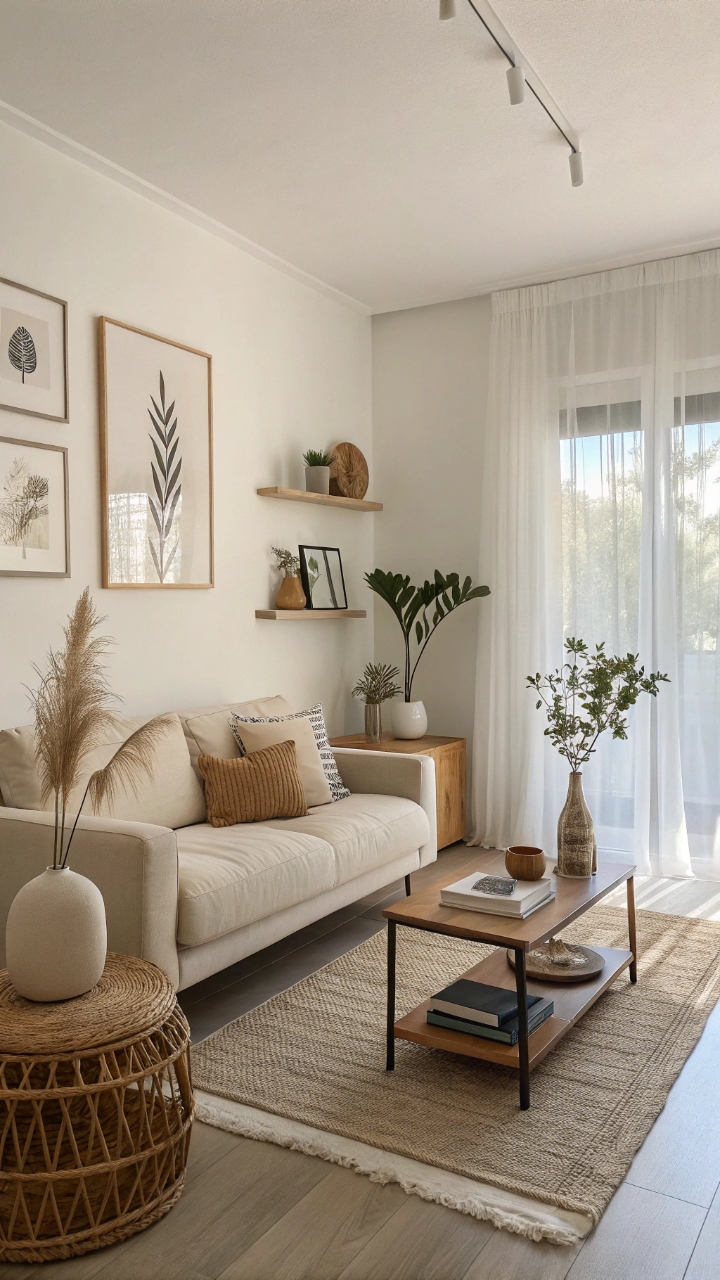
I used to overload my shelves and tables with decor pieces, thinking it made the space more stylish, but it only ended up making everything feel visually noisy and overwhelming. Once I started removing items instead of adding more, the room suddenly felt calmer and more curated. A few meaningful pieces stood out far more than a crowded display ever could. Isn’t it surprising how much more expensive a simple space can feel? Less really does create more impact when done intentionally.
Pro Tip: Display fewer items but choose ones with strong personal or visual value.
Use Built-In or Wall-Mounted Lighting
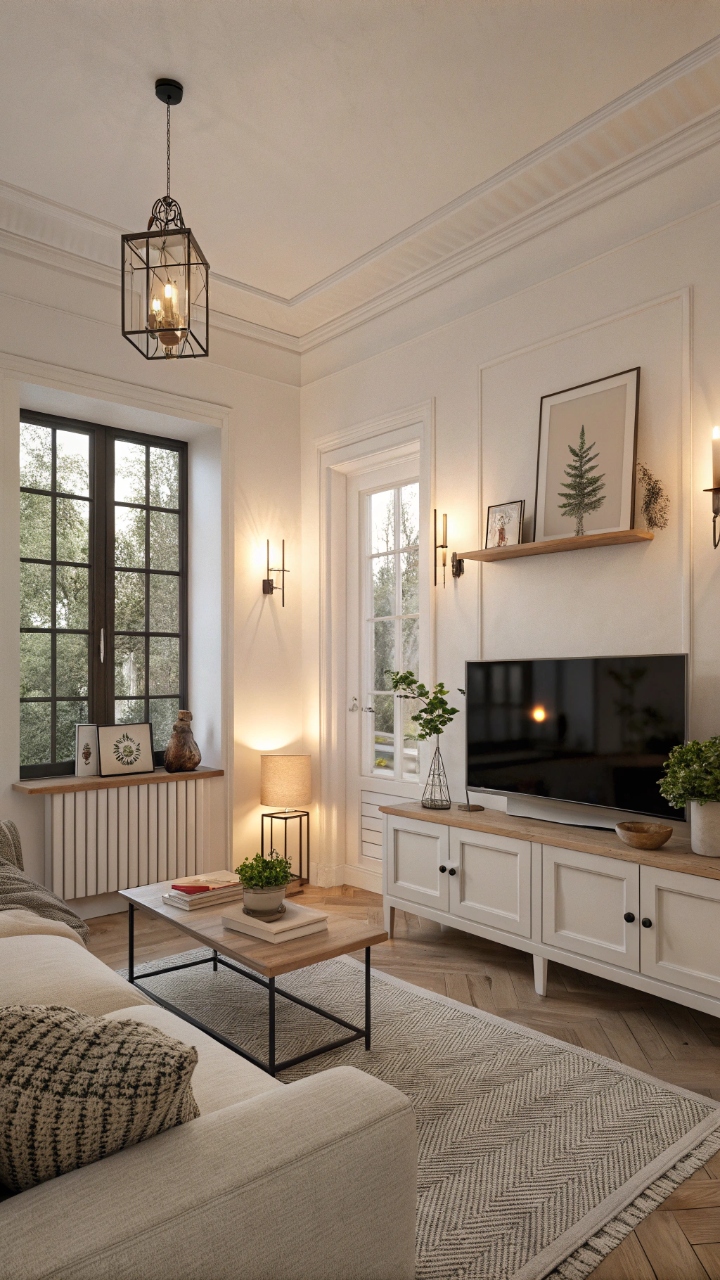
Table lamps used to take up valuable surface space in my tiny living room, which made everything feel more cramped than necessary. When I switched to wall-mounted lighting, I suddenly reclaimed that space and created a much cleaner visual flow. The lighting also felt more layered and intentional, especially in the evenings when it softened the entire room. Have you ever noticed how lighting placement alone can change the mood of a space completely? It’s one of the most underrated design upgrades.
Pro Tip: Use wall-mounted lighting to free surfaces and enhance atmosphere.
Choose Transparent or Glass Furniture
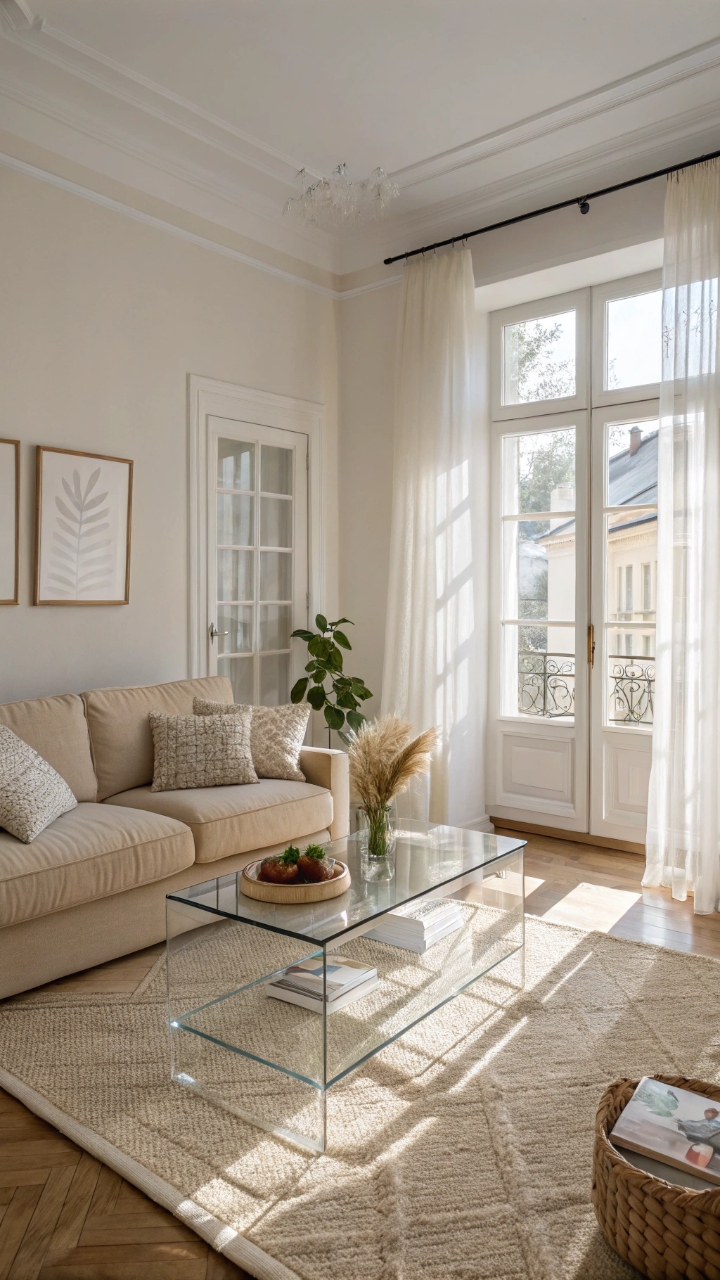
I was hesitant about glass furniture at first because I thought it might feel too fragile or impractical, but once I tried it, I realized how much visual space it actually saves. A glass coffee table practically disappears in the room, which keeps everything feeling open and less crowded. It allows your eyes to move freely across the space without interruption. Isn’t it amazing how something can exist physically but feel almost invisible visually? That effect makes a huge difference in small rooms.
Pro Tip: Use transparent furniture sparingly to maintain balance and openness.
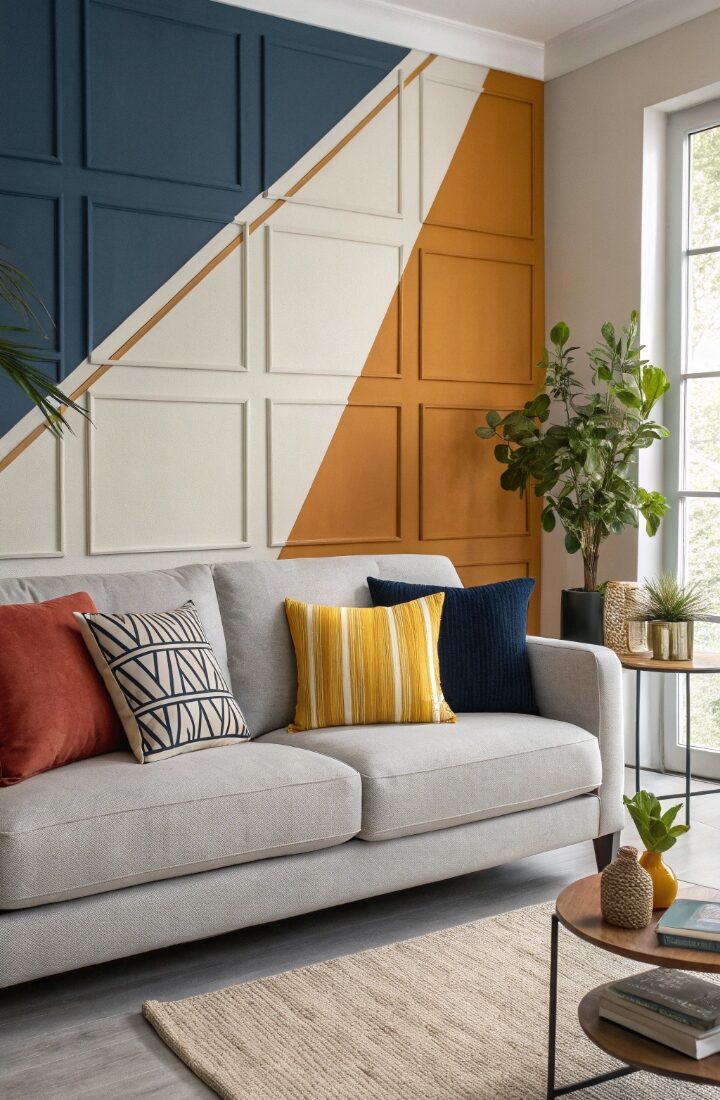
Create a Focal Point
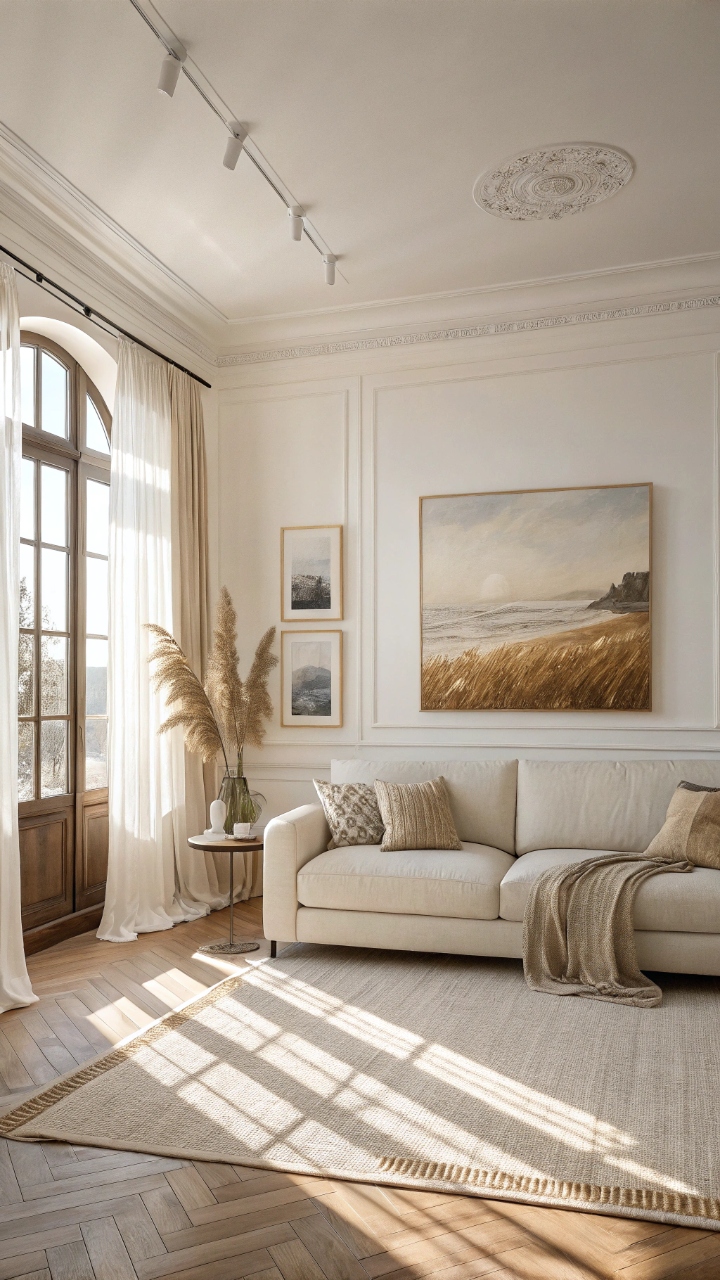
My tiny living room used to feel scattered because every corner seemed to compete for attention until I introduced a single focal point that anchored everything visually. Once I added a statement piece, the entire room started to feel more organized and less chaotic. It gave my eyes somewhere to rest, which made the rest of the space feel calmer by comparison. Have you ever walked into a room and instantly known where to look first? That’s the power of a strong focal point.
Pro Tip: Choose one strong visual anchor and keep surrounding decor simple.
Use Hidden Storage Everywhere
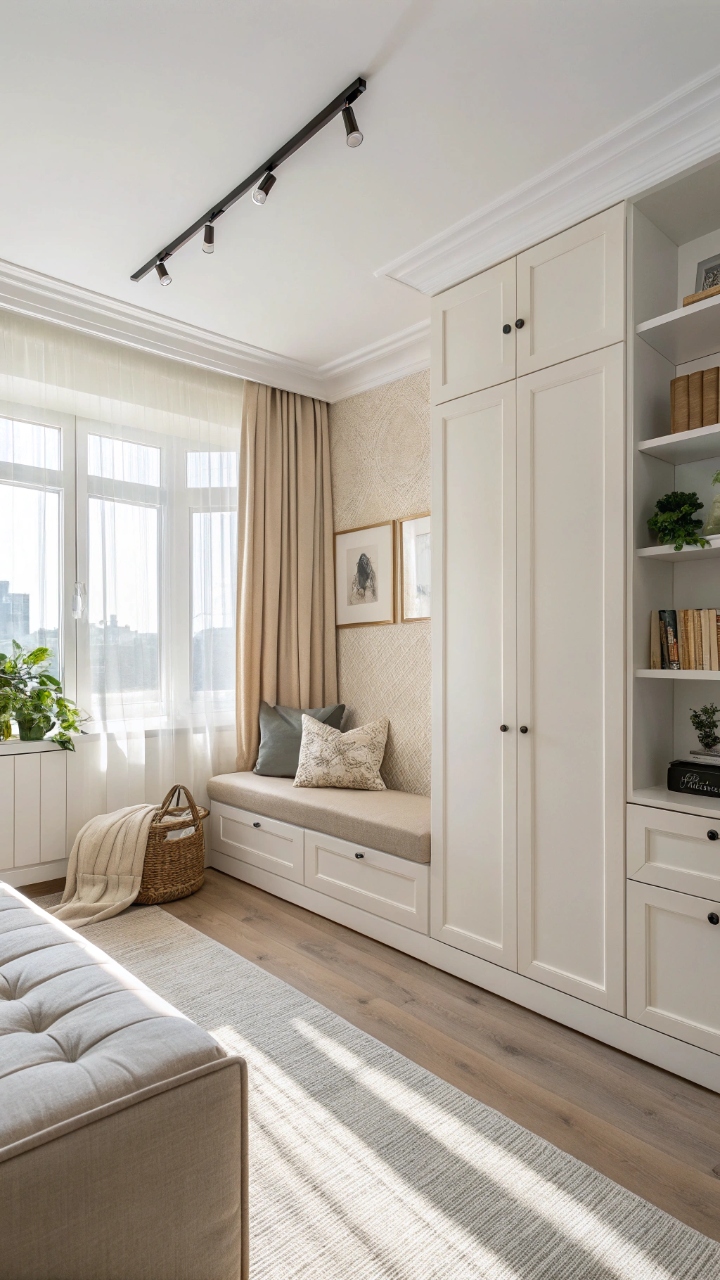
I didn’t realize how much clutter was affecting my space until I started using hidden storage solutions that kept everything out of sight but still easily accessible. Storage benches, under-sofa bins, and closed cabinets made the room feel instantly lighter and more peaceful. It was like removing visual noise I didn’t even know was stressing me out. Why live surrounded by clutter when you don’t have to see it at all? That change alone made my space feel more relaxing.
Pro Tip: Prioritize closed storage to maintain a clean visual environment.
Layer Textures Instead of Objects
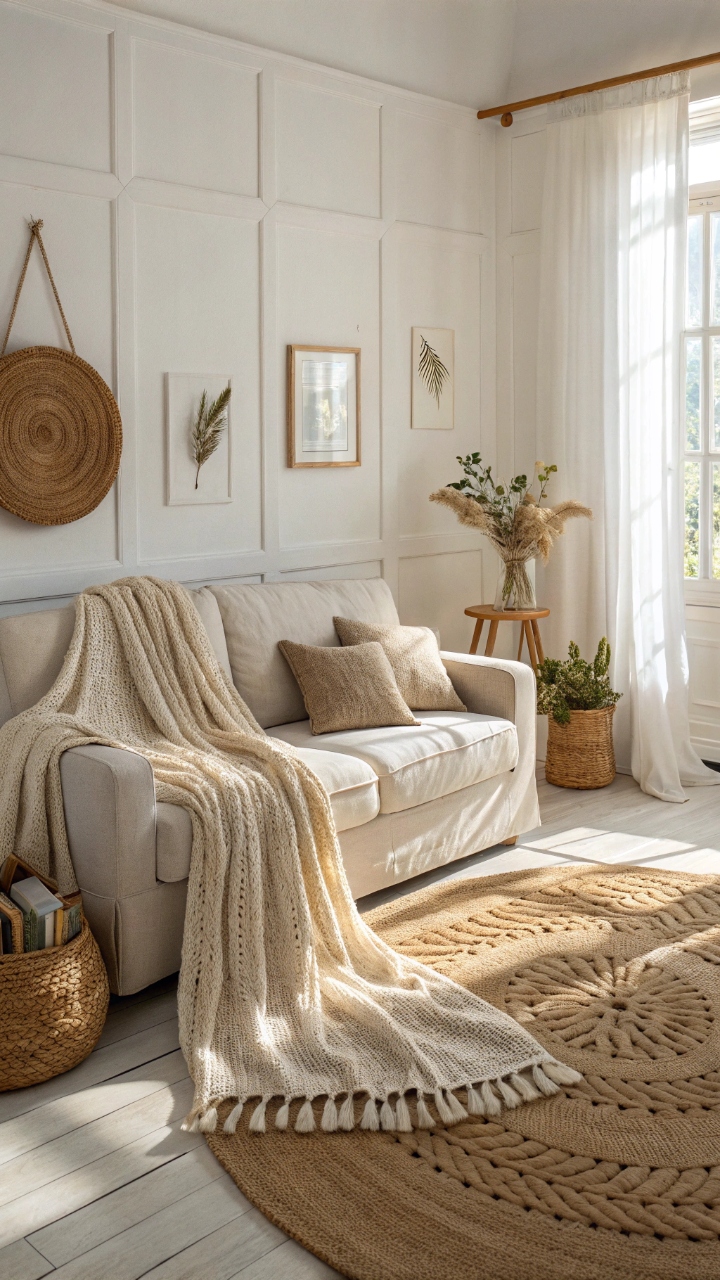
There was a time when I kept adding more decor to make my living room feel cozy, but it only made the space feel messy and overworked instead of warm. When I shifted to layering textures like soft throws, woven rugs, and linen cushions, the room gained depth without extra clutter. The space started to feel richer and more inviting without needing additional objects everywhere. Have you ever noticed how texture can create warmth without adding visual weight? It completely changed my design approach.
Pro Tip: Limit yourself to three main textures for a balanced cozy look.
Keep Pathways Clear and Intentional
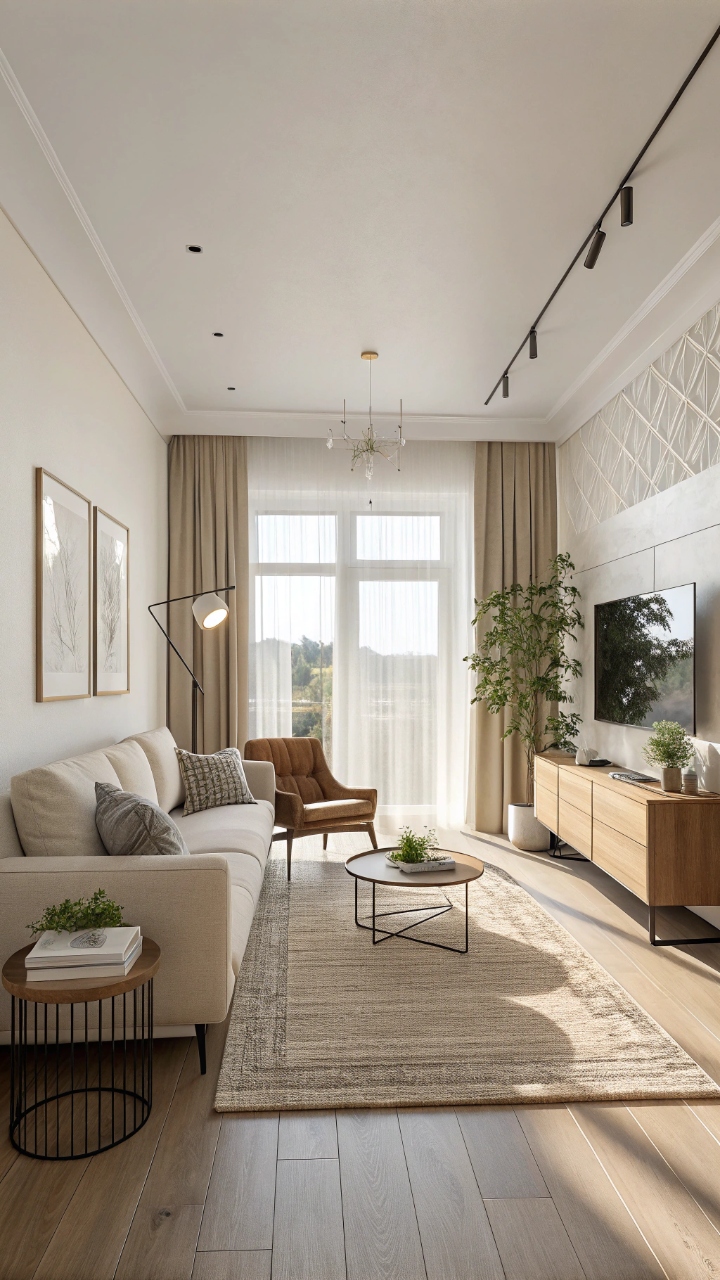
I used to underestimate how important movement flow was until I kept bumping into furniture in my own living room, which made the space feel frustrating instead of comfortable. Once I cleared pathways and simplified the layout, everything suddenly felt easier to use and more peaceful to live in. Walking through the room became natural instead of something I had to navigate carefully. Isn’t it funny how comfort often comes from what you remove rather than what you add? That realization changed how I design every space now.
Pro Tip: Always maintain clear walking paths between major furniture pieces.
Conclusion
Small living rooms taught me something I didn’t expect at all, which is that limitations can actually push you into better design decisions. The more I worked with tight spaces, the more intentional I became with every choice, from color to furniture placement. It stopped being about fitting things in and started being about how the room feels when you live in it every day. And honestly, that shift made all the difference in how I experience my home now.
What surprised me most was how emotional the process became over time, because each small change started to feel like a win. The room I once struggled with turned into a space I actually enjoy spending time in, even on slow, quiet days when nothing much is happening. There’s something comforting about knowing every inch has a purpose and nothing is there by accident. It’s a reminder that even small spaces can carry a big sense of comfort when designed with care.
If you’re sitting in your own tiny living room right now wondering where to start, just pick one idea and try it without overthinking. You don’t need a full makeover to feel a difference, just a thoughtful shift in how you see your space. Over time, those small changes stack up and suddenly everything feels lighter, calmer, and more “you.” And that’s really what good design should do—it should make your everyday life feel easier, not harder.

Leave a Reply