Moving into my first place, I vividly remember staring at my microscopic living room in utter confusion. The room barely had enough space for a sofa and a coffee table, and I honestly wondered how I could make it feel comfortable instead of cramped. I spent hours looking at photos, moving furniture around, and testing different layouts until I slowly realized that small spaces can actually become some of the coziest rooms in a home. They simply require thoughtful choices and a little creativity.
Over time, that little living room became my favorite spot in the entire apartment. Friends would visit and immediately comment on how open and welcoming it felt, even though the room itself was objectively small. I learned that maximizing space has less to do with square footage and more to do with understanding how furniture, light, and design work together. Every piece needs a purpose, and every corner offers potential if you pay attention.
These days, I genuinely enjoy decorating small spaces because they challenge me to think differently. A tiny living room encourages intentional decorating and prevents unnecessary clutter from taking over. Instead of filling every inch, you learn how to create breathing room and make each detail count. If your living room feels small right now, don’t worry because there are plenty of smart ways to make it feel stylish, functional, and surprisingly spacious.
Choose Furniture with Exposed Legs
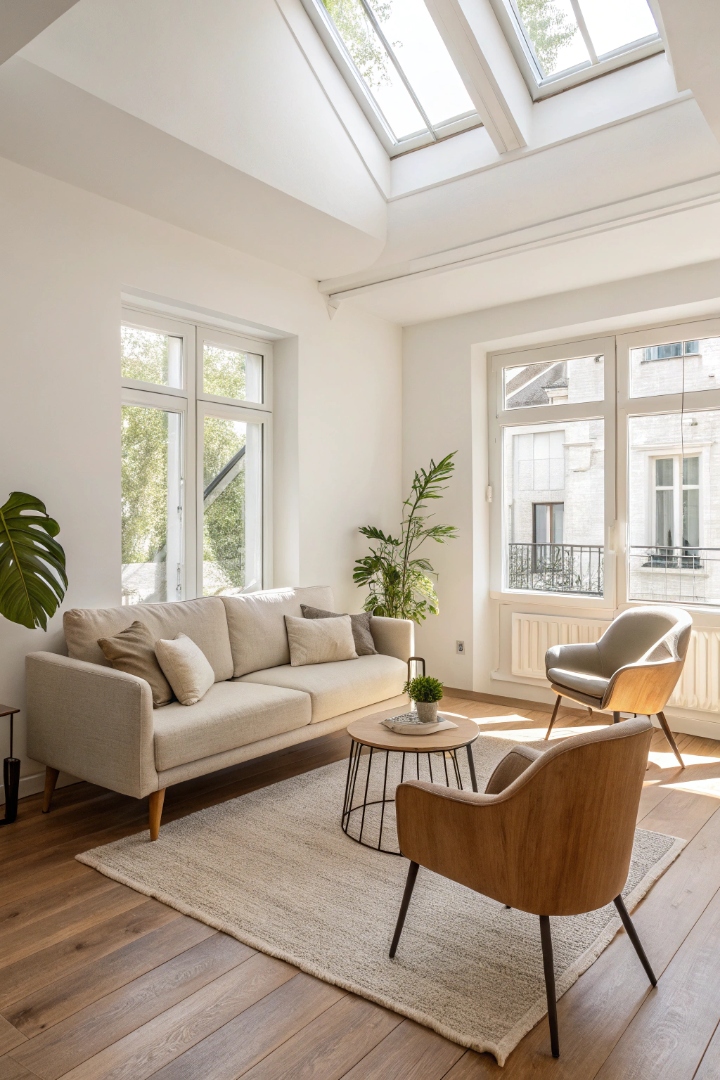
Furniture with visible legs instantly creates the illusion of openness because you can actually see more of the floor underneath. I learned this lesson after replacing my bulky couch with one that sat higher off the ground, and wow, the entire room suddenly felt larger. The extra visible flooring tricks the eye into believing there is more space available. Light also moves more freely around the furniture, making the room appear brighter and less heavy. Why let oversized pieces visually consume your precious square footage when lighter furniture can make everything feel airy and inviting? This simple adjustment often makes the biggest difference.
Pro Tip: Choose sofas and chairs with slim wooden or metal legs to maximize visible floor space.
Use a Light and Neutral Color Palette
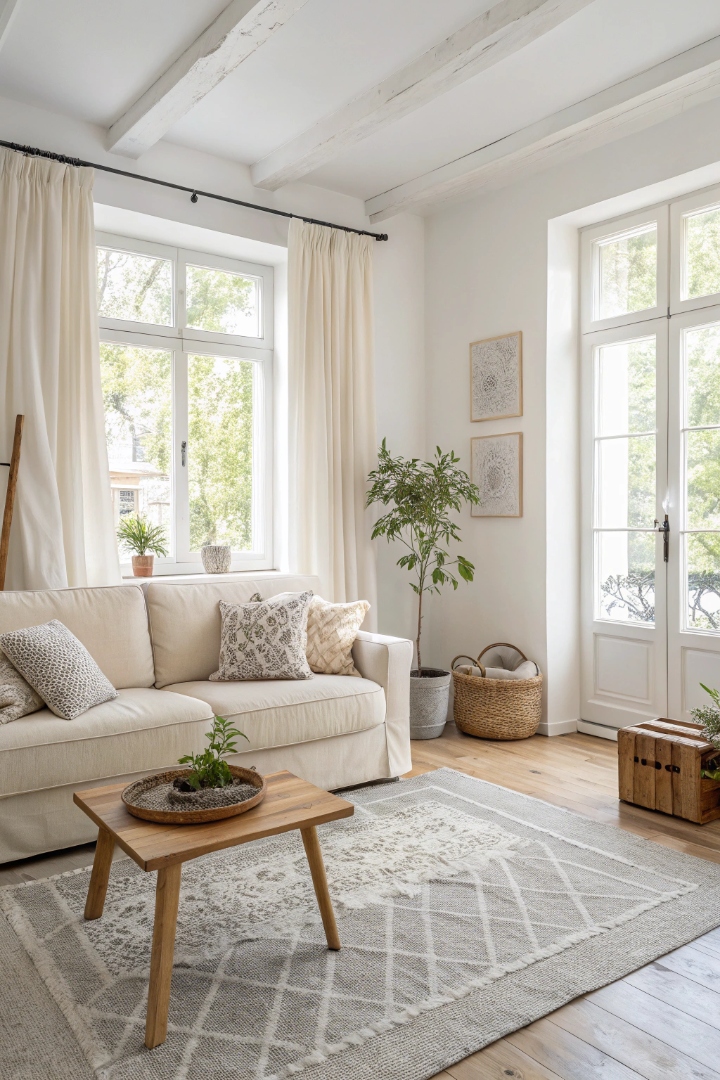
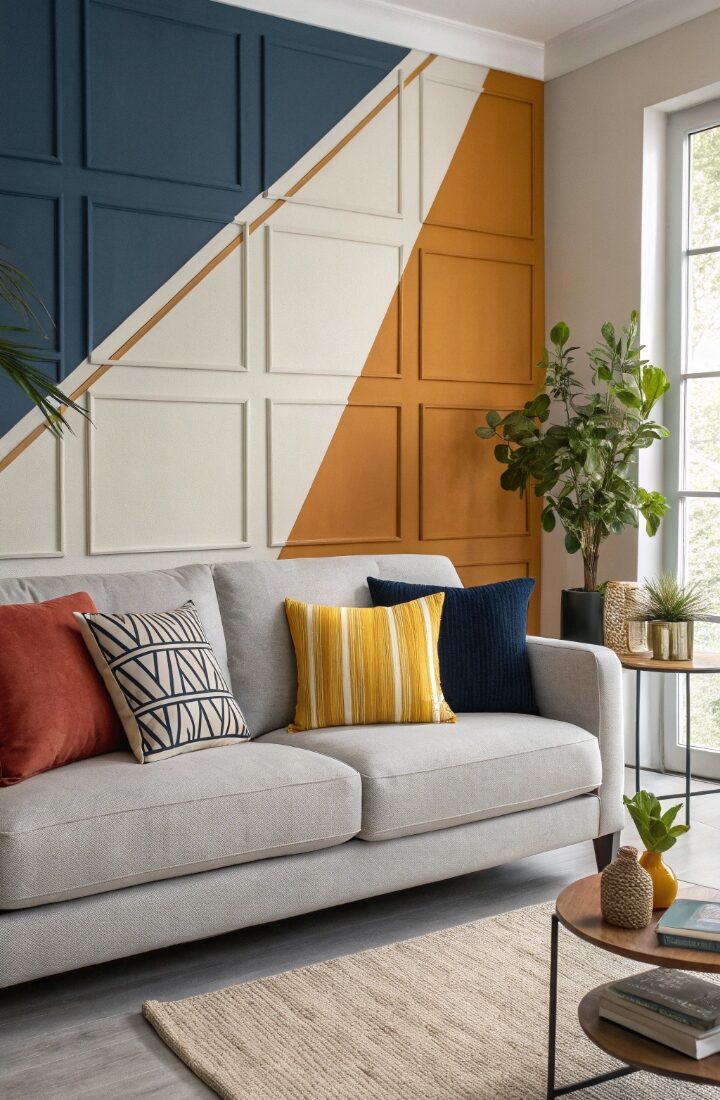
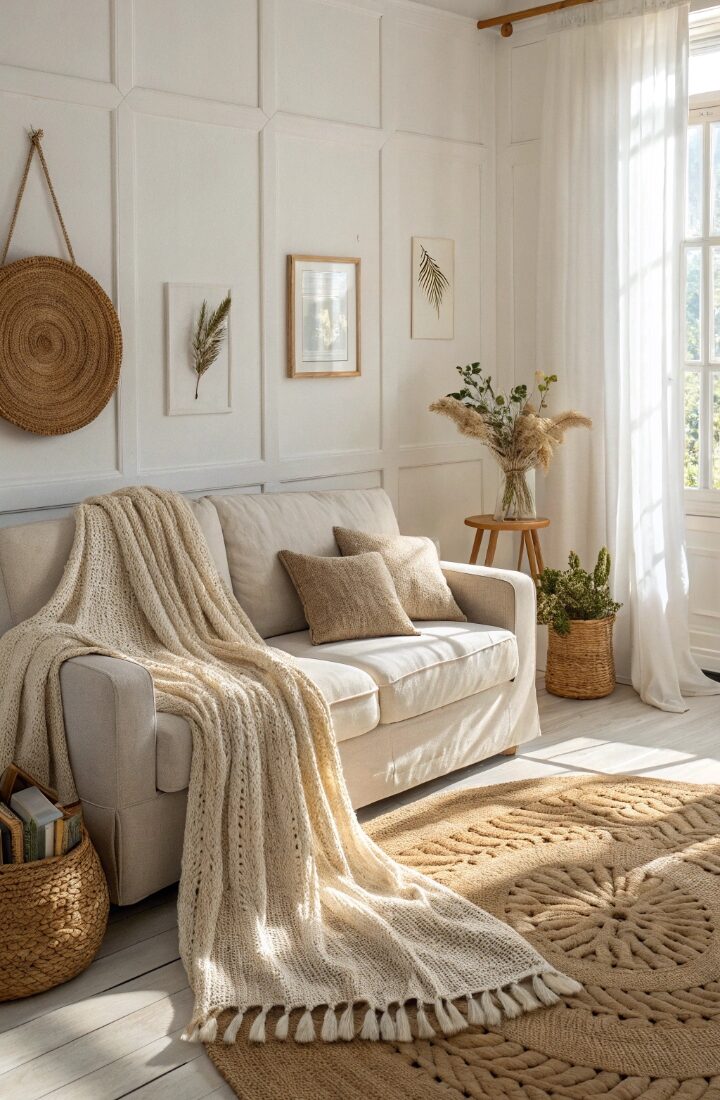
Soft shades of white, cream, beige, and light gray create a beautiful sense of openness in small living rooms. I once painted a tiny living room a rich dark color because I thought it looked sophisticated, and honestly, the room immediately felt like it shrank overnight. Lighter colors bounce natural light around the room and gently blur visual boundaries, making walls seem farther apart. The atmosphere also becomes calm and relaxing, which naturally encourages people to linger and unwind. Doesn’t everyone want a living room that feels bright, fresh, and welcoming from the moment they walk in?
Pro Tip: Layer different neutral shades together to add depth without overwhelming the space.
Hang Curtains Higher Than the Windows
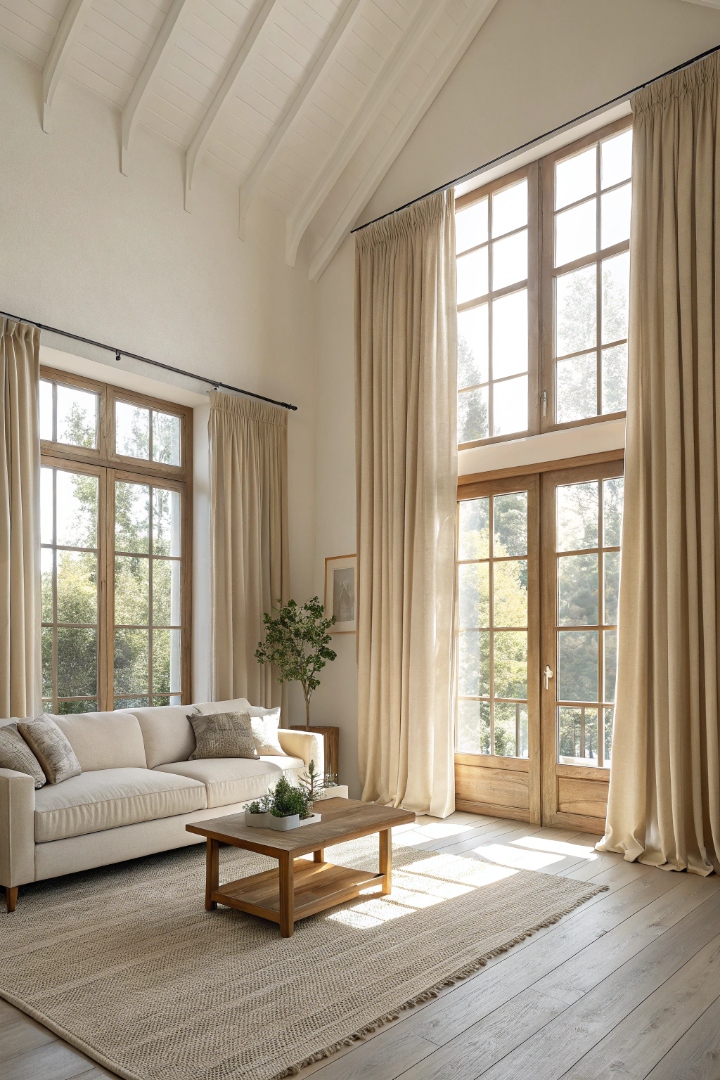
This trick feels almost magical because it changes the entire perception of the room’s height. Installing curtains close to the ceiling naturally draws the eyes upward and creates the illusion of taller walls. I did this in my apartment years ago, and my guests genuinely thought I had moved into a bigger place. Long, flowing curtains also add softness and elegance while emphasizing vertical space instead of horizontal limitations. Why settle for standard curtain placement when raising them slightly can make your living room appear dramatically larger? It’s seriously one of those game-changing decorating hacks.
Pro Tip: Mount curtain rods at least six inches above the window frame and use floor-length panels.
Add a Large Mirror
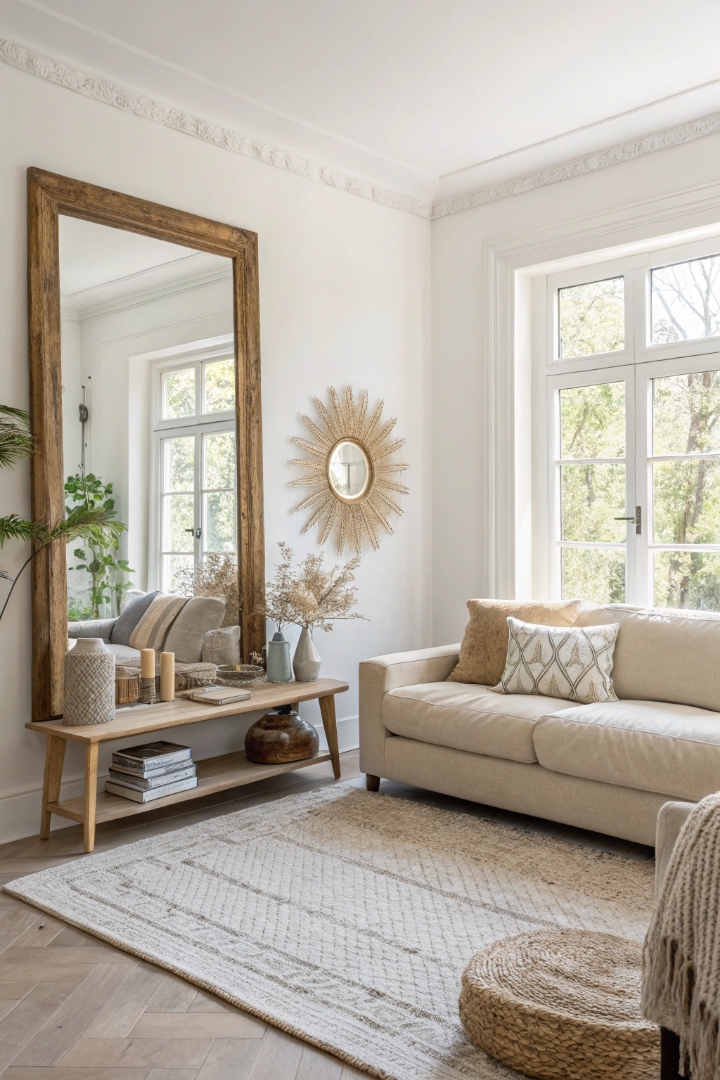
A large mirror remains one of the smartest tools for visually expanding a small living room. I love placing mirrors opposite windows because they capture sunlight and reflect it beautifully throughout the room. Suddenly, every corner feels brighter, and the space gains an almost airy, doubled effect. Mirrors also add decorative interest without consuming valuable floor space, making them both practical and stylish. Who doesn’t appreciate décor that works hard while looking effortlessly elegant? Sometimes one carefully placed mirror changes everything.
Pro Tip: Position mirrors across from windows or lamps to maximize light reflection.
Invest in Multi-Functional Furniture
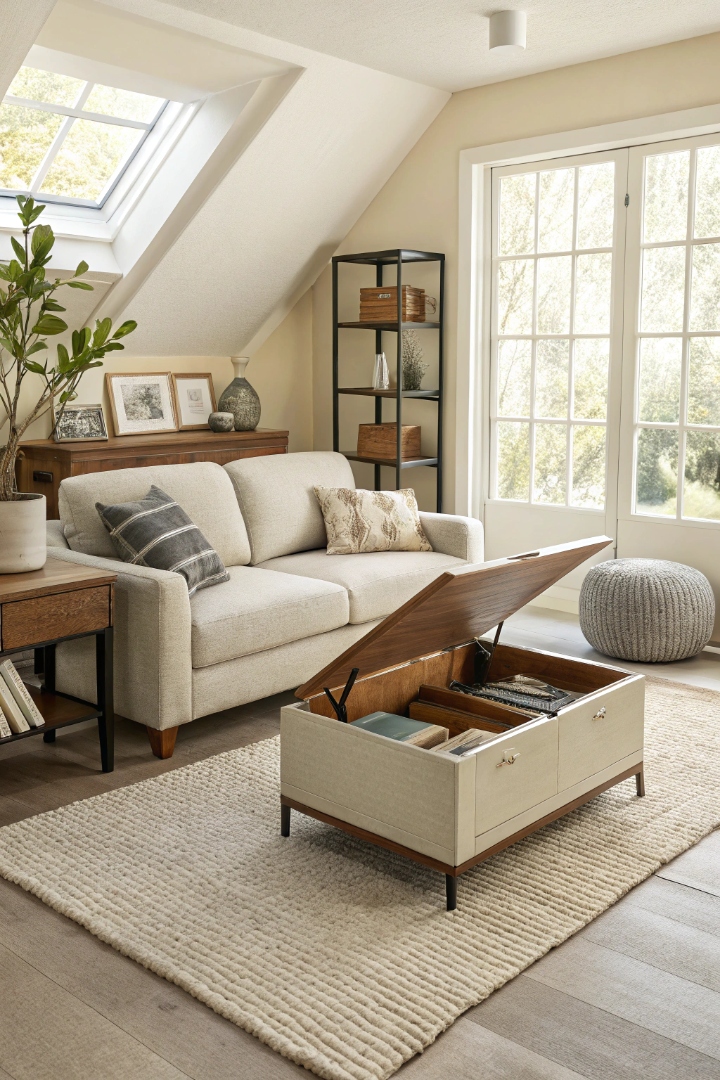
Small living rooms thrive on furniture that performs more than one task. An ottoman with hidden storage, a lift-top coffee table, or a sofa bed can make everyday life infinitely easier. I absolutely love furniture that secretly stores blankets, books, and miscellaneous items because it keeps clutter under control without requiring additional storage pieces. Every item earns its place, which is pretty darn satisfying when square footage is limited. Why fill your room with unnecessary pieces when one well-designed item can accomplish multiple jobs?
Pro Tip: Prioritize furniture that offers hidden storage compartments and flexible functionality.
Float Your Furniture Away from the Walls
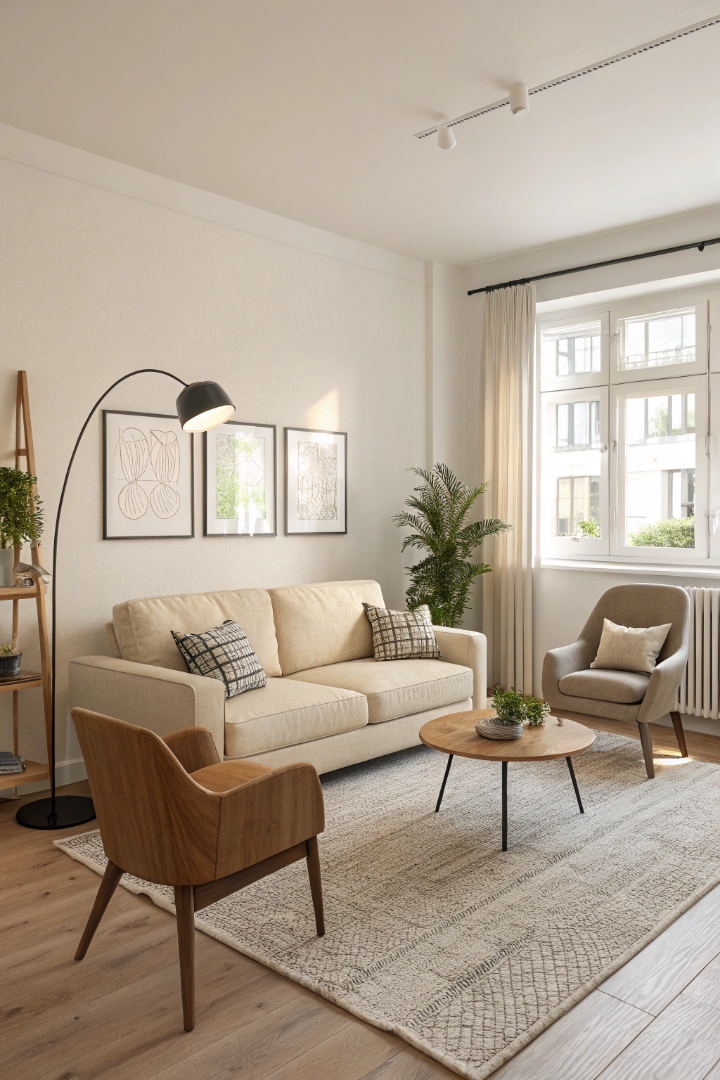
I used to believe furniture always belonged against walls because I assumed it would create more space. Surprisingly, pulling furniture slightly inward actually made my room feel bigger and more intentional. Leaving a little breathing room behind sofas creates visual depth and prevents the arrangement from looking cramped or forced. The room suddenly feels curated rather than squeezed together. Doesn’t it seem strange that moving furniture away from walls can actually make a room feel larger? Sometimes decorating requires challenging assumptions.
Pro Tip: Leave a few inches of space behind major furniture pieces to create depth.
Embrace Vertical Storage
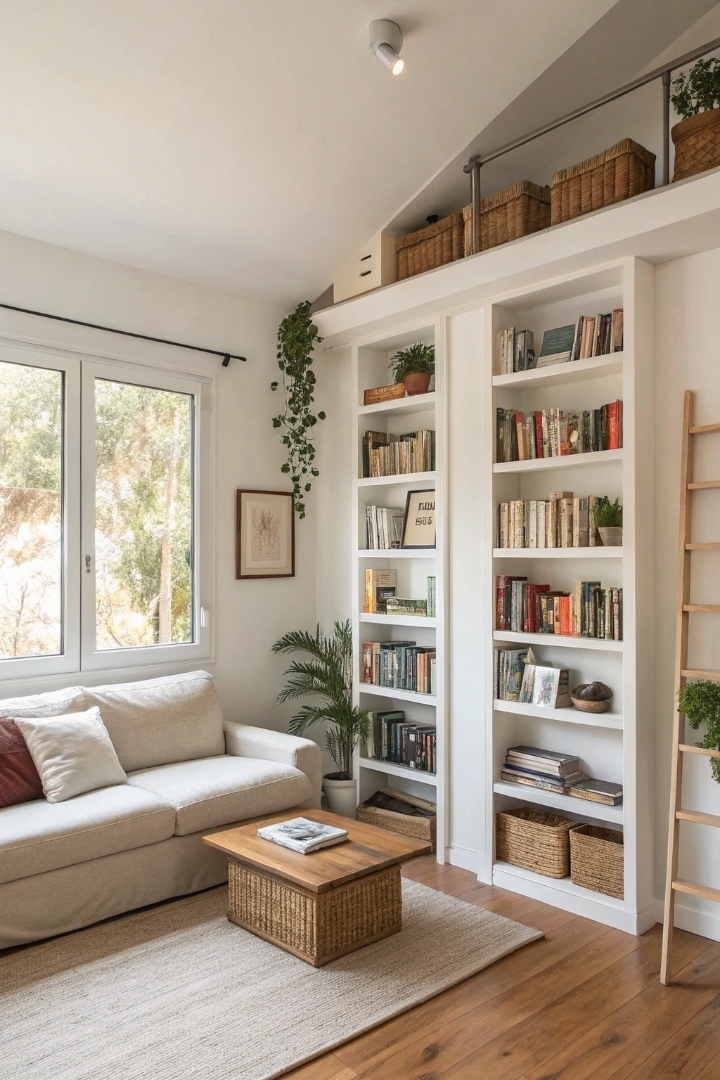
When floor space feels limited, your walls become incredibly valuable real estate. Floating shelves, tall bookcases, and wall-mounted cabinets draw attention upward and free the floor from unnecessary clutter. I love how vertical storage transforms awkward empty walls into practical and visually appealing features. Books, plants, and decorative accessories suddenly have designated homes without overcrowding the room. Why ignore all that unused wall space when it can provide both storage and style? Small rooms practically beg for vertical solutions.
Pro Tip: Install floating shelves above furniture to maximize storage without sacrificing floor area.
Choose Furniture That Fits the Scale of the Room
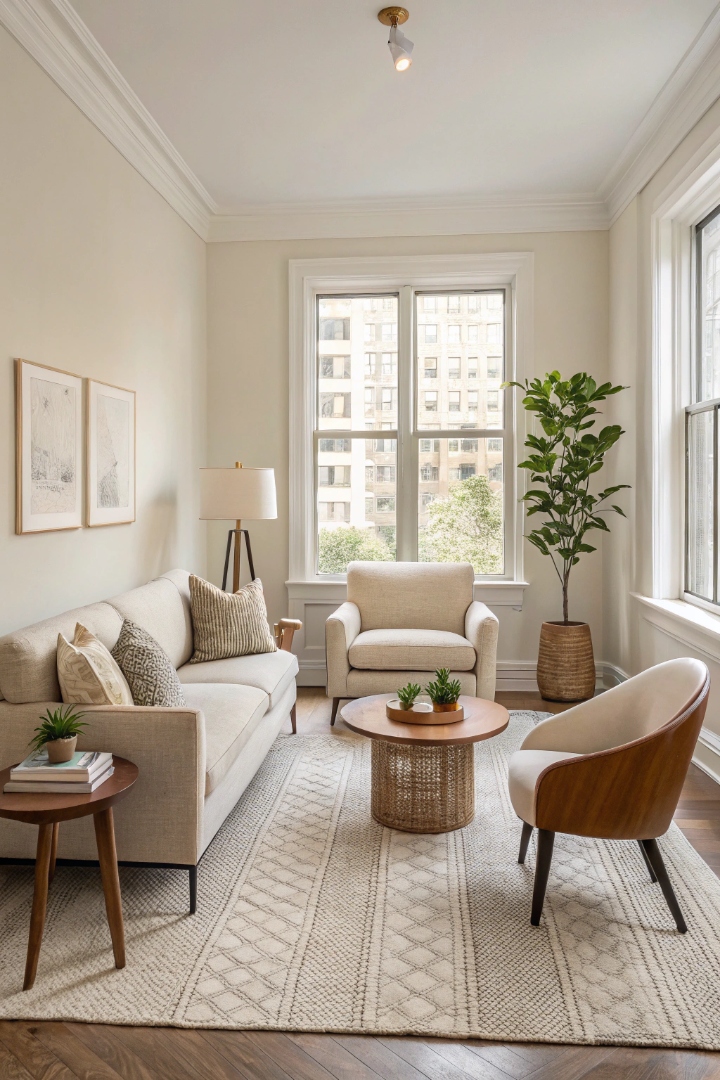
Oversized furniture often overwhelms small spaces and leaves little room to breathe. I once bought an enormous sectional because it looked beautiful in the showroom, but it completely dominated my living room. The lesson was immediate and unforgettable. Furniture should complement the dimensions of the room instead of competing with them. Smaller pieces allow better traffic flow and create a more balanced environment. Why cram giant furniture into a tiny room when properly scaled pieces feel significantly more comfortable and visually appealing?
Pro Tip: Measure your living room carefully before purchasing any large furniture pieces.
Use Transparent Furniture
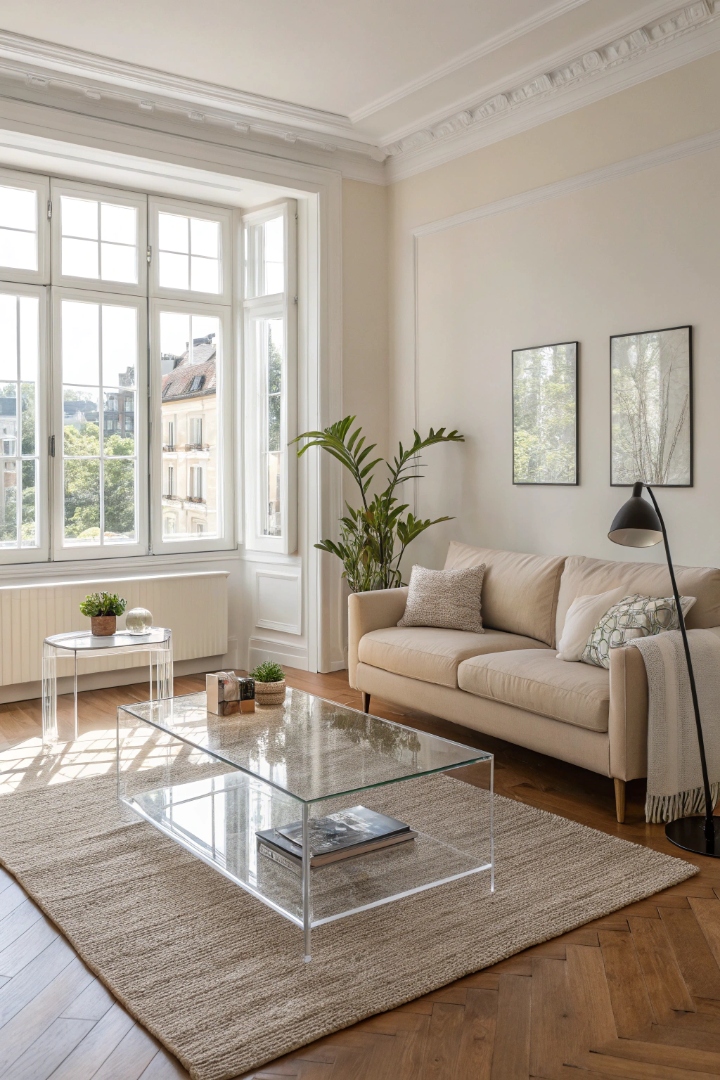
Glass and acrylic furniture pieces feel almost invisible, which makes them perfect for compact spaces. A clear coffee table still provides functionality without creating visual heaviness. I adore transparent furniture because it seems to disappear into the room while allowing decorative elements around it to remain the focus. The room feels lighter, cleaner, and surprisingly spacious. Isn’t it amazing how something as simple as material choice can completely change a room’s atmosphere? These pieces quietly work wonders.
Pro Tip: Try acrylic side tables or glass coffee tables to minimize visual clutter.
Create Zones with Rugs
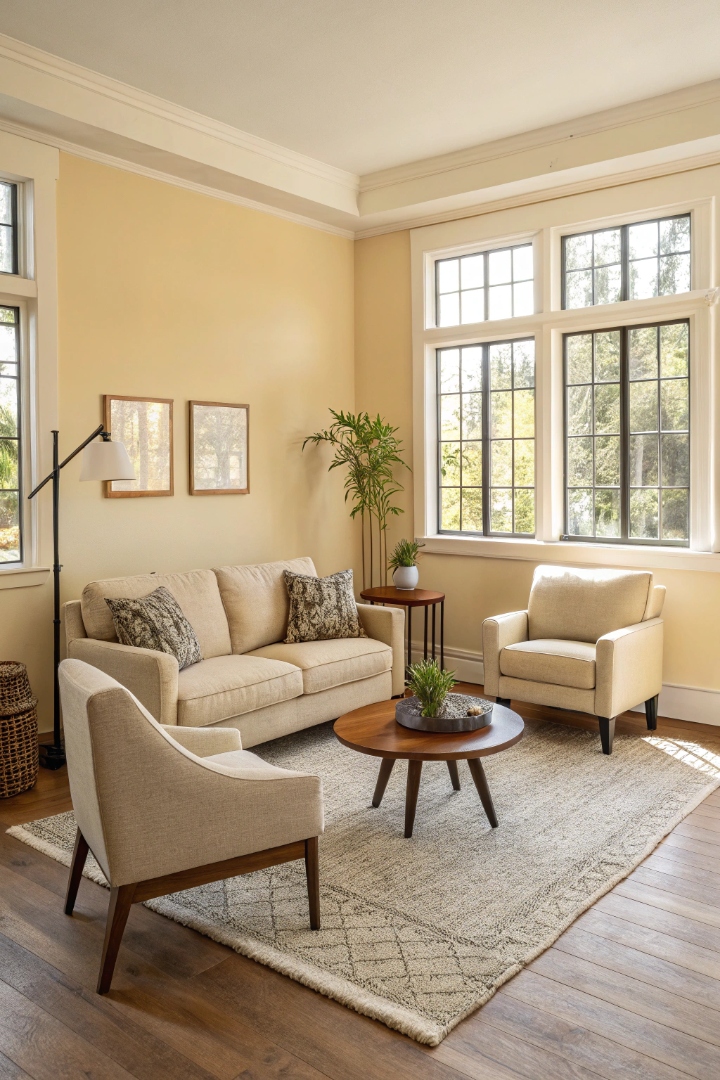
Even tiny living rooms benefit from defined areas because zoning creates structure and purpose. A well-placed rug anchors seating arrangements and establishes boundaries without requiring physical dividers. I love how rugs instantly make spaces feel intentional and cozy. The texture beneath your feet also adds warmth and comfort, encouraging people to relax and stay awhile. Why let a small room feel undefined when a simple rug can organize everything so beautifully?
Pro Tip: Select a rug large enough to accommodate at least the front legs of your seating.
Keep Décor Minimal
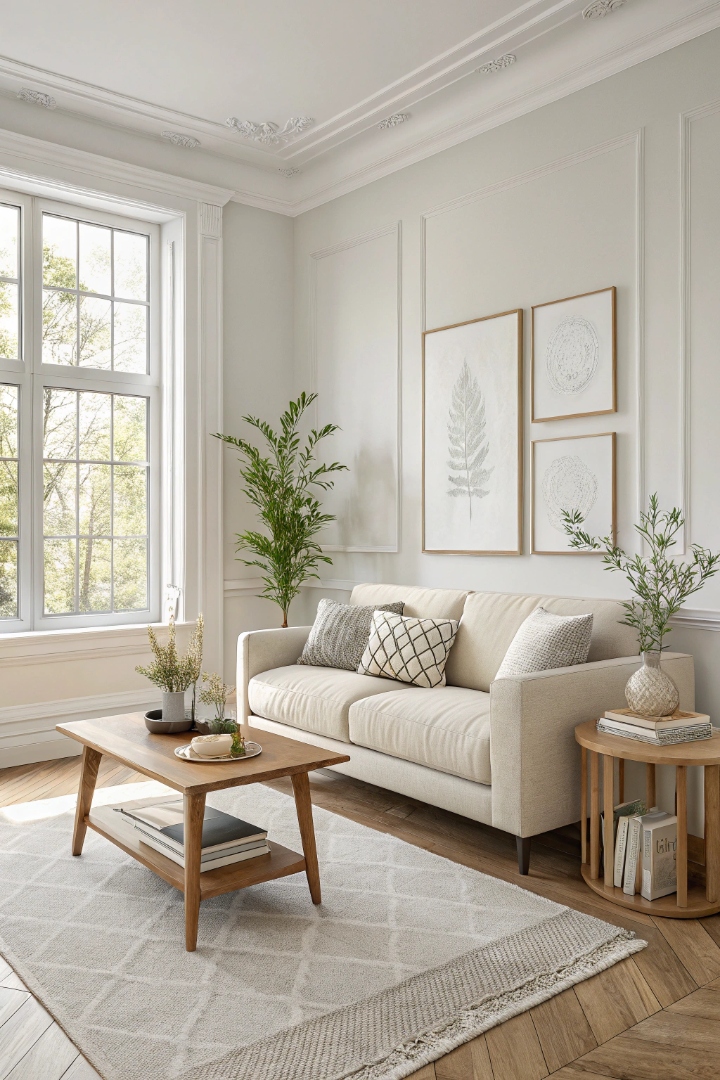
Decorating a small living room doesn’t mean eliminating personality, but it does require thoughtful restraint. I used to display every candle, frame, and decorative object I owned, and the room looked incredibly busy. Once I simplified everything, the entire space suddenly felt calm and sophisticated. Carefully chosen décor pieces gain more impact when they have room to shine. Why overcrowd shelves and surfaces when a few meaningful items often create the strongest impression? Less truly becomes more.
Pro Tip: Display a few favorite pieces and rotate seasonal accessories periodically.
Incorporate Built-In Storage
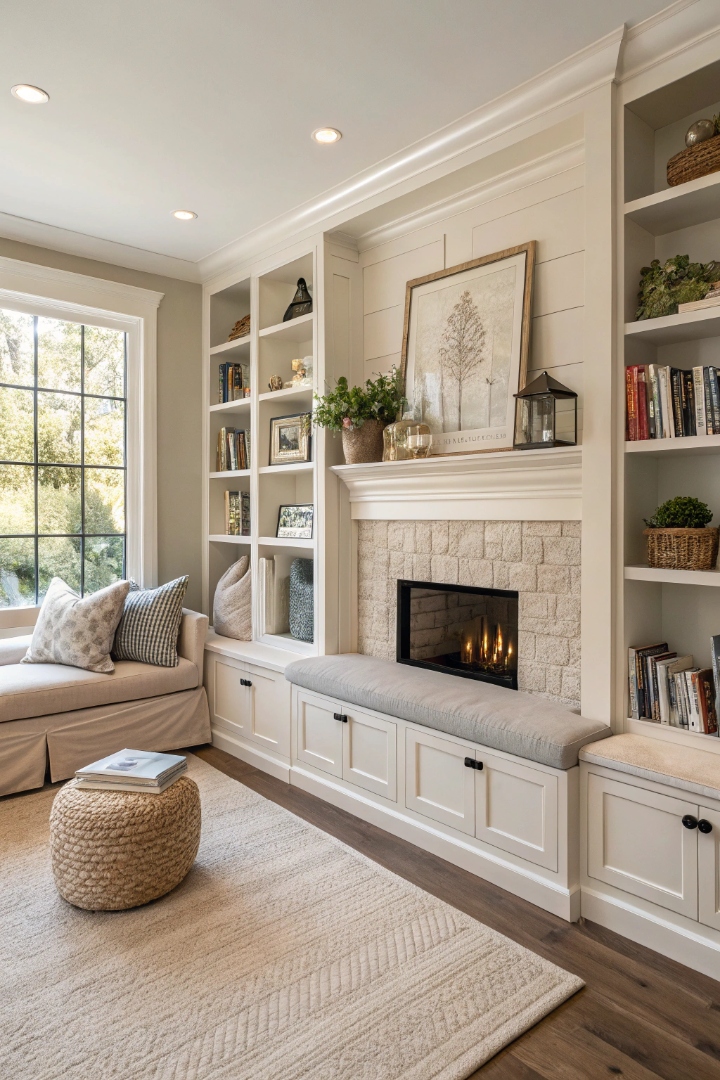
Built-ins make small spaces feel custom and highly efficient because they use every inch wisely. Shelves around fireplaces, window seats with hidden compartments, and integrated cabinets create storage without adding bulky furniture. I absolutely adore built-ins because they blend seamlessly into a room’s architecture while solving practical problems. Everything feels organized and intentional instead of improvised. Isn’t it wonderful when storage looks beautiful enough to become part of the design itself?
Pro Tip: Consider custom shelving around existing architectural features to maximize every inch.
Let Natural Light Take Center Stage
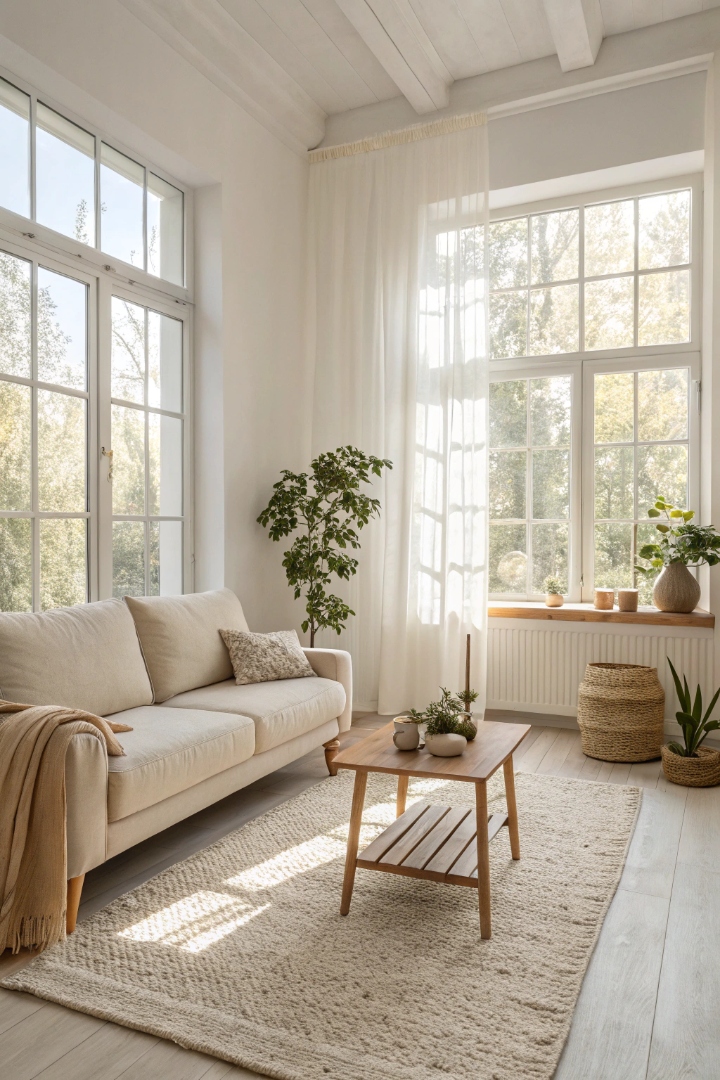
Natural light remains one of the most powerful tools for making a room feel larger and more inviting. I always notice how my mood changes when sunlight streams through the windows and gently illuminates every surface. Bright spaces feel energetic and open, while dim rooms can quickly seem smaller than they really are. Keeping windows relatively unobstructed allows daylight to work its magic throughout the day. Why hide your windows behind heavy coverings when sunlight provides free visual expansion?
Pro Tip: Use sheer curtains that preserve privacy while still allowing plenty of daylight inside.
Add Hidden Storage Everywhere Possible
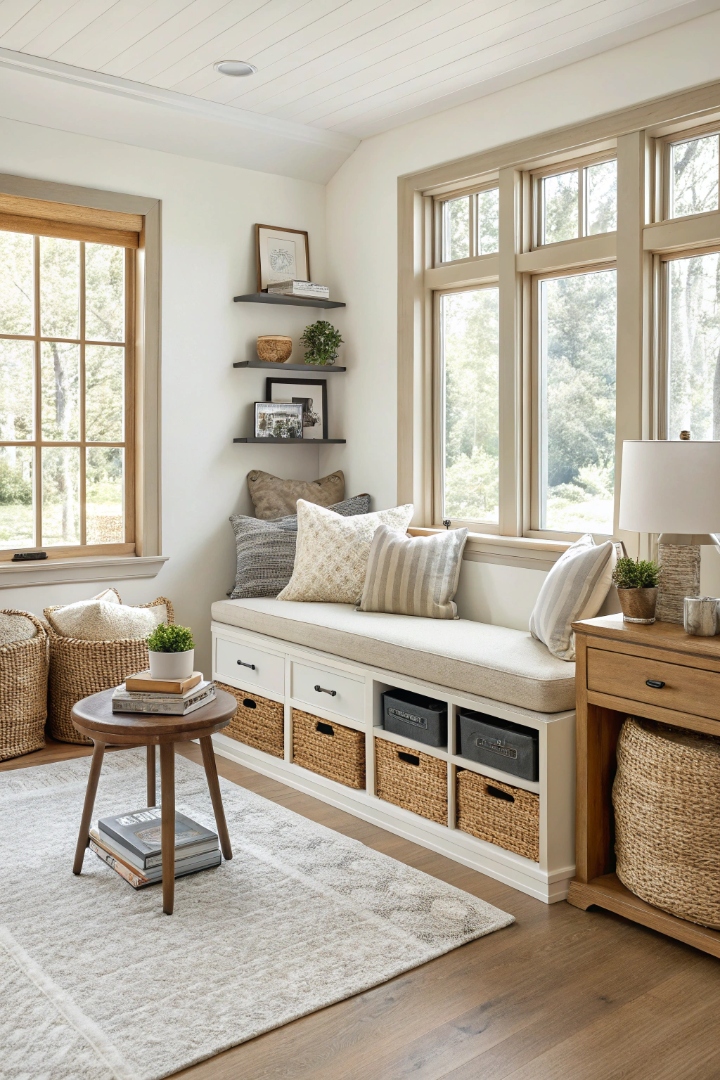
Small living rooms become significantly easier to manage when storage opportunities exist everywhere. Benches with lift-up seats, nesting tables, and baskets tucked beneath consoles all help contain daily clutter. I honestly get a little excited whenever I discover furniture with secret compartments because hidden storage feels incredibly satisfying. Everything suddenly has a proper home, and the room instantly appears cleaner and more spacious. Who doesn’t appreciate a living room that effortlessly stays organized?
Pro Tip: Look for furniture pieces that conceal storage while maintaining a streamlined appearance.
Prioritize Open Floor Space
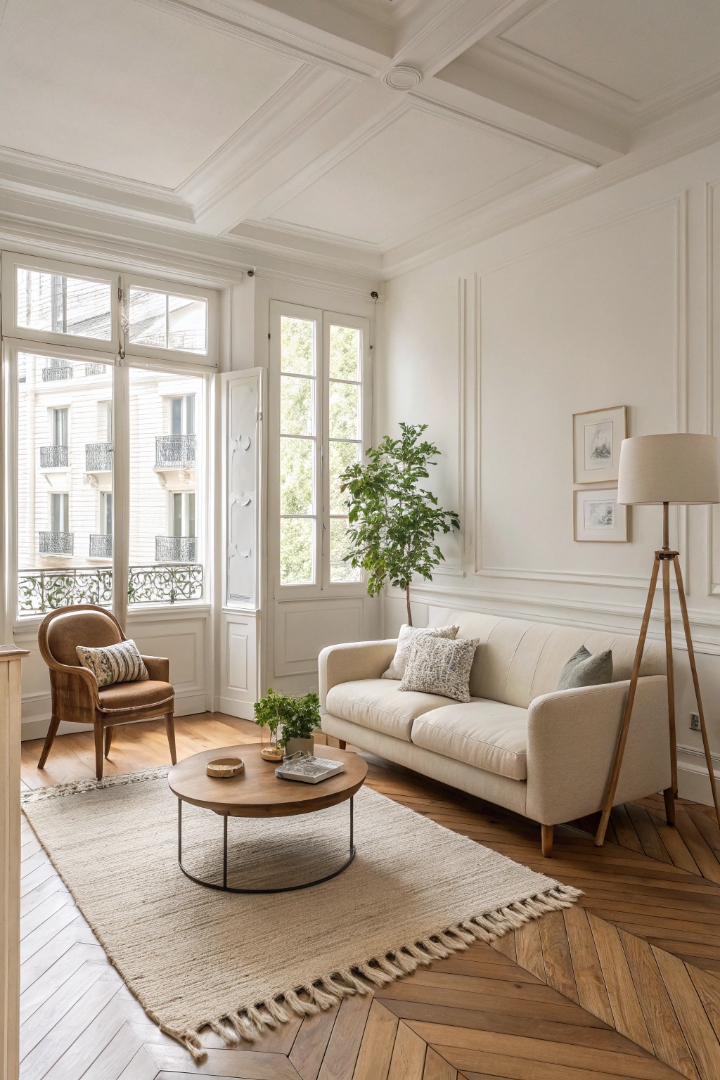
One of the biggest lessons I learned about decorating small living rooms is that empty space is not wasted space. Allowing areas of visible flooring gives the eye places to rest and makes the room feel considerably larger. Every square inch doesn’t need furniture or accessories. A little openness creates elegance and balance while improving movement around the room. Isn’t it funny how leaving some areas intentionally empty often makes a room feel richer and more thoughtfully designed?
Pro Tip: Remove one unnecessary furniture piece and observe how much larger your room suddenly feels.
Conclusion
Designing a small living room can feel intimidating at first, especially when you worry about fitting everything you need into a limited space. Yet small rooms often encourage creativity and intentional decorating in ways that larger spaces never do. Every decision matters, every corner has potential, and every thoughtful adjustment contributes to a room that feels both functional and inviting. The process becomes less about limitations and more about discovering smart opportunities hidden within your space. Tiny living rooms can absolutely become beautiful retreats filled with personality and comfort.
I still think fondly about that first tiny apartment because it taught me that size never determines how a room feels. Light, layout, color, and purposeful furniture choices all work together to create an environment that feels welcoming and expansive. The best part is that you don’t need an enormous renovation budget to make meaningful improvements. A few clever changes can completely transform your living room and help you appreciate every single square foot. Sometimes the smallest spaces end up becoming the coziest, most memorable rooms we ever create.

Leave a Reply