At first, I looked at my tiny living space and assumed I was stuck with a cramped, claustrophobic vibe forever. Every time I walked into the space, I noticed the bulky furniture, crowded corners, and piles of decorative pieces that somehow made the room feel even smaller. One rainy afternoon, I decided to move everything around simply because I was bored and honestly a little frustrated. To my surprise, that spontaneous rearranging session completely changed the atmosphere of the room and taught me that small spaces have far more potential than we often realize.
That experience sent me down a rabbit hole of home-decor ideas and space-saving tricks. I spent evenings reading design blogs, experimenting with furniture placement, and paying attention to how light moved across my little living room throughout the day. Slowly, the room began feeling airy, comfortable, and surprisingly elegant without requiring expensive renovations. Isn’t it amazing how a few thoughtful changes can completely alter the way a room feels and functions?
Today, my tiny living room has become one of my favorite spaces in the house. Friends often walk in and immediately say that the room looks much larger than it actually is, which still makes me smile every single time. The truth is that creating a spacious look has very little to do with square footage and everything to do with intentional decorating decisions. If your small living room currently feels cramped, these tiny living room ideas might completely transform your perspective.
Choose Light and Airy Paint Colors
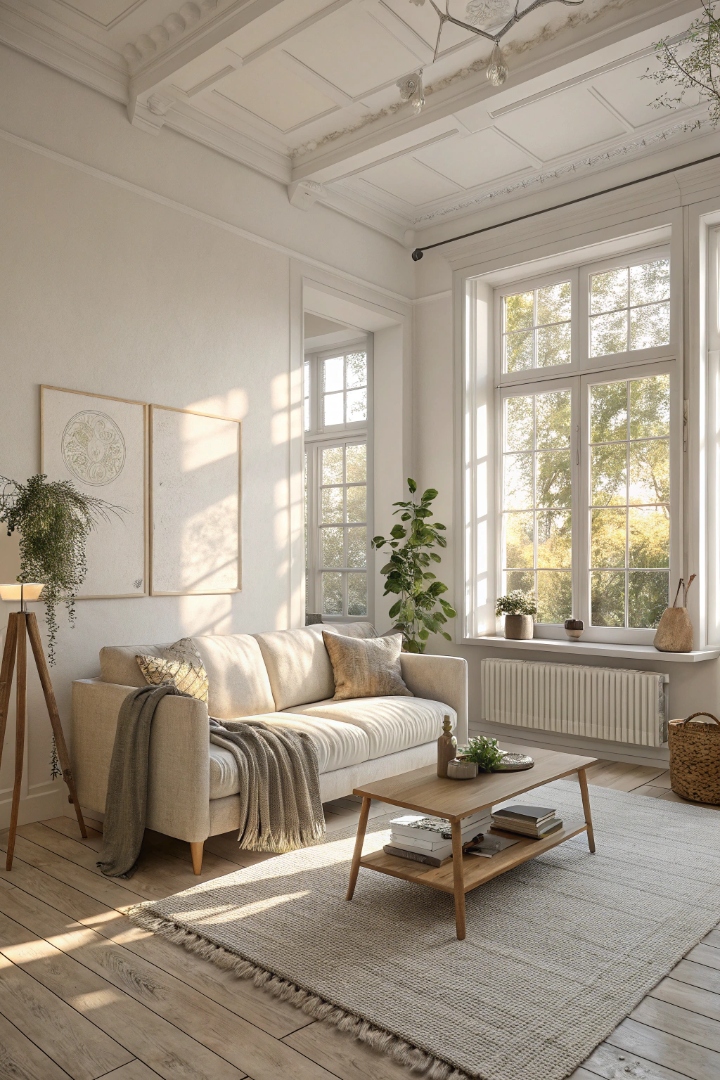
The day I painted my living room a soft warm white, the entire space seemed to exhale. Dark walls had previously absorbed every bit of natural light, making the room feel boxed in and heavy, but lighter shades suddenly reflected sunlight across every surface. The corners appeared farther away, and even my modest furniture looked less bulky. I still remember standing by the window thinking, “Dang, this room feels twice as big.” Why underestimate the incredible power of paint when it can completely reshape your perception of space?
Pro Tip: Choose warm whites, soft greige, or pale beige shades with a satin finish to maximize light reflection.
Prioritize Open Floor Space
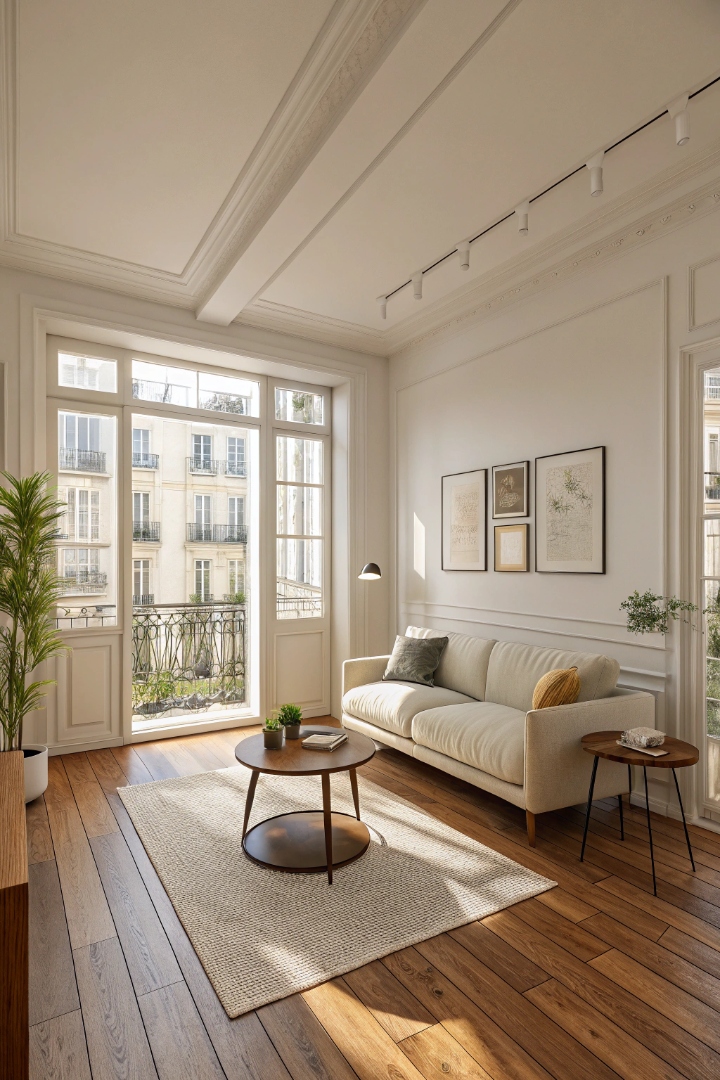
One of the biggest lessons I learned about decorating small living rooms is that empty space is not wasted space. Allowing areas of visible flooring gives the eye places to rest and instantly creates the illusion of a larger room. Every inch does not need furniture, baskets, or decorative objects competing for attention. A little breathing room actually feels elegant and intentional while making movement around the room much easier. Isn’t it funny how removing something often improves a room more than adding another accessory?
Pro Tip: Remove one unnecessary furniture piece and live with the extra space for a week before deciding whether you miss it.
Use Furniture with Visible Legs
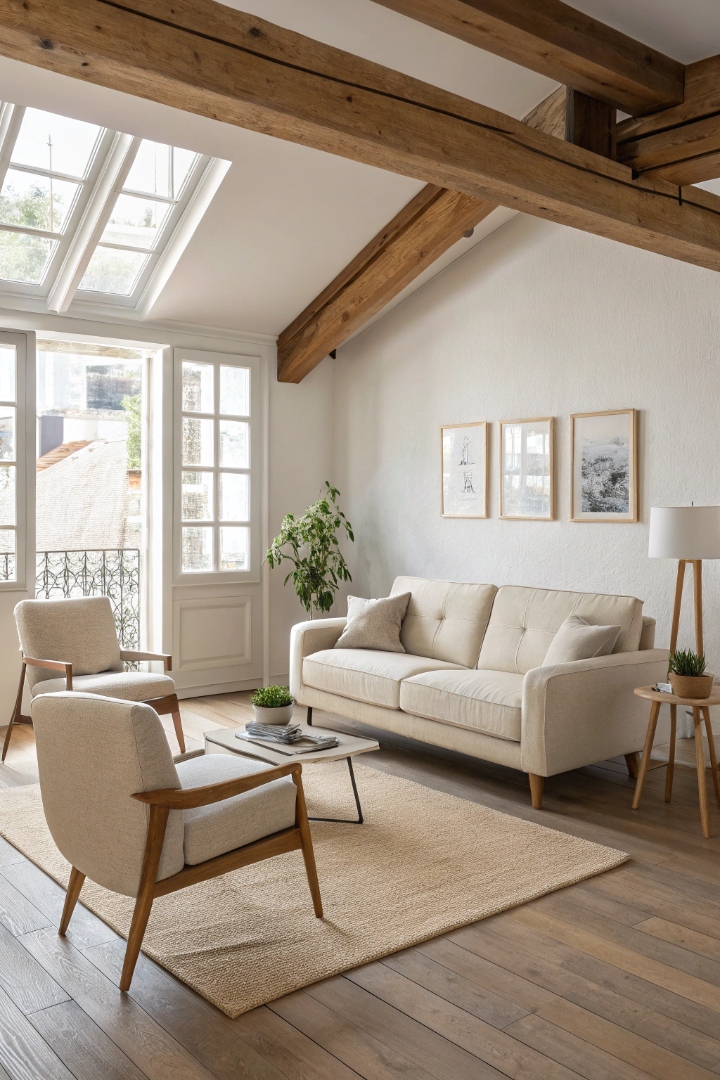
Furniture that sits directly on the floor can make a tiny living room feel visually heavy and crowded. I swapped my chunky sofa for one with slim wooden legs, and suddenly I could see more flooring underneath the furniture. That extra glimpse of floor space tricked my eyes into seeing a larger room because everything felt lighter and less confined. Even chairs with elevated frames contribute to an airy atmosphere. Why choose furniture that visually weighs down your room when elevated pieces create such effortless openness?
Pro Tip: Select sofas and accent chairs with exposed legs to create more visual flow throughout the room.
Hang Curtains Close to the Ceiling
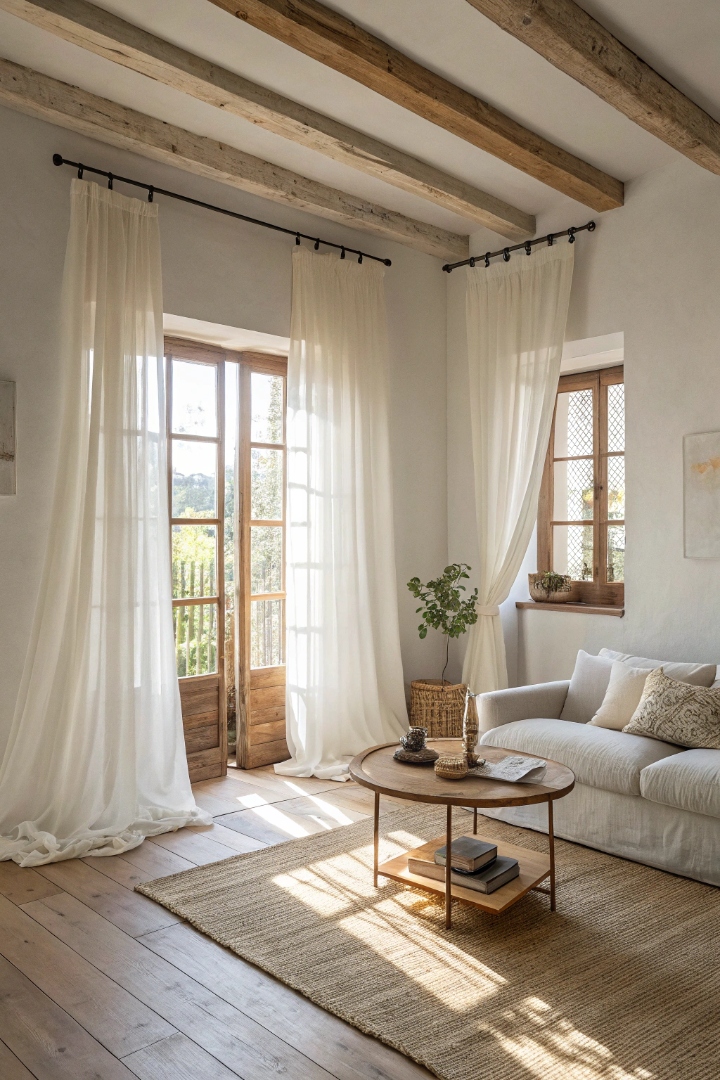
This decorating trick honestly blew my mind because it created an instant sense of height without requiring any construction. Hanging curtains several inches above the window frame naturally draws your gaze upward and makes ceilings appear taller than they actually are. Long flowing curtains also create graceful vertical lines that soften the entire room. Every time sunlight filters through my curtains, the room feels brighter and more expansive. Doesn’t a little visual trickery sometimes produce the most impressive transformations?
Pro Tip: Install curtain rods as close to the ceiling as possible and allow curtains to lightly touch the floor.
Decorate with Mirrors
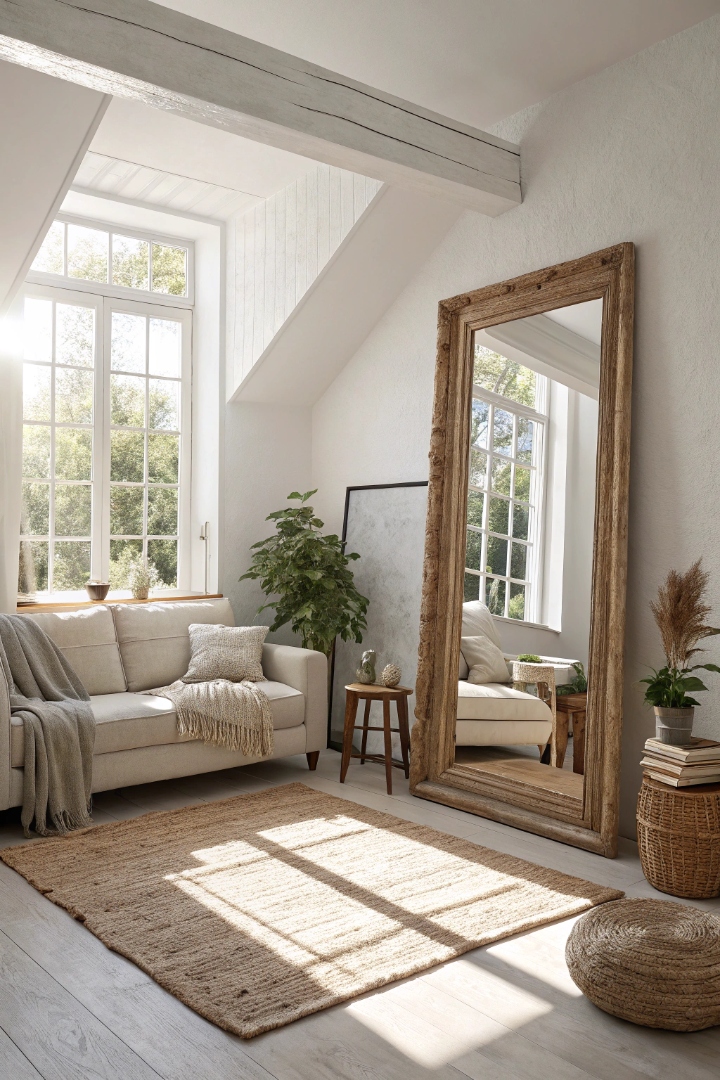
I will probably never stop recommending mirrors for tiny living rooms because they perform decorating magic every single time. A large mirror reflects light, doubles visual depth, and creates the impression that another room exists beyond the wall. I placed one opposite my window, and the amount of brightness it added was absolutely incredible. The reflection instantly made the room feel larger and more dynamic throughout the day. Why settle for a dark and enclosed space when a strategically placed mirror can completely change the atmosphere?
Pro Tip: Position mirrors across from windows to maximize natural light and enhance depth.
Choose a Smaller Coffee Table
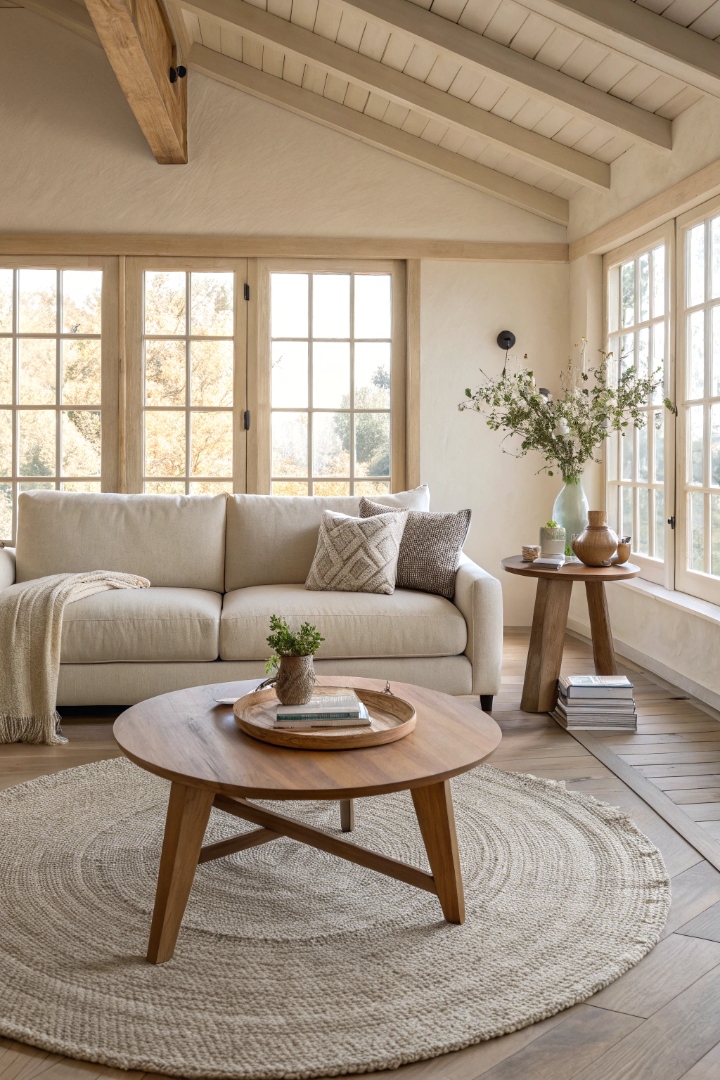
I once insisted on using an oversized coffee table because I thought bigger furniture would somehow make my room appear more substantial. Instead, it consumed precious floor space and constantly interrupted movement throughout the room. Replacing it with a smaller round table completely transformed the layout and made everything feel more balanced. The room suddenly gained breathing room and looked significantly more open. Why force oversized furniture into a compact room when scaled pieces often feel far more luxurious?
Pro Tip: Look for compact round coffee tables that encourage better flow and easier movement.
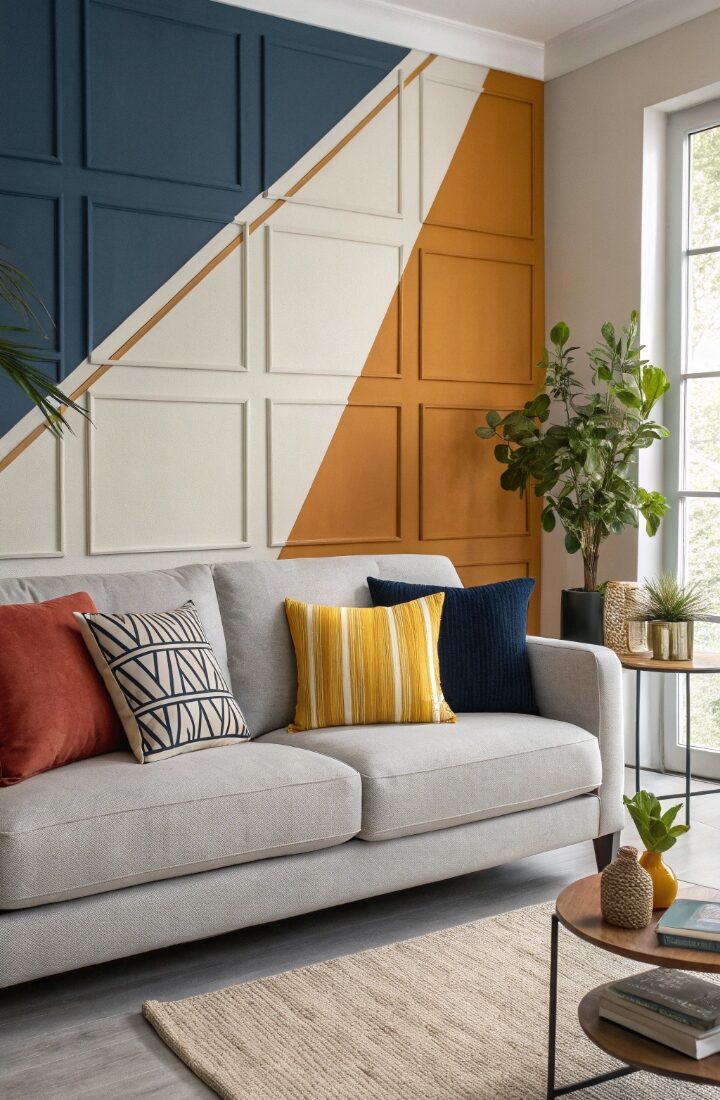
Keep the Color Palette Cohesive
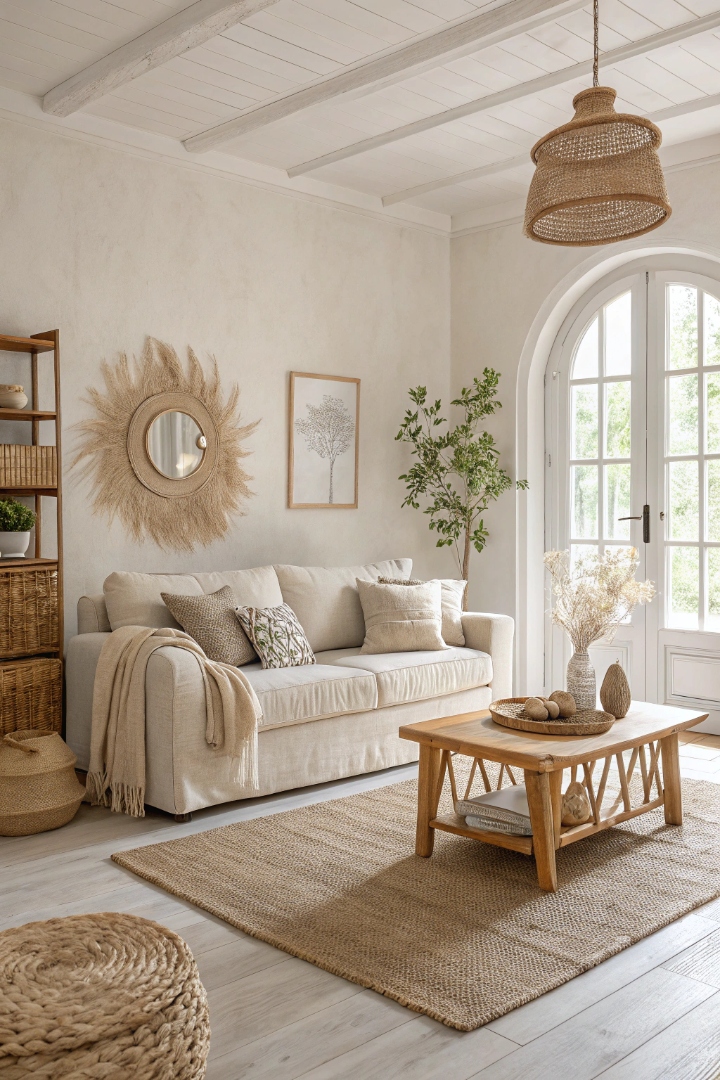
Tiny living rooms can quickly feel chaotic when too many colors compete for attention. I discovered that using similar shades throughout the room created visual continuity and prevented my eyes from stopping at every decorative element. Soft neutrals with subtle accents made the space feel calm, sophisticated, and remarkably spacious. Everything seemed connected rather than fragmented into separate sections. Isn’t it amazing how consistency often creates the illusion of more room to breathe?
Pro Tip: Limit your palette to two or three main colors for a cohesive and spacious appearance.
Add Vertical Storage
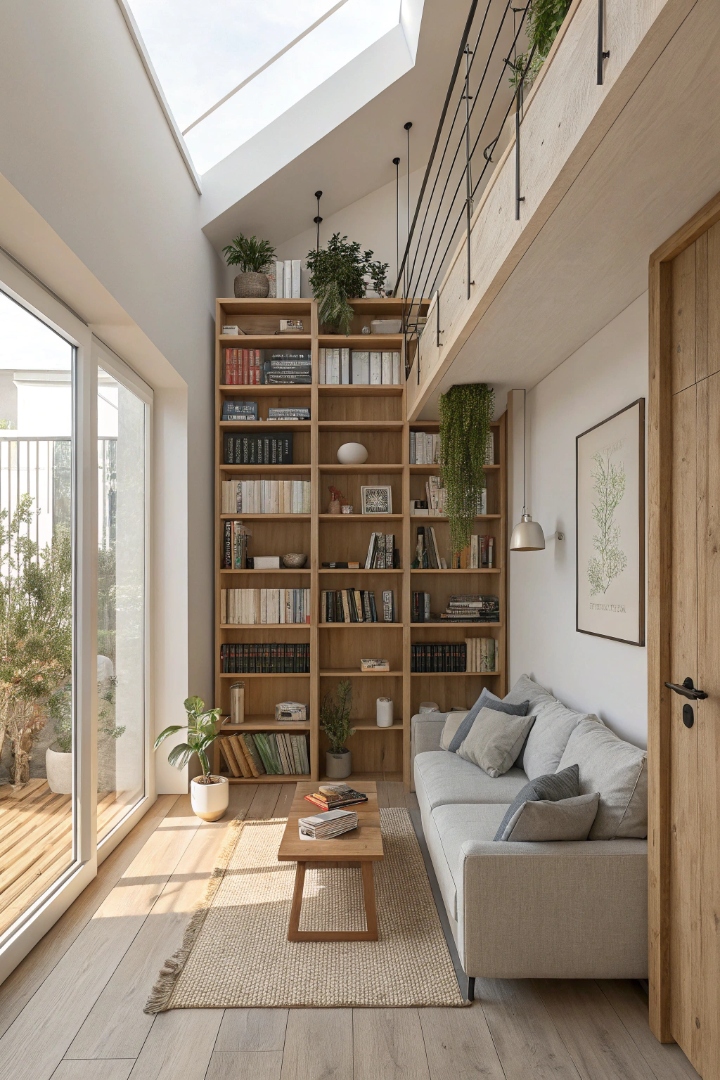
I used to rely entirely on floor storage until I realized I was essentially filling every available inch of the room with furniture. Installing vertical shelves immediately freed up floor space and gave my books, plants, and decorative pieces a proper home. The eye naturally traveled upward, creating a feeling of greater height and openness. The room appeared organized rather than overcrowded, which made an enormous difference. Why ignore all that empty wall space when it can work so beautifully for storage?
Pro Tip: Choose tall, narrow shelving units that maximize vertical space without consuming valuable floor area.
Let Natural Light Shine
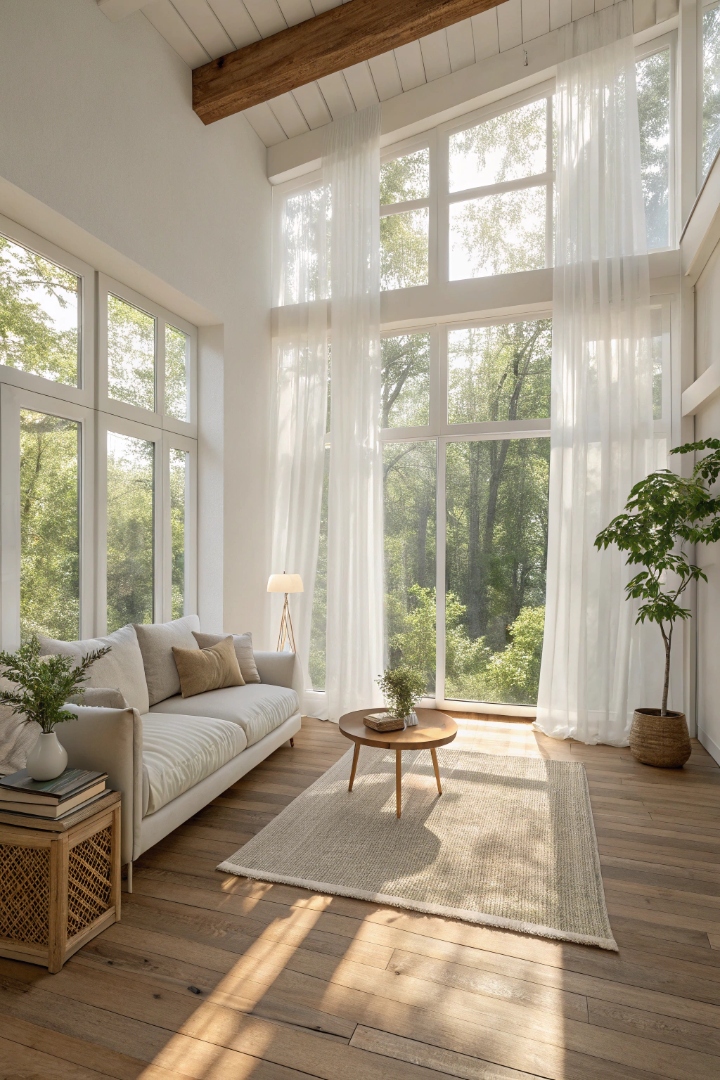
Heavy window treatments once blocked much of the sunlight entering my living room, and the entire space always felt smaller because of it. Allowing more natural light to flood the room instantly made every corner feel brighter and more welcoming. Sunlight creates depth, highlights textures, and gives even compact spaces a refreshing sense of openness. Honestly, it feels like bringing the outdoors inside. Doesn’t every room simply look happier when sunlight fills it?
Pro Tip: Keep windows clear and use sheer curtains that allow plenty of natural light to pass through.
Embrace Multi-Functional Furniture
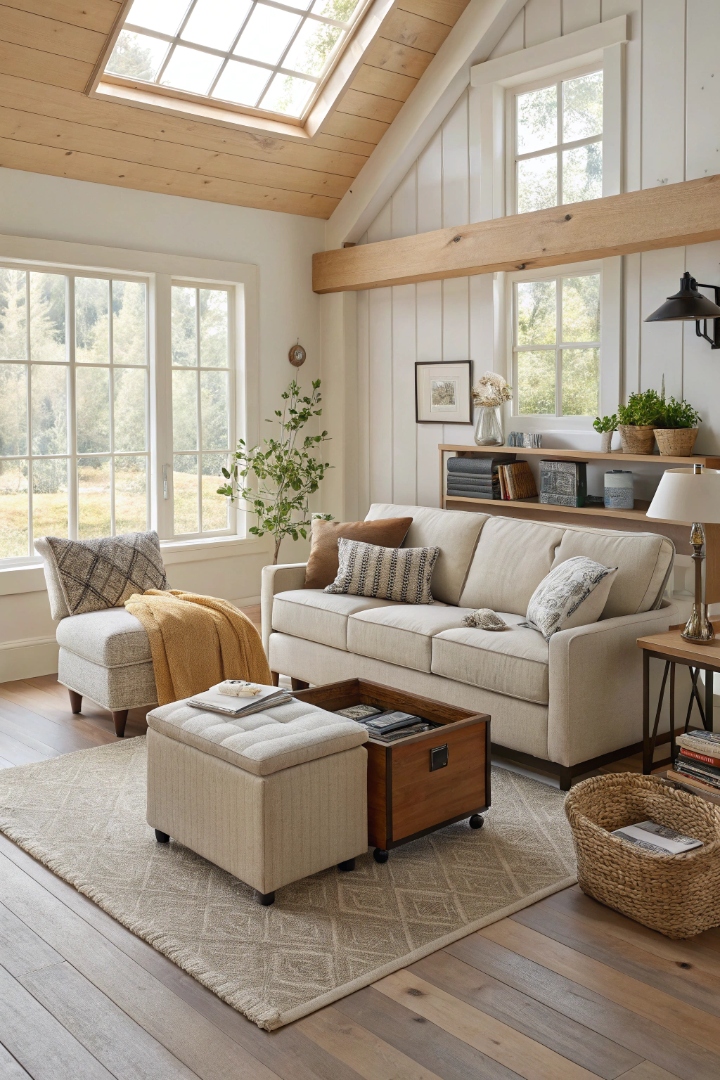
Small spaces absolutely demand furniture that works harder, and I learned this lesson pretty quickly. My storage ottoman functions as a footrest, extra seating, and a place to hide blankets and magazines. Every piece now serves multiple purposes, which allows me to maintain a clean and uncluttered living room. The room feels efficient without sacrificing comfort or style. Why fill your space with single-purpose items when clever furniture can do so much more?
Pro Tip: Invest in furniture pieces that combine storage, seating, and functionality in one compact design.
Keep Decorations Intentional
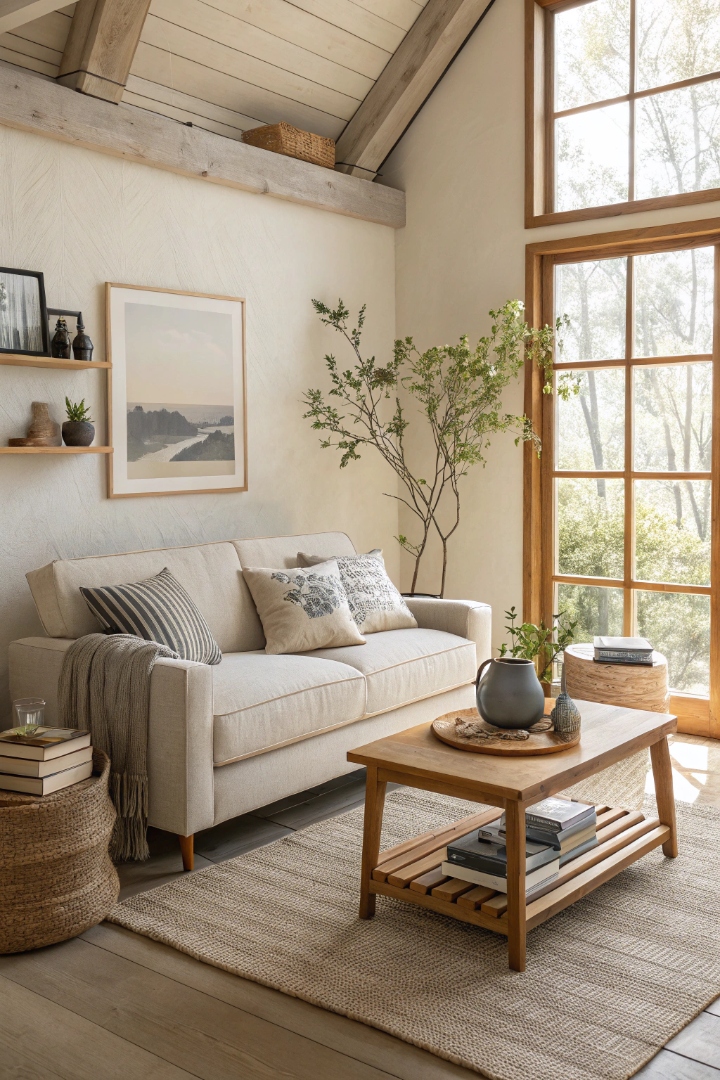
I love decorative accessories, but there was a time when I displayed far too many items simply because I liked them individually. Collectively, however, they created visual clutter and made my tiny living room feel chaotic. Once I curated only my favorite pieces, every decorative object gained more impact and the room felt wonderfully balanced. Less really did become more, and wow, the difference was remarkable. Why overcrowd your room when carefully chosen pieces feel so much more meaningful?
Pro Tip: Display only a few favorite decorative items and rotate them seasonally to keep the room fresh.
Use Area Rugs Wisely
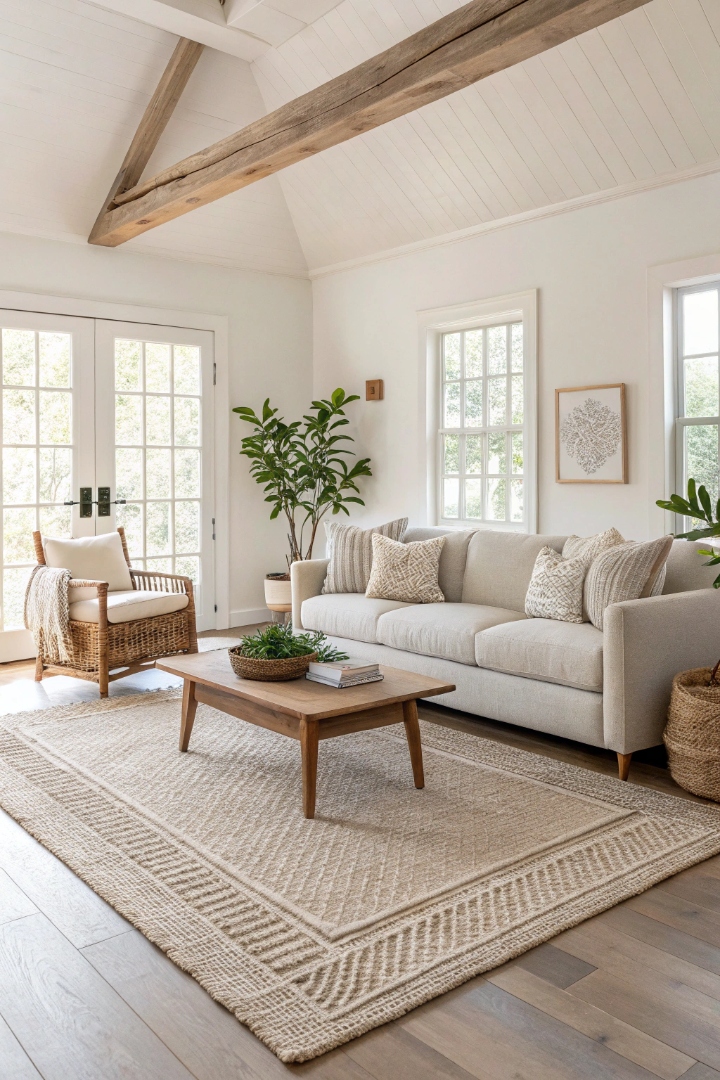
A properly sized rug can beautifully define a seating area and make a tiny living room appear larger. I once used a rug that was too small, and it visually chopped the room into awkward sections. Switching to a larger rug instantly unified the furniture arrangement and created a sense of continuity. The room suddenly appeared bigger and more intentional. Isn’t it interesting how something beneath your feet can dramatically affect your perception of an entire room?
Pro Tip: Select a rug large enough for at least the front legs of your seating furniture to rest comfortably on it.
Arrange Furniture for Better Flow
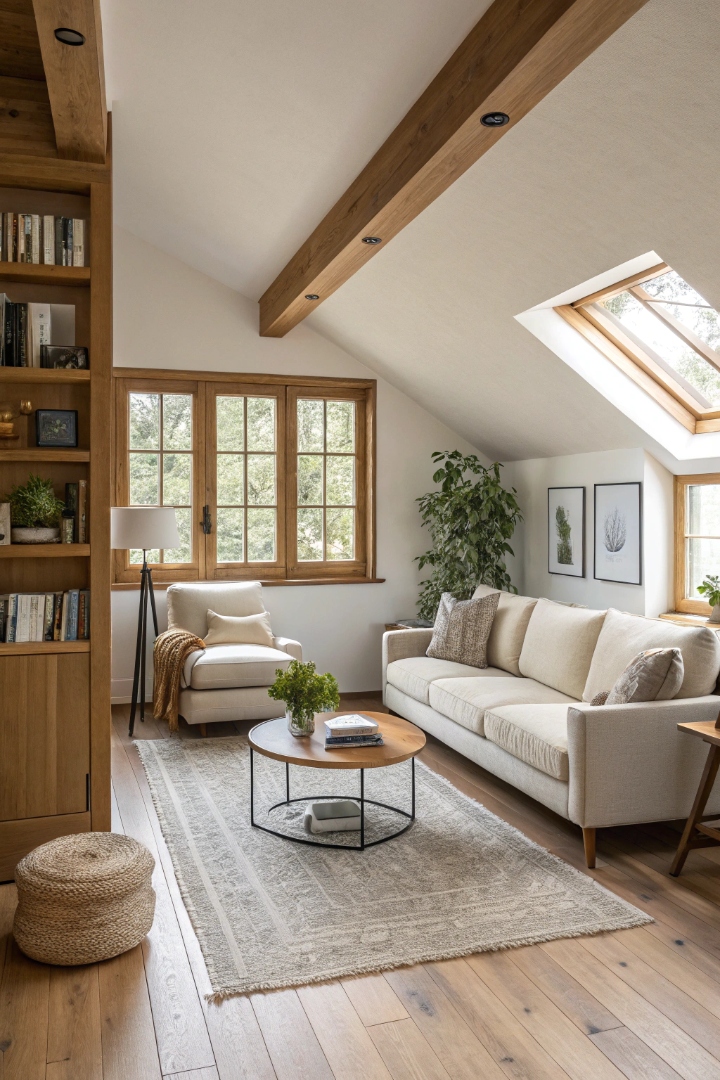
I used to push every piece of furniture directly against the walls because I assumed it would create more space. Ironically, that arrangement made the room feel stiff and strangely cramped. Pulling my sofa slightly away from the wall created depth and improved traffic flow throughout the space. The entire room suddenly felt more inviting and thoughtfully arranged. Why cling to decorating myths when experimenting with layouts can reveal surprisingly effective solutions?
Pro Tip: Try moving furniture a few inches from the walls to create visual depth and improve circulation.
Add Plants Without Overcrowding
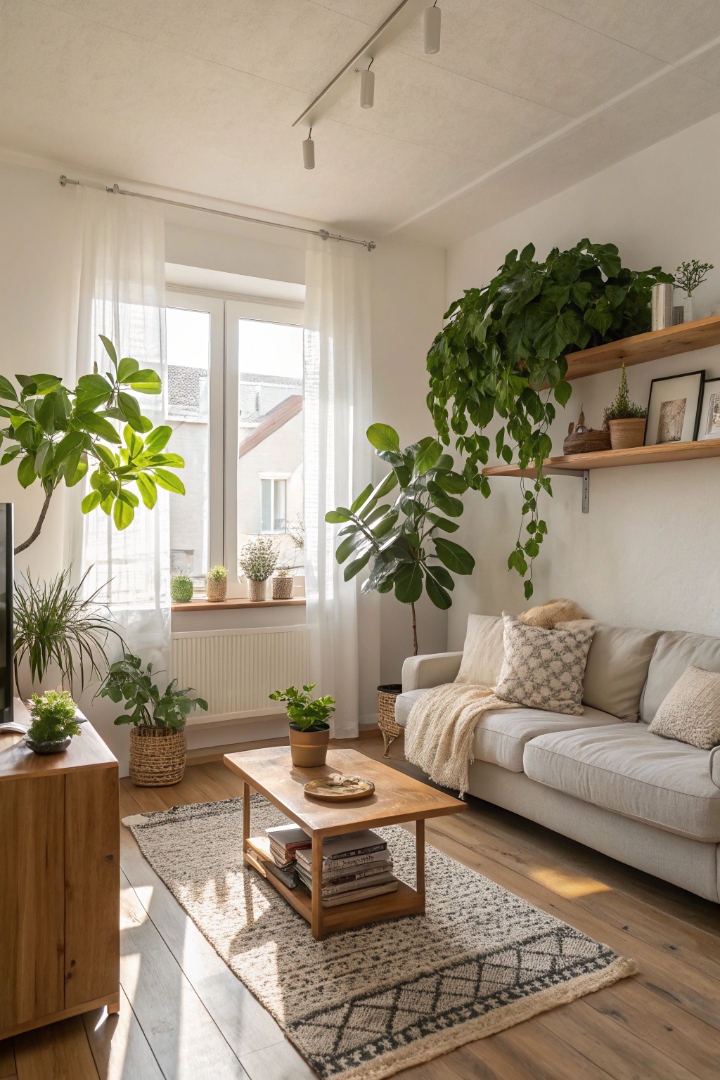
A few carefully chosen plants can make a tiny living room feel alive, fresh, and incredibly inviting. I love how greenery introduces natural texture and softness without overwhelming the space. A single floor plant near the window and a small potted plant on a shelf often feel more effective than multiple scattered arrangements. The room gains personality while maintaining openness and simplicity. Doesn’t every living room deserve a touch of nature that quietly brightens the entire atmosphere?
Pro Tip: Use one statement plant and one or two smaller plants instead of filling every corner with greenery.
Conclusion
Living in a small home has taught me that spaciousness is often a feeling rather than a measurement. Tiny living rooms can absolutely feel open, comfortable, and beautifully designed when we make intentional choices about light, furniture, color, and organization. I no longer see my compact living room as a decorating challenge because it has become proof that thoughtful design can accomplish remarkable things. Every small improvement contributes to a larger sense of comfort and peace.
Perhaps the most rewarding part of decorating a tiny living room is discovering how creative solutions can dramatically change everyday life. A brighter corner, a well-placed mirror, or a piece of multi-functional furniture might seem like small details, but together they create a home that feels welcoming and surprisingly spacious. The next time you walk into your living room, try looking at it differently. You might discover that the cozy little space you already have contains far more potential than you ever imagined.
Leave a Reply